
AMD Ryzen 5 7600 vs AMD Ryzen 9 5900X
For most users, the AMD Ryzen 5 7600 is the smarter buy, especially if you're gaming. It boasts a 5.1 GHz boost clock and a low 65W TDP for efficient performance. The 6 cores deliver great FPS, while the 9 5900X, with 12 cores, shines in rendering and compiling, but its 105W power draw means you'll need a robust cooling solution. This trade-off could impact your decision based on your specific needs in 2026. Key specs: TDP: 65W vs 105W and Cores: 6C/12T vs 12C/24T.
Why compare these? Both the AMD Ryzen 5 7600 and AMD Ryzen 9 5900X are mid-range processors competing in the same market segment. This makes them direct rivals for buyers looking for mid-range features and performance in 2026. Understanding their differences helps you choose the right one for your specific needs.
As an Amazon Associate I earn from qualifying purchases.
Key Differences at a Glance
| Aspect | AMD Ryzen | AMD Ryzen |
|---|---|---|
| User Rating | ✓4.8★ (3,097 reviews) | 4.7★ (13,275 reviews) |
| Top Strength | Excellent price-to-performance ratio for gaming | Exceptional multi-core performance for rendering and compiling |
| Main Drawback | 6 cores may limit performance in heavy multi-threaded productivity | No upgrade path to newer generations (AM4 is end-of-life for new architectures) |
| Market Position | Mid-range | Mid-range |
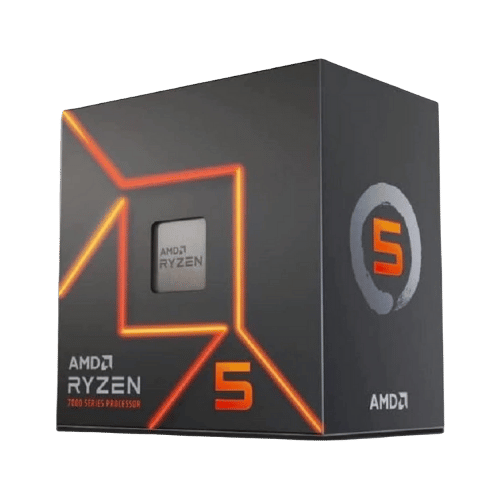
AMD Ryzen 5 7600
Zen 4 (Ryzen 7000 Series)
Socket AM5 (LGA 1718)
6 Cores / 12 Threads
3.8 GHz Base / Up to 5.1 GHz Boost
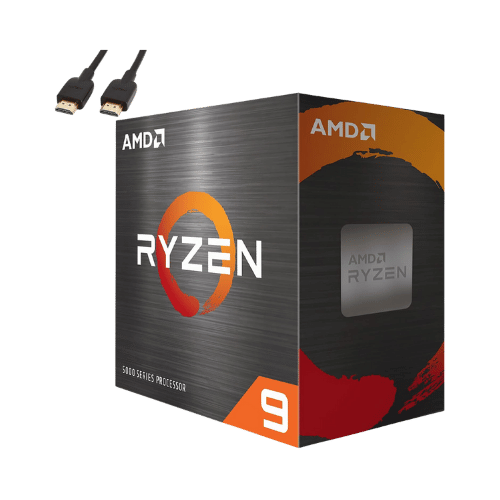
AMD Ryzen 9 5900X
Zen 3 (Ryzen 5000 Series / Vermeer)
Socket AM4 (PGA 1331)
12 Cores / 24 Threads
3.7 GHz Base / Up to 4.8 GHz Boost
Only the specs that differ are shown here. Winners are highlighted when the data is clear.
+Full specs, pros, and cons
Everything side-by-side with ratings and the full spec list.
Expand
Full specs, pros, and cons
Everything side-by-side with ratings and the full spec list.
Comparison: AMD Ryzen 5 7600 vs AMD Ryzen 9 5900X
AMD Ryzen 5 7600
AMD Ryzen 9 5900X
| Criterion | AMD Ryzen 5 7600 | AMD Ryzen 9 5900X |
|---|---|---|
| Rating | ★4.8(3,097)Amazon | ★4.7(13,275)Amazon |
Architecture Gen | Zen 4 (Ryzen 7000 Series) | Zen 3 (Ryzen 5000 Series / Vermeer) |
Socket Platform | Socket AM5 (LGA 1718) | Socket AM4 (PGA 1331) |
Cores Threads | 6 Cores / 12 Threads | 12 Cores / 24 Threads |
Base Boost Clock | 3.8 GHz Base / Up to 5.1 GHz Boost | 3.7 GHz Base / Up to 4.8 GHz Boost |
Cache L2 L3 | 6 MB L2 + 32 MB L3 (38 MB Total) | 6 MB L2 + 64 MB L3 (70 MB Total) |
TDP Power | 65 W | 105 W |
Max Turbo Power | 88 W (PPT) | 142 W (PPT) |
Process Node | TSMC 5nm FinFET (Core Complex) / 6nm (I/O Die) | TSMC 7nm FinFET (Core Complex) / GlobalFoundries 12nm (I/O Die) |
Memory Support | DDR5-5200 MT/s (Official); Dual-Channel; Up to 192 GB; ECC Support | DDR4-3200 MT/s (Official); Dual-Channel; Up to 128 GB; ECC Support: Yes (Unbuffered UDIMM; requires mobo support) |
Memory Bandwidth Max | N/A (Dependent on RAM config, theoretical max ~83.2 GB/s @ 5200 MT/s) | N/A (Dependent on RAM config, theoretical max ~51.2 GB/s @ 3200 MT/s) |
Pcie Version | PCIe 5.0 | PCIe 4.0 (Requires B550 or X570 chipset) |
Pcie Lanes | 28 Total (24 Usable for Graphics/Storage) | 24 Total (20 Usable: x16 Graphics, x4 NVMe) |
Igpu | AMD Radeon Graphics (2 Cores, 2200 MHz) | None (Discrete graphics card required) |
Instruction Features | AMD-V, AVX, AVX2, AVX-512, FMA3, AES-NI, SHA, SSE4.1/4.2 | AMD-V, AVX, AVX2, FMA3, AES-NI, SHA, SSE4.1/4.2 |
Cooler Included | Yes (Wraith Stealth) | No (High-end air or liquid cooler recommended) |
Max Temp | 95°C (203°F) TjMax | 90°C (194°F) TjMax |
Notes Limits | Efficient 65W design with unlocked multiplier for overclocking (PBO supported). Low power draw (88W PPT max) makes it easy to cool. Integrated graphics intended for display/office use only. | Dual-CCD design provides massive multi-core throughput. Requires a B550/X570 motherboard for PCIe 4.0 speeds. No integrated graphics. |
Chipset Support | A620, B650, B650E, X670, X670E, B840, B850, X870, X870E | A520, B450, B550, X570, X470, X370, B350, A320 (BIOS update required for older chipsets) |
| Pros |
|
|
| Cons |
|
|
As an Amazon Associate I earn from qualifying purchases. | Check Price on Amazon→ | Check Price on Amazon→ |
AMD Ryzen 5 7600
Zen 4 (Ryzen 7000 Series)
Socket AM5 (LGA 1718)
6 Cores / 12 Threads
3.8 GHz Base / Up to 5.1 GHz Boost
6 MB L2 + 32 MB L3 (38 MB Total)
65 W
Pros
- Excellent price-to-performance ratio for gaming
- Highly efficient 65W TDP; runs cool and includes a stock cooler
Cons
- 6 cores may limit performance in heavy multi-threaded productivity
- Included Wraith Stealth cooler is adequate but can get noisy under load
AMD Ryzen 9 5900X
Zen 3 (Ryzen 5000 Series / Vermeer)
Socket AM4 (PGA 1331)
12 Cores / 24 Threads
3.7 GHz Base / Up to 4.8 GHz Boost
6 MB L2 + 64 MB L3 (70 MB Total)
105 W
Pros
- Exceptional multi-core performance for rendering and compiling
- High gaming performance due to Zen 3 architecture and large cache
Cons
- No upgrade path to newer generations (AM4 is end-of-life for new architectures)
- Runs hotter than single-CCD chips; requires substantial cooling
Which one is better?
The AMD Ryzen 5 7600 is the better buy for most people - its efficient 65W TDP crushes the 105W of the Ryzen 9 5900X. That said, grab the Ryzen 9 5900X if you need serious multi-core performance for tasks like video rendering - it has double the cores.
Who should buy each?
Choose the AMD Ryzen 5 7600 if: you game frequently and want a solid FPS, you prefer a cooler running system with lower power consumption, or you're looking for future-proofing with DDR5 support.
Choose the AMD Ryzen 9 5900X if: you do heavy multi-threaded tasks like video editing, you need more cores for rendering, or you're okay with investing in a strong cooling solution.
Quality Seekers
Higher user rating (4.8★ vs 4.7★) indicates better overall satisfaction
→ Choose AMD Ryzen
Safe Choice Buyers
More widely tested with 13,275 reviews vs 3,097
→ Choose AMD Ryzen
Excellent price-to-performance ratio Priority
Excellent price-to-performance ratio for gaming
→ Choose AMD Ryzen
Exceptional multi-core performance Priority
Exceptional multi-core performance for rendering and compiling
→ Choose AMD Ryzen
Conclusion
AMD Ryzen 5 7600 and AMD Ryzen 9 5900X are both solid choices. Match the strengths above to your budget and workflow to make the best call.
Bottom line: The AMD Ryzen 5 7600 edges ahead with a 4.8★ rating compared to 4.7★. However, AMD Ryzen 9 5900X remains a strong contender if its strengths align better with your needs.
Frequently Asked Questions
+Which is better: AMD Ryzen 5 7600 or AMD Ryzen 9 5900X?
AMD Ryzen 5 7600 is the better choice if you prioritize excellent price-to-performance ratio for gaming. AMD Ryzen 9 5900X wins if you value exceptional multi-core performance for rendering and compiling. Both are rated highly (4.8★ vs 4.7★), so consider your specific needs and budget.
+What are the main differences between AMD Ryzen 5 7600 and AMD Ryzen 9 5900X?
Key differences: AMD Ryzen 5 7600 offers excellent price-to-performance ratio for gaming, while AMD Ryzen 9 5900X stands out with exceptional multi-core performance for rendering and compiling. Consider that AMD Ryzen 5 7600 6 cores may limit performance in heavy multi-threaded productivity. Meanwhile, AMD Ryzen 9 5900X no upgrade path to newer generations (am4 is end-of-life for new architectures). Check the detailed specs table above for a complete comparison.
+What should I prioritize when choosing between these processors?
Focus on the features that matter most for your daily use. AMD Ryzen 5 7600 stands out for excellent price-to-performance ratio for gaming and highly efficient 65w tdp; runs cool and includes a stock cooler. AMD Ryzen 9 5900X excels at exceptional multi-core performance for rendering and compiling and high gaming performance due to zen 3 architecture and large cache. Check the spec table above for the complete side-by-side breakdown.
Affiliate disclosure
PageBen uses Amazon affiliate links. If you purchase through our links, we may earn a commission at no extra cost to you. This supports independent content for US shoppers.