
Best Processors 2026
Compare the top 43 processors with detailed specs, expert reviews, and side-by-side comparisons. Find the perfect choice for your needs.
How to Choose the Best Processors in 2026
The CPU market in 2026 is more competitive than ever, with AMD and Intel trading blows across gaming, productivity, and efficiency. Your processor choice impacts everything from boot times to render speeds. We break down benchmarks and real-world performance to help you choose the right chip for your build.
Key Considerations:
- ✓Gaming: AMD Ryzen 7000X3D series leads with 3D V-Cache. Intel Core i5/i7 offer strong value.
- ✓Productivity: Core count matters for rendering and compilation. Consider 8+ cores for serious workloads.
- ✓Platform: AMD AM5 and Intel LGA 1700 both support DDR5. Consider upgrade path and motherboard costs.
- ✓Power Efficiency: Important for laptops and small form factor builds. AMD generally leads in performance per watt.
- ✓Integrated Graphics: AMD's APUs and Intel's integrated graphics suffice for light gaming without a GPU.
Our Top Picks for 2026
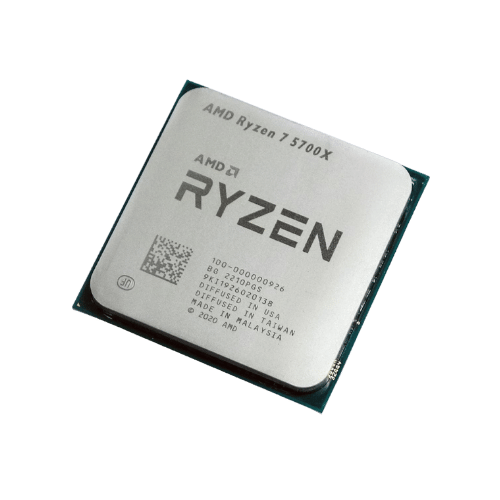
AMD Ryzen 7 5700X
Zen 3 8-core CPU. 3.4–4.6 GHz, 36MB Cache. AM4, DDR4-3200, PCIe 4.0. 65W TDP. No iGPU. No cooler. High-value AM4 upgrade.
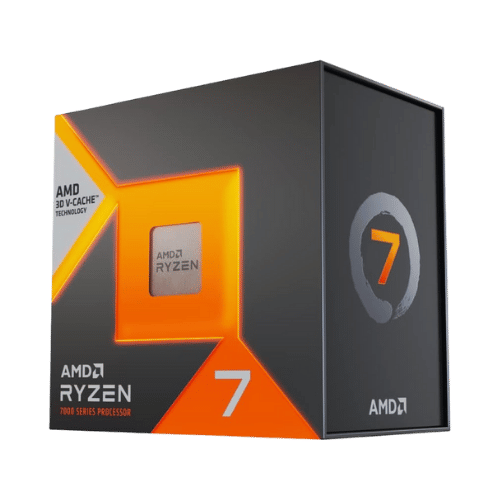
AMD Ryzen 7 7800X3D
Zen 4 gaming CPU: 8C/16T, 4.2–5.0 GHz, 104MB Total Cache, AM5, DDR5, PCIe 5.0. 120W TDP. Cooler not included.
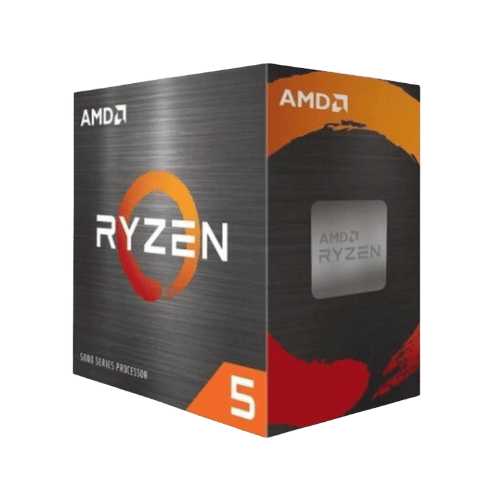
AMD Ryzen 5 5600X
Zen 3 gaming CPU: 6C/12T, 3.7–4.6 GHz, 35MB Total Cache, AM4, DDR4, PCIe 4.0. 65W TDP. Wraith Stealth included.
Popular Processors Comparisons
See how the top processors compare head-to-head in our detailed side-by-side analysis.
View all comparisons →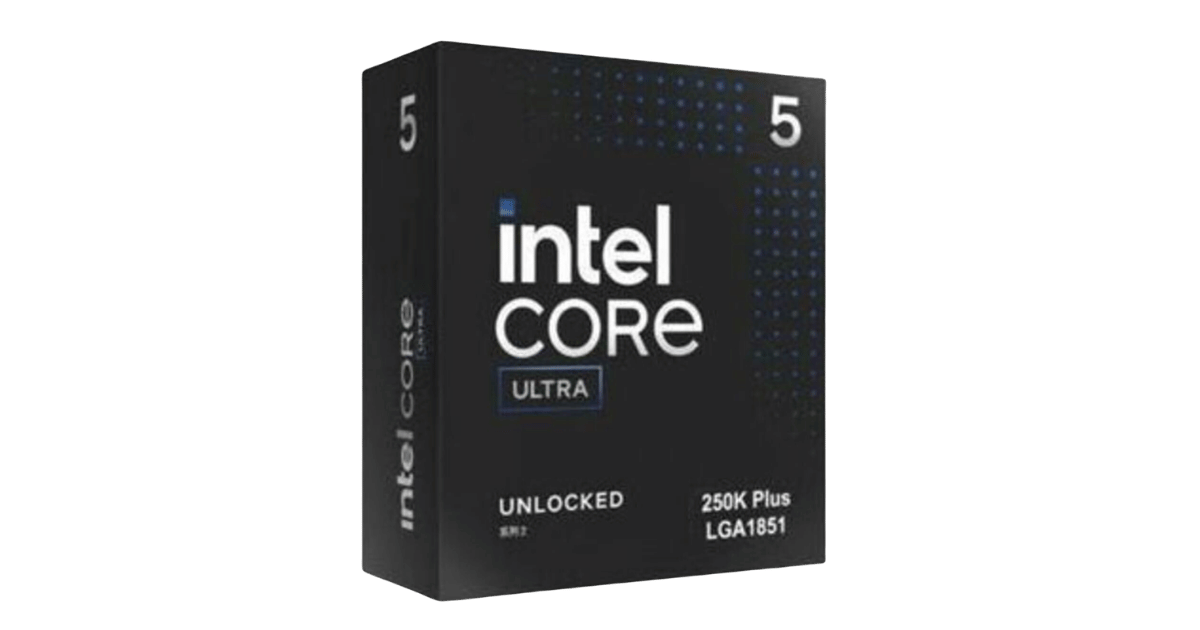
Intel Core Ultra 5 250K Plus
Intel's Arrow Lake Refresh mid-range chip with 18 cores, DDR5-7200 support, and built-in Arc graphics — the new value leader around $200.
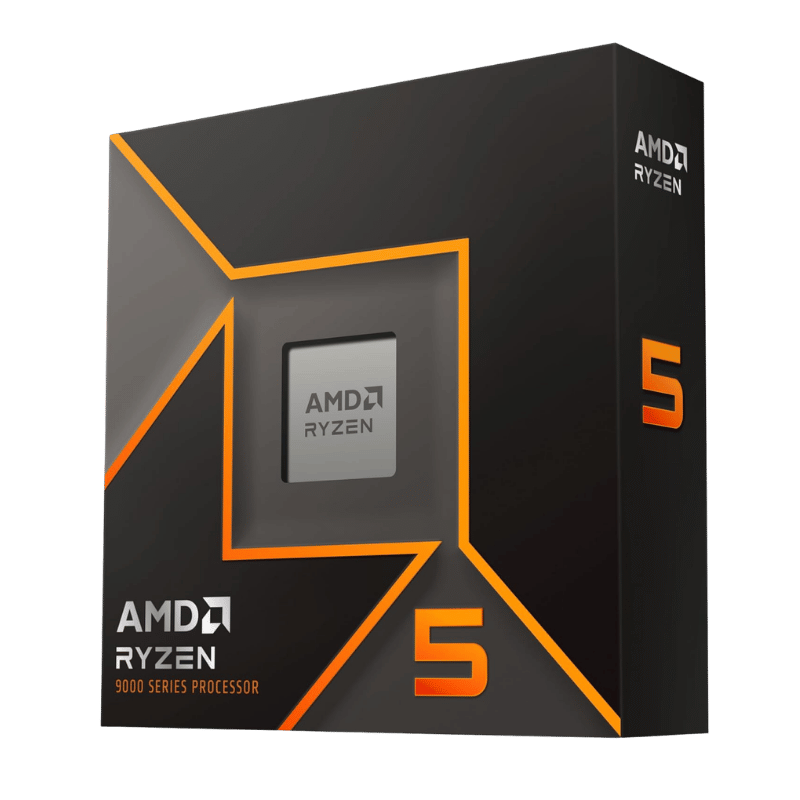
AMD Ryzen 5 9600X
The efficiency king of Zen 5. 6-core/12-thread CPU, 5.4GHz boost, and 65W base TDP. Optional 105W mode unlocks extra performance. Features AVX-512 support.
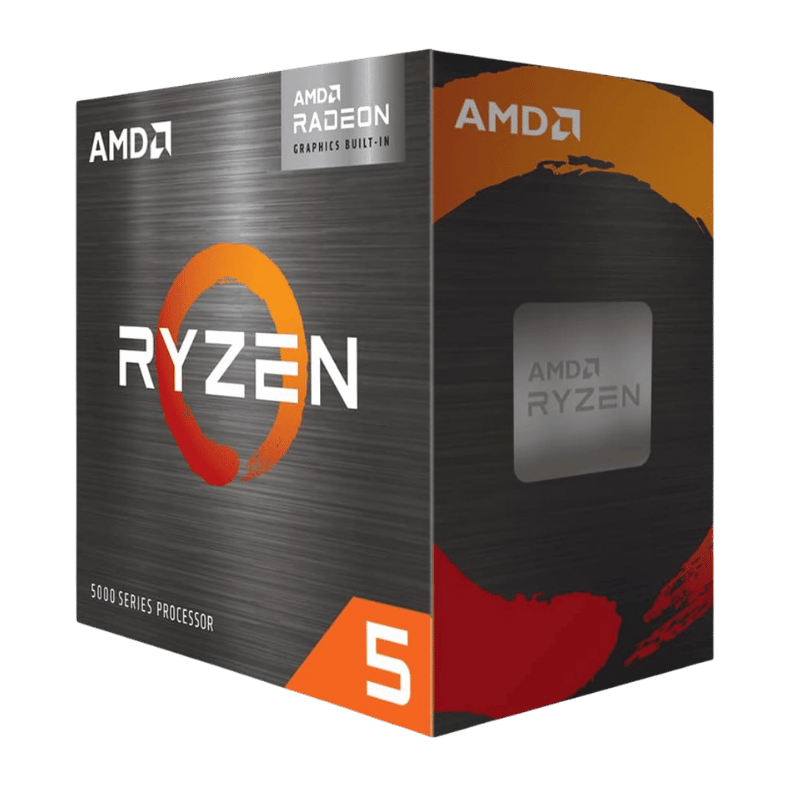
AMD Ryzen 5 5600G
Best APU for budget PC builds — Zen 3 cores, Radeon Vega 7 iGPU, and 6 cores on AM4 for desktop gaming without a dedicated graphics card.
AMD Ryzen 5 5600X
Zen 3 gaming CPU: 6C/12T, 3.7–4.6 GHz, 35MB Total Cache, AM4, DDR4, PCIe 4.0. 65W TDP. Wraith Stealth included.
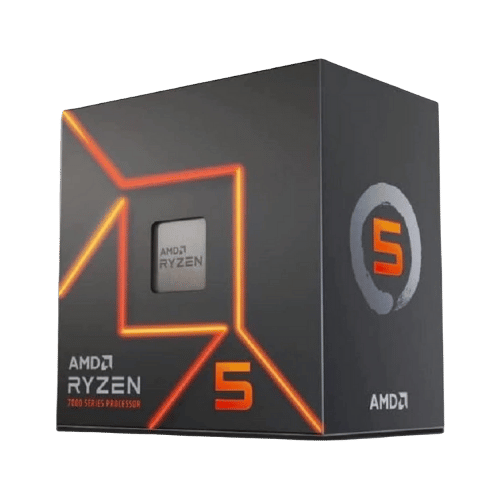
AMD Ryzen 5 7600
Zen 4 value CPU: 6C/12T, 3.8–5.1 GHz, 38MB Cache, AM5, DDR5, PCIe 5.0. 65W TDP. Wraith Stealth included.
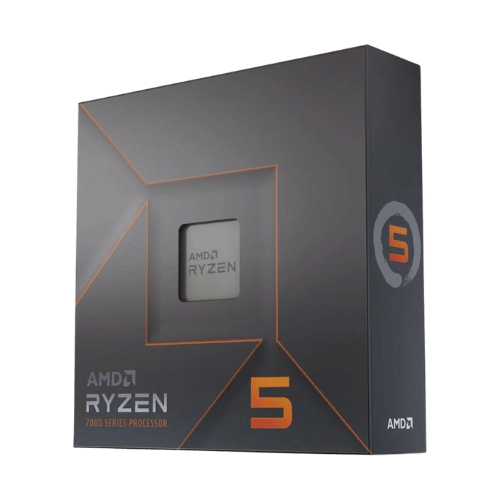
AMD Ryzen 5 7600X
The high-value gateway to AM5. Zen 4 6-core/12-thread CPU, 5.3GHz boost, PCIe 5.0, and DDR5 support. Delivers potent gaming performance without the premium price.
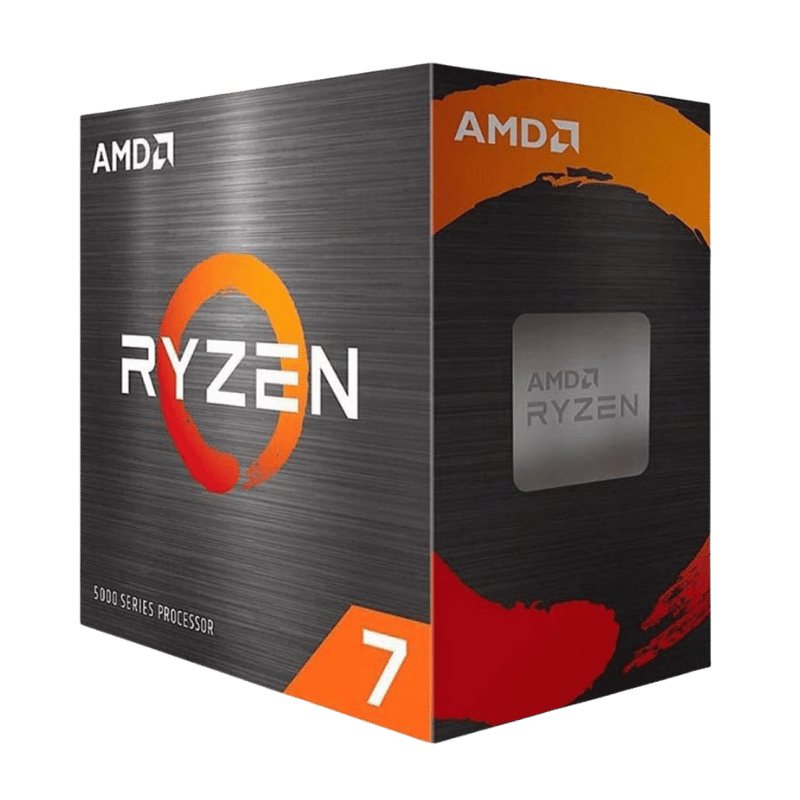
AMD Ryzen 7 5700G
8-core Zen 3 APU with Radeon Vega 8 iGPU — the strongest integrated graphics desktop CPU for building a capable PC without a graphics card.
AMD Ryzen 7 5700X
Zen 3 8-core CPU. 3.4–4.6 GHz, 36MB Cache. AM4, DDR4-3200, PCIe 4.0. 65W TDP. No iGPU. No cooler. High-value AM4 upgrade.
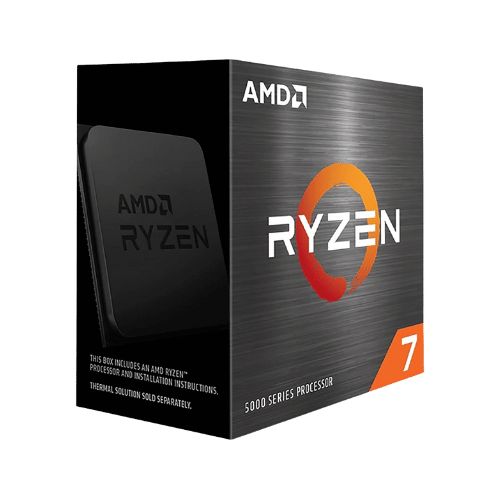
AMD Ryzen 7 5700X3D
The ultimate budget gaming upgrade. Zen 3 AM4 CPU with 3D V-Cache, 8C/16T, 4.1GHz boost, and 100MB total cache. Revitalizes older PCs with near-AM5 gaming performance.
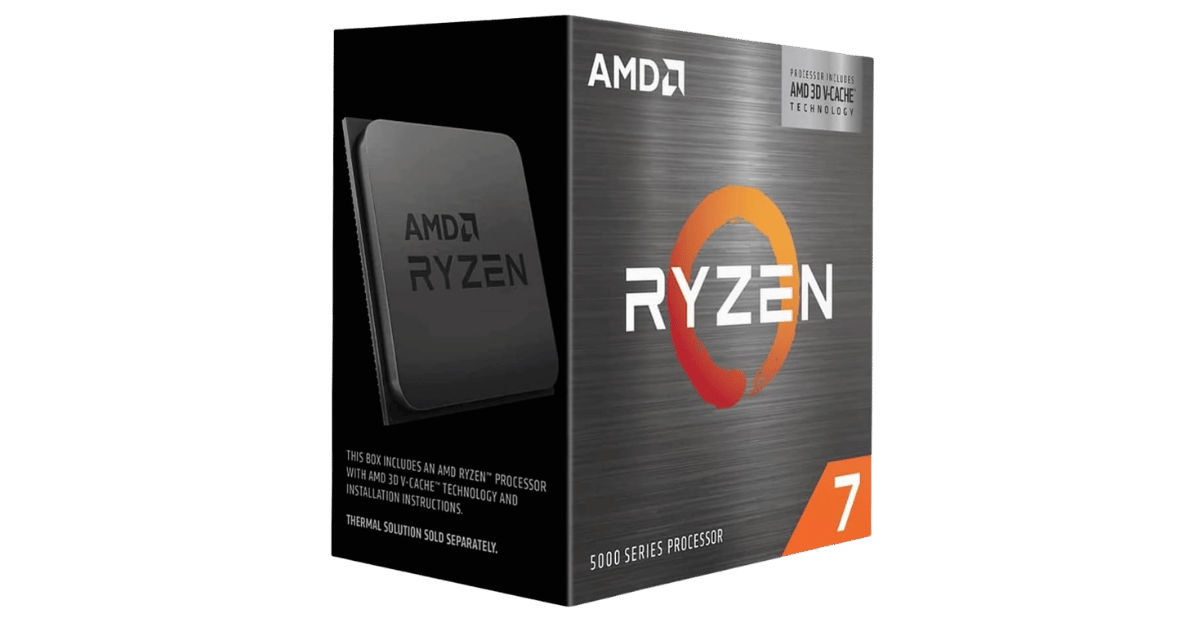
AMD Ryzen 7 5800X3D
The AM4 gaming legend — 8 cores and a massive 96MB of 3D V-Cache still deliver top-tier gaming frame rates on budget-friendly older motherboards.
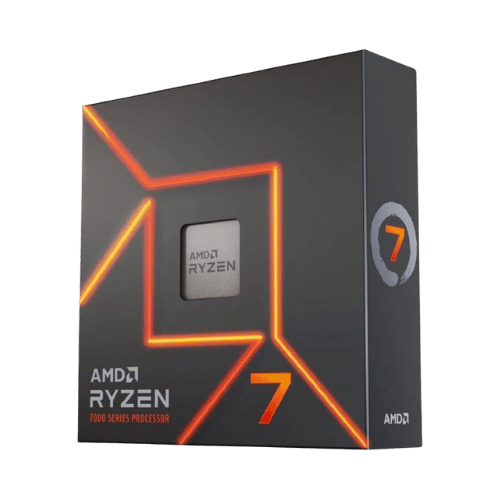
AMD Ryzen 7 7700X
Powerful 8-core Zen 4 CPU for gaming and content creation. Features 5.4GHz boost, PCIe 5.0, and high energy efficiency. A balanced AM5 choice.
AMD Ryzen 7 7800X3D
Zen 4 gaming CPU: 8C/16T, 4.2–5.0 GHz, 104MB Total Cache, AM5, DDR5, PCIe 5.0. 120W TDP. Cooler not included.
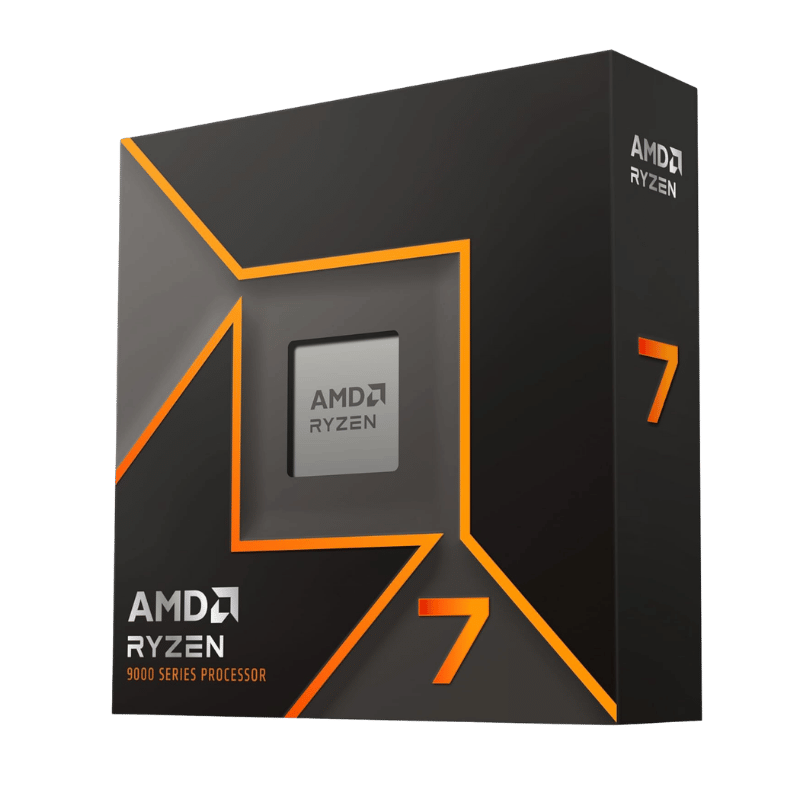
AMD Ryzen 7 9700X
8-core Zen 5 on AM5 with a 65W TDP and 5.5 GHz boost — exceptional performance per watt for gaming and everyday workloads without running hot.
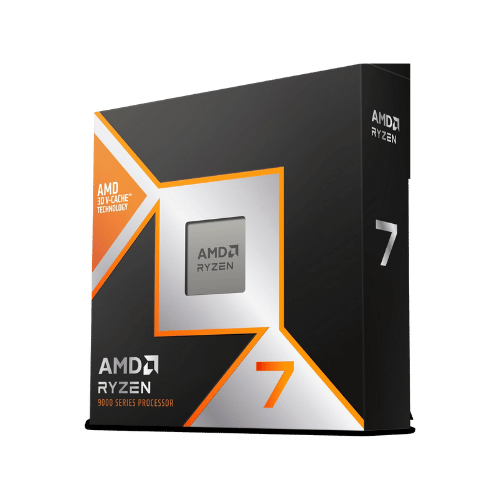
AMD Ryzen 7 9800X3D
The world's fastest gaming CPU. Zen 5 architecture with 2nd-Gen 3D V-Cache, 8C/16T, 5.2GHz boost, and 104MB total cache. Fully unlocked for overclocking on AM5.
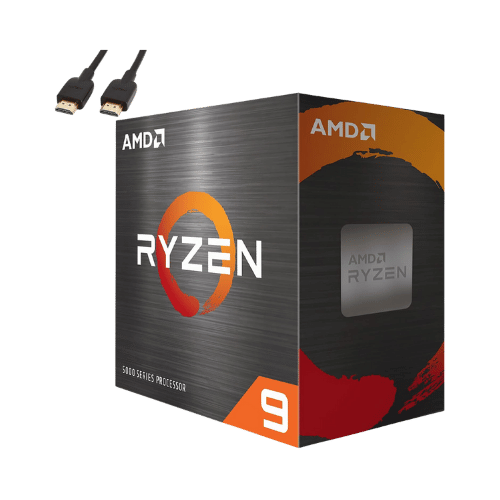
AMD Ryzen 9 5900X
Zen 3 powerhouse: 12C/24T, 3.7–4.8 GHz, 70MB Total Cache, AM4, DDR4, PCIe 4.0. 105W TDP. Cooler not included.
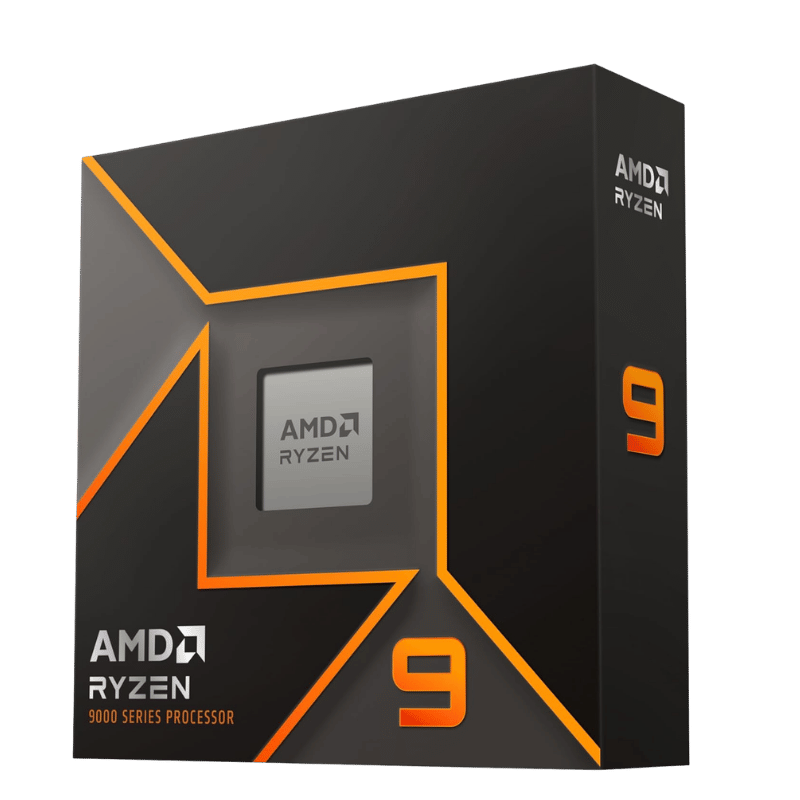
AMD Ryzen 9 9900X
12-core Zen 5 powerhouse with a 5.6 GHz boost clock — ideal for content creators and professionals who need extreme multi-threaded performance on AM5.
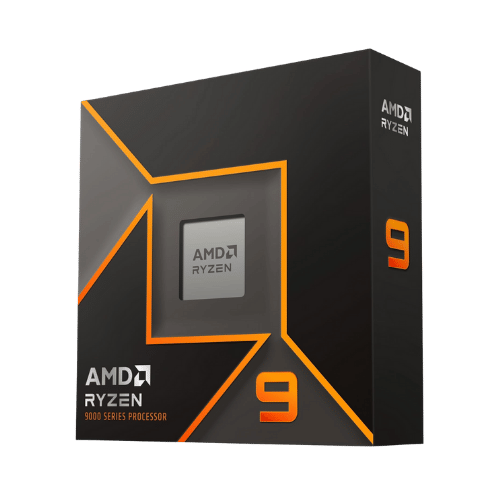
AMD Ryzen 9 9950X
Zen 5 flagship CPU: 16C/32T, 4.3–5.7 GHz, 80MB Cache, AM5, DDR5, PCIe 5.0. 170W TDP. Cooler not included.
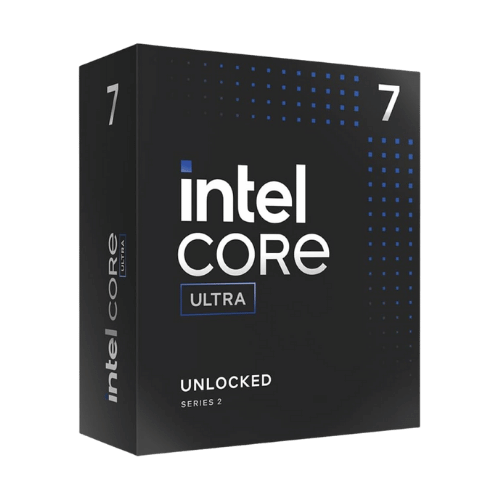
Intel Core Ultra 7 Processor 265K
Arrow Lake-S LGA1851 CPU: 20C/20T (8P+12E), 5.5GHz boost, 30MB L3 Cache. Features NPU for AI workloads. DDR5-6400 & PCIe 5.0 support. Cooler not included.
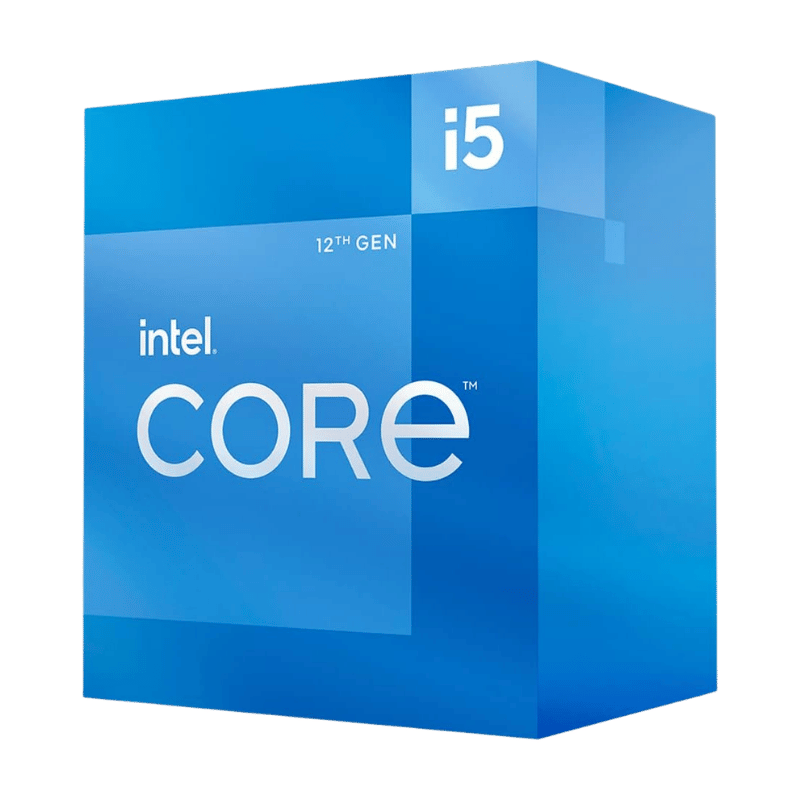
Intel Core i5-12400
The budget gaming CPU that changed the market — 6 P-cores, Intel UHD 730 iGPU, 18 MB L3, and strong 1080p gaming performance at around $130.
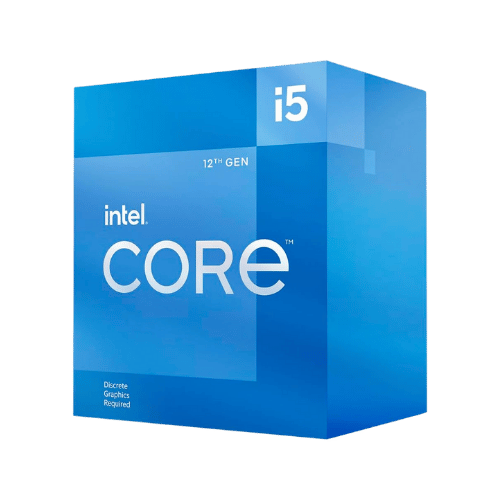
Intel Core i5-12400F
12th Gen 6-core CPU (P-cores only). 2.5–4.4 GHz, 18MB L3 Cache. Supports PCIe 5.0, DDR5/DDR4. 65W base. No iGPU. Includes Intel Laminar RM1 Cooler.
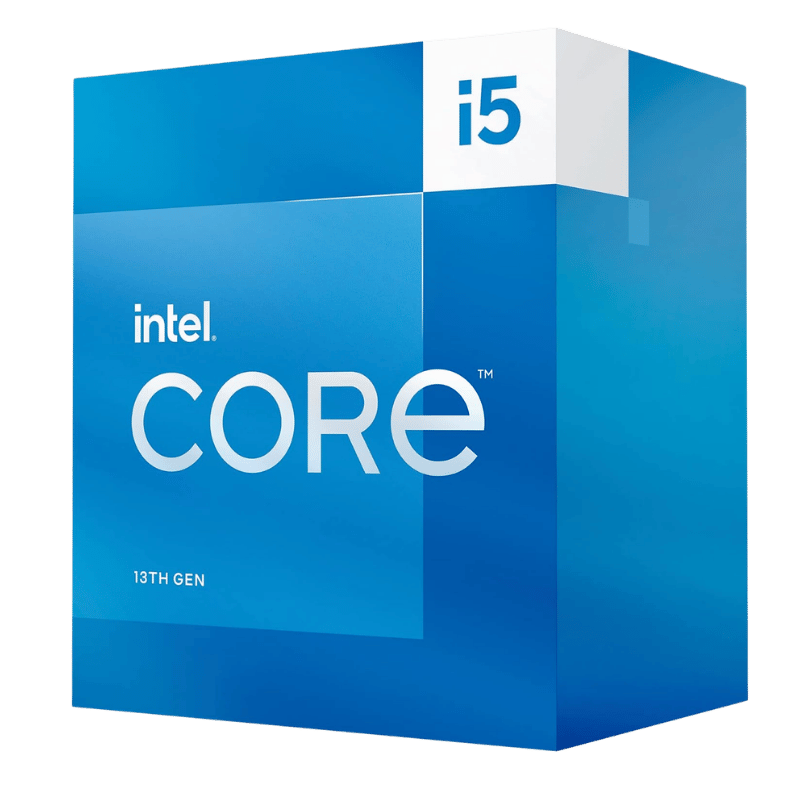
Intel Core i5-13500
14-core Intel workhorse (6P + 8E) with Intel UHD 770 iGPU, 24 MB L3, and outstanding multi-threaded performance for productivity and streaming builds.
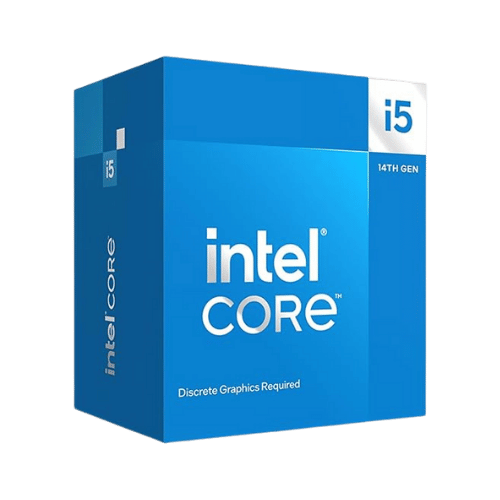
Intel Core i5-14400F
A reliable mid-range workhorse. 14th Gen 10-core (6P+4E) CPU, 4.7GHz turbo, and 65W base power. Includes stock cooler. Requires discrete graphics.
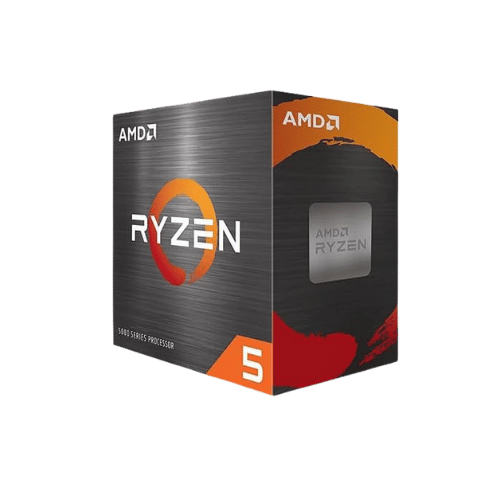
AMD Ryzen 5 5500
Zen 3 value CPU: 6C/12T, 3.6–4.2 GHz, 19MB Total Cache, AM4, DDR4, PCIe 3.0. 65W TDP. Wraith Stealth included.
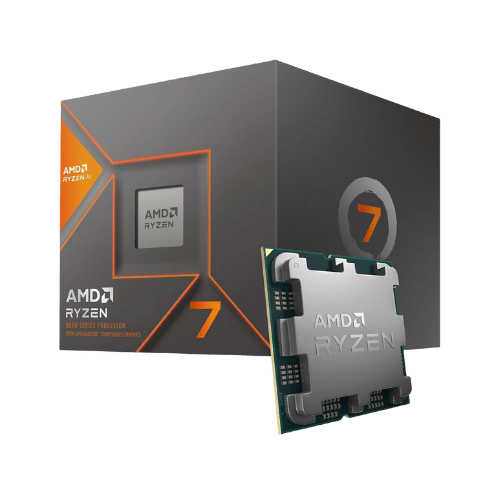
AMD Ryzen 7 8700G
Zen 4 APU: 8C/16T, 4.2–5.1 GHz, 24MB Total Cache, Radeon 780M iGPU, AM5, DDR5, PCIe 4.0. 65W TDP. Wraith Spire included.
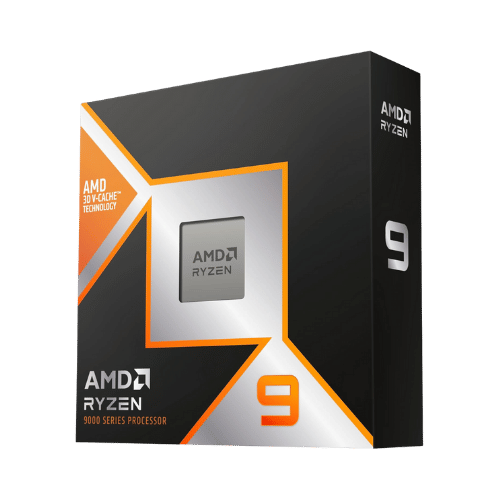
AMD Ryzen 9 9950X3D
The ultimate hybrid. 16-core Zen 5 flagship with 2nd-Gen 3D V-Cache, 5.7GHz boost, and 144MB cache. Uncompromising performance for elite gaming and workstation tasks.
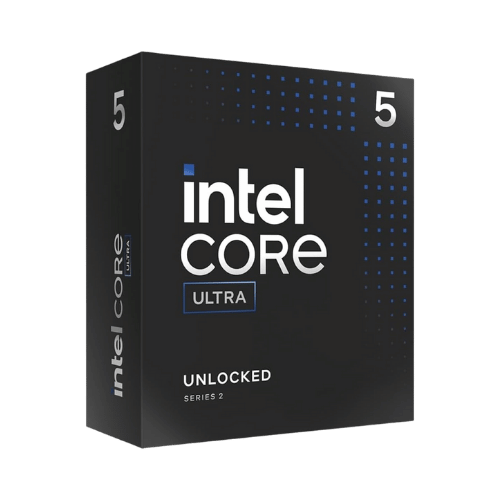
Intel Core Ultra 5 Desktop Processor 245K
Arrow Lake unlocked CPU: 14 cores (6P+8E), 14 threads. Max 5.2 GHz. 24MB L3. Supports PCIe 5.0, DDR5-6400 (CUDIMM). NPU included. 125W base. No cooler.
Intel Core Ultra 7 270K Plus
Intel's Arrow Lake Refresh flagship-tier gaming chip with 24 cores, 5.5 GHz boost, and up to 17% faster gaming than the 265K it replaces.
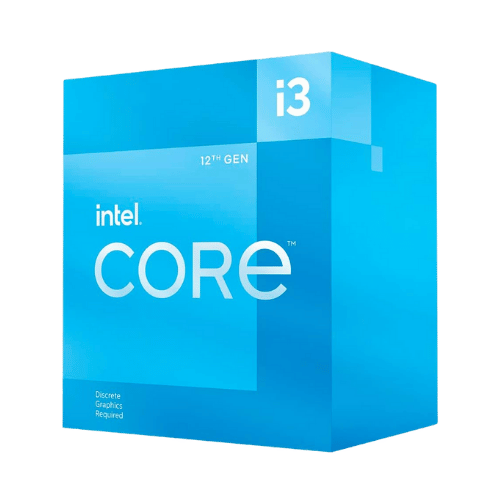
Intel Core i3-12100F
12th Gen 4-core CPU (P-cores only). 3.3–4.3 GHz, 12MB L3 Cache. Supports PCIe 5.0, DDR5/DDR4. 58W base. No iGPU. Includes Intel Laminar RM1 Cooler.
Intel Core i5-12600K
12th Gen hybrid CPU: 10 cores (6P+4E), 16 threads, max 4.9 GHz. Unlocked. Supports PCIe 5.0, DDR5/DDR4. 125W base. No cooler.
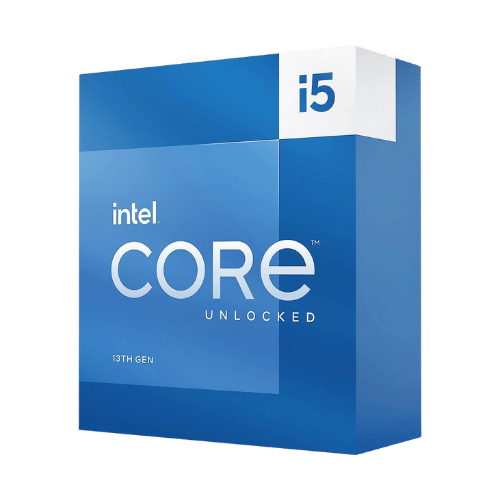
Intel Core i5-13600K
13th Gen i5: 14C/20T (6P+8E), up to 5.1 GHz, 44MB Total Cache, LGA1700, DDR5/DDR4, PCIe 5.0. 125W TDP. Cooler not included.
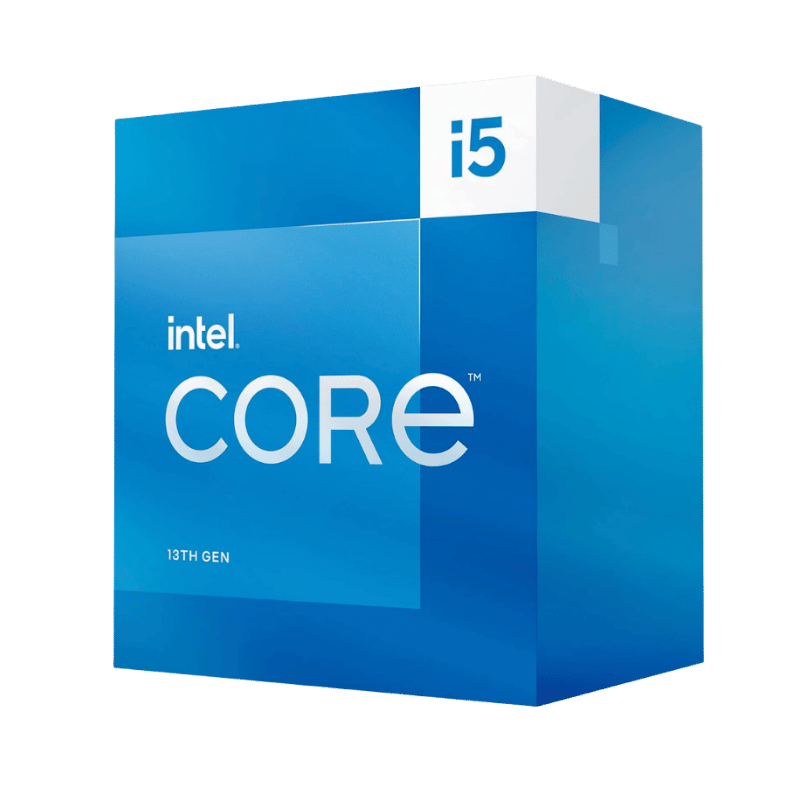
Intel Core i5-14600KF
Intel's highest-clocked mid-range gaming CPU — 14 cores, unlocked multiplier, 5.3 GHz boost, and no iGPU for a lower price than the 14600K.
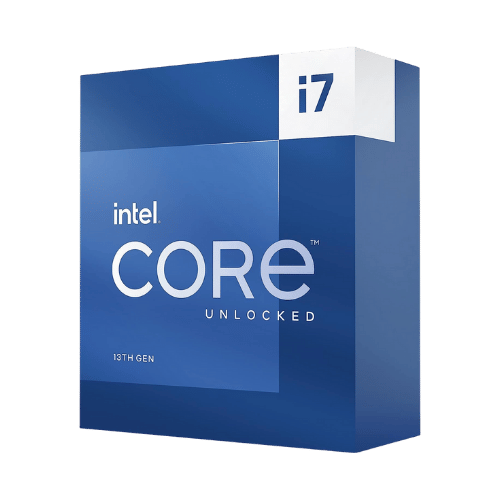
Intel Core i7-13700K
A productivity powerhouse. 13th Gen 16-core (8P+8E) unlocked CPU, 5.4GHz boost, and 253W max power. Delivers i9-class gaming performance at an i7 price point.
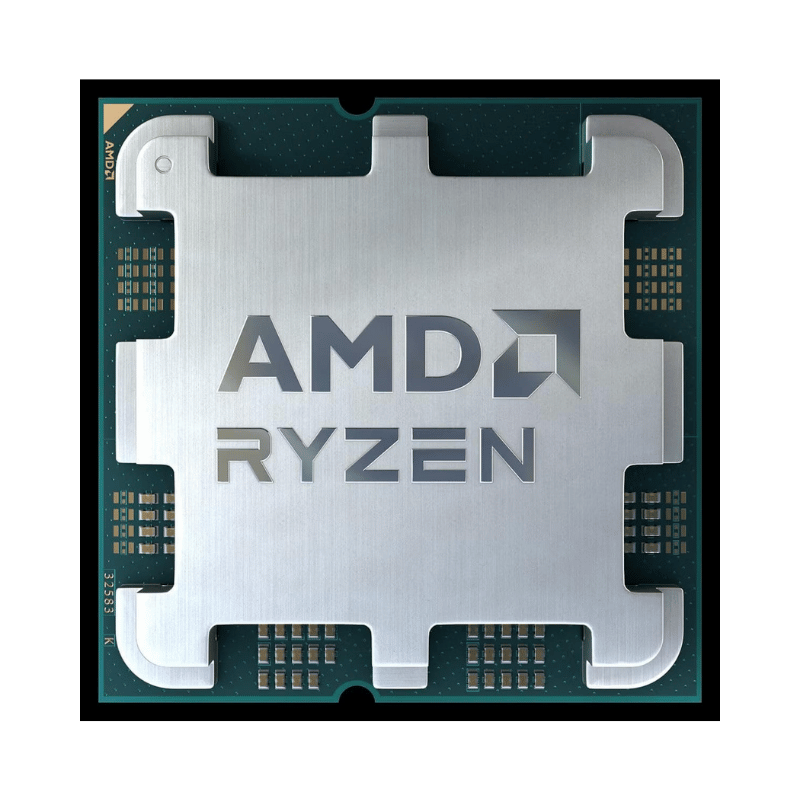
AMD Ryzen 5 7500F
The best value AM5 gaming CPU — Zen 4, 6 cores, PCIe 5.0, DDR5, and near-flagship gaming performance at around $150 with no wasted iGPU silicon.
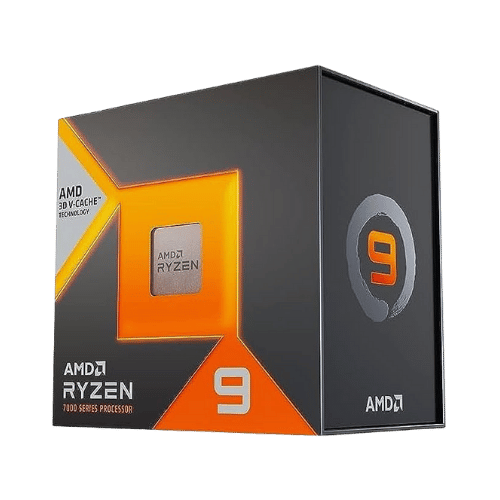
AMD Ryzen 9 7950X3D
Zen 4 flagship CPU: 16C/32T, 4.2–5.7 GHz, 144MB Total Cache, AM5, DDR5, PCIe 5.0. 120W TDP. Cooler not included.
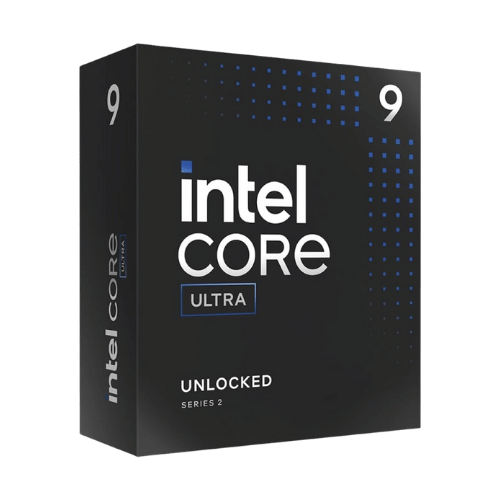
Intel Core Ultra 9 Processor 285K
Core Ultra 9 (Series 2): 24C/24T (8P+16E), 3.7–5.7 GHz, 76MB Total Cache, LGA1851, DDR5, PCIe 5.0. 125W TDP. Cooler not included.
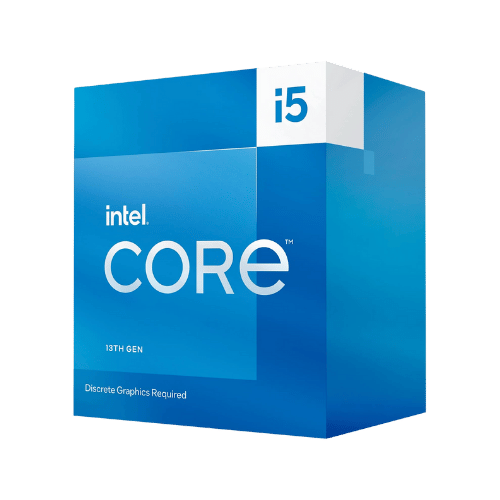
Intel Core i5-13400F
The budget productivity king. 13th Gen 10-core (6P+4E) hybrid CPU, 4.6GHz boost, and 65W TDP. Excellent multitasking value for LGA1700 builds. Discrete GPU required.
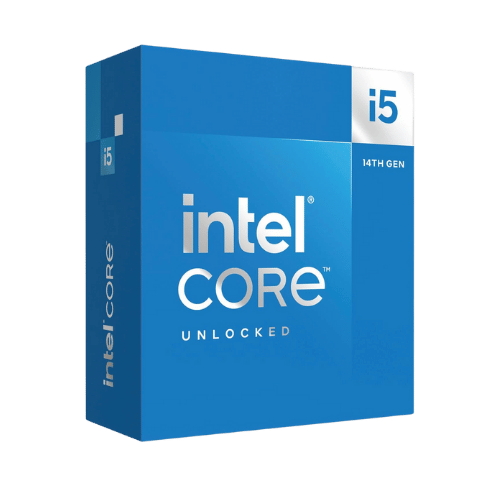
Intel Core i5-14600K
14th Gen i5: 14C/20T (6P+8E), up to 5.3 GHz, 44MB Total Cache, LGA1700, DDR5/DDR4, PCIe 5.0. 125W TDP. Cooler not included.
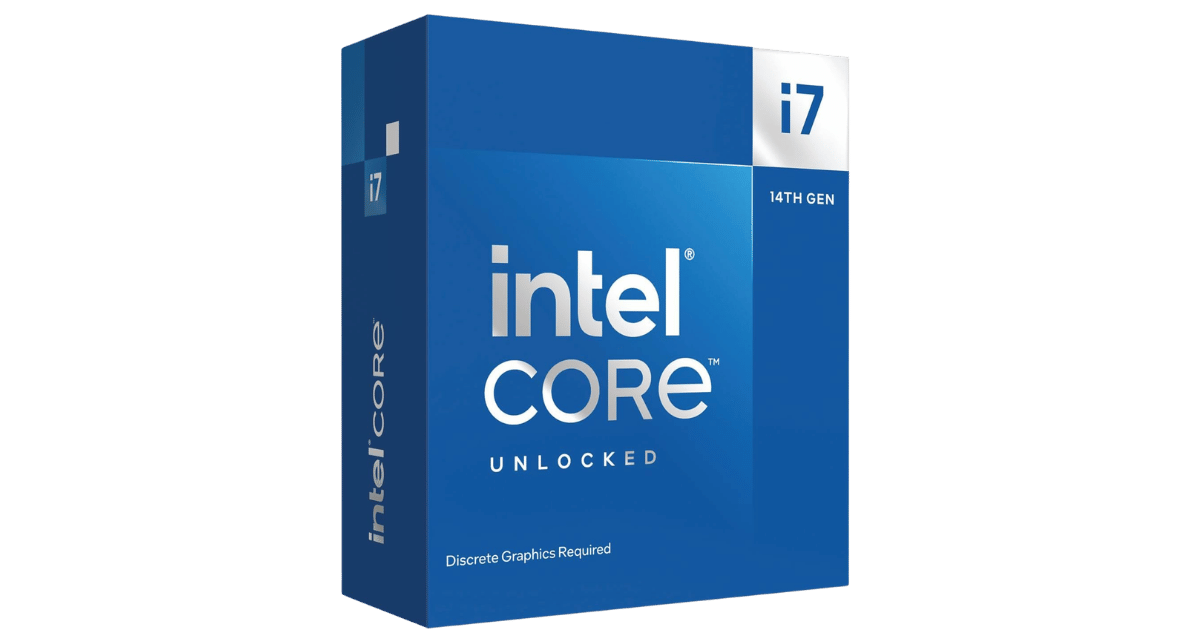
Intel Core i7-14700KF
A 20-core, 28-thread powerhouse with 5.6 GHz boost that closes the gap to the i9 for gaming, streaming, and content creation.
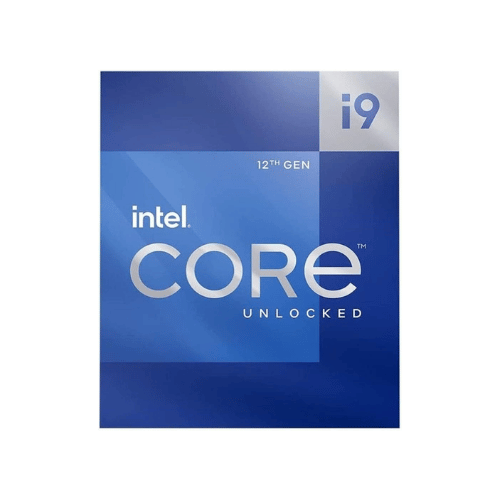
Intel Core i9-12900K
12th Gen flagship: 16 cores (8P+8E), 24 threads, max 5.2 GHz. Unlocked. Supports PCIe 5.0, DDR5/DDR4. 125W base, 241W turbo. No cooler. UHD 770.
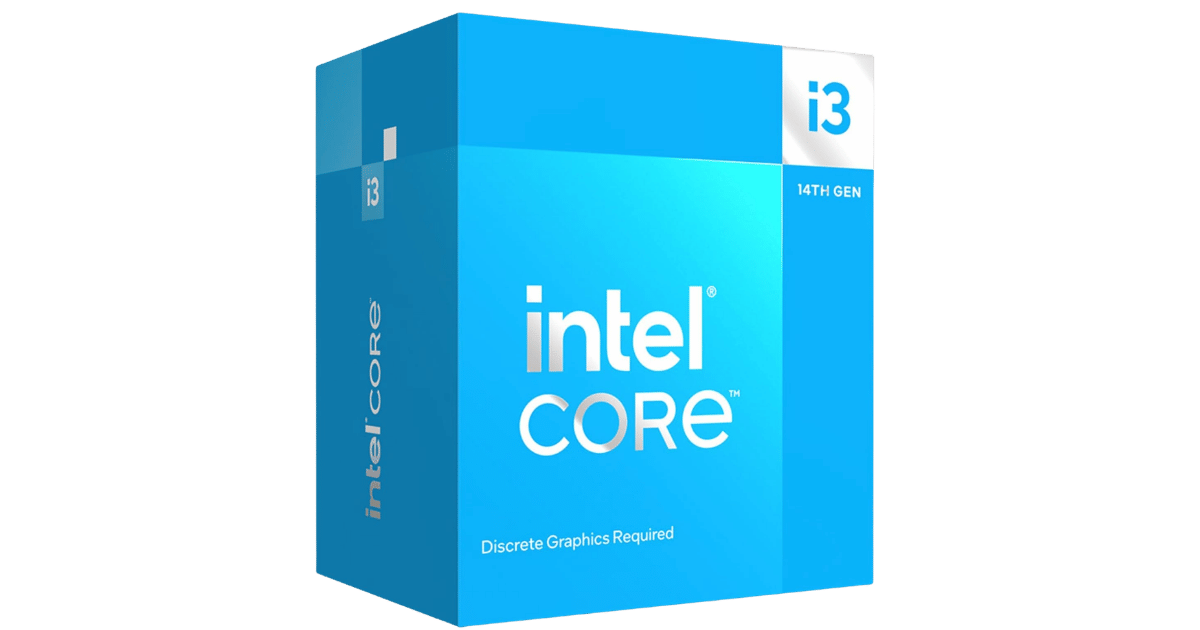
Intel Core i3-14100F
A budget-friendly 4-core/8-thread quad-core with strong single-thread performance for entry-level gaming builds paired with a discrete GPU.
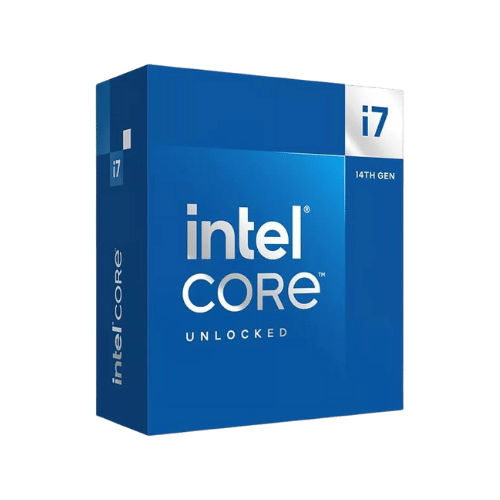
Intel Core i7-14700K
14th Gen i7: 20C/28T (8P+12E), up to 5.6 GHz, 61MB Total Cache, LGA1700, DDR5/DDR4, PCIe 5.0. 125W TDP. Cooler not included.
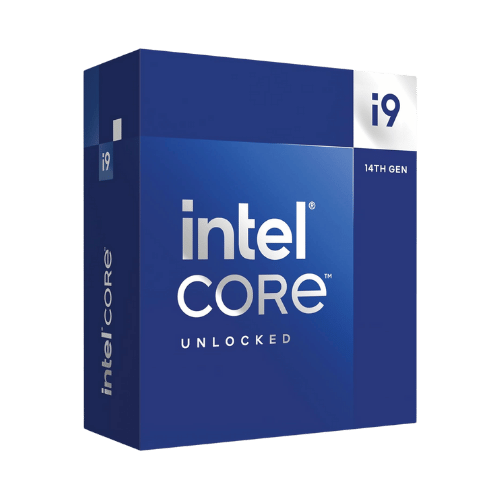
Intel Core i9-14900K
14th Gen Flagship: 24C/32T (8P+16E), up to 6.0 GHz, 68MB Total Cache, LGA1700, DDR5/DDR4, PCIe 5.0. 125W/253W. No cooler.
Intel Core i9-14900KF
Intel's 14th-gen flagship gaming and creator CPU — 24 cores, 32 threads, and a 6.0 GHz single-core boost for maximum desktop performance.
Frequently Asked Questions about Processors
+ What is the best CPU to buy in 2026?
For gaming, AMD Ryzen 7 7800X3D offers exceptional value. For productivity, Intel Core i9-14900K or AMD Ryzen 9 7950X lead performance charts. Budget builders should consider AMD Ryzen 5 7600 or Intel Core i5-14600K for excellent price-to-performance.
+ Is AMD or Intel better for gaming?
AMD currently leads in gaming with their 3D V-Cache technology (Ryzen 7 7800X3D). Intel offers competitive gaming performance and often better value in mid-range options. Both are excellent choices—game benchmarks for your target titles before deciding.
+ How many cores do I need in a CPU?
For gaming and general use, 6-8 cores are ideal. Content creators and streamers benefit from 8-12 cores. Professional workloads may require 16+ cores. More cores don't always mean better performance—single-core speed matters for many applications.
+ Should I upgrade my CPU or GPU first?
For gaming, GPU usually has more impact. For productivity, CPU matters more. Check your usage: if GPU is at 100% while gaming but CPU isn't, upgrade GPU. If your system stutters during multitasking or export tasks, prioritize CPU upgrade.