
Apple AirPods Max (USB-C) vs Sony WH-1000XM4
The AirPods Max (USB-C) weighs in at 0.85 lb, which might feel hefty compared to the 8.96 oz of the Sony WH-1000XM4. In real-world use, the lighter Sony WH-1000XM4 is more comfortable for long listening sessions, making it a great companion for travelers. On the other hand, the Apple AirPods Max (USB-C) integrates seamlessly with the Apple ecosystem and offers class-leading ANC, which is perfect if you're heavily invested in Apple products. This premium choice also boasts 9 microphones, enhancing voice pickup and noise cancellation capabilities. Key specs: Weight: 13.58 oz vs 8.96 oz and Battery: 30h vs 20h.
Why compare these? Both the Apple AirPods Max (USB-C) and Sony WH-1000XM4 are premium flagship headphones competing in the same market segment. This makes them direct rivals for buyers looking for premium flagship features and performance in 2026. Understanding their differences helps you choose the right one for your specific needs.
As an Amazon Associate I earn from qualifying purchases.
Key Differences at a Glance
| Aspect | Apple AirPods | Sony WH-1000XM4 |
|---|---|---|
| User Rating | ✓4.6★ (16,460 reviews) | 4.5★ (623 reviews) |
| Top Strength | Seamless switching and integration within Apple ecosystem | Top-tier Active Noise Cancellation (ANC) |
| Main Drawback | Heavier than most competitors (385g) | No official IP water resistance rating |
| Market Position | Flagship | Flagship |
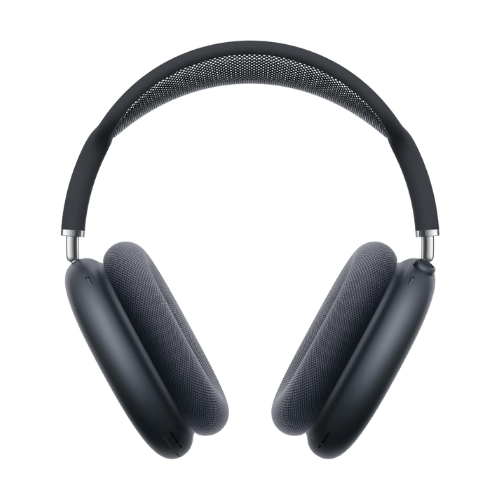
Apple AirPods Max (USB-C)
Over-ear (closed-back)
Bluetooth 5.0; USB-C (charging + lossless wired audio)
5.0
AAC, SBC (Wireless); ALAC (Wired via USB-C)
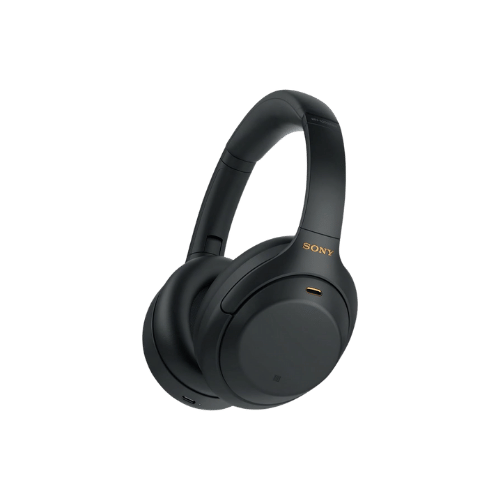
Sony WH-1000XM4
Over-ear (closed-back)
Bluetooth 5.0; 3.5 mm; USB-C (charging only); NFC
Bluetooth 5.0
SBC, AAC, LDAC
Only the specs that differ are shown here. Winners are highlighted when the data is clear.
+Full specs, pros, and cons
Everything side-by-side with ratings and the full spec list.
Expand
Full specs, pros, and cons
Everything side-by-side with ratings and the full spec list.
Comparison: Apple AirPods Max (USB-C) vs Sony WH-1000XM4
Apple AirPods Max (USB-C)
Sony WH-1000XM4
| Criterion | Apple AirPods Max (USB-C) | Sony WH-1000XM4 |
|---|---|---|
| Rating | ★4.6(16,460)Amazon | ★4.5(623)Amazon |
Form Factor | Over-ear (closed-back) | Over-ear (closed-back) |
Connectivity | Bluetooth 5.0; USB-C (charging + lossless wired audio) | Bluetooth 5.0; 3.5 mm; USB-C (charging only); NFC |
Bluetooth Version | 5.0 | Bluetooth 5.0 |
Codecs | AAC, SBC (Wireless); ALAC (Wired via USB-C) | SBC, AAC, LDAC |
ANC | Yes (Pro-level Active Noise Cancellation) | Yes (Industry-leading Digital Noise Cancelling) |
Transparency | Yes (Transparency mode) | Yes (Ambient Sound Mode) |
Drivers | 40mm Apple-designed dynamic driver | 40 mm, Dome type (CCAW Voice coil) |
Frequency Response | Not officially specified | 4 Hz - 40,000 Hz (Wired) |
Microphones | 9 mics (8 for ANC, 3 for voice pickup - 2 shared) | 5 mics (Precise Voice Pickup + Dual Noise Sensor) |
Battery Life | Up to 20 h (with ANC/Spatial Audio) | Up to 30 h (ANC On) / 38 h (ANC Off) |
Battery Life | N/A (Smart Case preserves battery, does not charge) | N/A (Not TWS) |
Charging | USB-C | USB-C (Fast charge: 10 min ≈ 5 h playback) |
Multipoint | Automatic Switching (Apple ecosystem only) | Yes (2 devices) |
Low Latency Mode | Ultra-low latency via USB-C (wired) | No (Video sync is good, but no dedicated Gaming Mode) |
Wired Mode | Yes (Lossless digital audio via USB-C cable) | Yes (3.5 mm) |
Water Resistance | None | No IP Rating |
Weight | 0.85 lb (385 g) | 254 g (8.96 oz) |
Controls | Digital Crown (volume/control), Noise Control button | Touch sensor (Right earcup); Physical buttons (Power, Custom) |
App Eq | iOS Settings (Headphone Accommodations) | Sony Headphones Connect (5-band EQ + Clear Bass) |
Extras | Personalized Spatial Audio; Find My support; Smart Case (low power mode) | Speak-to-Chat; DSEE Extreme; Wearing Detection (Auto-pause); 360 Reality Audio |
| Pros |
|
|
| Cons |
|
|
As an Amazon Associate I earn from qualifying purchases. | Check Price on Amazon→ | Check Price on Amazon→ |
Apple AirPods Max (USB-C)
Over-ear (closed-back)
Bluetooth 5.0; USB-C (charging + lossless wired audio)
5.0
AAC, SBC (Wireless); ALAC (Wired via USB-C)
Yes (Pro-level Active Noise Cancellation)
Yes (Transparency mode)
Pros
- Seamless switching and integration within Apple ecosystem
- Class-leading ANC and Transparency modes
Cons
- Heavier than most competitors (385g)
- Smart Case offers minimal physical protection
Sony WH-1000XM4
Over-ear (closed-back)
Bluetooth 5.0; 3.5 mm; USB-C (charging only); NFC
Bluetooth 5.0
SBC, AAC, LDAC
Yes (Industry-leading Digital Noise Cancelling)
Yes (Ambient Sound Mode)
Pros
- Top-tier Active Noise Cancellation (ANC)
- Excellent folding design (more portable than XM5)
Cons
- No official IP water resistance rating
- Microphone quality is good, but not best-in-class anymore
Which one is better?
Grab the Apple AirPods Max (USB-C) if you prioritize seamless Apple integration and superior ANC performance.
Who should buy each?
Choose the Apple AirPods Max (USB-C) if: you want top-tier ANC, need seamless Apple ecosystem integration, or value premium build quality. (13.58 oz weight)
Choose the Sony WH-1000XM4 if: you prioritize longer battery life, prefer a lighter design for all-day comfort, or need excellent folding portability. (8.96 oz weight)
Quality Seekers
Higher user rating (4.6★ vs 4.5★) indicates better overall satisfaction
→ Choose Apple AirPods
Safe Choice Buyers
More widely tested with 16,460 reviews vs 623
→ Choose Apple AirPods
Seamless switching and Priority
Seamless switching and integration within Apple ecosystem
→ Choose Apple AirPods
Top-tier Active Noise Priority
Top-tier Active Noise Cancellation (ANC)
→ Choose Sony WH-1000XM4
Conclusion
There is no wrong answer here. Focus on the features you will use daily and pick the model that aligns with them.
Bottom line: The Apple AirPods Max (USB-C) edges ahead with a 4.6★ rating compared to 4.5★. However, Sony WH-1000XM4 remains a strong contender if its strengths align better with your needs.
Frequently Asked Questions
+Which is better: Apple AirPods Max (USB-C) or Sony WH-1000XM4?
Apple AirPods Max (USB-C) is the better choice if you prioritize seamless switching and integration within apple ecosystem. Sony WH-1000XM4 wins if you value top-tier active noise cancellation (anc). Both are rated highly (4.6★ vs 4.5★), so consider your specific needs and budget.
+What are the main differences between Apple AirPods Max (USB-C) and Sony WH-1000XM4?
Key differences: Apple AirPods Max (USB-C) offers seamless switching and integration within apple ecosystem, while Sony WH-1000XM4 stands out with top-tier active noise cancellation (anc). Consider that Apple AirPods Max (USB-C) heavier than most competitors (385g). Meanwhile, Sony WH-1000XM4 no official ip water resistance rating. Check the detailed specs table above for a complete comparison.
+What should I prioritize when choosing between these headphones?
Focus on the features that matter most for your daily use. Apple AirPods Max (USB-C) stands out for seamless switching and integration within apple ecosystem and class-leading anc and transparency modes. Sony WH-1000XM4 excels at top-tier active noise cancellation (anc) and excellent folding design (more portable than xm5). Check the spec table above for the complete side-by-side breakdown.
Affiliate disclosure
PageBen uses Amazon affiliate links. If you purchase through our links, we may earn a commission at no extra cost to you. This supports independent content for US shoppers.