
ASUS ROG Phone 8 Pro vs Apple iPhone SE (3rd Gen)
The ASUS ROG Phone 8 Pro is the flagship option here, boasting a massive 6.78-inch display compared to the compact 4.7-inch screen of the Apple iPhone SE (3rd Gen). However, the iPhone SE offers the most affordable entry into the Apple ecosystem, with a surprisingly powerful A15 Bionic chip. Yet, its design feels dated, and for those who crave a vibrant display, the ROG Phone's OLED panel wins hands down with peak brightness of 2,500 nits. Key specs: Display: 6.78" vs 4.7" and Refresh: 165 Hz vs 60 Hz.
Why compare these? The ASUS ROG Phone 8 Pro (premium flagship) and Apple iPhone SE (3rd Gen) (budget-friendly) represent different approaches to smartphones. While they may appeal to different budgets, many buyers consider both options. This 2026 comparison helps you decide if the differences justify the price gap.
As an Amazon Associate I earn from qualifying purchases.
Key Differences at a Glance
| Aspect | ASUS ROG | Apple iPhone |
|---|---|---|
| User Rating | ✓4.7★ (63 reviews) | 4.5★ (225 reviews) |
| Top Strength | First ROG phone with IP68 water/dust resistance and telephoto lens | Most affordable entry point into the new iPhone ecosystem |
| Main Drawback | Software support (2 OS updates) lags behind Samsung/Google flagships | Dated design with thick top and bottom bezels |
| Market Position | ✓Flagship | Budget |
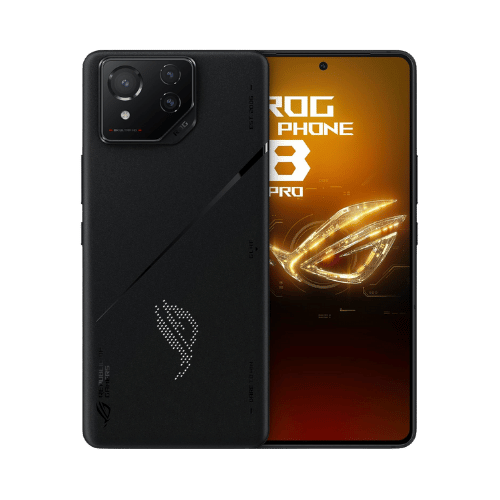
ASUS ROG Phone 8 Pro
Android
2 major OS updates and 4 years of security updates
Qualcomm Snapdragon 8 Gen 3 (SM8650)
Adreno 750
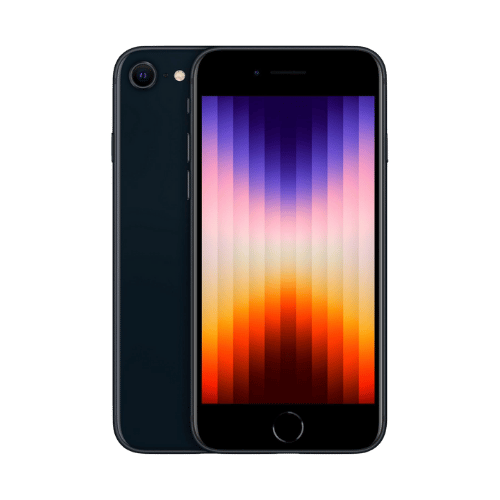
Apple iPhone SE (3rd Gen)
iOS
Typically 6+ years of OS updates from release (2022)
Apple A15 Bionic (5nm)
Apple GPU (4-core graphics)
Only the specs that differ are shown here. Winners are highlighted when the data is clear.
+Full specs, pros, and cons
Everything side-by-side with ratings and the full spec list.
Expand
Full specs, pros, and cons
Everything side-by-side with ratings and the full spec list.
Comparison: ASUS ROG Phone 8 Pro vs Apple iPhone SE (3rd Gen)
ASUS ROG Phone 8 Pro
Apple iPhone SE (3rd Gen)
| Criterion | ASUS ROG Phone 8 Pro | Apple iPhone SE (3rd Gen) |
|---|---|---|
| Rating | ★4.7(63)Best Buy | ★4.5(225)Best Buy |
Operating System | Android | iOS |
Software Support | 2 major OS updates and 4 years of security updates | Typically 6+ years of OS updates from release (2022) |
Processor | Qualcomm Snapdragon 8 Gen 3 (SM8650) | Apple A15 Bionic (5nm) |
Graphics | Adreno 750 | Apple GPU (4-core graphics) |
RAM | 16GB LPDDR5X (Pro Edition: 24GB) | 4GB |
Storage | 512GB UFS 4.0 (Pro Edition: 1TB) | 64GB / 128GB / 256GB NVMe |
Display Size | 6.78" | 4.7" |
Screen Type | Samsung E6 Flexible AMOLED, LTPO, 1,600 nits (HBM) | Retina HD LCD (IPS) |
Resolution | 2400 x 1080 (FHD+) | 1334 x 750 pixels (326 ppi) |
Refresh Rate | 1Hz–120Hz (Adaptive); 165Hz (Gaming mode) | 60Hz |
Peak Brightness | 2,500 nits | 625 nits (Typical) |
Main Camera | 50MP Sony IMX890, f/1.9, 6-axis Hybrid Gimbal Stabilizer 3.0 | 12MP Wide, f/1.8, OIS, Digital Zoom up to 5x |
Ultra-Wide Camera | 13MP, f/2.2, 120-degree FOV, Free-form lens | No (Not supported) |
Telephoto Camera | 32MP, f/2.4, OIS, 3x Optical Zoom (Not periscope) | No (Not supported) |
Optical Zoom | 3x Optical | No (Not supported) |
Digital Zoom | Up to 30x (Hyper Clarity AI up to 10x) | Up to 5x |
Video Recording | 8K UHD @ 24fps; 4K UHD @ 30/60fps; HDR10+ | 4K @ 60fps; 1080p @ 60fps; Slo-mo 1080p @ 240fps |
Front Camera | 32MP RGBW, f/2.5, 90-degree FOV (Bins to 8MP) | 7MP FaceTime HD, f/2.2, 1080p @ 30fps |
Battery | 5,500mAh (Dual-cell) | 2,018mAh (Approximate) |
Wired Charging | 65W HyperCharge (Adapter included) | 20W Fast Charging (50% in 30 min) via Lightning |
Wireless Charging | 15W Qi 1.3 Wireless Charging | 7.5W Qi Wireless (No MagSafe magnetic alignment) |
Connectivity | 5G (Sub-6/mmWave), Wi-Fi 7 (802.11be), Bluetooth 5.4, NFC | 5G (Sub-6 GHz only - No mmWave), Wi-Fi 6 (802.11ax), Bluetooth 5.0, NFC |
USB | Side: USB-C 3.2 Gen 2 (DisplayPort 1.4); Bottom: USB-C 2.0 | Lightning Connector (USB 2.0 speeds) |
Durability | IP68 (Dust/Water Resistant); Corning Gorilla Glass Victus 2 (Front) | IP67 (Dust/Water Resistant up to 1m for 30 min); Ion-strengthened glass |
Dimensions | 6.45 x 3.02 x 0.35 in (163.8 x 76.8 x 8.9 mm) | 5.45 x 2.65 x 0.29 in (138.4 x 67.3 x 7.3 mm) |
Weight | 7.94 oz (225 g) | 5.09 oz (144 g) |
Biometrics | Optical under-display fingerprint sensor, Face Unlock | Touch ID (Fingerprint sensor in Home button) |
Extras | AniMe Vision (341 Mini-LEDs on back), AirTrigger buttons, 3.5mm Headphone Jack, Dual USB-C ports | Stereo speakers, Dual SIM (nano-SIM and eSIM), Dual eSIM support |
| Pros |
|
|
| Cons |
|
|
As an Amazon Associate I earn from qualifying purchases. | Check Price on Amazon→ | Check Price on Amazon→ |
ASUS ROG Phone 8 Pro
Android
2 major OS updates and 4 years of security updates
Qualcomm Snapdragon 8 Gen 3 (SM8650)
Adreno 750
16GB LPDDR5X (Pro Edition: 24GB)
512GB UFS 4.0 (Pro Edition: 1TB)
Pros
- First ROG phone with IP68 water/dust resistance and telephoto lens
- Incredible performance with advanced thermal management features
Cons
- Software support (2 OS updates) lags behind Samsung/Google flagships
- Battery capacity reduced (5,500mAh) compared to previous generation (6,000mAh)
Apple iPhone SE (3rd Gen)
iOS
Typically 6+ years of OS updates from release (2022)
Apple A15 Bionic (5nm)
Apple GPU (4-core graphics)
4GB
64GB / 128GB / 256GB NVMe
Pros
- Most affordable entry point into the new iPhone ecosystem
- Compact and lightweight design is easy to use with one hand
Cons
- Dated design with thick top and bottom bezels
- Small 4.7-inch LCD screen lacks the vibrancy of OLED competitors
Which one is better?
Key specs: Display: 6.78" vs 4.7" and Refresh: 165 Hz vs 60 Hz.
Who should buy each?
Choose the ASUS ROG Phone 8 Pro if: you play a lot of mobile games, need a vibrant display for streaming, or want a long-lasting battery. (6.78" display, 165 Hz refresh)
Choose the Apple iPhone SE (3rd Gen) if: you want an affordable entry into the iPhone ecosystem, prefer a compact design, or mainly use your phone for basic tasks. (4.7" display, 60 Hz refresh)
Quality Seekers
Higher user rating (4.7★ vs 4.5★) indicates better overall satisfaction
→ Choose ASUS ROG
Safe Choice Buyers
More widely tested with 225 reviews vs 63
→ Choose Apple iPhone
Premium Buyers
Higher-tier option with more premium features and build quality
→ Choose ASUS ROG
Value Seekers
Better value proposition for buyers who don't need top-tier features
→ Choose Apple iPhone
Conclusion
There is no wrong answer here. Focus on the features you will use daily and pick the model that aligns with them.
Bottom line: The ASUS ROG Phone 8 Pro edges ahead with a 4.7★ rating compared to 4.5★. However, Apple iPhone SE (3rd Gen) remains a strong contender if its strengths align better with your needs.
Frequently Asked Questions
+Which is better: ASUS ROG Phone 8 Pro or Apple iPhone SE (3rd Gen)?
ASUS ROG Phone 8 Pro is the better choice if you prioritize first rog phone with ip68 water/dust resistance and telephoto lens. Apple iPhone SE (3rd Gen) wins if you value most affordable entry point into the new iphone ecosystem. Both are rated highly (4.7★ vs 4.5★), so consider your specific needs and budget.
+What are the main differences between ASUS ROG Phone 8 Pro and Apple iPhone SE (3rd Gen)?
Key differences: ASUS ROG Phone 8 Pro offers first rog phone with ip68 water/dust resistance and telephoto lens, while Apple iPhone SE (3rd Gen) stands out with most affordable entry point into the new iphone ecosystem. Consider that ASUS ROG Phone 8 Pro software support (2 os updates) lags behind samsung/google flagships. Meanwhile, Apple iPhone SE (3rd Gen) dated design with thick top and bottom bezels. Check the detailed specs table above for a complete comparison.
+What should I prioritize when choosing between these smartphones?
Focus on the features that matter most for your daily use. ASUS ROG Phone 8 Pro stands out for first rog phone with ip68 water/dust resistance and telephoto lens and incredible performance with advanced thermal management features. Apple iPhone SE (3rd Gen) excels at most affordable entry point into the new iphone ecosystem and compact and lightweight design is easy to use with one hand. Check the spec table above for the complete side-by-side breakdown.
Affiliate disclosure
PageBen uses Amazon affiliate links. If you purchase through our links, we may earn a commission at no extra cost to you. This supports independent content for US shoppers.