
COROS VERTIX 2S vs Garmin fēnix 8 (47mm AMOLED)
COROS VERTIX 2S vs Garmin fēnix 8 (47mm AMOLED): which is the right fit? We cover performance, value, and use cases to make the call easier.
As an Amazon Associate I earn from qualifying purchases.
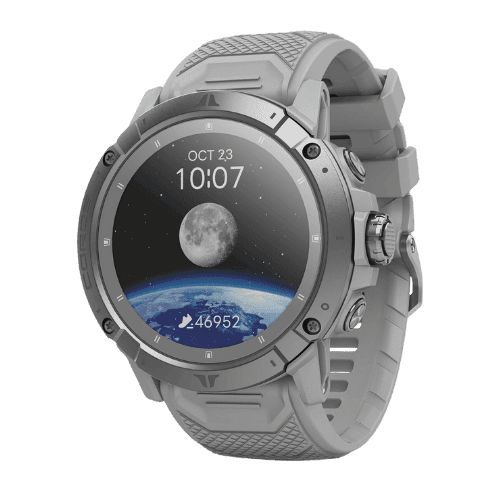
COROS VERTIX 2S

Garmin fēnix 8 (47mm AMOLED)
Comparison: COROS VERTIX 2S vs Garmin fēnix 8 (47mm AMOLED)
COROS VERTIX 2S
Garmin fēnix 8 (47mm AMOLED)
| Criterion | COROS VERTIX 2S | Garmin fēnix 8 (47mm AMOLED) |
|---|---|---|
| Rating | ★4(89)Amazon | ★4.6(1,856)Amazon |
Compatibility | Android and iOS (via COROS app) | iPhone, Android (Garmin Connect app required) |
Operating System | COROS UI | Garmin OS (Proprietary) |
Case Size | 50.3mm (50.3 x 50.3 x 16.0 mm / 1.98 x 1.98 x 0.63 in) | 47mm x 47mm x 13.8mm |
Case Material | Bezel: Grade 5 Titanium Alloy with PVD coating; Body: Titanium Alloy with PVD coating; Glass: Sapphire crystal | Fiber-reinforced polymer with metal rear cover; Bezel: Titanium or Stainless Steel; Lens: Sapphire Crystal or Corning Gorilla Glass |
Display Type | Transflective Memory-in-Pixel (LCD) touchscreen | AMOLED; Always-On Mode available; 1000 nits peak brightness |
Display Size | 1.4 in | 1.4 in (35.56 mm) diameter |
Resolution | 280 x 280 pixels (64 colors) | 454 x 454 pixels |
Always On Display | Yes (Memory LCD technology) | Yes (optional) |
Water Resistance | 10 ATM (100 m) | 10 ATM (water pressure equivalent to 100 meters); Dive rated (EN13319) to 40 meters |
Durability | Operating temp: -22°F to 122°F (-30°C to 50°C); scratch-resistant sapphire; titanium chassis | MIL-STD-810H thermal/shock/water tested; Leakproof inductive buttons; Metal sensor guard |
GPS | Dual-Frequency GNSS (L1 + L5); GPS, GLONASS, Galileo, Beidou, QZSS | Multi-band GNSS with SatIQ technology; GPS, GLONASS, Galileo, QZSS, BeiDou |
Connectivity | Bluetooth, Wi-Fi (for data sync and firmware updates) | Bluetooth; ANT+; Wi-Fi |
NFC Payments | No (Not supported) | Garmin Pay |
Sensors | Next-Gen Optical Heart Rate; Barometric Altimeter; Accelerometer; Gyroscope; 3D Compass; Thermometer; Optical Pulse Oximeter; ECG Sensor | Elevate Gen 5 optical heart rate sensor; Pulse Ox blood oxygen saturation monitor; Barometric altimeter; Compass; Gyroscope; Accelerometer; Thermometer; Ambient light sensor; Depth sensor (up to 40m) |
Health Features | HRV Index; Sleep tracking (REM/Deep/Light); SpO2 (Altitude mode); Daily Stress; Recovery time; Resting Heart Rate | Body Battery energy monitoring; Sleep Score and advanced sleep monitoring; HDR (High Dynamic Range) Heart Rate; HRV Status; Pulse Ox; Nap detection; Jet Lag Adviser; Health Snapshot |
Workout Modes | Multi-pitch climbing, Trail Running, Hiking, Skiing (XC/Touring/Downhill), Surfing (Speed/Wind), Whitewater, Triathlon, Strength | Advanced Strength Training (sport-specific); Recreational Scuba Diving (Single Gas); Apnea Diving; HIIT; Trail Run; Ultra Run; Triathlon; Skiing; Surfing; Golf (43,000+ courses); and 100+ others |
Storage | 32 GB (Music storage and Maps) | 32GB |
Speaker Mic | No (Beep alerts and vibration only) | Built-in Speaker; Built-in Microphone (Voice Assistant & Voice Notes) |
Calls | No (Notification alerts only) | Yes (Make and take calls via Bluetooth connection to smartphone) |
Battery | Up to 40 days (Daily Use); 118 hours (Standard Full GPS); 73 hours (All Systems On); 43 hours (Dual Frequency) | Smartwatch mode: Up to 16 days (7 days always-on); GPS Only: Up to 47 hours (37 hours always-on); Expedition GPS: Up to 14 days |
Charging | COROS proprietary charging cable (USB-A) | Garmin proprietary plug charger (clip-on data cable) |
Weight | 87 g (with Silicone band) / 70 g (with Nylon band) / 61 g (Body only) | Stainless Steel: 80g (Case only: 59g); Titanium: 73g (Case only: 52g) |
Band Sizes | Silicone: 130–240 mm; Nylon: 155–225 mm; 26 mm Quick Fit width | Fits wrists 125–208mm (Silicone); QuickFit 22mm compatible |
Extras | Global offline landscape/topo maps; Music playback (MP3 via Bluetooth); GoPro/Insta360 camera control; Digital Dial navigation; Storm alerts | Built-in LED Flashlight (Red/White strobes); Dynamic Round-Trip Routing; Garmin Messenger app; Outdoor Maps+ (subscription optional); SkiView Maps |
| Pros |
|
|
| Cons |
|
|
As an Amazon Associate I earn from qualifying purchases. | Check Price on Amazon→ | Check Price on Amazon→ |
COROS VERTIX 2S
✓ Pros:
- • Class-leading battery life (118 hours standard GPS, 40 days daily use)
- • Updated next-gen heart rate sensor for improved accuracy over Vertix 2
- • Dual-frequency GNSS provides rock-solid tracking in steep terrain
- • Bombproof build quality with full titanium body and sapphire glass
- • 32GB storage for offline global maps and music without phone dependency
✗ Cons:
- • No NFC payments or streaming music support (Spotify/Apple Music)
- • Large 50.3mm case is very bulky for smaller wrists
- • Screen is less vibrant and lower resolution than AMOLED competitors
- • No built-in speaker or microphone for voice notes or calls
As an Amazon Associate I earn from qualifying purchases.
Garmin fēnix 8 (47mm AMOLED)
✓ Pros:
- • Stunning 1.4" AMOLED display with efficient 16-day battery life
- • Legitimate dive computer features (rated to 40m) with leakproof buttons
- • Built-in LED flashlight and speaker/mic add massive daily utility
- • Comprehensive offline mapping and best-in-class GPS accuracy
- • Advanced strength training plans tailored to specific sports
✗ Cons:
- • High price point compared to previous generations and competitors
- • No LTE/Cellular option for standalone calls (requires phone nearby)
- • Titanium models with Sapphire glass command a significant premium
- • Proprietary charging cable (not wireless/Qi standard)
As an Amazon Associate I earn from qualifying purchases.
Which one is better?
Based on ratings and feature balance, Garmin fēnix 8 (47mm AMOLED) has a slight edge for overall satisfaction. COROS VERTIX 2S remains a strong alternative if its strengths match your needs.
Who should buy each?
For performance and polish: COROS VERTIX 2S (Class-leading battery life (118 hours standard GPS, 40 days daily use), Updated next-gen heart rate sensor for improved accuracy over Vertix 2)
For value or versatility: Garmin fēnix 8 (47mm AMOLED) (Stunning 1.4" AMOLED display with efficient 16-day battery life, Legitimate dive computer features (rated to 40m) with leakproof buttons)
Conclusion
With the key differences outlined, the decision should be clearer. Both options deliver quality—choose the one that fits your priorities.
Frequently Asked Questions
+Which has better value?
COROS VERTIX 2S excels if you value class-leading battery life (118 hours standard gps, 40 days daily use). Garmin fēnix 8 (47mm AMOLED) is better if you prioritize stunning 1.4" amoled display with efficient 16-day battery life. Pick based on your budget and daily use.
+Is this an independent review?
Yes. We use affiliate links for monetization, but recommendations are research-driven and unbiased.
+Do newer models exist?
Check release timelines from the manufacturers and compare pricing before you buy. We refresh this page when major updates land.
Affiliate disclosure
PageBen uses Amazon affiliate links. If you purchase through our links, we may earn a commission at no extra cost to you. This supports independent content for US shoppers.