
Fitbit Sense 2 vs Garmin Forerunner 165
The Fitbit Sense 2 and Garmin Forerunner 165 are both exceptional smartwatches catering to fitness enthusiasts, yet they adopt different philosophies in their designs and features. The Fitbit Sense 2 focuses on comprehensive health monitoring, offering unique features like continuous stress tracking and a wide array of health sensors, making it an appealing choice for users keen on holistic wellness. Meanwhile, the Garmin Forerunner 165 emphasizes performance and battery life, providing robust GPS capabilities and impressive endurance, which is particularly suited for athletes and outdoor adventurers looking for a reliable companion during their workouts and activities.
Why compare these? Both the Fitbit Sense 2 and Garmin Forerunner 165 are mid-range smartwatches competing in the same market segment. This makes them direct rivals for buyers looking for mid-range features and performance in 2026. Understanding their differences helps you choose the right one for your specific needs.
As an Amazon Associate I earn from qualifying purchases.
Key Differences at a Glance
| Aspect | Fitbit Sense | Garmin Forerunner |
|---|---|---|
| User Rating | 4.1★ (9,720 reviews) | ✓4.6★ (1,697 reviews) |
| Top Strength | Continuous EDA (cEDA) stress tracking is unique among fitness wearables | AMOLED display is vivid and always-on — a first at this Garmin price tier |
| Main Drawback | Best health insights require a Fitbit Premium subscription | No multi-band/dual-frequency GPS — less precise than Forerunner 265 in cities |
| Market Position | Mid-range | Mid-range |
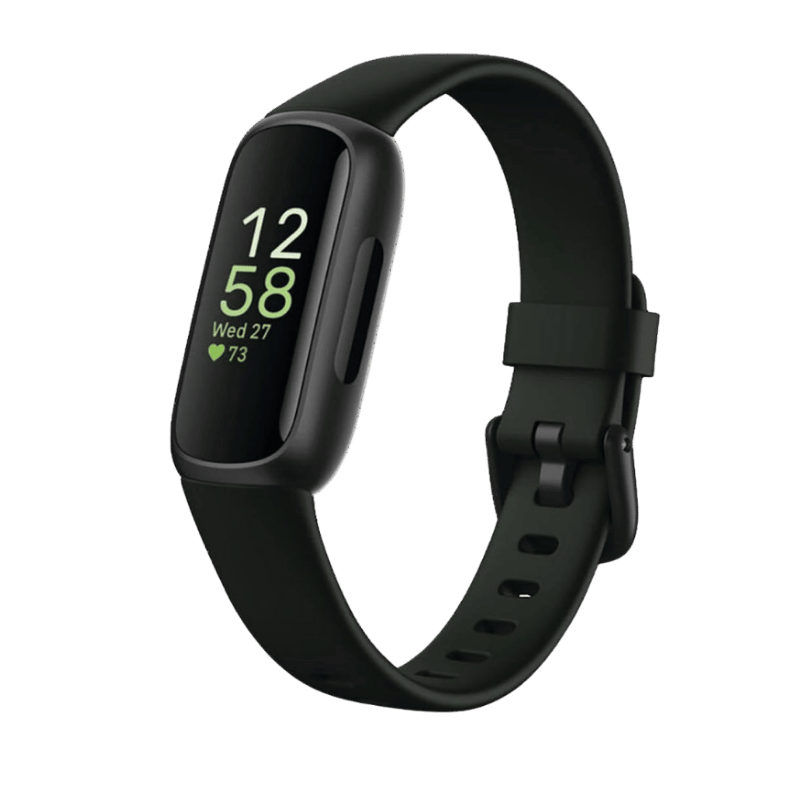
Fitbit Sense 2
1.58 inches
AMOLED color touchscreen
336 x 336 pixels
GPS (built-in), optical heart rate, ECG (single-lead), cEDA (continuous electrodermal activity), SpO2, skin temperature, altimeter, accelerometer
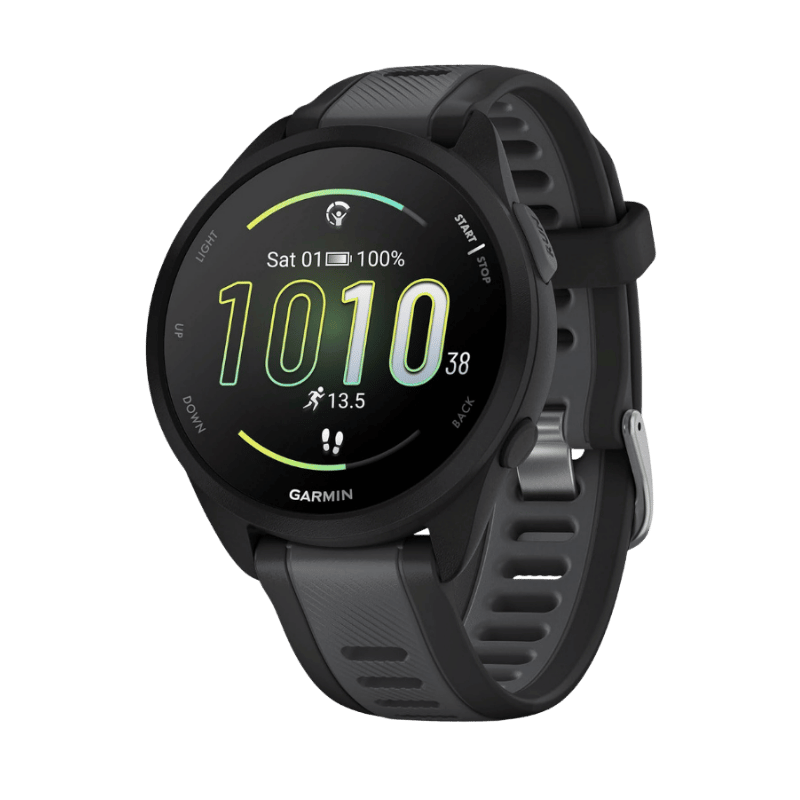
Garmin Forerunner 165
1.2 inches
AMOLED, always-on capable
390 x 390 pixels
4 GB (music playback supported via Spotify, Deezer)
Only the specs that differ are shown here. Winners are highlighted when the data is clear.
+Full specs, pros, and cons
Everything side-by-side with ratings and the full spec list.
Expand
Full specs, pros, and cons
Everything side-by-side with ratings and the full spec list.
Comparison: Fitbit Sense 2 vs Garmin Forerunner 165
Fitbit Sense 2
Garmin Forerunner 165
| Criterion | Fitbit Sense 2 | Garmin Forerunner 165 |
|---|---|---|
| Rating | ★4.1(9,720)Amazon | ★4.6(1,697)Amazon |
Display Size | 1.58 inches | 1.2 inches |
Screen Type | AMOLED color touchscreen | AMOLED, always-on capable |
Resolution | 336 x 336 pixels | 390 x 390 pixels |
Sensors | GPS (built-in), optical heart rate, ECG (single-lead), cEDA (continuous electrodermal activity), SpO2, skin temperature, altimeter, accelerometer | Multi-GNSS GPS (GPS/GLONASS/GALILEO), wrist HR, SpO2, accelerometer, barometric altimeter |
Battery Life | Up to 6 days typical use; 12 min charge = 1 day | Up to 11 days (smartwatch) / up to 19 hours (GPS) / up to 10 hours (GPS + music) |
Water Resistance | 50m (5ATM) | 5 ATM (50 m) |
Connectivity | Bluetooth, NFC (Google Wallet), Wi-Fi, built-in GPS | Bluetooth, ANT+, Wi-Fi (music sync), multi-band GPS |
Operating System | Fitbit OS (Google Assistant + Amazon Alexa, iOS and Android) | Garmin Connect app (iOS and Android) |
Weight | 38 g (without band) | 39 g |
Extras | Continuous stress monitoring (cEDA), Body Response alerts, sleep staging, Daily Readiness (Premium), Fitbit Flow meditation | Recovery Advisor, Body Battery, morning report, race predictor, Garmin Pay, sleep tracking |
Storage | — | 4 GB (music playback supported via Spotify, Deezer) |
| Pros |
|
|
| Cons |
|
|
As an Amazon Associate I earn from qualifying purchases. | Check Price on Amazon→ | Check Price on Amazon→ |
Fitbit Sense 2
1.58 inches
AMOLED color touchscreen
336 x 336 pixels
GPS (built-in), optical heart rate, ECG (single-lead), cEDA (continuous electrodermal activity), SpO2, skin temperature, altimeter, accelerometer
Up to 6 days typical use; 12 min charge = 1 day
50m (5ATM)
Pros
- Continuous EDA (cEDA) stress tracking is unique among fitness wearables
- ECG app for atrial fibrillation detection
Cons
- Best health insights require a Fitbit Premium subscription
- 6-day battery is shorter than most dedicated fitness trackers
Garmin Forerunner 165
1.2 inches
AMOLED, always-on capable
390 x 390 pixels
4 GB (music playback supported via Spotify, Deezer)
Multi-GNSS GPS (GPS/GLONASS/GALILEO), wrist HR, SpO2, accelerometer, barometric altimeter
Up to 11 days (smartwatch) / up to 19 hours (GPS) / up to 10 hours (GPS + music)
Pros
- AMOLED display is vivid and always-on — a first at this Garmin price tier
- 11-day battery life is impressive for an AMOLED-equipped running watch
Cons
- No multi-band/dual-frequency GPS — less precise than Forerunner 265 in cities
- No onscreen mapping or navigation
Which one is better?
Overall, the Garmin Forerunner 165 emerges as the stronger contender due to its superior battery life, vivid always-on display, and music storage capabilities. While the Fitbit Sense 2 offers unique health insights and stress monitoring features, its reliance on a subscription for premium insights and shorter battery life may deter some users. For those prioritizing fitness tracking and long-lasting performance, the Forerunner 165 is the better choice.
Who should buy each?
For users focused on detailed health insights and stress management, the Fitbit Sense 2 is worth considering, especially if they are willing to invest in a Fitbit Premium subscription. Conversely, those who are more active, require advanced training metrics, and value longer battery life should opt for the Garmin Forerunner 165, which is tailored for serious runners and fitness enthusiasts.
Quality Seekers
Higher user rating (4.6★ vs 4.1★) indicates better overall satisfaction
→ Choose Garmin Forerunner
Safe Choice Buyers
More widely tested with 9,720 reviews vs 1,697
→ Choose Fitbit Sense
Continuous EDA (cEDA) Priority
Continuous EDA (cEDA) stress tracking is unique among fitness wearables
→ Choose Fitbit Sense
AMOLED display is Priority
AMOLED display is vivid and always-on — a first at this Garmin price tier
→ Choose Garmin Forerunner
Conclusion
There is no wrong answer here. Focus on the features you will use daily and pick the model that aligns with them.
Bottom line: The Garmin Forerunner 165 leads with a 4.6★ rating versus 4.1★. That said, Fitbit Sense 2 could still be the right pick depending on your specific priorities.
Frequently Asked Questions
+Which is better: Fitbit Sense 2 or Garmin Forerunner 165?
Fitbit Sense 2 is the better choice if you prioritize continuous eda (ceda) stress tracking is unique among fitness wearables. Garmin Forerunner 165 wins if you value amoled display is vivid and always-on — a first at this garmin price tier. Both are rated highly (4.1★ vs 4.6★), so consider your specific needs and budget.
+What are the main differences between Fitbit Sense 2 and Garmin Forerunner 165?
Key differences: Fitbit Sense 2 offers continuous eda (ceda) stress tracking is unique among fitness wearables, while Garmin Forerunner 165 stands out with amoled display is vivid and always-on — a first at this garmin price tier. Consider that Fitbit Sense 2 best health insights require a fitbit premium subscription. Meanwhile, Garmin Forerunner 165 no multi-band/dual-frequency gps — less precise than forerunner 265 in cities. Check the detailed specs table above for a complete comparison.
+What should I prioritize when choosing between these smartwatches?
Focus on the features that matter most for your daily use. Fitbit Sense 2 stands out for continuous eda (ceda) stress tracking is unique among fitness wearables and ecg app for atrial fibrillation detection. Garmin Forerunner 165 excels at amoled display is vivid and always-on — a first at this garmin price tier and 11-day battery life is impressive for an amoled-equipped running watch. Check the spec table above for the complete side-by-side breakdown.
Affiliate disclosure
PageBen uses Amazon affiliate links. If you purchase through our links, we may earn a commission at no extra cost to you. This supports independent content for US shoppers.