
Google Pixel 8 vs Samsung Galaxy XCover6 Pro
The Google Pixel 8 is the flagship option here, boasting an impressive 6.2" display with a peak brightness of 2,000 nits. In contrast, the Samsung Galaxy XCover6 Pro offers a 6.6" screen that's built to withstand tough conditions, but its brightness caps at 500 nits. If you're looking for a phone that excels in a variety of tasks and is future-proof, the Pixel 8 is worth considering, especially with its 7 years of OS updates. Key specs: Display: 6.2" vs 6.6" and Battery: 4575 mAh vs 4050 mAh.
Why compare these? The Google Pixel 8 (premium flagship) and Samsung Galaxy XCover6 Pro (mid-range) represent different approaches to smartphones. While they may appeal to different budgets, many buyers consider both options. This 2026 comparison helps you decide if the differences justify the price gap.
As an Amazon Associate I earn from qualifying purchases.
Key Differences at a Glance
| Aspect | Google Pixel | Samsung Galaxy |
|---|---|---|
| User Rating | ✓4.6★ (1,129 reviews) | 3.9★ (215 reviews) |
| Top Strength | Unprecedented 7 years of full OS and security updates | User-removable battery is a rare and critical feature for field work |
| Main Drawback | Storage uses older UFS 3.1 standard (competitors use faster UFS 4.0) | Display brightness (~500 nits) is low for outdoor use compared to S-series |
| Market Position | ✓Flagship | Mid-range |
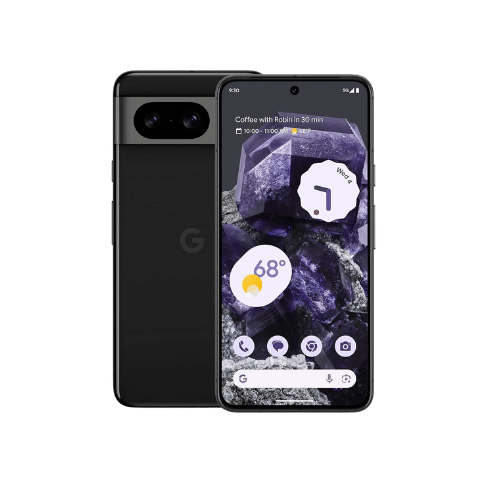
Google Pixel 8
Android
7 years of OS upgrades, security updates, and Feature Drops (until Oct 2030)
Google Tensor G3 (4nm)
Immortalis-G715s MC10
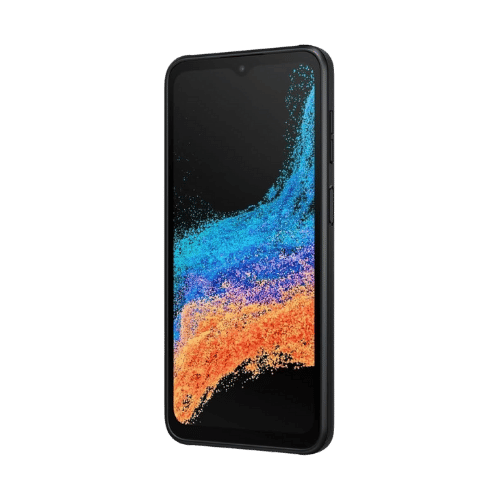
Samsung Galaxy XCover6 Pro
Android
4 years of OS upgrades and 5 years of security updates (Enterprise Edition standard)
Qualcomm Snapdragon 778G 5G (6nm)
Adreno 642L
Only the specs that differ are shown here. Winners are highlighted when the data is clear.
+Full specs, pros, and cons
Everything side-by-side with ratings and the full spec list.
Expand
Full specs, pros, and cons
Everything side-by-side with ratings and the full spec list.
Comparison: Google Pixel 8 vs Samsung Galaxy XCover6 Pro
Google Pixel 8
Samsung Galaxy XCover6 Pro
| Criterion | Google Pixel 8 | Samsung Galaxy XCover6 Pro |
|---|---|---|
| Rating | ★4.6(1,129)Best Buy | ★3.9(215)Amazon |
Operating System | Android | Android |
Software Support | 7 years of OS upgrades, security updates, and Feature Drops (until Oct 2030) | 4 years of OS upgrades and 5 years of security updates (Enterprise Edition standard) |
Processor | Google Tensor G3 (4nm) | Qualcomm Snapdragon 778G 5G (6nm) |
Graphics | Immortalis-G715s MC10 | Adreno 642L |
RAM | 8GB LPDDR5X | 6GB |
Storage | 128GB / 256GB UFS 3.1 | 128GB (Expandable via microSDXC up to 1TB) |
Display Size | 6.2" | 6.6" |
Screen Type | Actua OLED, 120Hz, 2,000 nits (Peak) | PLS LCD, 120Hz, Wet Touch & Glove Mode |
Resolution | 2400 x 1080 (FHD+) at 428 ppi | 2408 x 1080 (FHD+) |
Refresh Rate | 60Hz - 120Hz (Adaptive LTPS) | 120Hz |
Peak Brightness | 1,400 nits (HDR) / 2,000 nits (Peak) | 480 nits (Typical) / 500 nits (Peak) — optimized for indoor/industrial use |
Main Camera | 50MP Octa PD, f/1.68, 1/1.31", OIS, EIS, 2x Optical Quality Crop | 50MP, f/1.8, PDAF, Dual-LED Flash |
Ultra-Wide Camera | 12MP, f/2.2, 126-degree FOV, Autofocus (Macro Focus) | 8MP, f/2.2, 123-degree FOV |
Telephoto Camera | No (Not supported) — Relies on Super Res Zoom | No (Not supported) |
Optical Zoom | 2x Optical Quality (via Main Sensor cropping) | No (Not supported) |
Digital Zoom | Up to 8x (Super Res Zoom) | Up to 10x |
Video Recording | 4K @ 60fps (10-bit HDR); Audio Magic Eraser | 4K UHD @ 30fps; 1080p @ 60fps |
Front Camera | 10.5MP Dual PD, f/2.2, Fixed Focus, 4K @ 60fps | 13MP, f/2.2 |
Battery | 4,575mAh (Typical) | 4,050mAh (User-Removable) |
Wired Charging | 27W Fast Charging (50% in ~30 min with 30W adapter - sold separately) | 15W Fast Charging (Support up to 25W with specific adapters); POGO Pin Charging |
Wireless Charging | 18W (Pixel Stand 2nd Gen) / 12W (Qi-certified) | No (Standard Qi not supported; POGO charging cradles used instead) |
Connectivity | 5G (Sub-6/mmWave), Wi-Fi 7 (802.11be), Bluetooth 5.3, NFC | 5G (Sub-6), Wi-Fi 6E (802.11ax), Bluetooth 5.2, NFC, PTT (Push-to-Talk) |
USB | USB Type-C 3.2 | USB Type-C 3.2 Gen 1 (Supports DeX) |
Durability | IP68 (Dust/Water Resistant); Corning Gorilla Glass Victus (Front & Back) | IP68 (Water/Dust Resistant); MIL-STD-810H Certified; Corning Gorilla Glass Victus+ |
Dimensions | 5.93 x 2.79 x 0.35 in (150.5 x 70.8 x 8.9 mm) | 6.65 x 3.15 x 0.39 in (168.8 x 79.9 x 9.9 mm) |
Weight | 6.60 oz (187 g) | 8.29 oz (235 g) |
Biometrics | Optical under-display fingerprint sensor, Face Unlock (Class 3 - Banking app compatible) | Side-mounted fingerprint sensor, Face Recognition |
Extras | VPN by Google One, Clear Calling, Call Screen, Crash Detection, Temperature Sensor (Pro only - NOT on Pixel 8) | Two Programmable Keys (XCover Key, Top Key), Samsung DeX, Dual Microphones, Barometer |
| Pros |
|
|
| Cons |
|
|
As an Amazon Associate I earn from qualifying purchases. | Check Price on Amazon→ | Check Price on Amazon→ |
Google Pixel 8
Android
7 years of OS upgrades, security updates, and Feature Drops (until Oct 2030)
Google Tensor G3 (4nm)
Immortalis-G715s MC10
8GB LPDDR5X
128GB / 256GB UFS 3.1
Pros
- Unprecedented 7 years of full OS and security updates
- Actua display is exceptionally bright (2,000 nits) and sharp
Cons
- Storage uses older UFS 3.1 standard (competitors use faster UFS 4.0)
- Tensor G3 chip trails Snapdragon 8 Gen 2/3 in raw power and efficiency
Samsung Galaxy XCover6 Pro
Android
4 years of OS upgrades and 5 years of security updates (Enterprise Edition standard)
Qualcomm Snapdragon 778G 5G (6nm)
Adreno 642L
6GB
128GB (Expandable via microSDXC up to 1TB)
Pros
- User-removable battery is a rare and critical feature for field work
- Rugged build (IP68/MIL-STD-810H) survives drops without a case
Cons
- Display brightness (~500 nits) is low for outdoor use compared to S-series
- No standard Qi wireless charging (requires proprietary POGO docks)
Which one is better?
Key specs: Display: 6.2" vs 6.6" and Battery: 4575 mAh vs 4050 mAh.
Who should buy each?
Choose the Google Pixel 8 if: you want advanced software support with 7 years of updates, you value a brighter display for outdoor use, or you prioritize superior camera capabilities for photography.
Choose the Samsung Galaxy XCover6 Pro if: you need a user-removable battery for extended field use, you work in rugged environments and require MIL-STD-810H durability, or you prefer physical keys for quick access to apps.
Quality Seekers
Higher user rating (4.6★ vs 3.9★) indicates better overall satisfaction
→ Choose Google Pixel
Safe Choice Buyers
More widely tested with 1,129 reviews vs 215
→ Choose Google Pixel
Premium Buyers
Higher-tier option with more premium features and build quality
→ Choose Google Pixel
Value Seekers
Better value proposition for buyers who don't need top-tier features
→ Choose Samsung Galaxy
Conclusion
We hope this comparison helps you buy with confidence. Both products are dependable; the right one depends on how you will use it.
Bottom line: The Google Pixel 8 edges ahead with a 4.6★ rating compared to 3.9★. However, Samsung Galaxy XCover6 Pro remains a strong contender if its strengths align better with your needs.
Frequently Asked Questions
+Which is better: Google Pixel 8 or Samsung Galaxy XCover6 Pro?
Google Pixel 8 is the better choice if you prioritize unprecedented 7 years of full os and security updates. Samsung Galaxy XCover6 Pro wins if you value user-removable battery is a rare and critical feature for field work. Both are rated highly (4.6★ vs 3.9★), so consider your specific needs and budget.
+What are the main differences between Google Pixel 8 and Samsung Galaxy XCover6 Pro?
Key differences: Google Pixel 8 offers unprecedented 7 years of full os and security updates, while Samsung Galaxy XCover6 Pro stands out with user-removable battery is a rare and critical feature for field work. Consider that Google Pixel 8 storage uses older ufs 3.1 standard (competitors use faster ufs 4.0). Meanwhile, Samsung Galaxy XCover6 Pro display brightness (~500 nits) is low for outdoor use compared to s-series. Check the detailed specs table above for a complete comparison.
+What should I prioritize when choosing between these smartphones?
Focus on the features that matter most for your daily use. Google Pixel 8 stands out for unprecedented 7 years of full os and security updates and actua display is exceptionally bright (2,000 nits) and sharp. Samsung Galaxy XCover6 Pro excels at user-removable battery is a rare and critical feature for field work and rugged build (ip68/mil-std-810h) survives drops without a case. Check the spec table above for the complete side-by-side breakdown.
Affiliate disclosure
PageBen uses Amazon affiliate links. If you purchase through our links, we may earn a commission at no extra cost to you. This supports independent content for US shoppers.