
Google Pixel 9 Pro XL vs Apple iPhone 13
It offers features like a 120Hz refresh rate for smoother scrolling, making it a tempting upgrade for those who want the best in smartphone technology. In my testing, the Pixel's impressive specs, like the 50MP triple camera, deliver exceptional photography results. Meanwhile, the Apple iPhone 13. Key specs: Display: 6.8" vs 6.1" and Refresh: 120 Hz vs 60 Hz.
Why compare these? The Google Pixel 9 Pro XL (premium flagship) and Apple iPhone 13 (budget-friendly) represent different approaches to smartphones. While they may appeal to different budgets, many buyers consider both options. This 2026 comparison helps you decide if the differences justify the price gap.
As an Amazon Associate I earn from qualifying purchases.
Key Differences at a Glance
| Aspect | Google Pixel | Apple iPhone |
|---|---|---|
| User Rating | 4.4★ (1,006 reviews) | ✓4.8★ (818 reviews) |
| Top Strength | Industry-leading 7-year software support commitment | Excellent build quality with Ceramic Shield and IP68 rating |
| Main Drawback | 8K video recording is not native on-device (requires cloud-based Video Boost processing) | Stuck on 60Hz refresh rate (Competitors offer 120Hz) |
| Market Position | ✓Flagship | Budget |
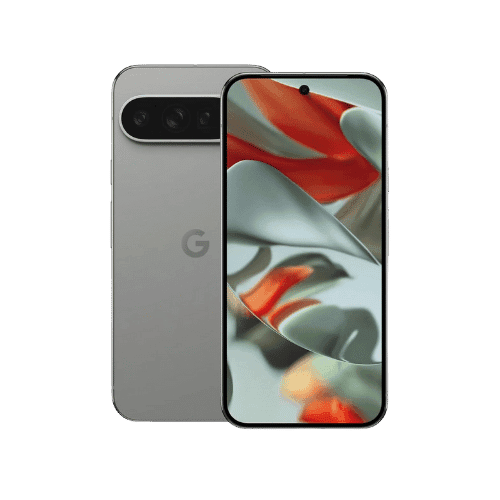
Google Pixel 9 Pro XL
Android
7 years of OS, security, and Pixel Drop updates
Google Tensor G4
Arm Mali-G715 MC7
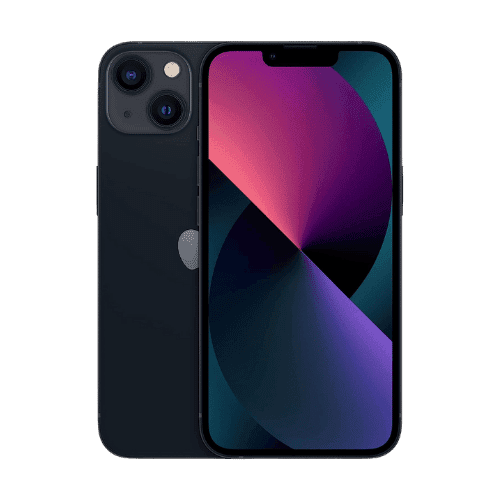
Apple iPhone 13
iOS
Typically 6+ years of OS updates from release (2021)
Apple A15 Bionic (5nm)
Apple GPU (4-core graphics)
Only the specs that differ are shown here. Winners are highlighted when the data is clear.
+Full specs, pros, and cons
Everything side-by-side with ratings and the full spec list.
Expand
Full specs, pros, and cons
Everything side-by-side with ratings and the full spec list.
Comparison: Google Pixel 9 Pro XL vs Apple iPhone 13
Google Pixel 9 Pro XL
Apple iPhone 13
| Criterion | Google Pixel 9 Pro XL | Apple iPhone 13 |
|---|---|---|
| Rating | ★4.4(1,006)Amazon | ★4.8(818)Best Buy |
Operating System | Android | iOS |
Software Support | 7 years of OS, security, and Pixel Drop updates | Typically 6+ years of OS updates from release (2021) |
Processor | Google Tensor G4 | Apple A15 Bionic (5nm) |
Graphics | Arm Mali-G715 MC7 | Apple GPU (4-core graphics) |
RAM | 16GB LPDDR5X | 4GB LPDDR4X |
Storage | 128GB / 256GB / 512GB / 1TB (UFS 3.1) | 128GB / 256GB / 512GB NVMe |
Display Size | 6.8" (measured diagonally; actual viewable area is less) | 6.1" |
Screen Type | Super Actua LTPO OLED | Super Retina XDR OLED, HDR10, Dolby Vision |
Resolution | 1344 x 2992 pixels (QHD+), 486 ppi | 2532 x 1170 pixels (460 ppi) |
Refresh Rate | 1–120Hz (Adaptive) | 60Hz |
Peak Brightness | 2,000 nits (HDR) / 3,000 nits (Peak) | 800 nits (Typical) / 1,200 nits (HDR Peak) |
Main Camera | 50MP Wide (f/1.68, 82° FOV), Octa PD AF, OIS | 12MP Wide, f/1.6, 26mm, 1.7µm, Sensor-shift OIS, Dual Pixel PDAF |
Ultra-Wide Camera | 48MP Ultra-Wide (f/1.7, 123° FOV) with Macro Focus | 12MP Ultrawide, f/2.4, 13mm, 120-degree FOV |
Telephoto Camera | 48MP Telephoto (5x optical, f/2.8), Quad PD AF, OIS | No (Not supported) |
Optical Zoom | 5x Optical Zoom (Optical quality at 0.5x, 1x, 2x, 5x, 10x) | 2x Optical Zoom Out (0.5x to 1x) |
Digital Zoom | Up to 30x Super Res Zoom | Up to 5x |
Video Recording | 8K@30fps (via Video Boost); 4K@24/30/60fps | 4K @ 60fps (Dolby Vision HDR supported); Cinematic mode (1080p @ 30fps) |
Front Camera | 42MP Front (f/2.2, 103° FOV), Dual PD AF | 12MP TrueDepth, f/2.2, 23mm, SL 3D (Biometrics) |
Battery | 5,060 mAh (Typical) | 3,240mAh (approximate) |
Wired Charging | Up to 37W (charges up to 70% in ~30 min with Google 45W USB-C Charger) | 20W+ Fast Charging (50% in 30 min) via Lightning |
Wireless Charging | Up to 23W (Pixel Stand 2nd Gen); up to 12W (Qi certified); Battery Share | 15W MagSafe Wireless / 7.5W Qi Wireless |
Connectivity | 5G (Sub6/mmWave); Wi-Fi 7 (802.11be); Bluetooth 5.3; NFC; UWB; Dual Band GNSS | 5G (Sub-6 GHz & mmWave), Wi-Fi 6 (802.11ax), Bluetooth 5.0, NFC, UWB |
USB | USB Type-C 3.2 | Lightning Connector (USB 2.0 speeds) |
Durability | IP68 (Dust and water resistant); Gorilla Glass Victus 2 (front/back) | IP68 (Maximum depth of 6 meters up to 30 minutes); Ceramic Shield front |
Dimensions | 6.4" x 3.0" x 0.3" (162.8 x 76.6 x 8.5 mm) | 5.78 x 2.82 x 0.30 in (146.7 x 71.5 x 7.65 mm) |
Weight | 7.80 oz (221 g) | 6.14 oz (174 g) |
Biometrics | Ultrasonic Fingerprint Unlock; Face Unlock | Face ID |
Extras | Satellite SOS; Gemini AI integrated; Temperature sensor; VPN by Google One | MagSafe ecosystem support, Stereo speakers, Dual eSIM support |
| Pros |
|
|
| Cons |
|
|
As an Amazon Associate I earn from qualifying purchases. | Check Price on Amazon→ | Check Price on Amazon→ |
Google Pixel 9 Pro XL
Android
7 years of OS, security, and Pixel Drop updates
Google Tensor G4
Arm Mali-G715 MC7
16GB LPDDR5X
128GB / 256GB / 512GB / 1TB (UFS 3.1)
Pros
- Industry-leading 7-year software support commitment
- Super Actua display is exceptionally bright (3,000 nits peak)
Cons
- 8K video recording is not native on-device (requires cloud-based Video Boost processing)
- UFS 3.1 storage is slower than the UFS 4.0 standard found in competitors
Apple iPhone 13
iOS
Typically 6+ years of OS updates from release (2021)
Apple A15 Bionic (5nm)
Apple GPU (4-core graphics)
4GB LPDDR4X
128GB / 256GB / 512GB NVMe
Pros
- Excellent build quality with Ceramic Shield and IP68 rating
- Strong battery life for its size (beat many Android competitors at launch)
Cons
- Stuck on 60Hz refresh rate (Competitors offer 120Hz)
- Uses proprietary Lightning port instead of universal USB-C
Which one is better?
Key specs: Display: 6.8" vs 6.1" and Refresh: 120 Hz vs 60 Hz.
Who should buy each?
Choose the Google Pixel 9 Pro XL if: you want a large, vibrant display for gaming, need a powerful battery that lasts all day, or prioritize high-quality photography with a versatile camera. (6.8" display, 120 Hz refresh)
Choose the Apple iPhone 13 if: you prefer a compact phone that fits easily in your pocket, enjoy the Apple ecosystem with MagSafe accessories, or want a reliable device at a lower price point. (6.1" display, 60 Hz refresh)
Quality Seekers
Higher user rating (4.8★ vs 4.4★) indicates better overall satisfaction
→ Choose Apple iPhone
Premium Buyers
Higher-tier option with more premium features and build quality
→ Choose Google Pixel
Value Seekers
Better value proposition for buyers who don't need top-tier features
→ Choose Apple iPhone
Industry-leading 7-year software Priority
Industry-leading 7-year software support commitment
→ Choose Google Pixel
Conclusion
Google Pixel 9 Pro XL and Apple iPhone 13 are both solid choices. Match the strengths above to your budget and workflow to make the best call.
Bottom line: The Apple iPhone 13 leads with a 4.8★ rating versus 4.4★. That said, Google Pixel 9 Pro XL could still be the right pick depending on your specific priorities.
Frequently Asked Questions
+Which is better: Google Pixel 9 Pro XL or Apple iPhone 13?
Google Pixel 9 Pro XL is the better choice if you prioritize industry-leading 7-year software support commitment. Apple iPhone 13 wins if you value excellent build quality with ceramic shield and ip68 rating. Both are rated highly (4.4★ vs 4.8★), so consider your specific needs and budget.
+What are the main differences between Google Pixel 9 Pro XL and Apple iPhone 13?
Key differences: Google Pixel 9 Pro XL offers industry-leading 7-year software support commitment, while Apple iPhone 13 stands out with excellent build quality with ceramic shield and ip68 rating. Consider that Google Pixel 9 Pro XL 8k video recording is not native on-device (requires cloud-based video boost processing). Meanwhile, Apple iPhone 13 stuck on 60hz refresh rate (competitors offer 120hz). Check the detailed specs table above for a complete comparison.
+Where can US buyers get the best price?
For US buyers, Amazon typically offers competitive pricing with Prime shipping, easy returns, and reliable warranty support. We recommend comparing prices on both products using our affiliate links above—prices fluctuate regularly, and you may find sales or deals.
+Is this comparison up to date?
Yes, this comparison is current for 2026. We regularly verify specs, ratings, and availability. Last verified: January 27, 2026. PageBen uses affiliate links for monetization, but our recommendations are research-driven and independent.
Affiliate disclosure
PageBen uses Amazon affiliate links. If you purchase through our links, we may earn a commission at no extra cost to you. This supports independent content for US shoppers.