
Google Pixel 9a vs OnePlus 13R
The Google Pixel 9a and OnePlus 13R are two compelling mid-range smartphones that cater to different user preferences. The Pixel 9a, with its impressive software support, outstanding camera capabilities, and robust battery life, stands out as a solid choice for users who prioritize longevity and photo quality. On the other hand, the OnePlus 13R offers a more powerful chipset, a larger display, and faster charging, making it ideal for gaming enthusiasts and heavy users who demand performance and speed.
Why compare these? Both the Google Pixel 9a and OnePlus 13R are mid-range smartphones competing in the same market segment. This makes them direct rivals for buyers looking for mid-range features and performance in 2026. Understanding their differences helps you choose the right one for your specific needs.
As an Amazon Associate I earn from qualifying purchases.
Key Differences at a Glance
| Aspect | Google Pixel | OnePlus 13R |
|---|---|---|
| User Rating | 4.5★ (1,527 reviews) | ✓4.6★ (416 reviews) |
| Top Strength | 5100 mAh battery — the largest ever in a Pixel — delivers exceptional endurance | Snapdragon 8 Gen 3 delivers top-tier gaming and AI performance |
| Main Drawback | 23W charging is slow compared to rivals at this price | Ultrawide is only 8 MP — a clear compromise vs. the OnePlus 13 |
| Market Position | Mid-range | Mid-range |
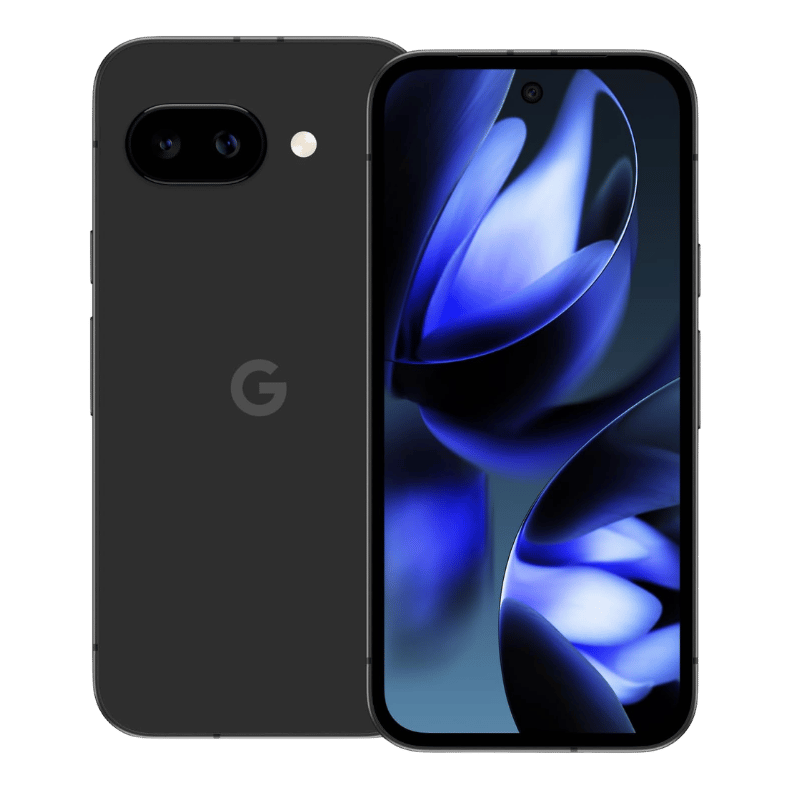
Google Pixel 9a
Android
7 years OS and security updates
Google Tensor G4 (4 nm)
Mali-G715 MP7
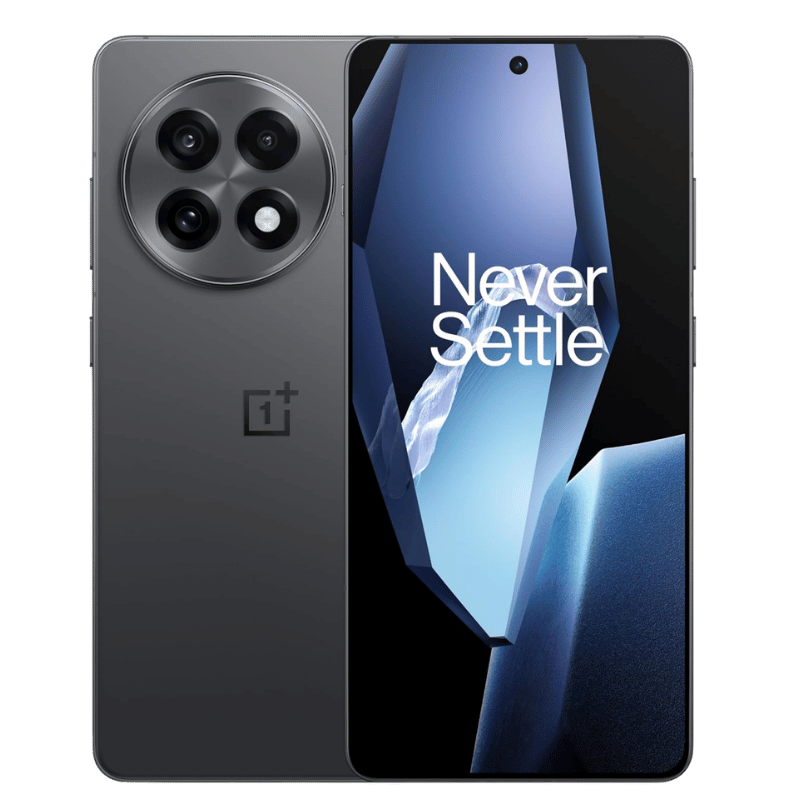
OnePlus 13R
Android
4 major OS upgrades, 6 years security updates
Qualcomm Snapdragon 8 Gen 3 (4 nm)
Adreno 750
Only the specs that differ are shown here. Winners are highlighted when the data is clear.
+Full specs, pros, and cons
Everything side-by-side with ratings and the full spec list.
Expand
Full specs, pros, and cons
Everything side-by-side with ratings and the full spec list.
Comparison: Google Pixel 9a vs OnePlus 13R
Google Pixel 9a
OnePlus 13R
| Criterion | Google Pixel 9a | OnePlus 13R |
|---|---|---|
| Rating | ★4.5(1,527)Amazon | ★4.6(416)Amazon |
Operating System | Android | Android |
Software Support | 7 years OS and security updates | 4 major OS upgrades, 6 years security updates |
Processor | Google Tensor G4 (4 nm) | Qualcomm Snapdragon 8 Gen 3 (4 nm) |
Graphics | Mali-G715 MP7 | Adreno 750 |
RAM | 8 GB | 12 GB / 16 GB |
Storage | 128 GB / 256 GB, UFS 3.1, no microSD | 256 GB / 512 GB, UFS 3.1, no microSD |
Display Size | 6.3 inches | 6.78 inches |
Screen Type | P-OLED, HDR | LTPO 4.1 AMOLED, HDR10+, Dolby Vision |
Resolution | 1080 x 2424 pixels (~422 ppi) | 1264 x 2780 pixels (~450 ppi) |
Refresh Rate | 120 Hz | 1–120 Hz adaptive |
Peak Brightness | 2700 nits | 4500 nits |
Main Camera | 50 MP, f/1.7, 25mm, 1/2.0", OIS, dual PDAF | 50 MP, f/1.8, OIS, PDAF |
Ultra-Wide Camera | 13 MP, f/2.2, 120° | 8 MP, f/2.2, 119° |
Video Recording | 4K@30/60fps, 1080p@30/60/120/240fps | 4K@60fps, 1080p@240fps |
Front Camera | 13 MP, f/2.2, 20mm ultrawide | 16 MP, f/2.4 |
Battery | 5100 mAh | 6000 mAh |
Wired Charging | 23W PD 3.0 | 80W SuperVOOC |
Wireless Charging | 7.5W | — |
Connectivity | 5G, Wi-Fi 6e, Bluetooth 5.3, NFC, GPS (L1+L5) | 5G, Wi-Fi 6, Bluetooth 5.4, NFC, GPS |
USB | USB Type-C 3.2 | USB Type-C 2.0 |
Durability | IP68 (1.5m for 30 min), Gorilla Glass 3 | IP65 dust and water resistant, Gorilla Glass 7i front |
Dimensions | 154.7 x 73.3 x 8.9 mm | 161.7 x 75.8 x 8.0 mm |
Weight | 186 g (6.56 oz) | 206 g (7.27 oz) |
Biometrics | Under-display optical fingerprint | Optical under-display fingerprint |
Extras | Gemini AI, Magic Eraser, Best Take, Call Screen, Extreme Battery Saver | OxygenOS 15, Alert Slider, Dolby Vision display |
Telephoto Camera | — | 50 MP, f/2.0, 2x optical zoom |
Optical Zoom | — | 2x |
| Pros |
|
|
| Cons |
|
|
As an Amazon Associate I earn from qualifying purchases. | Check Price on Amazon→ | Check Price on Amazon→ |
Google Pixel 9a
Android
7 years OS and security updates
Google Tensor G4 (4 nm)
Mali-G715 MP7
8 GB
128 GB / 256 GB, UFS 3.1, no microSD
Pros
- 5100 mAh battery — the largest ever in a Pixel — delivers exceptional endurance
- 7 years of OS and security updates at just $499
Cons
- 23W charging is slow compared to rivals at this price
- No telephoto camera — limited zoom capability
OnePlus 13R
Android
4 major OS upgrades, 6 years security updates
Qualcomm Snapdragon 8 Gen 3 (4 nm)
Adreno 750
12 GB / 16 GB
256 GB / 512 GB, UFS 3.1, no microSD
Pros
- Snapdragon 8 Gen 3 delivers top-tier gaming and AI performance
- 6000 mAh battery with 80W charging — excellent combination for heavy users
Cons
- Ultrawide is only 8 MP — a clear compromise vs. the OnePlus 13
- No wireless charging
Which one is better?
In this comparison, the OnePlus 13R takes the edge due to its superior performance, faster charging capabilities, and additional telephoto lens, which enhances its versatility for photography. However, the Pixel 9a remains a strong contender, particularly for users who value software longevity and exceptional camera processing. Ultimately, it comes down to individual priorities; if performance and charging speed are paramount, the OnePlus 13R is the better choice.
Who should buy each?
For users who frequently take photos and want a device that will receive updates for years to come, the Google Pixel 9a is the ideal smartphone. Conversely, gamers and users who consume content heavily will find the OnePlus 13R’s performance and display features more appealing, making it the better option for them.
Quality Seekers
Higher user rating (4.6★ vs 4.5★) indicates better overall satisfaction
→ Choose OnePlus 13R
Safe Choice Buyers
More widely tested with 1,527 reviews vs 416
→ Choose Google Pixel
5100 mAh battery Priority
5100 mAh battery — the largest ever in a Pixel — delivers exceptional endurance
→ Choose Google Pixel
Snapdragon 8 Gen Priority
Snapdragon 8 Gen 3 delivers top-tier gaming and AI performance
→ Choose OnePlus 13R
Conclusion
There is no wrong answer here. Focus on the features you will use daily and pick the model that aligns with them.
Bottom line: The OnePlus 13R leads with a 4.6★ rating versus 4.5★. That said, Google Pixel 9a could still be the right pick depending on your specific priorities.
Frequently Asked Questions
+Which is better: Google Pixel 9a or OnePlus 13R?
Google Pixel 9a is the better choice if you prioritize 5100 mah battery — the largest ever in a pixel — delivers exceptional endurance. OnePlus 13R wins if you value snapdragon 8 gen 3 delivers top-tier gaming and ai performance. Both are rated highly (4.5★ vs 4.6★), so consider your specific needs and budget.
+What are the main differences between Google Pixel 9a and OnePlus 13R?
Key differences: Google Pixel 9a offers 5100 mah battery — the largest ever in a pixel — delivers exceptional endurance, while OnePlus 13R stands out with snapdragon 8 gen 3 delivers top-tier gaming and ai performance. Consider that Google Pixel 9a 23w charging is slow compared to rivals at this price. Meanwhile, OnePlus 13R ultrawide is only 8 mp — a clear compromise vs. the oneplus 13. Check the detailed specs table above for a complete comparison.
+What should I prioritize when choosing between these smartphones?
Focus on the features that matter most for your daily use. Google Pixel 9a stands out for 5100 mah battery — the largest ever in a pixel — delivers exceptional endurance and 7 years of os and security updates at just $499. OnePlus 13R excels at snapdragon 8 gen 3 delivers top-tier gaming and ai performance and 6000 mah battery with 80w charging — excellent combination for heavy users. Check the spec table above for the complete side-by-side breakdown.
Affiliate disclosure
PageBen uses Amazon affiliate links. If you purchase through our links, we may earn a commission at no extra cost to you. This supports independent content for US shoppers.