
Intel Core i5-13600K vs Intel Core i5-12600K
The Intel Core i5-13600K is the premium option here, offering a stunning max boost clock of 5.1GHz compared to the 4.9GHz of the i5-12600K. In real-world use, that translates to better gaming and productivity performance, making it a no-brainer for those looking to get the most out of their investment. With 10 cores and 16 threads, it’s still plenty fast for gaming and multitasking without breaking the bank, saving you some cash while delivering excellent results. Key specs: Power Draw: 181W vs 150W and Cores/Threads: 14C/20T vs 10C/16T.
Why compare these? Both the Intel Core i5-13600K and Intel Core i5-12600K are mid-range processors competing in the same market segment. This makes them direct rivals for buyers looking for mid-range features and performance in 2026. Understanding their differences helps you choose the right one for your specific needs.
As an Amazon Associate I earn from qualifying purchases.
Key Differences at a Glance
| Aspect | Intel Core | Intel Core |
|---|---|---|
| User Rating | 4.7★ (1,388 reviews) | 4.7★ (2,902 reviews) |
| Top Strength | Outstanding gaming and productivity performance for the price | Excellent price-to-performance ratio for gaming and multitasking |
| Main Drawback | High power draw (up to 181W) compared to Ryzen 5 competitors | Thermal solution not included (requires robust aftermarket cooler) |
| Market Position | Mid-range | Mid-range |
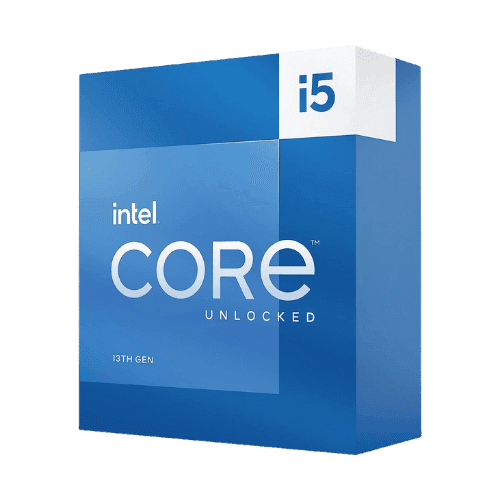
Intel Core i5-13600K
Raptor Lake (13th Gen Intel Core i5)
Socket LGA1700 (FCLGA1700)
14 Cores (6P + 8E) / 20 Threads
P-Core: 3.5 / 5.1 GHz; E-Core: 2.6 / 3.9 GHz; Max Turbo: 5.1 GHz
Intel Core i5-12600K
Alder Lake (12th Gen Intel Core)
LGA1700
10 Cores (6 Performance + 4 Efficient) / 16 Threads
P-core: 3.7–4.9 GHz / E-core: 2.8–3.6 GHz
Only the specs that differ are shown here. Winners are highlighted when the data is clear.
+Full specs, pros, and cons
Everything side-by-side with ratings and the full spec list.
Expand
Full specs, pros, and cons
Everything side-by-side with ratings and the full spec list.
Comparison: Intel Core i5-13600K vs Intel Core i5-12600K
Intel Core i5-13600K
Intel Core i5-12600K
| Criterion | Intel Core i5-13600K | Intel Core i5-12600K |
|---|---|---|
| Rating | ★4.7(1,388)Amazon | ★4.7(2,902)Amazon |
Architecture Gen | Raptor Lake (13th Gen Intel Core i5) | Alder Lake (12th Gen Intel Core) |
Socket Platform | Socket LGA1700 (FCLGA1700) | LGA1700 |
Cores Threads | 14 Cores (6P + 8E) / 20 Threads | 10 Cores (6 Performance + 4 Efficient) / 16 Threads |
Base Boost Clock | P-Core: 3.5 / 5.1 GHz; E-Core: 2.6 / 3.9 GHz; Max Turbo: 5.1 GHz | P-core: 3.7–4.9 GHz / E-core: 2.8–3.6 GHz |
Cache L2 L3 | 20 MB L2 + 24 MB L3 (44 MB Total) | 20 MB Intel® Smart Cache (L3) + 9.5 MB L2 |
TDP Power | 125 W (Processor Base Power) | 125 W (Processor Base Power) |
Max Turbo Power | 181 W (Maximum Turbo Power) | 150 W (Maximum Turbo Power) |
Process Node | Intel 7 (10nm Enhanced SuperFin) | Intel 7 (10nm Enhanced SuperFin) |
Memory Support | DDR5-5600 or DDR4-3200; Dual-Channel; Up to 192 GB; ECC Support: Yes (W680 chipset required) | DDR5-4800 MT/s / DDR4-3200 MT/s (Up to 128 GB) |
Memory Bandwidth Max | 89.6 GB/s (DDR5-5600) | 76.8 GB/s |
Pcie Version | PCIe 5.0 (x16 lanes) + PCIe 4.0 (x4 lanes) | PCIe 5.0 and 4.0 |
Pcie Lanes | 20 Total (16 CPU PCIe 5.0 + 4 CPU PCIe 4.0) | 20 (16 PCIe 5.0 + 4 PCIe 4.0) |
Igpu | Intel UHD Graphics 770 (32 EUs, 300 – 1500 MHz) | Intel UHD Graphics 770 (32 EUs, 1.45 GHz Dyn Max) |
Instruction Features | Intel 64, AVX2, AES-NI, VT-x, VT-d, SSE4.1/4.2, Gaussian & Neural Accelerator 3.0 | SSE4.1/4.2, AVX2, Intel 64, VT-x/VT-d, AES-NI |
Cooler Included | No (Air cooler with 180W+ TDP rating or 240mm AIO recommended) | No (Heatsink not included) |
Max Temp | 100°C (212°F) TjMax | 100°C (212°F) Tjunction |
Notes Limits | Unlocked multiplier. Known as the 'value king' of 13th Gen for gaming. Performance is virtually identical to the 14600K (~2-5% difference). LGA1700 platform is end-of-life. | Unlocked for overclocking. Requires LGA1700 motherboard (600/700 series). ECC supported on W680 chipset only. |
Chipset Support | Intel 700 Series (Z790, B760, etc.) & 600 Series (BIOS update required) | Intel 600 and 700 Series (Z690, B660, Z790, etc.) |
| Pros |
|
|
| Cons |
|
|
As an Amazon Associate I earn from qualifying purchases. | Check Price on Amazon→ | Check Price on Amazon→ |
Intel Core i5-13600K
Raptor Lake (13th Gen Intel Core i5)
Socket LGA1700 (FCLGA1700)
14 Cores (6P + 8E) / 20 Threads
P-Core: 3.5 / 5.1 GHz; E-Core: 2.6 / 3.9 GHz; Max Turbo: 5.1 GHz
20 MB L2 + 24 MB L3 (44 MB Total)
125 W (Processor Base Power)
Pros
- Outstanding gaming and productivity performance for the price
- Flexible memory support allows for budget builds with DDR4
Cons
- High power draw (up to 181W) compared to Ryzen 5 competitors
- No stock cooler included; demands decent aftermarket cooling
Intel Core i5-12600K
Alder Lake (12th Gen Intel Core)
LGA1700
10 Cores (6 Performance + 4 Efficient) / 16 Threads
P-core: 3.7–4.9 GHz / E-core: 2.8–3.6 GHz
20 MB Intel® Smart Cache (L3) + 9.5 MB L2
125 W (Processor Base Power)
Pros
- Excellent price-to-performance ratio for gaming and multitasking
- Hybrid architecture (P-cores + E-cores) improves efficiency
Cons
- Thermal solution not included (requires robust aftermarket cooler)
- High power consumption under full turbo load (150W)
Which one is better?
The Intel Core i5-13600K is the better buy for most people - its 14 cores and 20 threads crush the i5-12600K’s 10 cores. That said, grab the i5-12600K if you want to save money while still enjoying top-notch gaming performance.
Who should buy each?
Choose the Intel Core i5-13600K if: you want maximum gaming performance, need extra cores for multitasking, or plan to run demanding applications.
Choose the Intel Core i5-12600K if: you want to save money, primarily game at lower settings, or need a solid performer for everyday tasks.
Safe Choice Buyers
More widely tested with 2,902 reviews vs 1,388
→ Choose Intel Core
Outstanding gaming and Priority
Outstanding gaming and productivity performance for the price
→ Choose Intel Core
Excellent price-to-performance ratio Priority
Excellent price-to-performance ratio for gaming and multitasking
→ Choose Intel Core
Conclusion
There is no wrong answer here. Focus on the features you will use daily and pick the model that aligns with them.
Bottom line: Both products share a 4.7★ rating, making this comparison particularly close. Your decision should come down to which specific features matter most to you.
Frequently Asked Questions
+Which is better: Intel Core i5-13600K or Intel Core i5-12600K?
Intel Core i5-13600K is the better choice if you prioritize outstanding gaming and productivity performance for the price. Intel Core i5-12600K wins if you value excellent price-to-performance ratio for gaming and multitasking. Both are rated highly (4.7★ vs 4.7★), so consider your specific needs and budget.
+What are the main differences between Intel Core i5-13600K and Intel Core i5-12600K?
Key differences: Intel Core i5-13600K offers outstanding gaming and productivity performance for the price, while Intel Core i5-12600K stands out with excellent price-to-performance ratio for gaming and multitasking. Consider that Intel Core i5-13600K high power draw (up to 181w) compared to ryzen 5 competitors. Meanwhile, Intel Core i5-12600K thermal solution not included (requires robust aftermarket cooler). Check the detailed specs table above for a complete comparison.
+Where can US buyers get the best price?
For US buyers, Amazon typically offers competitive pricing with Prime shipping, easy returns, and reliable warranty support. We recommend comparing prices on both products using our affiliate links above—prices fluctuate regularly, and you may find sales or deals.
+Is this comparison up to date?
Yes, this comparison is current for 2026. We regularly verify specs, ratings, and availability. Last verified: February 7, 2026. PageBen uses affiliate links for monetization, but our recommendations are research-driven and independent.
Affiliate disclosure
PageBen uses Amazon affiliate links. If you purchase through our links, we may earn a commission at no extra cost to you. This supports independent content for US shoppers.