
Intel Core i5-13600K vs Intel Core Ultra 5 Desktop Processor 245K
The Intel Core i5-13600K is the more powerful option, boasting 20 threads compared to the Intel Core Ultra 5 Desktop Processor 245K's 14. This means it excels in multi-threaded applications and gaming, making it a no-brainer for gamers. However, the Ultra 5 offers better efficiency, with a power draw of 159W versus the 181W from the i5-13600K, which can help you save on electricity bills in the long run. Key specs: Power Draw: 181W vs 159W and Memory Bandwidth: 89.6 GB/s vs 102.4 GB/s.
Why compare these? Both the Intel Core i5-13600K and Intel Core Ultra 5 Desktop Processor 245K are mid-range processors competing in the same market segment. This makes them direct rivals for buyers looking for mid-range features and performance in 2026. Understanding their differences helps you choose the right one for your specific needs.
As an Amazon Associate I earn from qualifying purchases.
Key Differences at a Glance
| Aspect | Intel Core | Intel Core |
|---|---|---|
| User Rating | ✓4.7★ (1,388 reviews) | 4.6★ (120 reviews) |
| Top Strength | Outstanding gaming and productivity performance for the price | Significantly improved power efficiency (performance-per-watt) vs. 14th Gen |
| Main Drawback | High power draw (up to 181W) compared to Ryzen 5 competitors | Gaming performance often flat or slightly lower than 14600K/Ryzen 9000 |
| Market Position | Mid-range | Mid-range |
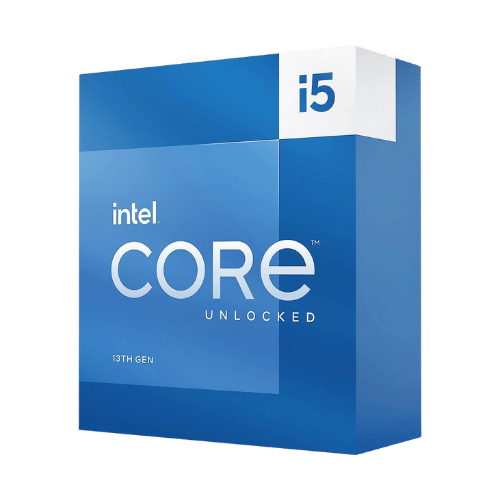
Intel Core i5-13600K
Raptor Lake (13th Gen Intel Core i5)
Socket LGA1700 (FCLGA1700)
14 Cores (6P + 8E) / 20 Threads
P-Core: 3.5 / 5.1 GHz; E-Core: 2.6 / 3.9 GHz; Max Turbo: 5.1 GHz
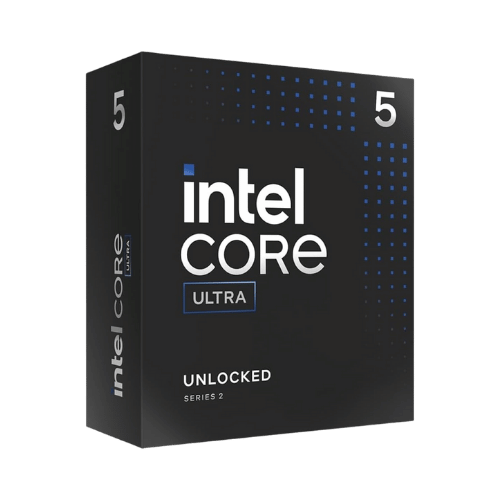
Intel Core Ultra 5 Desktop Processor 245K
Arrow Lake-S (Core Ultra Series 2)
LGA1851
14 Cores (6 Performance + 8 Efficient) / 14 Threads
P-core: 4.2–5.2 GHz / E-core: 3.6–4.6 GHz
Only the specs that differ are shown here. Winners are highlighted when the data is clear.
+Full specs, pros, and cons
Everything side-by-side with ratings and the full spec list.
Expand
Full specs, pros, and cons
Everything side-by-side with ratings and the full spec list.
Comparison: Intel Core i5-13600K vs Intel Core Ultra 5 Desktop Processor 245K
Intel Core i5-13600K
Intel Core Ultra 5 Desktop Processor 245K
| Criterion | Intel Core i5-13600K | Intel Core Ultra 5 Desktop Processor 245K |
|---|---|---|
| Rating | ★4.7(1,388)Amazon | ★4.6(120)Amazon |
Architecture Gen | Raptor Lake (13th Gen Intel Core i5) | Arrow Lake-S (Core Ultra Series 2) |
Socket Platform | Socket LGA1700 (FCLGA1700) | LGA1851 |
Cores Threads | 14 Cores (6P + 8E) / 20 Threads | 14 Cores (6 Performance + 8 Efficient) / 14 Threads |
Base Boost Clock | P-Core: 3.5 / 5.1 GHz; E-Core: 2.6 / 3.9 GHz; Max Turbo: 5.1 GHz | P-core: 4.2–5.2 GHz / E-core: 3.6–4.6 GHz |
Cache L2 L3 | 20 MB L2 + 24 MB L3 (44 MB Total) | 24 MB Intel® Smart Cache (L3) + 26 MB L2 (50 MB Total) |
TDP Power | 125 W (Processor Base Power) | 125 W (Processor Base Power) |
Max Turbo Power | 181 W (Maximum Turbo Power) | 159 W (Maximum Turbo Power) |
Process Node | Intel 7 (10nm Enhanced SuperFin) | TSMC N3B (Compute Tile) / TSMC N6 (SoC Tile) |
Memory Support | DDR5-5600 or DDR4-3200; Dual-Channel; Up to 192 GB; ECC Support: Yes (W680 chipset required) | DDR5-6400 MT/s (Official); CUDIMM Support; Up to 192 GB |
Memory Bandwidth Max | 89.6 GB/s (DDR5-5600) | 102.4 GB/s (at DDR5-6400) |
Pcie Version | PCIe 5.0 (x16 lanes) + PCIe 4.0 (x4 lanes) | PCIe 5.0 and 4.0 |
Pcie Lanes | 20 Total (16 CPU PCIe 5.0 + 4 CPU PCIe 4.0) | 24 (20 PCIe 5.0 + 4 PCIe 4.0 Direct from CPU) |
Igpu | Intel UHD Graphics 770 (32 EUs, 300 – 1500 MHz) | Intel® Graphics (4 Xe-cores, 1.9 GHz Max Dynamic) |
Instruction Features | Intel 64, AVX2, AES-NI, VT-x, VT-d, SSE4.1/4.2, Gaussian & Neural Accelerator 3.0 | SSE4.2, AVX2, VNNI, Intel 64, VT-x/d; NPU (13 TOPS AI) |
Cooler Included | No (Air cooler with 180W+ TDP rating or 240mm AIO recommended) | No (Heatsink not included) |
Max Temp | 100°C (212°F) TjMax | 105°C (221°F) Max Operating Temperature |
Notes Limits | Unlocked multiplier. Known as the 'value king' of 13th Gen for gaming. Performance is virtually identical to the 14600K (~2-5% difference). LGA1700 platform is end-of-life. | Requires LGA1851 motherboard (800 Series). No Hyper-Threading. Includes dedicated NPU for AI workloads. |
Chipset Support | Intel 700 Series (Z790, B760, etc.) & 600 Series (BIOS update required) | Intel 800 Series (Z890, B860, H810, etc.) |
| Pros |
|
|
| Cons |
|
|
As an Amazon Associate I earn from qualifying purchases. | Check Price on Amazon→ | Check Price on Amazon→ |
Intel Core i5-13600K
Raptor Lake (13th Gen Intel Core i5)
Socket LGA1700 (FCLGA1700)
14 Cores (6P + 8E) / 20 Threads
P-Core: 3.5 / 5.1 GHz; E-Core: 2.6 / 3.9 GHz; Max Turbo: 5.1 GHz
20 MB L2 + 24 MB L3 (44 MB Total)
125 W (Processor Base Power)
Pros
- Outstanding gaming and productivity performance for the price
- Flexible memory support allows for budget builds with DDR4
Cons
- High power draw (up to 181W) compared to Ryzen 5 competitors
- No stock cooler included; demands decent aftermarket cooling
Intel Core Ultra 5 Desktop Processor 245K
Arrow Lake-S (Core Ultra Series 2)
LGA1851
14 Cores (6 Performance + 8 Efficient) / 14 Threads
P-core: 4.2–5.2 GHz / E-core: 3.6–4.6 GHz
24 MB Intel® Smart Cache (L3) + 26 MB L2 (50 MB Total)
125 W (Processor Base Power)
Pros
- Significantly improved power efficiency (performance-per-watt) vs. 14th Gen
- Modern platform connectivity: Native Thunderbolt 4, WiFi 7, PCIe 5.0 lanes
Cons
- Gaming performance often flat or slightly lower than 14600K/Ryzen 9000
- Removal of Hyper-Threading reduces multi-core potential in some apps
Which one is better?
The Intel Core i5-13600K is the better buy for most people - its 20 threads crush the Ultra 5's 14. That said, grab the Ultra 5 if you value efficiency and modern connectivity features like Thunderbolt 4 - it's more power-efficient overall.
Who should buy each?
Choose the Intel Core i5-13600K if: you want superior gaming performance with 20 threads, need more processing power for multitasking, or plan to use demanding applications regularly.
Choose the Intel Core Ultra 5 Desktop Processor 245K if: you prioritize power efficiency, want advanced connectivity features, or are focused on AI workloads with its integrated NPU.
Quality Seekers
Higher user rating (4.7★ vs 4.6★) indicates better overall satisfaction
→ Choose Intel Core
Safe Choice Buyers
More widely tested with 1,388 reviews vs 120
→ Choose Intel Core
Outstanding gaming and Priority
Outstanding gaming and productivity performance for the price
→ Choose Intel Core
Significantly improved power Priority
Significantly improved power efficiency (performance-per-watt) vs. 14th Gen
→ Choose Intel Core
Conclusion
With the key differences outlined, the decision should be clearer. Both options deliver quality—choose the one that fits your priorities.
Bottom line: The Intel Core i5-13600K edges ahead with a 4.7★ rating compared to 4.6★. However, Intel Core Ultra 5 Desktop Processor 245K remains a strong contender if its strengths align better with your needs.
Frequently Asked Questions
+Which is better: Intel Core i5-13600K or Intel Core Ultra 5 Desktop Processor 245K?
Intel Core i5-13600K is the better choice if you prioritize outstanding gaming and productivity performance for the price. Intel Core Ultra 5 Desktop Processor 245K wins if you value significantly improved power efficiency (performance-per-watt) vs. 14th gen. Both are rated highly (4.7★ vs 4.6★), so consider your specific needs and budget.
+What are the main differences between Intel Core i5-13600K and Intel Core Ultra 5 Desktop Processor 245K?
Key differences: Intel Core i5-13600K offers outstanding gaming and productivity performance for the price, while Intel Core Ultra 5 Desktop Processor 245K stands out with significantly improved power efficiency (performance-per-watt) vs. 14th gen. Consider that Intel Core i5-13600K high power draw (up to 181w) compared to ryzen 5 competitors. Meanwhile, Intel Core Ultra 5 Desktop Processor 245K gaming performance often flat or slightly lower than 14600k/ryzen 9000. Check the detailed specs table above for a complete comparison.
+What should I prioritize when choosing between these processors?
Focus on the features that matter most for your daily use. Intel Core i5-13600K stands out for outstanding gaming and productivity performance for the price and flexible memory support allows for budget builds with ddr4. Intel Core Ultra 5 Desktop Processor 245K excels at significantly improved power efficiency (performance-per-watt) vs. 14th gen and modern platform connectivity: native thunderbolt 4, wifi 7, pcie 5.0 lanes. Check the spec table above for the complete side-by-side breakdown.
Affiliate disclosure
PageBen uses Amazon affiliate links. If you purchase through our links, we may earn a commission at no extra cost to you. This supports independent content for US shoppers.