
Intel Core Ultra 5 Desktop Processor 245K vs AMD Ryzen 9 7950X3D
Time to compare Intel Core Ultra 5 Desktop Processor 245K with AMD Ryzen 9 7950X3D. We will cover the essentials so you can buy with confidence.
As an Amazon Associate I earn from qualifying purchases.
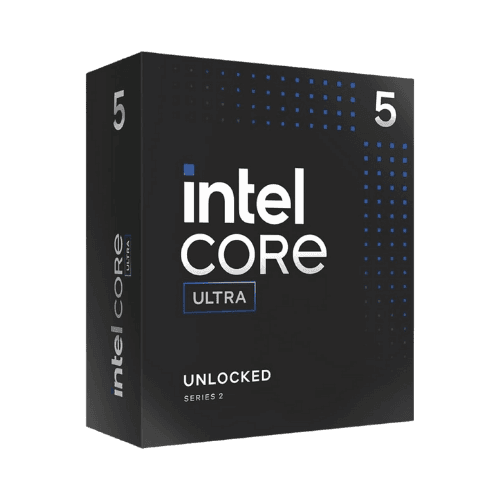
Intel Core Ultra 5 Desktop Processor 245K
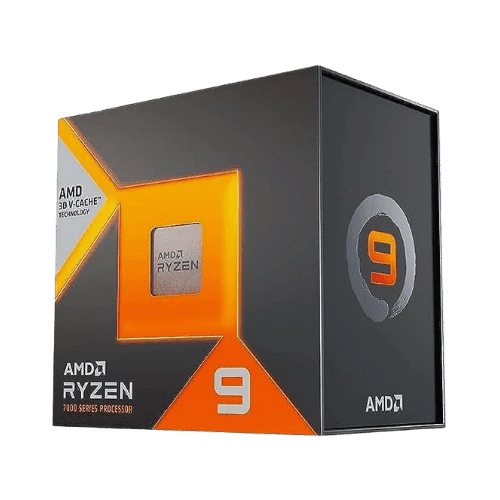
AMD Ryzen 9 7950X3D
Comparison: Intel Core Ultra 5 Desktop Processor 245K vs AMD Ryzen 9 7950X3D
Intel Core Ultra 5 Desktop Processor 245K
AMD Ryzen 9 7950X3D
| Criterion | Intel Core Ultra 5 Desktop Processor 245K | AMD Ryzen 9 7950X3D |
|---|---|---|
| Rating | ★4.5(111)Amazon | ★4.6(1,282)Amazon |
Architecture Gen | Arrow Lake-S (Core Ultra Series 2) | Zen 4 (Ryzen 7000 Series with 3D V-Cache) |
Socket Platform | LGA1851 | Socket AM5 (LGA 1718) |
Cores Threads | 14 Cores (6 Performance + 8 Efficient) / 14 Threads | 16 Cores / 32 Threads |
Base Boost Clock | P-core: 4.2–5.2 GHz / E-core: 3.6–4.6 GHz | 4.2 GHz Base / Up to 5.7 GHz Boost |
Cache L2 L3 | 24 MB Intel® Smart Cache (L3) + 26 MB L2 (50 MB Total) | 16 MB L2 + 128 MB L3 (144 MB Total) |
TDP Power | 125 W (Processor Base Power) | 120 W |
Max Turbo Power | 159 W (Maximum Turbo Power) | 162 W (PPT) |
Process Node | TSMC N3B (Compute Tile) / TSMC N6 (SoC Tile) | TSMC 5nm FinFET (CCD with V-Cache & Standard CCD) / 6nm (I/O Die) |
Memory Support | DDR5-6400 MT/s (Official); CUDIMM Support; Up to 192 GB | DDR5-5200 MT/s (Official); Dual-Channel; Up to 192 GB; ECC Support |
Memory Bandwidth Max | 102.4 GB/s (at DDR5-6400) | N/A (Dependent on RAM config, theoretical max ~83.2 GB/s @ 5200 MT/s) |
Pcie Version | PCIe 5.0 and 4.0 | PCIe 5.0 |
Pcie Lanes | 24 (20 PCIe 5.0 + 4 PCIe 4.0 Direct from CPU) | 28 Total (24 Usable for Graphics/Storage) |
Igpu | Intel® Graphics (4 Xe-cores, 1.9 GHz Max Dynamic) | AMD Radeon Graphics (2 Cores, 2200 MHz) |
Instruction Features | SSE4.2, AVX2, VNNI, Intel 64, VT-x/d; NPU (13 TOPS AI) | AMD-V, AVX, AVX2, AVX-512, FMA3, AES-NI, SHA, SSE4.1/4.2 |
Cooler Included | No (Heatsink not included) | No (Liquid cooler recommended) |
Max Temp | 105°C (221°F) Max Operating Temperature | 89°C (192°F) TjMax |
Notes Limits | Requires LGA1851 motherboard (800 Series). No Hyper-Threading. Includes dedicated NPU for AI workloads. | Asymmetric chiplet design: one CCD has 3D V-Cache (lower freq, gaming focus), one standard CCD (higher freq, productivity focus). OS scheduler driver required for optimal performance. |
Chipset Support | Intel 800 Series (Z890, B860, H810, etc.) | A620, B650, B650E, X670, X670E, B840, B850, X870, X870E |
| Pros |
|
|
| Cons |
|
|
As an Amazon Associate I earn from qualifying purchases. | Check Price on Amazon→ | Check Price on Amazon→ |
Intel Core Ultra 5 Desktop Processor 245K
✓ Pros:
- • Significantly improved power efficiency (performance-per-watt) vs. 14th Gen
- • Modern platform connectivity: Native Thunderbolt 4, WiFi 7, PCIe 5.0 lanes
- • Integrated NPU (13 TOPS) accelerates light local AI workloads
- • Run cooler than previous i5-K SKUs under load
✗ Cons:
- • Gaming performance often flat or slightly lower than 14600K/Ryzen 9000
- • Removal of Hyper-Threading reduces multi-core potential in some apps
- • Requires new LGA1851 socket (incompatible with LGA1700)
As an Amazon Associate I earn from qualifying purchases.
AMD Ryzen 9 7950X3D
✓ Pros:
- • Uncompromising performance: Top-tier gaming (V-Cache) + massive productivity (16 cores)
- • Extremely power efficient for a 16-core flagship (120W TDP)
- • Future-proof AM5 platform with PCIe 5.0 support
✗ Cons:
- • High price point
- • Requires specific chipset drivers/Game Mode for optimal core scheduling
- • Lower thermal limit (89°C) compared to non-X3D version (95°C)
As an Amazon Associate I earn from qualifying purchases.
Which one is better?
Looking at user satisfaction (AMD Ryzen 9 7950X3D: 4.5★ vs Intel Core Ultra 5 Desktop Processor 245K: 4.6★), AMD Ryzen 9 7950X3D pulls ahead. The gap is small—choose based on the priorities below.
Who should buy each?
For performance and polish: Intel Core Ultra 5 Desktop Processor 245K (Significantly improved power efficiency (performance-per-watt) vs. 14th Gen, Modern platform connectivity: Native Thunderbolt 4, WiFi 7, PCIe 5.0 lanes)
For value or versatility: AMD Ryzen 9 7950X3D (Uncompromising performance: Top-tier gaming (V-Cache) + massive productivity (16 cores), Extremely power efficient for a 16-core flagship (120W TDP))
Conclusion
Intel Core Ultra 5 Desktop Processor 245K and AMD Ryzen 9 7950X3D are both solid choices. Match the strengths above to your budget and workflow to make the best call.
Frequently Asked Questions
+Which has better value?
Intel Core Ultra 5 Desktop Processor 245K excels if you value significantly improved power efficiency (performance-per-watt) vs. 14th gen. AMD Ryzen 9 7950X3D is better if you prioritize uncompromising performance: top-tier gaming (v-cache) + massive productivity (16 cores). Pick based on your budget and daily use.
+Is this an independent review?
Yes. We use affiliate links for monetization, but recommendations are research-driven and unbiased.
+Do newer models exist?
Check release timelines from the manufacturers and compare pricing before you buy. We refresh this page when major updates land.
Affiliate disclosure
PageBen uses Amazon affiliate links. If you purchase through our links, we may earn a commission at no extra cost to you. This supports independent content for US shoppers.