
Intel Core Ultra 5 Desktop Processor 245K vs Intel Core i7-13700K
If you're debating between the Intel Core Ultra 5 Desktop Processor 245K and the Intel Core i7-13700K, here’s the scoop: the i7-13700K takes the crown for sheer performance. With 16 cores and a max boost clock of 5.4GHz, it outpaces the 14 cores of the 245K, making it a powerhouse for gaming and demanding tasks. In real-world use, the i7-13700K's exceptional multi-core performance, rivaling previous-gen i9s, is hard to ignore. It delivers an impressive 24 threads, which means better multitasking and faster rendering times. Meanwhile, the Ultra 5 shines in power efficiency with a 125W base power, but it lags behind in gaming performance, making it less appealing for gamers who want the best frame rates. Key specs: Power Consumption: 125W vs 253W and Cores/Threads: 14C/14T vs 16C/24T.
Why compare these? The Intel Core Ultra 5 Desktop Processor 245K (mid-range) and Intel Core i7-13700K (high-end) represent different approaches to processors. While they may appeal to different budgets, many buyers consider both options. This 2026 comparison helps you decide if the differences justify the price gap.
As an Amazon Associate I earn from qualifying purchases.
Key Differences at a Glance
| Aspect | Intel Core | Intel Core |
|---|---|---|
| User Rating | 4.6★ (120 reviews) | 4.6★ (2,365 reviews) |
| Top Strength | Significantly improved power efficiency (performance-per-watt) vs. 14th Gen | Exceptional multi-core performance (rivals previous-gen i9s) |
| Main Drawback | Gaming performance often flat or slightly lower than 14600K/Ryzen 9000 | Extremely high power consumption and heat output under load |
| Market Position | Mid-range | ✓Premium |
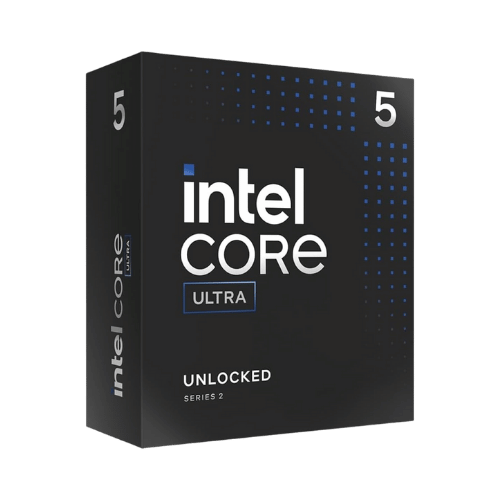
Intel Core Ultra 5 Desktop Processor 245K
Arrow Lake-S (Core Ultra Series 2)
LGA1851
14 Cores (6 Performance + 8 Efficient) / 14 Threads
P-core: 4.2–5.2 GHz / E-core: 3.6–4.6 GHz
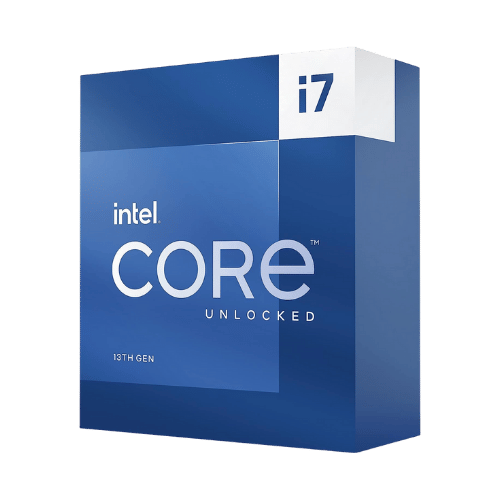
Intel Core i7-13700K
13th Gen Intel Core (Raptor Lake)
FCLGA1700 (LGA1700)
16 cores (8 P-cores + 8 E-cores) / 24 threads
P-core 3.4 GHz base / 5.4 GHz turbo; E-core 2.5 GHz base / 4.2 GHz turbo
Only the specs that differ are shown here. Winners are highlighted when the data is clear.
+Full specs, pros, and cons
Everything side-by-side with ratings and the full spec list.
Expand
Full specs, pros, and cons
Everything side-by-side with ratings and the full spec list.
Comparison: Intel Core Ultra 5 Desktop Processor 245K vs Intel Core i7-13700K
Intel Core Ultra 5 Desktop Processor 245K
Intel Core i7-13700K
| Criterion | Intel Core Ultra 5 Desktop Processor 245K | Intel Core i7-13700K |
|---|---|---|
| Rating | ★4.6(120)Amazon | ★4.6(2,365)Amazon |
Architecture Gen | Arrow Lake-S (Core Ultra Series 2) | 13th Gen Intel Core (Raptor Lake) |
Socket Platform | LGA1851 | FCLGA1700 (LGA1700) |
Cores Threads | 14 Cores (6 Performance + 8 Efficient) / 14 Threads | 16 cores (8 P-cores + 8 E-cores) / 24 threads |
Base Boost Clock | P-core: 4.2–5.2 GHz / E-core: 3.6–4.6 GHz | P-core 3.4 GHz base / 5.4 GHz turbo; E-core 2.5 GHz base / 4.2 GHz turbo |
Cache L2 L3 | 24 MB Intel® Smart Cache (L3) + 26 MB L2 (50 MB Total) | 24 MB L2 + 30 MB Intel Smart Cache (54 MB total) |
TDP Power | 125 W (Processor Base Power) | 125W Processor Base Power |
Max Turbo Power | 159 W (Maximum Turbo Power) | 253W Maximum Turbo Power (PL2) |
Process Node | TSMC N3B (Compute Tile) / TSMC N6 (SoC Tile) | Intel 7 (10nm Enhanced SuperFin) |
Memory Support | DDR5-6400 MT/s (Official); CUDIMM Support; Up to 192 GB | Up to 192GB; DDR5-5600 (native) or DDR4-3200; ECC supported (W680 chipset only) |
Memory Bandwidth Max | 102.4 GB/s (at DDR5-6400) | Up to 89.6 GB/s (DDR5) |
Pcie Version | PCIe 5.0 and 4.0 | PCIe 5.0 and 4.0 |
Pcie Lanes | 24 (20 PCIe 5.0 + 4 PCIe 4.0 Direct from CPU) | 20 total (16x Gen 5 + 4x Gen 4) |
Igpu | Intel® Graphics (4 Xe-cores, 1.9 GHz Max Dynamic) | Intel UHD Graphics 770 (32 EUs, up to 1.6 GHz) |
Instruction Features | SSE4.2, AVX2, VNNI, Intel 64, VT-x/d; NPU (13 TOPS AI) | Intel 64; SSE4.1; SSE4.2; AVX2; AES-NI; VT-x; VT-d; Gaussian & Neural Accelerator 3.0 |
Cooler Included | No (Heatsink not included) | No (thermal solution not included) |
Max Temp | 105°C (221°F) Max Operating Temperature | 100°C (Tjunction) |
Notes Limits | Requires LGA1851 motherboard (800 Series). No Hyper-Threading. Includes dedicated NPU for AI workloads. | Unlocked for overclocking; very high power draw (253W) requires 360mm AIO or high-end air cooler; DDR4 support offers a cheaper upgrade path |
Chipset Support | Intel 800 Series (Z890, B860, H810, etc.) | Intel 600 Series and 700 Series chipsets (LGA1700) |
| Pros |
|
|
| Cons |
|
|
As an Amazon Associate I earn from qualifying purchases. | Check Price on Amazon→ | Check Price on Amazon→ |
Intel Core Ultra 5 Desktop Processor 245K
Arrow Lake-S (Core Ultra Series 2)
LGA1851
14 Cores (6 Performance + 8 Efficient) / 14 Threads
P-core: 4.2–5.2 GHz / E-core: 3.6–4.6 GHz
24 MB Intel® Smart Cache (L3) + 26 MB L2 (50 MB Total)
125 W (Processor Base Power)
Pros
- Significantly improved power efficiency (performance-per-watt) vs. 14th Gen
- Modern platform connectivity: Native Thunderbolt 4, WiFi 7, PCIe 5.0 lanes
Cons
- Gaming performance often flat or slightly lower than 14600K/Ryzen 9000
- Removal of Hyper-Threading reduces multi-core potential in some apps
Intel Core i7-13700K
13th Gen Intel Core (Raptor Lake)
FCLGA1700 (LGA1700)
16 cores (8 P-cores + 8 E-cores) / 24 threads
P-core 3.4 GHz base / 5.4 GHz turbo; E-core 2.5 GHz base / 4.2 GHz turbo
24 MB L2 + 30 MB Intel Smart Cache (54 MB total)
125W Processor Base Power
Pros
- Exceptional multi-core performance (rivals previous-gen i9s)
- Excellent gaming performance, often matching the i9-13900K
Cons
- Extremely high power consumption and heat output under load
- Requires a premium cooling solution (360mm AIO recommended)
Which one is better?
The Intel Core i7-13700K is the better buy for most people - its 16 cores and 5.4GHz performance crushes the Intel Core Ultra 5. That said, grab the Ultra 5 if you want to save on power consumption and don't need top-tier gaming performance.
Who should buy each?
Choose the Intel Core Ultra 5 Desktop Processor 245K if: you prioritize power efficiency, need modern platform connectivity like PCIe 5.0, or want a more budget-friendly option.
Choose the Intel Core i7-13700K if: you demand exceptional gaming performance, run multi-threaded applications frequently, or require a processor that can handle heavy workloads with ease.
Safe Choice Buyers
More widely tested with 2,365 reviews vs 120
→ Choose Intel Core
Premium Buyers
Higher-tier option with more premium features and build quality
→ Choose Intel Core
Value Seekers
Better value proposition for buyers who don't need top-tier features
→ Choose Intel Core
Significantly improved power Priority
Significantly improved power efficiency (performance-per-watt) vs. 14th Gen
→ Choose Intel Core
Conclusion
There is no wrong answer here. Focus on the features you will use daily and pick the model that aligns with them.
Bottom line: Both products share a 4.6★ rating, making this comparison particularly close. Your decision should come down to which specific features matter most to you.
Frequently Asked Questions
+Which is better: Intel Core Ultra 5 Desktop Processor 245K or Intel Core i7-13700K?
Intel Core Ultra 5 Desktop Processor 245K is the better choice if you prioritize significantly improved power efficiency (performance-per-watt) vs. 14th gen. Intel Core i7-13700K wins if you value exceptional multi-core performance (rivals previous-gen i9s). Both are rated highly (4.6★ vs 4.6★), so consider your specific needs and budget.
+What are the main differences between Intel Core Ultra 5 Desktop Processor 245K and Intel Core i7-13700K?
Key differences: Intel Core Ultra 5 Desktop Processor 245K offers significantly improved power efficiency (performance-per-watt) vs. 14th gen, while Intel Core i7-13700K stands out with exceptional multi-core performance (rivals previous-gen i9s). Consider that Intel Core Ultra 5 Desktop Processor 245K gaming performance often flat or slightly lower than 14600k/ryzen 9000. Meanwhile, Intel Core i7-13700K extremely high power consumption and heat output under load. Check the detailed specs table above for a complete comparison.
+What should I prioritize when choosing between these processors?
Focus on the features that matter most for your daily use. Intel Core Ultra 5 Desktop Processor 245K stands out for significantly improved power efficiency (performance-per-watt) vs. 14th gen and modern platform connectivity: native thunderbolt 4, wifi 7, pcie 5.0 lanes. Intel Core i7-13700K excels at exceptional multi-core performance (rivals previous-gen i9s) and excellent gaming performance, often matching the i9-13900k. Check the spec table above for the complete side-by-side breakdown.
Affiliate disclosure
PageBen uses Amazon affiliate links. If you purchase through our links, we may earn a commission at no extra cost to you. This supports independent content for US shoppers.