
Apple iPhone 13 vs Samsung Galaxy A25 5G
In real-world use, that means smoother scrolling and longer usage between charges compared to the Apple iPhone 13, which offers a solid. The Apple iPhone 13 is the premium option here, boasting impressive build quality with its Ceramic Shield and IP68 rating. So, which one should you choose? Key specs: Display: 6.1" vs 6.5" and Refresh: 60 Hz vs 120 Hz.
Why compare these? Both the Apple iPhone 13 and Samsung Galaxy A25 5G are budget-friendly smartphones competing in the same market segment. This makes them direct rivals for buyers looking for budget-friendly features and performance in 2026. Understanding their differences helps you choose the right one for your specific needs.
As an Amazon Associate I earn from qualifying purchases.
Key Differences at a Glance
| Aspect | Apple iPhone | Samsung Galaxy |
|---|---|---|
| User Rating | ✓4.8★ (818 reviews) | 4.6★ (176 reviews) |
| Top Strength | Excellent build quality with Ceramic Shield and IP68 rating | Class-leading 120Hz Super AMOLED display (1,000 nits) |
| Main Drawback | Stuck on 60Hz refresh rate (Competitors offer 120Hz) | Exynos 1280 performance is average compared to competitors |
| Market Position | Budget | Budget |
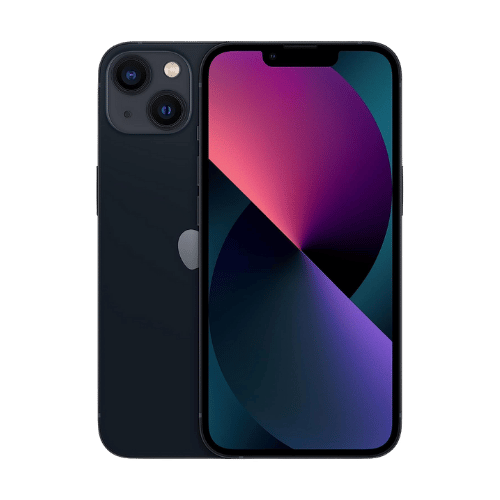
Apple iPhone 13
iOS
Typically 6+ years of OS updates from release (2021)
Apple A15 Bionic (5nm)
Apple GPU (4-core graphics)
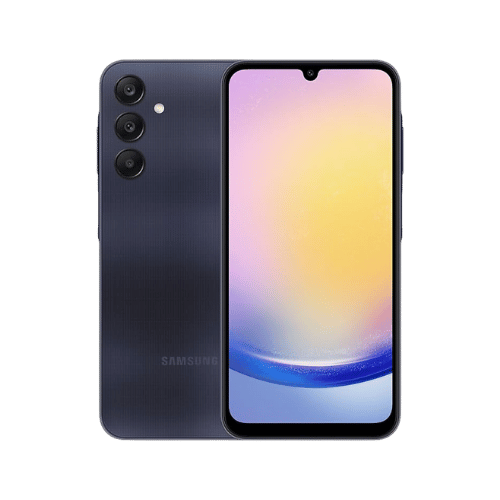
Samsung Galaxy A25 5G
Android
4 generations of OS upgrades and 5 years of security updates
Samsung Exynos 1280 (5nm)
Mali-G68
Only the specs that differ are shown here. Winners are highlighted when the data is clear.
+Full specs, pros, and cons
Everything side-by-side with ratings and the full spec list.
Expand
Full specs, pros, and cons
Everything side-by-side with ratings and the full spec list.
Comparison: Apple iPhone 13 vs Samsung Galaxy A25 5G
Apple iPhone 13
Samsung Galaxy A25 5G
| Criterion | Apple iPhone 13 | Samsung Galaxy A25 5G |
|---|---|---|
| Rating | ★4.8(818)Best Buy | ★4.6(176)Best Buy |
Operating System | iOS | Android |
Software Support | Typically 6+ years of OS updates from release (2021) | 4 generations of OS upgrades and 5 years of security updates |
Processor | Apple A15 Bionic (5nm) | Samsung Exynos 1280 (5nm) |
Graphics | Apple GPU (4-core graphics) | Mali-G68 |
RAM | 4GB LPDDR4X | 6GB (Standard US config) |
Storage | 128GB / 256GB / 512GB NVMe | 128GB (Expandable via microSDXC up to 1TB) |
Display Size | 6.1" | 6.5" |
Screen Type | Super Retina XDR OLED, HDR10, Dolby Vision | Super AMOLED, 120Hz, 1,000 nits (HBM) |
Resolution | 2532 x 1170 pixels (460 ppi) | 2340 x 1080 (FHD+) |
Refresh Rate | 60Hz | 120Hz |
Peak Brightness | 800 nits (Typical) / 1,200 nits (HDR Peak) | 1,000 nits (High Brightness Mode) |
Main Camera | 12MP Wide, f/1.6, 26mm, 1.7µm, Sensor-shift OIS, Dual Pixel PDAF | 50MP, f/1.8, OIS, PDAF |
Ultra-Wide Camera | 12MP Ultrawide, f/2.4, 13mm, 120-degree FOV | 8MP, f/2.2, 120-degree FOV |
Telephoto Camera | No (Not supported) | No (Not supported) — Includes 2MP Macro f/2.4 |
Optical Zoom | 2x Optical Zoom Out (0.5x to 1x) | No (Not supported) |
Digital Zoom | Up to 5x | Up to 10x |
Video Recording | 4K @ 60fps (Dolby Vision HDR supported); Cinematic mode (1080p @ 30fps) | 4K UHD @ 30fps; 1080p @ 30/60fps (Gyro-EIS) |
Front Camera | 12MP TrueDepth, f/2.2, 23mm, SL 3D (Biometrics) | 13MP, f/2.2 |
Battery | 3,240mAh (approximate) | 5,000mAh (Typical) |
Wired Charging | 20W+ Fast Charging (50% in 30 min) via Lightning | 25W Super Fast Charging (Adapter sold separately) |
Wireless Charging | 15W MagSafe Wireless / 7.5W Qi Wireless | No (Not supported) |
Connectivity | 5G (Sub-6 GHz & mmWave), Wi-Fi 6 (802.11ax), Bluetooth 5.0, NFC, UWB | 5G (Sub-6), Wi-Fi 5 (802.11ac), Bluetooth 5.3, NFC |
USB | Lightning Connector (USB 2.0 speeds) | USB Type-C 2.0 |
Durability | IP68 (Maximum depth of 6 meters up to 30 minutes); Ceramic Shield front | No official IP rating (Plastic frame/back) |
Dimensions | 5.78 x 2.82 x 0.30 in (146.7 x 71.5 x 7.65 mm) | 6.34 x 3.01 x 0.33 in (161.0 x 76.5 x 8.3 mm) |
Weight | 6.14 oz (174 g) | 6.95 oz (197 g) |
Biometrics | Face ID | Side-mounted fingerprint sensor, Face Unlock |
Extras | MagSafe ecosystem support, Stereo speakers, Dual eSIM support | Stereo speakers, 3.5mm Headphone Jack, microSD slot, Samsung Wallet |
| Pros |
|
|
| Cons |
|
|
As an Amazon Associate I earn from qualifying purchases. | Check Price on Amazon→ | Check Price on Amazon→ |
Apple iPhone 13
iOS
Typically 6+ years of OS updates from release (2021)
Apple A15 Bionic (5nm)
Apple GPU (4-core graphics)
4GB LPDDR4X
128GB / 256GB / 512GB NVMe
Pros
- Excellent build quality with Ceramic Shield and IP68 rating
- Strong battery life for its size (beat many Android competitors at launch)
Cons
- Stuck on 60Hz refresh rate (Competitors offer 120Hz)
- Uses proprietary Lightning port instead of universal USB-C
Samsung Galaxy A25 5G
Android
4 generations of OS upgrades and 5 years of security updates
Samsung Exynos 1280 (5nm)
Mali-G68
6GB (Standard US config)
128GB (Expandable via microSDXC up to 1TB)
Pros
- Class-leading 120Hz Super AMOLED display (1,000 nits)
- Guaranteed 4 major OS updates (matches flagship standard)
Cons
- Exynos 1280 performance is average compared to competitors
- No official IP rating for water/dust resistance
Which one is better?
Grab the iPhone 13 if you want a more premium build and are already invested in Apple's ecosystem - it's lighter at 6.14oz compared to the A25's 6.95oz.
Who should buy each?
Choose the Apple iPhone 13 if: you want a premium build quality, you value a smartphone with a strong app ecosystem, or you prefer better video recording capabilities. (6.1" display, 60 Hz refresh)
Choose the Samsung Galaxy A25 5G if: you need a smooth 120Hz display for gaming, you require a long-lasting battery for all-day use, or you want guaranteed software updates for years.
Quality Seekers
Higher user rating (4.8★ vs 4.6★) indicates better overall satisfaction
→ Choose Apple iPhone
Safe Choice Buyers
More widely tested with 818 reviews vs 176
→ Choose Apple iPhone
Excellent build quality Priority
Excellent build quality with Ceramic Shield and IP68 rating
→ Choose Apple iPhone
Class-leading 120Hz Super Priority
Class-leading 120Hz Super AMOLED display (1,000 nits)
→ Choose Samsung Galaxy
Conclusion
With the key differences outlined, the decision should be clearer. Both options deliver quality—choose the one that fits your priorities.
Bottom line: The Apple iPhone 13 edges ahead with a 4.8★ rating compared to 4.6★. However, Samsung Galaxy A25 5G remains a strong contender if its strengths align better with your needs.
Frequently Asked Questions
+Which is better: Apple iPhone 13 or Samsung Galaxy A25 5G?
Apple iPhone 13 is the better choice if you prioritize excellent build quality with ceramic shield and ip68 rating. Samsung Galaxy A25 5G wins if you value class-leading 120hz super amoled display (1,000 nits). Both are rated highly (4.8★ vs 4.6★), so consider your specific needs and budget.
+What are the main differences between Apple iPhone 13 and Samsung Galaxy A25 5G?
Key differences: Apple iPhone 13 offers excellent build quality with ceramic shield and ip68 rating, while Samsung Galaxy A25 5G stands out with class-leading 120hz super amoled display (1,000 nits). Consider that Apple iPhone 13 stuck on 60hz refresh rate (competitors offer 120hz). Meanwhile, Samsung Galaxy A25 5G exynos 1280 performance is average compared to competitors. Check the detailed specs table above for a complete comparison.
+What should I prioritize when choosing between these smartphones?
Focus on the features that matter most for your daily use. Apple iPhone 13 stands out for excellent build quality with ceramic shield and ip68 rating and strong battery life for its size (beat many android competitors at launch). Samsung Galaxy A25 5G excels at class-leading 120hz super amoled display (1,000 nits) and guaranteed 4 major os updates (matches flagship standard). Check the spec table above for the complete side-by-side breakdown.
Affiliate disclosure
PageBen uses Amazon affiliate links. If you purchase through our links, we may earn a commission at no extra cost to you. This supports independent content for US shoppers.