
Apple MacBook Pro 14-inch vs Lenovo Legion Pro 5i 16 Core i7-13700HX
The Apple MacBook Pro 14-inch is the flagship option here, offering stunning performance and a breathtaking display. However, if you're looking for a more budget-friendly alternative without sacrificing too much power, the Lenovo Legion Pro 5i 16 Core i7-13700HX makes a compelling case. In real-world usage, the MacBook shines with its 3024 x 1964 Liquid Retina XDR display, delivering a peak brightness of 1,600 nits, perfect for photographers and content creators. Key specs: Display: 14.2" vs 16" and Refresh: 120 Hz vs 165 Hz.
Why compare these? The Apple MacBook Pro 14-inch (premium flagship) and Lenovo Legion Pro 5i 16 Core i7-13700HX (high-end) represent different approaches to laptops. While they may appeal to different budgets, many buyers consider both options. This 2026 comparison helps you decide if the differences justify the price gap.
As an Amazon Associate I earn from qualifying purchases.
Key Differences at a Glance
| Aspect | Apple MacBook | Lenovo Legion |
|---|---|---|
| User Rating | ✓4.9★ (3,372 reviews) | 4.5★ (18 reviews) |
| Top Strength | Class-leading Liquid Retina XDR display with 1,600 nits peak brightness | High-wattage RTX 4060 (140W) delivers top-tier performance for its class |
| Main Drawback | Expensive starting price with expensive upgrades for RAM and SSD | Battery life is average despite the 80Wh capacity due to high-power HX CPU |
| Market Position | ✓Flagship | Premium |
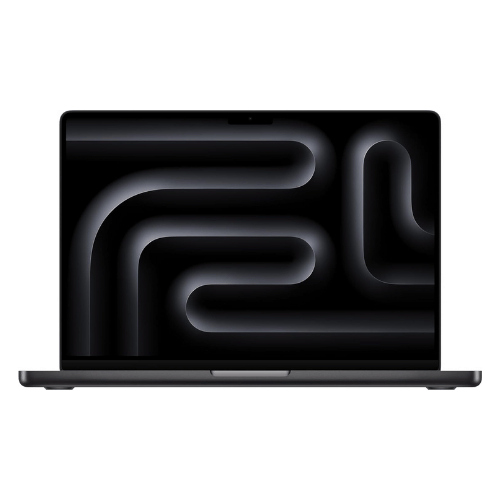
Apple MacBook Pro 14-inch
Apple M3 Pro (11 or 12-core) OR Apple M3 Max (14 or 16-core)
Apple M3 Pro (14 or 18-core) OR Apple M3 Max (30 or 40-core)
16-core Neural Engine
Active (Dual fan cooling system)
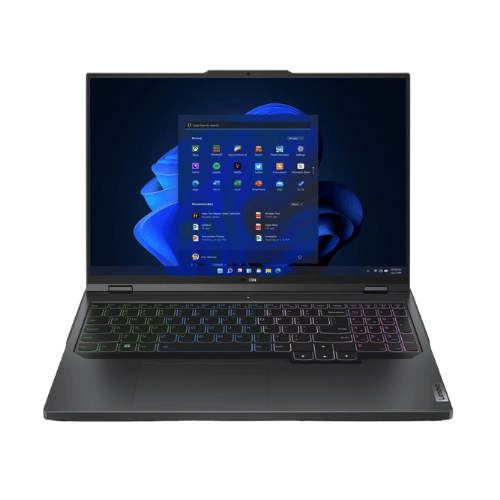
Lenovo Legion Pro 5i 16 Core i7-13700HX
Intel Core i7-13700HX (Raptor Lake, 16 cores, up to 5.0 GHz)
NVIDIA GeForce RTX 4060 Laptop GPU (8GB GDDR6, 140W TGP max)
No dedicated NPU (Uses Lenovo LA1 AI chip for system optimization)
Legion Coldfront 5.0 (Dual fans, hybrid heat pipes, massive intake/exhaust)
Only the specs that differ are shown here. Winners are highlighted when the data is clear.
+Full specs, pros, and cons
Everything side-by-side with ratings and the full spec list.
Expand
Full specs, pros, and cons
Everything side-by-side with ratings and the full spec list.
Comparison: Apple MacBook Pro 14-inch vs Lenovo Legion Pro 5i 16 Core i7-13700HX
Apple MacBook Pro 14-inch
Lenovo Legion Pro 5i 16 Core i7-13700HX
| Criterion | Apple MacBook Pro 14-inch | Lenovo Legion Pro 5i 16 Core i7-13700HX |
|---|---|---|
| Rating | ★4.9(3,372)Best Buy | ★4.5(18)Amazon |
Processor | Apple M3 Pro (11 or 12-core) OR Apple M3 Max (14 or 16-core) | Intel Core i7-13700HX (Raptor Lake, 16 cores, up to 5.0 GHz) |
Graphics | Apple M3 Pro (14 or 18-core) OR Apple M3 Max (30 or 40-core) | NVIDIA GeForce RTX 4060 Laptop GPU (8GB GDDR6, 140W TGP max) |
AI Engine | 16-core Neural Engine | No dedicated NPU (Uses Lenovo LA1 AI chip for system optimization) |
Cooling | Active (Dual fan cooling system) | Legion Coldfront 5.0 (Dual fans, hybrid heat pipes, massive intake/exhaust) |
RAM | 18 GB (M3 Pro) / 36 GB (M3 Max) Unified Memory | 16 GB DDR5-4800 (2x 8GB SO-DIMM) |
RAM Upgrade | No (Unified Memory architecture; configurable up to 128GB at purchase) | Yes (2x DDR5 SO-DIMM slots, up to 32 GB officially) |
Storage | 512 GB or 1 TB SSD | 512 GB PCIe Gen4 NVMe SSD |
Storage Upgrade | No (Soldered; configurable up to 8TB at purchase) | Yes (2x M.2 2280 PCIe Gen4 slots) |
Display Size | 14.2" | 16" |
Resolution | 3024 x 1964 (Native) | 2560 x 1600 (WQXGA) |
Aspect Ratio | 16:10 (plus additional height for menu bar/notch) | 16:10 |
Screen Type | Liquid Retina XDR (Mini-LED; 10,000+ local dimming zones) | IPS (Anti-glare) |
Refresh Rate | 120 Hz (ProMotion) | 165 Hz (G-SYNC supported) |
Brightness | 1,000 nits (Sustained XDR) / 1,600 nits (Peak HDR) / 600 nits (SDR) | 300 nits (Typical) |
Color Gamut | Wide color (P3); True Tone | 100% sRGB |
Keyboard Layout | US English (Magic Keyboard) | US English (ANSI) with NumPad |
Keyboard Backlight | Yes (Ambient light sensor) | Yes (4-Zone RGB) |
Biometrics | Touch ID (Fingerprint reader) | No (Not supported) |
Webcam | 1080p FaceTime HD camera | 1080p FHD camera with E-shutter |
USB Ports | 3x Thunderbolt 4 (USB-C) (Charging; DisplayPort; up to 40Gb/s) | 1x USB-C 3.2 Gen 2 (DisplayPort 1.4, 140W Power Delivery); 1x USB-C 3.2 Gen 2 (DisplayPort 1.4); 4x USB-A 3.2 Gen 1 (1x Always On) |
Video Ports | 1x HDMI 2.1 (Supports up to 8K@60Hz or 4K@240Hz) | 1x HDMI 2.1 (Supports up to 8K@60Hz) |
Audio Ports | 1x 3.5mm Headphone jack (Advanced support for high-impedance headphones) | 1x 3.5mm Headphone/Mic combo jack |
Connectivity | Wi-Fi 6E (802.11ax); Bluetooth 5.3 | Wi-Fi 6E (802.11ax 2x2); Bluetooth 5.1; Gigabit Ethernet (RJ45) |
Battery | 72.4 Wh (Lithium-polymer) | 80 Wh (Li-Polymer) |
Charger | 70W (11-core M3 Pro) or 96W (12-core M3 Pro & M3 Max) USB-C Adapter | 300 W Slim Tip adapter |
Weight | 1,610 g (M3 Pro) / 1,620 g (M3 Max) (3.55 - 3.57 lbs) | 2,550 g (5.6 lbs) |
Build Material | 100% Recycled Aluminum enclosure | Aluminum (Top) / PC-ABS (Bottom) |
Operating System | macOS (Sonoma or later) | Windows 11 Home |
| Pros |
|
|
| Cons |
|
|
As an Amazon Associate I earn from qualifying purchases. | Check Price on Amazon→ | Check Price on Amazon→ |
Apple MacBook Pro 14-inch
Apple M3 Pro (11 or 12-core) OR Apple M3 Max (14 or 16-core)
Apple M3 Pro (14 or 18-core) OR Apple M3 Max (30 or 40-core)
16-core Neural Engine
Active (Dual fan cooling system)
18 GB (M3 Pro) / 36 GB (M3 Max) Unified Memory
No (Unified Memory architecture; configurable up to 128GB at purchase)
Pros
- Class-leading Liquid Retina XDR display with 1,600 nits peak brightness
- M3 Max configuration rivals high-end desktop performance in a portable chassis
Cons
- Expensive starting price with expensive upgrades for RAM and SSD
- No user-upgradeable components (RAM and SSD are soldered)
Lenovo Legion Pro 5i 16 Core i7-13700HX
Intel Core i7-13700HX (Raptor Lake, 16 cores, up to 5.0 GHz)
NVIDIA GeForce RTX 4060 Laptop GPU (8GB GDDR6, 140W TGP max)
No dedicated NPU (Uses Lenovo LA1 AI chip for system optimization)
Legion Coldfront 5.0 (Dual fans, hybrid heat pipes, massive intake/exhaust)
16 GB DDR5-4800 (2x 8GB SO-DIMM)
Yes (2x DDR5 SO-DIMM slots, up to 32 GB officially)
Pros
- High-wattage RTX 4060 (140W) delivers top-tier performance for its class
- Sharp 16:10 WQXGA display with 100% sRGB coverage and G-SYNC
Cons
- Battery life is average despite the 80Wh capacity due to high-power HX CPU
- Bulky and heavy power brick (300W)
Which one is better?
The Apple MacBook Pro 14-inch is the better buy for most people - its stunning 3024 x 1964 display crushes the Lenovo's 2560 x 1600. That said, grab the Lenovo Legion Pro 5i if you need a powerful gaming machine - it's lighter on the wallet and offers great performance.
Who should buy each?
Choose the Apple MacBook Pro 14-inch if: you need a vibrant display for photography, prefer macOS for creative software, or want a powerhouse for video editing. (14.2" display, 120 Hz refresh)
Choose the Lenovo Legion Pro 5i 16 Core i7-13700HX if: you play demanding games, require user-upgradable RAM, or need a less expensive option with reliable performance. (16" display, 165 Hz refresh)
Quality Seekers
Higher user rating (4.9★ vs 4.5★) indicates better overall satisfaction
→ Choose Apple MacBook
Safe Choice Buyers
More widely tested with 3,372 reviews vs 18
→ Choose Apple MacBook
Premium Buyers
Higher-tier option with more premium features and build quality
→ Choose Apple MacBook
Value Seekers
Better value proposition for buyers who don't need top-tier features
→ Choose Lenovo Legion
Conclusion
There is no wrong answer here. Focus on the features you will use daily and pick the model that aligns with them.
Bottom line: The Apple MacBook Pro 14-inch edges ahead with a 4.9★ rating compared to 4.5★. However, Lenovo Legion Pro 5i 16 Core i7-13700HX remains a strong contender if its strengths align better with your needs.
Frequently Asked Questions
+Which is better: Apple MacBook Pro 14-inch or Lenovo Legion Pro 5i 16 Core i7-13700HX?
Apple MacBook Pro 14-inch is the better choice if you prioritize class-leading liquid retina xdr display with 1,600 nits peak brightness. Lenovo Legion Pro 5i 16 Core i7-13700HX wins if you value high-wattage rtx 4060 (140w) delivers top-tier performance for its class. Both are rated highly (4.9★ vs 4.5★), so consider your specific needs and budget.
+What are the main differences between Apple MacBook Pro 14-inch and Lenovo Legion Pro 5i 16 Core i7-13700HX?
Key differences: Apple MacBook Pro 14-inch offers class-leading liquid retina xdr display with 1,600 nits peak brightness, while Lenovo Legion Pro 5i 16 Core i7-13700HX stands out with high-wattage rtx 4060 (140w) delivers top-tier performance for its class. Consider that Apple MacBook Pro 14-inch expensive starting price with expensive upgrades for ram and ssd. Meanwhile, Lenovo Legion Pro 5i 16 Core i7-13700HX battery life is average despite the 80wh capacity due to high-power hx cpu. Check the detailed specs table above for a complete comparison.
+What should I prioritize when choosing between these laptops?
Focus on the features that matter most for your daily use. Apple MacBook Pro 14-inch stands out for class-leading liquid retina xdr display with 1,600 nits peak brightness and m3 max configuration rivals high-end desktop performance in a portable chassis. Lenovo Legion Pro 5i 16 Core i7-13700HX excels at high-wattage rtx 4060 (140w) delivers top-tier performance for its class and sharp 16:10 wqxga display with 100% srgb coverage and g-sync. Check the spec table above for the complete side-by-side breakdown.
Affiliate disclosure
PageBen uses Amazon affiliate links. If you purchase through our links, we may earn a commission at no extra cost to you. This supports independent content for US shoppers.