
Samsung Galaxy XCover6 Pro vs Apple iPhone 17 Pro Max
If you are torn between Samsung Galaxy XCover6 Pro and Apple iPhone 17 Pro Max, this breakdown is for you. We compare specs, pros, and cons so you can decide confidently.
As an Amazon Associate I earn from qualifying purchases.
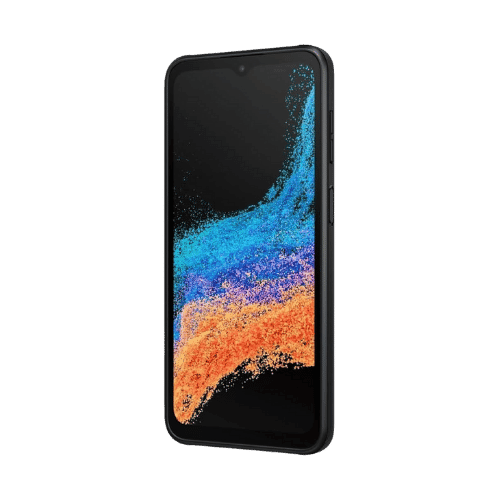
Samsung Galaxy XCover6 Pro
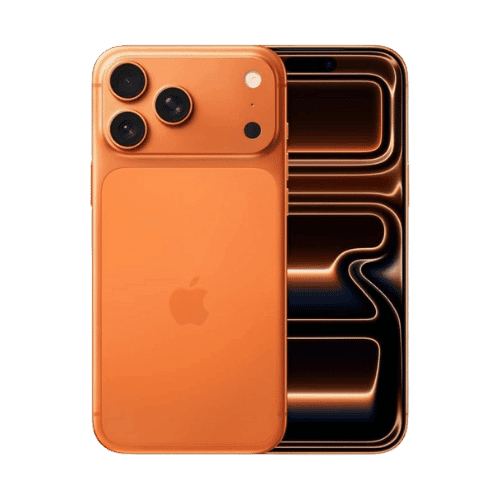
Apple iPhone 17 Pro Max
Comparison: Samsung Galaxy XCover6 Pro vs Apple iPhone 17 Pro Max
Samsung Galaxy XCover6 Pro
Apple iPhone 17 Pro Max
| Criterion | Samsung Galaxy XCover6 Pro | Apple iPhone 17 Pro Max |
|---|---|---|
| Rating | ★3.9(215)Amazon | ★4.8(126)Best Buy |
Operating System | Android | iOS |
Software Support | 4 years of OS upgrades and 5 years of security updates (Enterprise Edition standard) | Minimum 5 years from release date (guaranteed security updates); historically supports 6+ years of OS upgrades |
Processor | Qualcomm Snapdragon 778G 5G (6nm) | Apple A19 Pro chip (3nm; 6-core CPU: 2 performance + 4 efficiency; 16-core Neural Engine; hardware-accelerated ray tracing) |
Graphics | Adreno 642L | Apple 6-core GPU with Neural Accelerators (A19 Pro) |
RAM | 6GB | 12 GB (LPDDR5X) |
Storage | 128GB (Expandable via microSDXC up to 1TB) | 256GB / 512GB / 1TB / 2TB (NVMe) |
Display Size | 6.6" | 6.9" (6.86" measured diagonally as a standard rectangle; actual viewable area is less) |
Screen Type | PLS LCD, 120Hz, Wet Touch & Glove Mode | Super Retina XDR OLED |
Resolution | 2408 x 1080 (FHD+) | 2868 x 1320 pixels (460 ppi) |
Refresh Rate | 120Hz | Up to 120 Hz (ProMotion adaptive 1-120Hz) |
Peak Brightness | 480 nits (Typical) / 500 nits (Peak) — optimized for indoor/industrial use | 1000 nits max (typical); 1600 nits peak (HDR); 3000 nits peak (outdoor); 1 nit minimum |
Main Camera | 50MP, f/1.8, PDAF, Dual-LED Flash | 48MP Fusion Main (24 mm, f/1.78), 2nd-gen sensor-shift optical image stabilization, 100% Focus Pixels, support for 24MP and 48MP super-high-resolution photos |
Ultra-Wide Camera | 8MP, f/2.2, 123-degree FOV | 48MP Fusion Ultra Wide (13 mm, f/2.2, 120° field of view), Hybrid Focus Pixels, 48MP macro photography |
Telephoto Camera | No (Not supported) | 48MP Fusion Telephoto (100 mm, f/2.8), tetraprism design, 3D sensor-shift OIS, autofocus; enables 12MP optical-quality 8x zoom (200 mm equivalent) |
Optical Zoom | No (Not supported) | 0.5x, 1x, 2x, 4x, 8x optical-quality zoom steps (16x optical zoom range) |
Digital Zoom | Up to 10x | Up to 40x |
Video Recording | 4K UHD @ 30fps; 1080p @ 60fps | 4K Dolby Vision at 24/25/30/60/100/120 fps (Fusion Main); ProRes up to 4K at 120 fps with external recording; Cinematic mode up to 4K HDR at 30 fps |
Front Camera | 13MP, f/2.2 | 18MP Center Stage (f/1.9), autofocus with Focus Pixels, 4K Dolby Vision at 24/25/30/60 fps |
Battery | 4,050mAh (User-Removable) | 5088 mAh (Li-ion, eSIM model); Up to 39 hours video playback (35 hours streamed) |
Wired Charging | 15W Fast Charging (Support up to 25W with specific adapters); POGO Pin Charging | USB-C; Up to 50% charge in ~20 minutes with 40W adapter or higher |
Wireless Charging | No (Standard Qi not supported; POGO charging cradles used instead) | MagSafe up to 25W (with 30W+ adapter); Qi2 up to 25W; Qi up to 7.5W |
Connectivity | 5G (Sub-6), Wi-Fi 6E (802.11ax), Bluetooth 5.2, NFC, PTT (Push-to-Talk) | 5G (sub-6 GHz and mmWave) with 4x4 MIMO; Gigabit LTE; Wi-Fi 7 (802.11be) with 2x2 MIMO; Bluetooth 6.0; Ultra Wideband (Second-generation); Thread networking technology; NFC with reader mode |
USB | USB Type-C 3.2 Gen 1 (Supports DeX) | USB-C connector with USB 3 speeds (up to 10 Gb/s); Native DisplayPort output |
Durability | IP68 (Water/Dust Resistant); MIL-STD-810H Certified; Corning Gorilla Glass Victus+ | IP68 (maximum depth of 6 meters up to 30 minutes); Ceramic Shield 2 front; Ceramic Shield back; Aerospace-grade aluminum unibody (with internal vapor chamber) |
Dimensions | 6.65 x 3.15 x 0.39 in (168.8 x 79.9 x 9.9 mm) | 6.43" x 3.07" x 0.34" (163.4 x 78.0 x 8.75 mm) |
Weight | 8.29 oz (235 g) | 8.22 oz (233 g) |
Biometrics | Side-mounted fingerprint sensor, Face Recognition | Face ID |
Extras | Two Programmable Keys (XCover Key, Top Key), Samsung DeX, Dual Microphones, Barometer | Apple Intelligence support; Camera Control button; Action button; Dynamic Island; Always-On display; Dual eSIM (US models); Emergency SOS via satellite; Crash Detection; Roadside Assistance via satellite |
| Pros |
|
|
| Cons |
|
|
As an Amazon Associate I earn from qualifying purchases. | Check Price on Amazon→ | Check Price on Amazon→ |
Samsung Galaxy XCover6 Pro
✓ Pros:
- • User-removable battery is a rare and critical feature for field work
- • Rugged build (IP68/MIL-STD-810H) survives drops without a case
- • Physical programmable keys are excellent for Push-to-Talk or app launching
- • Supports Wi-Fi 6E and Samsung DeX for desktop-like productivity
- • Touchscreen works with gloves and in wet conditions
✗ Cons:
- • Display brightness (~500 nits) is low for outdoor use compared to S-series
- • No standard Qi wireless charging (requires proprietary POGO docks)
- • Charging speed is modest (15W included, 25W capable)
- • Cameras are functional but lack optical stabilization (OIS)
- • Price is high relative to raw performance specs (paying for ruggedness)
As an Amazon Associate I earn from qualifying purchases.
Apple iPhone 17 Pro Max
✓ Pros:
- • Brightest iPhone display ever (3000 nits peak outdoor)
- • Triple 48MP camera system with 8x optical-quality zoom
- • A19 Pro chip with 12GB RAM and vapor chamber cooling for sustained performance
- • Excellent battery life (up to 39 hours video playback)
- • Faster 40W wired charging and 25W wireless charging
✗ Cons:
- • Large and heavy form factor (233 g)
- • Fastest charging speeds require purchasing a 40W+ adapter separately
- • No physical SIM tray (eSIM only in US)
- • Expensive starting price
- • Camera bump is significantly larger due to new tetraprism lens
As an Amazon Associate I earn from qualifying purchases.
Which one is better?
Overall, Apple iPhone 17 Pro Max delivers better satisfaction. Samsung Galaxy XCover6 Pro is still a quality option with specific strengths worth considering.
Who should buy each?
For performance and polish: Samsung Galaxy XCover6 Pro (User-removable battery is a rare and critical feature for field work, Rugged build (IP68/MIL-STD-810H) survives drops without a case)
For value or versatility: Apple iPhone 17 Pro Max (Brightest iPhone display ever (3000 nits peak outdoor), Triple 48MP camera system with 8x optical-quality zoom)
Conclusion
With the key differences outlined, the decision should be clearer. Both options deliver quality—choose the one that fits your priorities.
Frequently Asked Questions
+Which has better value?
Samsung Galaxy XCover6 Pro excels if you value user-removable battery is a rare and critical feature for field work. Apple iPhone 17 Pro Max is better if you prioritize brightest iphone display ever (3000 nits peak outdoor). Pick based on your budget and daily use.
+Is this an independent review?
Yes. We use affiliate links for monetization, but recommendations are research-driven and unbiased.
+Do newer models exist?
Check release timelines from the manufacturers and compare pricing before you buy. We refresh this page when major updates land.
Affiliate disclosure
PageBen uses Amazon affiliate links. If you purchase through our links, we may earn a commission at no extra cost to you. This supports independent content for US shoppers.