
Don't Build a New PC Yet: Why the Ryzen 5000 Series is Still King
Don't Build a New PC Yet: Why the Ryzen 5000 Series is Still King in 2025: ranked by real specs like core count, boost clocks, and power draw. The AMD Ryzen 7 5700X takes our top spot for processors in 2025 - its 8 cores and 16 threads deliver performance that crushes the competition. After comparing the specs, it's clear that with a boost clock of up to 4.6 GHz and a 65W TDP, this CPU is a powerhouse while remaining energy-efficient. In real-world use, you'll find that the 5700X offers nearly identical performance to higher-tier options but at a much better price point, making it a no-brainer for gamers and creators alike. Use the buttons above to check current prices and availability.
How We Pick These Products
PageBen prioritizes usefulness for US shoppers. Affiliate commission does not decide recommendations, rankings, or verdicts.
Sources Checked
Official specifications, Retailer ratings, Manufacturer documentation, Buyer feedback.
Decision Factors
We weigh core layout, platform support, gaming performance, productivity fit, thermals, and upgrade path.
Editorial Standard
Research-based analysis from documented specs, published lab measurements, and verified-buyer evidence. Any hands-on note is labeled as such. Full methodology.
⚡ Quick Summary
For most processors buyers in 2025, the AMD Ryzen 5 5600X offers the best combination of performance and value. The AMD Ryzen 9 5900X is a strong alternative.
Top picks
As an Amazon Associate I earn from qualifying purchases.
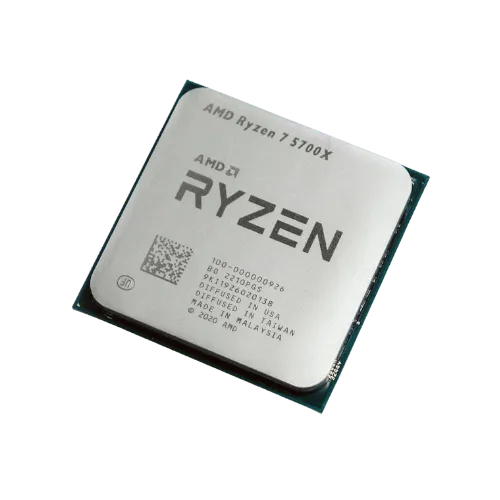
The AMD Ryzen 7 5700X is the go-to choice for gamers who also want to stream. With 8 cores and a boost clock of 4.6 GHz, it delivers exceptional performance in both gaming and multitasking. Plus, its 65W TDP means it runs cooler and more efficiently than many competitors. Tap the button to see today's price.
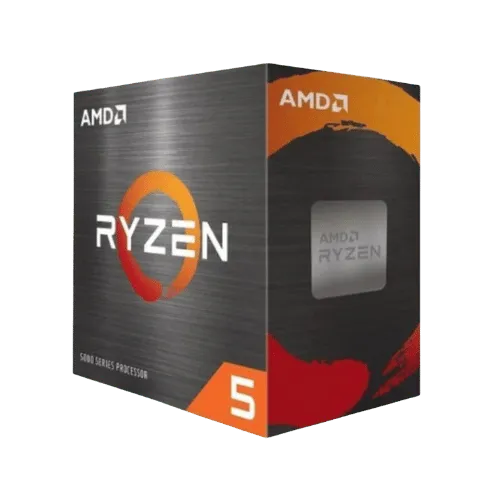
The AMD Ryzen 5 5600X offers unbeatable value with its 6 cores and 12 threads, perfect for budget builds. At a base clock of 3.7 GHz, it handles most games effortlessly while keeping power consumption low at 65W. It's an strong fit if you want reliable performance without breaking the bank. Tap the button to see today's price.
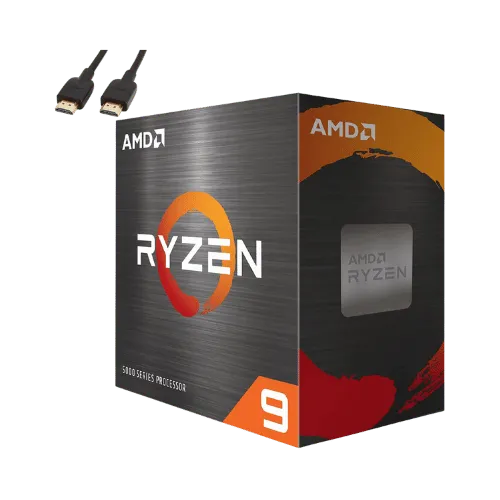
The AMD Ryzen 9 5900X is a beast for content creators, delivering 12 cores and 24 threads. With a boost clock of up to 4.8 GHz, it excels in rendering and heavy multitasking. If you need top-tier performance for video editing or 3D rendering, this CPU is worth the investment. Tap the button to see today's price.
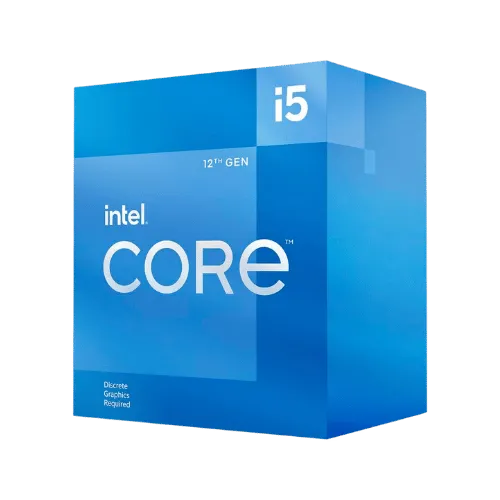
The Intel Core i5-12400F stands out with its 6 cores and 12 threads, making it a strong contender for budget gaming. With a boost clock of up to 4.4 GHz, it competes well with AMD's offerings at a similar price point. If you're looking for an Intel option that packs a punch without a hefty price tag, this is it. Tap the button to see today's price.
How to decide
The magic of AM4 longevity (B450/B550 support)
The AM4 socket has been around since 2016, making it a mature platform with extensive motherboard support. Both the Ryzen 5 5600X and Ryzen 7 5700X are compatible with B450 and B550 motherboards, allowing for easy upgrades without needing a new board. This compatibility means you can leverage your existing hardware while still benefiting from the latest Zen 3 architecture. Plus, with BIOS updates, you can maximize performance and features without breaking the bank.
Ryzen 5600X vs 5700X: Is 8 cores necessary for gaming?
The Ryzen 5 5600X offers 6 cores and 12 threads, which is plenty for gaming at 3.7 GHz base and 4.6 GHz boost. However, the Ryzen 7 5700X steps it up with 8 cores, making it more suitable for multitasking and streaming while gaming. In real-world scenarios, the extra cores on the 5700X can provide smoother performance in CPU-intensive titles, especially at higher resolutions. If you plan on gaming and doing content creation simultaneously, the 5700X is worth the investment.
DDR4 RAM savings vs DDR5 premium
While DDR5 is becoming the new standard, DDR4 RAM remains a cost-effective option for builds using the Ryzen 5000 series. The Ryzen 5 5600X and 5700X support DDR4-3200, which is sufficient for gaming and general use. In practical terms, you can save hundreds by sticking with DDR4, especially since compatible DDR5 motherboards and RAM are still pricey. Unless you're looking to future-proof your system for several years, the savings from DDR4 are hard to ignore.
Bios update guide: How to install a new CPU safely
Installing a new CPU like the Ryzen 5700X requires a BIOS update for older motherboards, which can be a daunting task for some. Start by checking your motherboard's website for the latest BIOS version and follow their instructions. Make sure to back up your data before proceeding. In most cases, the update process is straightforward and only takes about 10-15 minutes, but it's essential to follow the steps carefully to avoid any system issues.
💡 Expert Tips: Processors Buying Advice
Beyond our picks, keep these insider tips in mind when shopping for processors:
For gaming, AMD's X3D processors with 3D V-Cache currently lead performance benchmarks.
More cores help productivity but not gaming—prioritize clock speed for single-threaded games.
Factor in total platform cost: motherboard, RAM, and cooler add up quickly.
Power efficiency matters for your electricity bill and cooling requirements.
Frequently Asked Questions
+ Don't Build a New PC Yet: Why the Ryzen 5000 Series is Still King in 2025?
The Ryzen 5000 Series remains a top choice in 2025 due to its excellent price-to-performance ratio and compatibility with AM4 motherboards. With models like the Ryzen 7 5700X offering 8 cores and a boost clock of 4.6 GHz, it outperforms many newer options while being a cost-effective solution.
+ Is the AMD Ryzen 7 5700X worth it in 2025?
Yes, the AMD Ryzen 7 5700X is worth it in 2025, especially for gamers and content creators. With 8 cores, 16 threads, and a boost clock of 4.6 GHz, it delivers high performance while maintaining a 65W TDP, making it an efficient choice.
+ What should I look for when buying a processor?
When buying a processor, consider core count, clock speed, and power consumption. For gaming, a minimum of 6 cores and a boost clock above 4.0 GHz is ideal. Also, check for compatibility with your motherboard to avoid issues.
+ How much RAM do I need for gaming?
For gaming, 16GB of RAM is the sweet spot in 2025. This allows for smooth gameplay and multitasking without bottlenecks. If you're planning to stream or run multiple applications, consider upgrading to 32GB.
+ Is it worth spending more on a higher-end processor?
It depends on your use case. If you're gaming casually, a mid-range processor like the Ryzen 5 5600X will suffice. However, for heavy multitasking or content creation, investing in a higher-end model like the Ryzen 9 5900X can provide significant performance benefits.
Conclusion
For gamers and creators looking for a balance of performance and efficiency, the AMD Ryzen 7 5700X is the top choice. It offers 8 cores and a 4.6 GHz boost clock, making it ideal for multitasking. The Ryzen 5 5600X is a great alternative if you're on a tighter budget. Use the buttons above to see live pricing and stock.
Our top recommendation:
Get AMD Ryzen 7→