
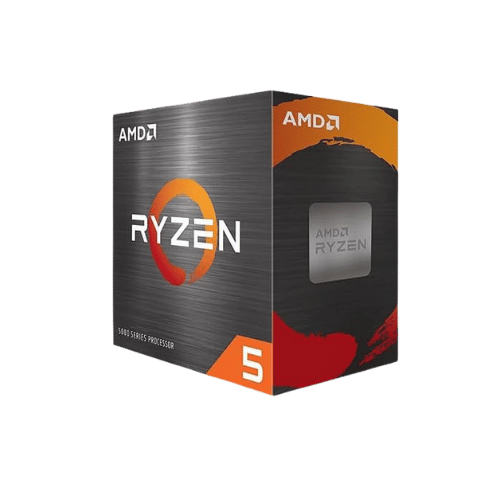
Is the AMD Ryzen 5 5500 Worth It in 2026?
Quick Verdict:
It depends—worth it if you want a budget-friendly CPU, but overkill for basic tasks.
How This Verdict Was Reached
PageBen prioritizes usefulness for US shoppers. Affiliate commission does not decide recommendations, rankings, or verdicts.
Sources Checked
Official specifications, Retailer ratings, Manufacturer documentation, PageBen research.
Decision Factors
We weigh core layout, platform support, gaming performance, productivity fit, thermals, and upgrade path.
Editorial Standard
Research-based analysis from documented specs, published lab measurements, and verified-buyer evidence. Any hands-on note is labeled as such. Full methodology.
Is AMD Ryzen 5 5500 worth it? Yes, but only if you're looking for a budget-friendly CPU with 6 cores and reliable performance. This processor shines in multi-threaded tasks but falls short in gaming due to its smaller L3 cache. It's a great fit for budget builders or casual users, but hardcore gamers may want to look elsewhere.
Is the Price Justified?
The AMD Ryzen 5 5500 is priced attractively as the most affordable 6-core Zen 3 processor available, making it a smart buy for those who want decent performance without breaking the bank. You get 6 cores and 12 threads, which is plenty for multitasking or light content creation. However, compared to newer models like the Ryzen 5 5600, which offers a larger L3 cache and PCIe 4.0 support, the 5500's value is less compelling for gaming enthusiasts. The PCIe 3.0 limitation restricts the potential of modern GPUs and SSDs, making the Ryzen 5 5500 feel a bit outdated for advanced builds. Overall, if you're looking for a solid entry-level CPU, the price is justified, but consider your long-term needs before purchasing.
3 Reasons to Buy
1. Affordable Entry-Level Performance
With the included Wraith Stealth cooler, you won't need to invest more in cooling solutions, further enhancing its value proposition. The low power consumption of 65W TDP means you can build a compact and energy-efficient PC without sacrificing too much performance. This balance of price and efficiency makes it appealing for anyone looking to build a capable PC on a budget.
2. Broad Compatibility
The dual-channel DDR4 memory support up to 3200 MT/s allows for fast data access, which is crucial for gaming and productivity. This compatibility ensures that you can maximize your system's potential without needing to replace additional components.
3. Low Power Consumption
This low power consumption also translates to quieter operation, as the cooler can run silently under normal loads. This is a notable advantage for those who prioritize a peaceful working environment or gaming setup.
Reasons to Skip It
Limited Gaming Performance
Moreover, the PCIe 3.0 limitation restricts the speed of modern SSDs and GPUs, which is a concern if you plan to upgrade your graphics card down the line. This could mean you won't fully utilize newer hardware, making it a less ideal choice for future-proofing your gaming rig.
No Integrated Graphics
This requirement also limits the use of the Ryzen 5 5500 for users who need an occasional display output for non-gaming tasks. For light users or those who simply need a processor for browsing and office tasks, a CPU with integrated graphics would be a better fit.
Technical Analysis
Key Specs at a Glance
The Ryzen 5 5500's 6 cores and 12 threads allow for smooth multitasking, making it ideal for budget gaming setups or everyday tasks. However, it features only a 3 MB L2 and 16 MB L3 cache, which is half of what the Ryzen 5 5600 offers, leading to lower gaming FPS in demanding titles. Its base clock of 3.6 GHz and boost clock of 4.2 GHz provide decent performance, but newer CPUs achieve higher clock speeds. The 65W TDP ensures low power consumption, which is excellent for energy-conscious builds, but keep in mind that it doesn’t include integrated graphics, so a discrete GPU is required. Lastly, the AM4 socket compatibility spans a wide range of motherboards, making upgrades easier, but the older PCIe 3.0 standard may limit future-proofing.
Who Is This For?
Ideal for budget gamers and casual users who want a balance of performance for multitasking and light gaming. The 6 cores and 12 threads make it suitable for everyday tasks and some content creation, but it lacks the gaming performance of higher-end options. Not recommended for hardcore gamers or those needing high-end performance due to its smaller L3 cache and lack of integrated graphics.
How It Stacks Up Against Alternatives
Leads the entry-level segment with the highest rating among 2 competing products.
Direct Competitors:
Worth the Upgrade? Premium Alternatives:
What to Expect Long-Term
Beyond the initial purchase, here's what to consider about owning the AMD Ryzen 5 5500:
Durability
CPUs rarely fail and can last 10+ years. Platform support (motherboard, RAM) limits practical lifespan.
Support & Warranty
AMD and Intel provide 3-year warranties. Modern CPUs are very reliable.
Upgrade Path
CPU generations bring 10-20% improvements. Upgrade when productivity or gaming demands increase.
Resale Value
CPUs retain 50-70% value for 2-3 years, then drop sharply as new generations launch.
Final Decision: Should You Buy It?
✓ Buy if:
- You need a budget-friendly CPU for multitasking and everyday tasks.
- You're building a PC without needing top-tier gaming performance.
- You want a processor that works with existing AM4 motherboards.
✗ Skip if:
- You plan to play modern, graphics-intensive games.
- You need integrated graphics for light tasks.
The AMD Ryzen 5 5500 earns its price tag. That 6-core, 12-thread setup alone makes it worth it for budget users looking for decent performance. PageBen recommends this CPU for those needing an affordable processor, but if gaming is a priority, look for options with more cache and integrated graphics.
Quick Questions
+ Is the AMD Ryzen 5 5500 worth buying in 2026?
It depends—worth it if you want a budget-friendly CPU, but overkill for basic tasks.
+ What are the main pros of AMD Ryzen 5 5500?
Key advantages: Most affordable 6-core Zen 3 processor available; Low power consumption and easy to cool (Wraith Stealth included); Works on virtually any AM4 motherboard (A320 to X570). These make it suitable for specific users in the processors market.
+ What are the downsides of AMD Ryzen 5 5500?
Main considerations: PCIe 3.0 limitation restricts maximum speed of modern SSDs and GPUs; Half the L3 cache of the Ryzen 5 5600, resulting in lower gaming FPS; No integrated graphics. Consider whether these affect your specific use case.
+ How long will the AMD Ryzen 5 5500 last?
CPUs rarely fail and can last 10+ years. Platform support (motherboard, RAM) limits practical lifespan.
+ What warranty does AMD Ryzen 5 5500 come with?
AMD and Intel provide 3-year warranties. Modern CPUs are very reliable.
+ How does AMD Ryzen 5 5500 compare to alternatives?
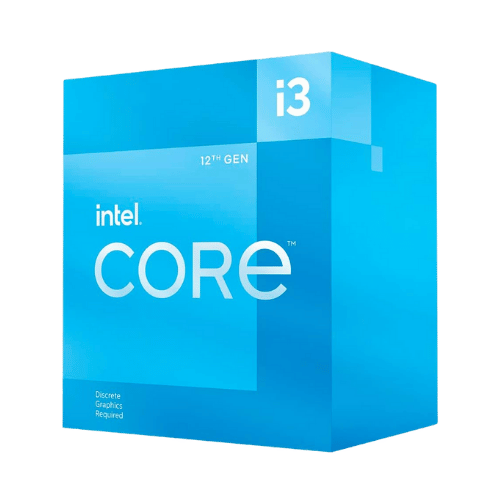
Leads the entry-level segment with the highest rating among 2 competing products. Direct competitors include Intel Core i3-12100F. Check our detailed comparison pages for head-to-head analysis.
+ Where can US buyers get AMD Ryzen 5 5500?
For US buyers, Amazon offers competitive pricing, fast Prime shipping, easy returns, and reliable warranty support. Use our link above to check current availability and pricing—prices can fluctuate frequently.