
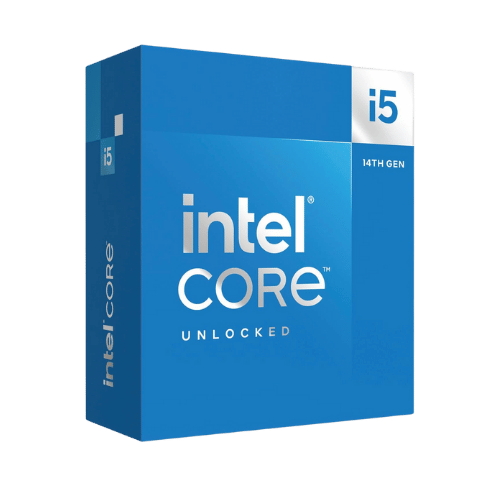
Is the Intel Core i5-14600K Worth It in 2026?
Quick Verdict:
It depends—worth it if you need solid gaming performance, overkill otherwise.
How This Verdict Was Reached
PageBen prioritizes usefulness for US shoppers. Affiliate commission does not decide recommendations, rankings, or verdicts.
Sources Checked
Official specifications, Retailer ratings, Manufacturer documentation, PageBen research.
Decision Factors
We weigh core layout, platform support, gaming performance, productivity fit, thermals, and upgrade path.
Editorial Standard
Research-based analysis from documented specs, published lab measurements, and verified-buyer evidence. Any hands-on note is labeled as such. Full methodology.
Is Intel Core i5-14600K worth it? Yes, but only if you’re looking for a balance of performance and price. With 14 cores and a max boost clock of 5.3 GHz, it delivers impressive gaming capabilities. This chip is ideal for gamers and content creators but may not be the best choice for casual users or office setups.
Is the Price Justified?
The Intel Core i5-14600K offers a strong price-to-performance ratio, especially for mid-range builds. At its core, you’re getting 14 cores and 20 threads, which means it can handle multitasking and gaming with ease—something previous generation i9s struggled with. This makes it an appealing option for anyone building a capable gaming rig without breaking the bank. However, its high power consumption—up to 181W under max turbo—might raise your electricity bill, especially if you’re pushing it hard. Compared to AMD’s Ryzen 5/7 processors, which generally offer better efficiency, the i5-14600K could seem less attractive for users focused on long-term costs. Another factor to consider is the LGA1700 socket's limited upgrade path. Since it's a dead-end socket, investing in this processor means you're likely to need a new motherboard for future upgrades. This could impact your long-term investment, as you won't easily transition to newer technologies. In terms of memory support, the i5-14600K can handle both DDR4 and DDR5, making it versatile for various budgets. While DDR5 can provide faster speeds, sticking with DDR4 can significantly reduce costs without sacrificing too much performance. This flexibility is a plus for buyers looking to save money on RAM. Overall, the Intel Core i5-14600K is a decent investment for those who prioritize gaming and multitasking. However, if you’re not planning to push it hard or need an efficient processor for everyday tasks, you might find better options in the current market.
3 Reasons to Buy
1. Crushes Gaming Performance
The Intel Core i5-14600K is built for gamers. With a max boost clock of 5.3 GHz, it handles the latest games effortlessly, ensuring smooth frame rates even at higher settings. This performance is crucial for competitive gaming where every millisecond counts. Its 14-core configuration (6 Performance + 8 Efficiency) means it can handle multitasking without breaking a sweat. Whether you're gaming while streaming or running other applications in the background, this processor ensures you won’t experience lag, making it a strong fit for content creators as well.
2. Flexible Memory Options
You can run either DDR4 or DDR5 memory with the i5-14600K, giving you flexibility based on your budget. This is a significant advantage since upgrading to DDR5 can be costly, but you can still leverage high performance with DDR4. Supporting up to 192 GB of memory, this processor is future-proof for users who may want to run intensive applications later on. This adaptability means you won't have to spend extra on new memory if you choose to stick with DDR4.
3. Value for Mid-Range Builds
The i5-14600K strikes a balance between price and performance, making it ideal for mid-range builds. With 14 cores and 20 threads, it offers plenty of power without the premium price tag associated with high-end processors. Given its performance metrics, it outperforms many previous-generation chips, making it a smart investment for anyone wanting to build a capable gaming or productivity machine without overspending.
Reasons to Skip It
High Power Consumption
One of the major downsides of the i5-14600K is its high power consumption, reaching up to 181W under maximum turbo conditions. This could lead to higher electricity bills over time, especially for users who plan to run it at full capacity regularly. If you’re looking for efficiency or planning to build a system that runs quietly and coolly, this chip may not be the best fit. Users who prioritize low power usage should definitely consider alternatives from AMD.
Limited Upgrade Path
The LGA1700 socket is a dead-end, which means there won't be future upgrades for this platform. Once you invest in this processor and its motherboard, you're locked into that technology. This restriction can affect buyers who like to keep their systems updated with the latest components, as you'll need to replace your motherboard entirely when looking to upgrade to newer processors or technologies.
Technical Analysis
Key Specs at a Glance
The Intel Core i5-14600K boasts 14 cores (6 Performance + 8 Efficiency) and 20 threads, which is excellent for handling demanding applications and gaming simultaneously. This architecture allows it to outperform previous-gen i9s in gaming scenarios, making it a strong contender in the mid-range segment. With a max boost clock of 5.3 GHz, the performance during peak loads is impressive, especially for tasks that require high single-core performance. This means faster load times and smoother gameplay, which is crucial for gaming enthusiasts. The 44MB total cache (20MB L2 + 24MB L3) also enhances performance by allowing for quicker access to frequently used data. This feature plays a significant role in maintaining high performance in both gaming and productivity applications, keeping everything running efficiently. In terms of memory, the ability to support DDR5-5600 and DDR4-3200 is notable. It means users can choose the memory type that fits their budget, with DDR5 providing a bandwidth of 89.6 GB/s, which is beneficial for data-intensive applications. Lastly, the PCIe 5.0 support with 20 total lanes allows for faster data transfer rates with compatible devices, ensuring that you can take advantage of the latest SSDs and GPUs without bottlenecks. This is vital for those looking to maximize their system's performance with advanced hardware.
Who Is This For?
The Intel Core i5-14600K is best for gamers and content creators who demand reliable performance without overspending. With a max boost clock of 5.3 GHz and 14 cores, it excels in multitasking and gaming scenarios. However, casual users or those looking for a budget-friendly office setup should skip this. Its high power draw and lack of an upgrade path can lead to unnecessary costs and limitations in the future.
How It Stacks Up Against Alternatives
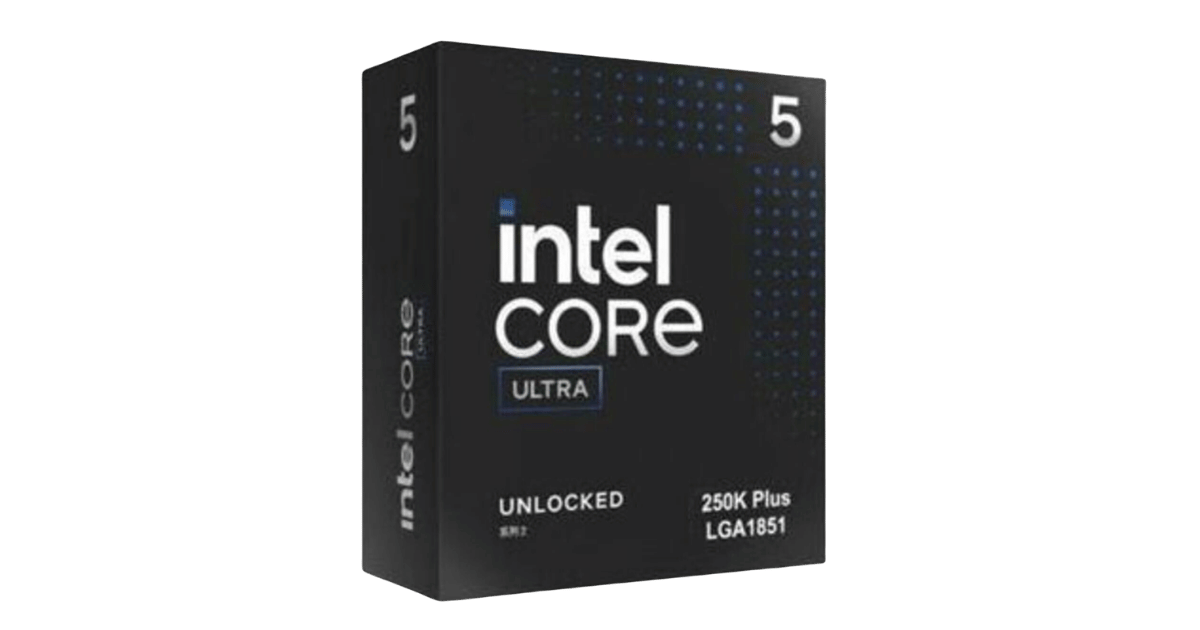
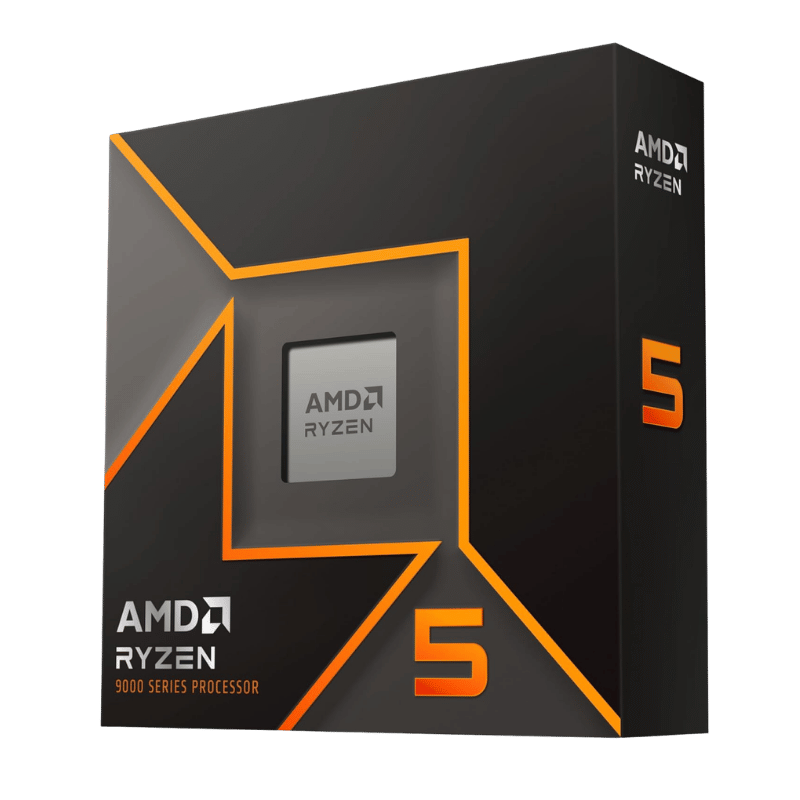
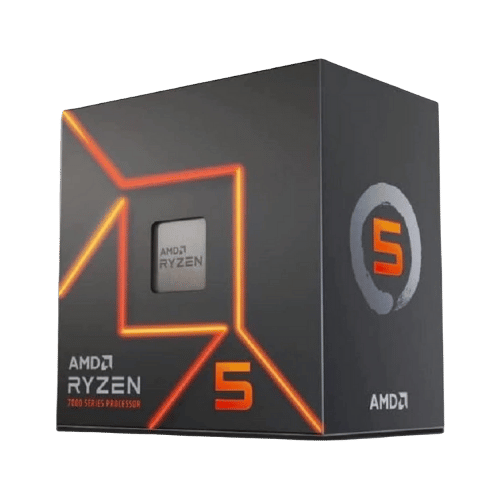
Competes in the mid-range segment alongside 19 other options.
Direct Competitors:
What to Expect Long-Term
Beyond the initial purchase, here's what to consider about owning the Intel Core i5-14600K:
Durability
CPUs rarely fail and can last 10+ years. Platform support (motherboard, RAM) limits practical lifespan.
Support & Warranty
AMD and Intel provide 3-year warranties. Modern CPUs are very reliable.
Upgrade Path
CPU generations bring 10-20% improvements. Upgrade when productivity or gaming demands increase.
Resale Value
CPUs retain 50-70% value for 2-3 years, then drop sharply as new generations launch.
Final Decision: Should You Buy It?
✓ Buy if:
- You want solid gaming performance and multitasking capabilities.
- You're planning a mid-range build without overspending.
- You need flexibility in memory options for your build.
✗ Skip if:
- You're looking for energy-efficient options.
- You prefer a processor with a future upgrade path.
The Intel Core i5-14600K earns its price tag. That 14-core architecture alone makes it worth it for gamers and content creators. For those who don't need high performance, this chip may not justify the investment. For more advice on tech products, check out PageBen, where we help you make smart buying decisions. With this processor's capabilities, you'll be well-equipped for both gaming and productivity tasks.
Quick Questions
+ Is the Intel Core i5-14600K worth buying in 2026?
It depends—worth it if you need solid gaming performance, overkill otherwise.
+ What are the main pros of Intel Core i5-14600K?
Key advantages: Excellent all-around performance: beats previous gen i9s in gaming; Balanced price-to-performance ratio for mid-range builds; Retains support for affordable DDR4 memory. These make it suitable for specific users in the processors market.
+ What are the downsides of Intel Core i5-14600K?
Main considerations: High power consumption compared to Ryzen 5/7 competitors; No upgrade path (LGA1700 is a dead-end socket); No stock cooler; requires a decent aftermarket cooling solution. Consider whether these affect your specific use case.
+ How long will the Intel Core i5-14600K last?
CPUs rarely fail and can last 10+ years. Platform support (motherboard, RAM) limits practical lifespan.
+ What warranty does Intel Core i5-14600K come with?
AMD and Intel provide 3-year warranties. Modern CPUs are very reliable.
+ How does Intel Core i5-14600K compare to alternatives?
Competes in the mid-range segment alongside 19 other options. Direct competitors include Intel Core Ultra 5 250K Plus, AMD Ryzen 5 9600X, AMD Ryzen 5 7600. Check our detailed comparison pages for head-to-head analysis.
+ Where can US buyers get Intel Core i5-14600K?
For US buyers, Amazon offers competitive pricing, fast Prime shipping, easy returns, and reliable warranty support. Use our link above to check current availability and pricing—prices can fluctuate frequently.