
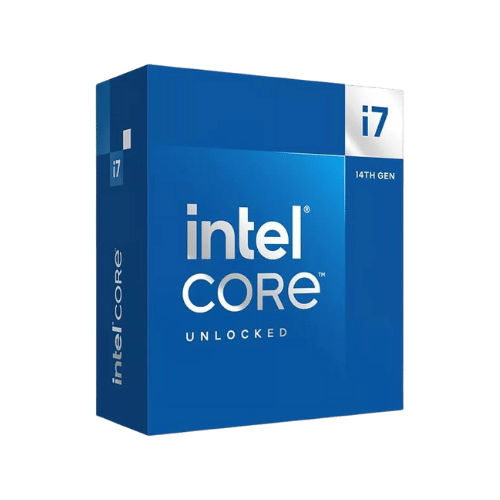
Is the Intel Core i7-14700K Worth It in 2026?
Quick Verdict:
It depends—worth it if you need top-tier multi-core performance and can manage heat output.
How This Verdict Was Reached
PageBen prioritizes usefulness for US shoppers. Affiliate commission does not decide recommendations, rankings, or verdicts.
Sources Checked
Official specifications, Retailer ratings, Manufacturer documentation, PageBen research.
Decision Factors
We weigh core layout, platform support, gaming performance, productivity fit, thermals, and upgrade path.
Editorial Standard
Research-based analysis from documented specs, published lab measurements, and verified-buyer evidence. Any hands-on note is labeled as such. Full methodology.
Is Intel Core i7-14700K worth it? It depends on your priorities. With 20 cores and 28 threads, it offers impressive multi-core performance for demanding tasks. This processor is ideal for gamers and content creators, but casual users might find it overkill. PageBen’s take? It's a powerful option for those who can handle its heat and power demands.
Is the Price Justified?
The Intel Core i7-14700K delivers reliable performance for its price, especially with its additional cores compared to the i7-13700K. The 5.6 GHz max turbo clock speed allows for high speeds in both gaming and productivity. However, it requires a significant investment in cooling due to its 125W TDP and potential to exceed 253W under load, which might not be justifiable for all users. Its versatility with DDR4 and DDR5 support adds value, enabling budget-friendly builds or high-performance setups. Overall, the price is justified if you need extreme performance and can manage the associated costs.
3 Reasons to Buy
1. Unmatched Multi-Core Performance
The Intel Core i7-14700K boasts 20 cores and 28 threads, making it a top contender for heavy multitasking and demanding applications. Whether you’re gaming or rendering video, this chip can handle it all without breaking a sweat. Compared to the i7-13700K, the extra E-cores provide a noticeable boost in performance, allowing for smoother workflows and better overall efficiency. This level of performance is particularly beneficial for content creators and professionals who rely on fast processing speeds. With the ability to reach 5.6 GHz, you can tackle resource-intensive tasks in record time. If you’re serious about gaming or heavy computing, this chip is worth considering.
2. Versatile Memory Support
The i7-14700K supports both DDR5-5600 and DDR4-3200 memory, giving you flexibility in terms of budget and performance. You can save money by opting for DDR4 while still benefiting from impressive speeds, making it a strong fit for gamers looking to maximize performance without overspending. Alternatively, investing in top-tier DDR5 memory can unlock the processor’s full potential, especially in bandwidth-heavy applications. This versatility ensures that you can tailor your build according to your specific needs and budget. Plus, with support for up to 192 GB of RAM, it’s future-proofed for high-performance tasks.
3. Gaming Performance That Rivals Flagships
In gaming scenarios, the i7-14700K provides excellent performance, often rivaling higher-end models. Its max turbo clock speed of 5.6 GHz ensures that you can achieve high frame rates in the latest games, making it an attractive option for serious gamers. The combination of high core count and fast clock speeds means you can enjoy a smooth gaming experience, even with demanding titles. This processor excels especially in multi-threaded gaming scenarios, where its architecture takes full advantage of the latest gaming technologies. If you want a chip that can handle everything from casual gaming to serious competitive play, the i7-14700K is a strong candidate.
Reasons to Skip It
High Power Consumption
One of the main drawbacks of the i7-14700K is its very high power consumption. With a base TDP of 125W and potential to reach 253W under load, this chip can lead to higher electricity bills and requires significant cooling. This might deter users who are looking for an energy-efficient solution or those on a budget. Casual users or light gamers may find the power demands excessive for their needs. For them, investing in a less power-hungry processor could save both money and hassle in terms of cooling requirements.
No Upgrade Path
The i7-14700K is built on the LGA1700 platform, which is nearing the end of its lifecycle. This means that there won't be future upgrades available for this socket, limiting your options down the line. If you’re planning a build that you want to last several years, this could be a significant consideration. Without future-proofing, you may find yourself needing to replace the entire motherboard and processor sooner than expected as new technologies emerge. This makes the investment less attractive for users looking for longevity in their build.
Technical Analysis
Key Specs at a Glance
The 20 cores (8P + 12E) architecture makes the i7-14700K a powerhouse, providing greater multi-threading capabilities than its predecessor. This is particularly beneficial for tasks like video editing or 3D rendering, where more cores translate into faster completion times. Additionally, the 61MB total cache enhances data retrieval, further boosting performance in demanding applications. With support for DDR5-5600 memory, this processor can handle substantial memory bandwidth, reaching 89.6 GB/s. This is crucial for gamers and content creators who require fast data access speeds. However, if you opt for DDR4, you can still achieve decent performance at a lower cost, making it a flexible choice. The PCIe 5.0 support provides future-proofing, allowing for the latest graphics cards and SSDs to be utilized. The 20 total lanes (16 PCIe 5.0 + 4 PCIe 4.0) ensure that you won’t be bottlenecked when adding multiple high-speed devices. However, the LGA1700 socket is a dead end, limiting future upgrades. One of the major downsides is the high power draw and thermal output. Users should prepare for a high-end cooling solution, ideally a 360mm AIO cooler, to maintain optimal performance. This is crucial since the chip can generate significant heat, especially under load, which could lead to throttling if not managed properly. Lastly, while the Intel UHD Graphics 770 offers basic graphical capabilities, it falls short for serious gaming. Users will need a dedicated GPU for optimal performance, which adds to the overall system cost. This chip excels in raw processing power but requires additional investment for a complete, high-performance setup.
Who Is This For?
This processor is ideal for content creators and gamers who need maximum performance and are willing to invest in a high-quality cooling solution. The 20 cores and 28 threads provide the necessary power for demanding applications, making it suited for video editing and gaming alike. However, casual users or those on a tight budget should look elsewhere. The high power consumption and cooling requirements make it less ideal for everyday tasks or light gaming. If you're not pushing your system to the limits, a less powerful processor would be more economical.
How It Stacks Up Against Alternatives
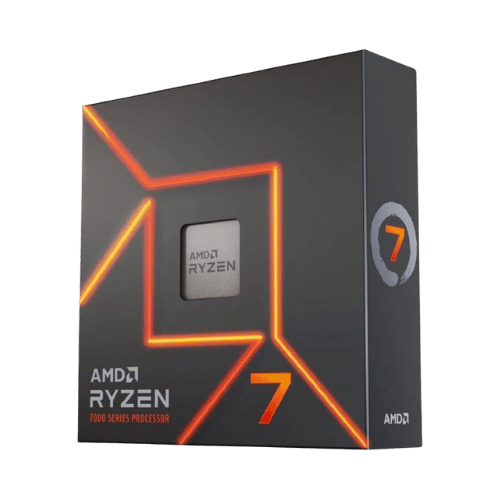
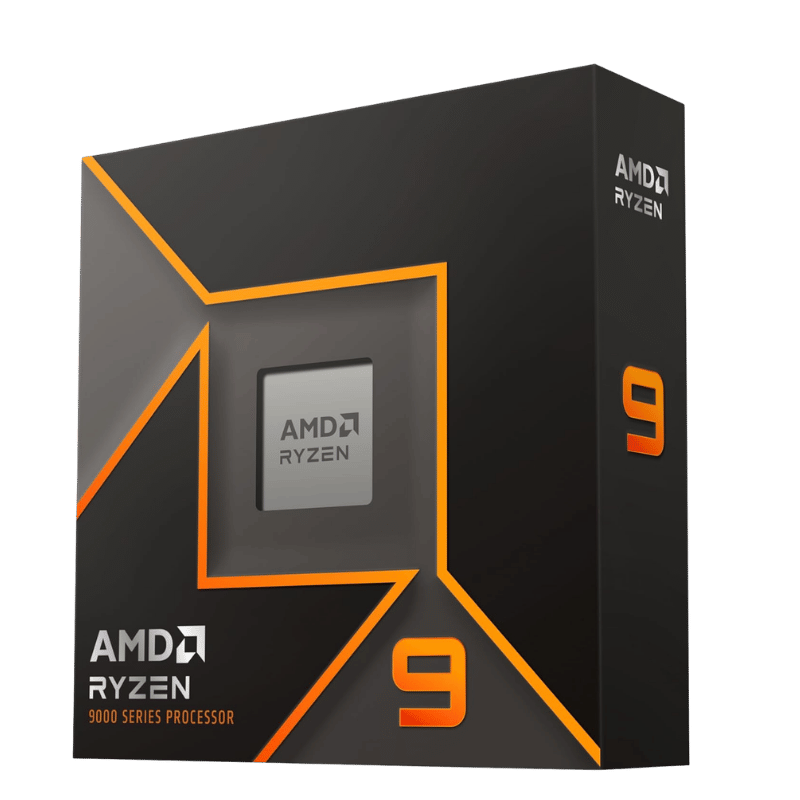
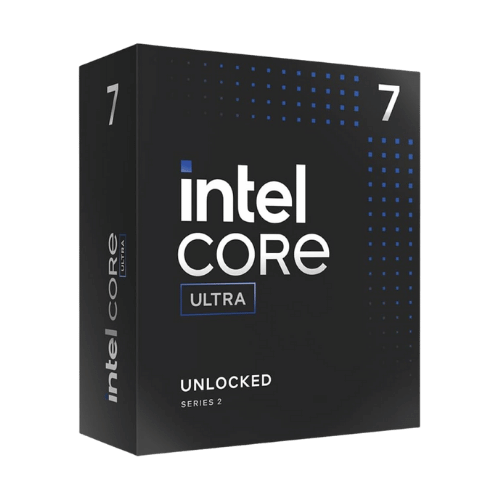
Competes in the high-end segment alongside 7 other options.
On a Budget? Consider These:
What to Expect Long-Term
Beyond the initial purchase, here's what to consider about owning the Intel Core i7-14700K:
Durability
CPUs rarely fail and can last 10+ years. Platform support (motherboard, RAM) limits practical lifespan.
Support & Warranty
AMD and Intel provide 3-year warranties. Modern CPUs are very reliable.
Upgrade Path
CPU generations bring 10-20% improvements. Upgrade when productivity or gaming demands increase.
Resale Value
CPUs retain 50-70% value for 2-3 years, then drop sharply as new generations launch.
Final Decision: Should You Buy It?
✓ Buy if:
- You need high multi-core performance for video editing or 3D rendering.
- You're a serious gamer wanting top-tier performance.
- You can manage the heat and power demands with adequate cooling.
✗ Skip if:
- You are a casual user or light gamer.
- You're looking for a more energy-efficient solution.
The Intel Core i7-14700K earns its price tag. The 20 cores and 28 threads alone make it worth it for serious gamers and content creators. However, if you don’t need that level of performance, this processor may not justify the investment. PageBen recommends weighing your needs carefully. If you're ready to handle the cooling and power demands, this chip can deliver exceptional performance that rivals the best in the market.
Quick Questions
+ Is the Intel Core i7-14700K worth buying in 2026?
It depends—worth it if you need top-tier multi-core performance and can manage heat output.
+ What are the main pros of Intel Core i7-14700K?
Key advantages: Significant multi-core performance boost over 13700K (4 extra E-cores); Excellent gaming performance, rivaling top-tier flagships; Versatile memory support (DDR4 for budget, DDR5 for performance). These make it suitable for specific users in the processors market.
+ What are the downsides of Intel Core i7-14700K?
Main considerations: Very high power consumption and thermal output; Requires a high-end cooling solution (360mm AIO recommended); Dead-end platform (LGA1700) with no upgrade path to Core Ultra. Consider whether these affect your specific use case.
+ How long will the Intel Core i7-14700K last?
CPUs rarely fail and can last 10+ years. Platform support (motherboard, RAM) limits practical lifespan.
+ What warranty does Intel Core i7-14700K come with?
AMD and Intel provide 3-year warranties. Modern CPUs are very reliable.
+ How does Intel Core i7-14700K compare to alternatives?
Competes in the high-end segment alongside 7 other options. Direct competitors include AMD Ryzen 7 7700X, AMD Ryzen 9 9900X, Intel Core Ultra 7 Processor 265K. Check our detailed comparison pages for head-to-head analysis.
+ Where can US buyers get Intel Core i7-14700K?
For US buyers, Amazon offers competitive pricing, fast Prime shipping, easy returns, and reliable warranty support. Use our link above to check current availability and pricing—prices can fluctuate frequently.