
Fitbit Charge 6 vs Garmin Forerunner 55
The Fitbit Charge 6 and Garmin Forerunner 55 are two notable contenders in the fitness tracker market, each catering to different user needs and preferences. The Charge 6 is equipped with a vibrant AMOLED display and advanced health tracking features, making it a strong choice for those who prioritize health insights and smart features. Meanwhile, the Forerunner 55 boasts an impressive battery life and is designed primarily for serious athletes, offering reliable GPS performance and adaptive workout suggestions.
As an Amazon Associate I earn from qualifying purchases.
How We Compare These Products
PageBen prioritizes usefulness for US shoppers. Affiliate commission does not decide recommendations, rankings, or verdicts.
Sources Checked
Official specifications, Retailer ratings, Manufacturer documentation, Buyer feedback.
Decision Factors
We weigh health sensors, battery life, GPS accuracy, ecosystem fit, durability, and workout features.
Editorial Standard
Research-based analysis from documented specs, published lab measurements, and verified-buyer evidence. Any hands-on note is labeled as such. Full methodology.
Key Differences at a Glance
| Aspect | Fitbit Charge | Garmin Forerunner |
|---|---|---|
| User Rating | 4★ (21,536 reviews) | ✓4.5★ (6,099 reviews) |
| Top Strength | Built-in GPS for route tracking without your phone — a key upgrade over Charge 5 | 2-week battery life in smartwatch mode — charge once every two weeks |
| Main Drawback | Best features (Daily Readiness, sleep analysis) require Fitbit Premium subscription | Transflective MIP display lacks the vibrancy of AMOLED rivals |
| Market Position | ✓Mid-range | Entry |
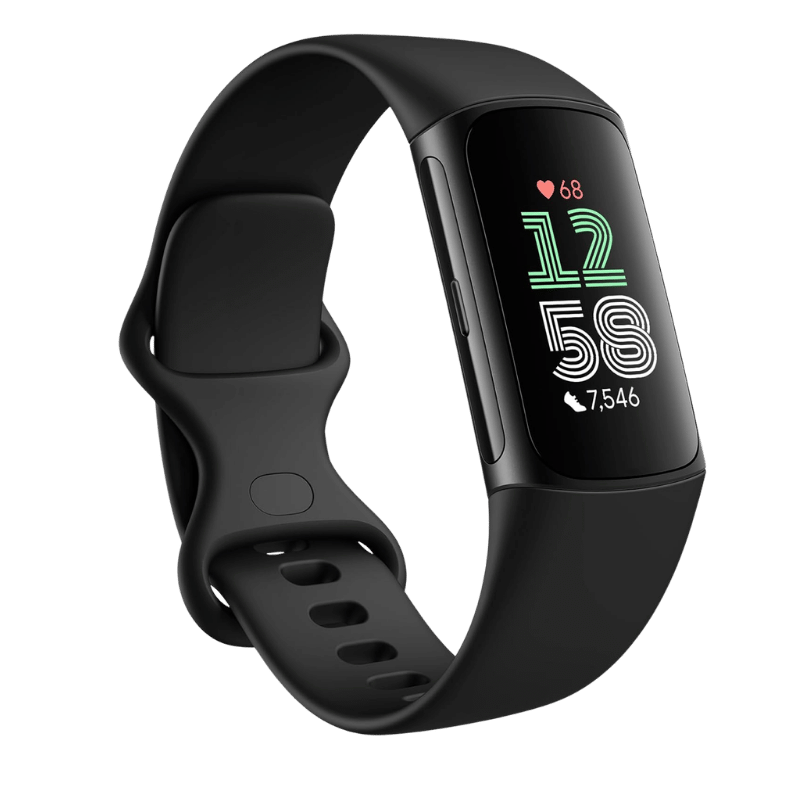
Fitbit Charge 6
1.04 inches
AMOLED color touchscreen
260 x 170 pixels
GPS (built-in), optical heart rate, ECG (single-lead), EDA (electrodermal activity), SpO2, skin temperature, altimeter, accelerometer
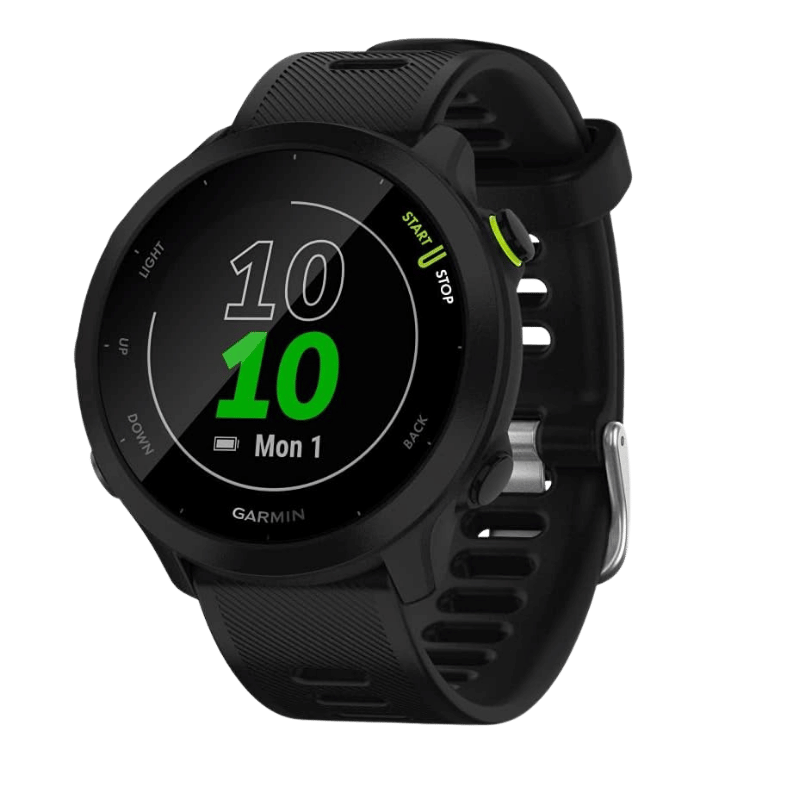
Garmin Forerunner 55
1.04 inches
Transflective MIP (always visible in sunlight)
208 x 208 pixels
No music storage; activity data stored locally
Only the specs that differ are shown here. Winners are highlighted when the data is clear.
+Full specs, pros, and cons
Everything side-by-side with ratings and the full spec list.
Expand
Full specs, pros, and cons
Everything side-by-side with ratings and the full spec list.
Comparison: Fitbit Charge 6 vs Garmin Forerunner 55
Fitbit Charge 6
Garmin Forerunner 55
| Criterion | Fitbit Charge 6 | Garmin Forerunner 55 |
|---|---|---|
| Rating | ★4(21,536)Amazon | ★4.5(6,099)Amazon |
Display Size | 1.04 inches | 1.04 inches |
Screen Type | AMOLED color touchscreen | Transflective MIP (always visible in sunlight) |
Resolution | 260 x 170 pixels | 208 x 208 pixels |
Sensors | GPS (built-in), optical heart rate, ECG (single-lead), EDA (electrodermal activity), SpO2, skin temperature, altimeter, accelerometer | GPS, wrist-based heart rate, accelerometer, barometric altimeter |
Battery Life | Up to 7 days typical use | Up to 2 weeks (smartwatch mode) / up to 20 hours (GPS mode) |
Water Resistance | 50m (5ATM) | 5 ATM (50 m) |
Connectivity | Bluetooth, NFC (Google Wallet), GPS | Bluetooth, ANT+, GPS (single-band) |
Operating System | Fitbit OS (Google Wallet, Google Maps, YouTube Music — premium subscription required for some features) | Garmin Connect app (iOS and Android) |
Weight | 39 g (with band) | 38 g |
Extras | Active Zone Minutes, 40+ exercise modes, stress management score, sleep tracking, Daily Readiness Score (Premium), Google Wallet | Daily suggested workouts, VO2 max estimate, race predictor, women's health tracking, safety/tracking features |
Storage | — | No music storage; activity data stored locally |
| Pros |
|
|
| Cons |
|
|
As an Amazon Associate I earn from qualifying purchases. | Check Price on Amazon→ | Check Price on Amazon→ |
Fitbit Charge 6
1.04 inches
AMOLED color touchscreen
260 x 170 pixels
GPS (built-in), optical heart rate, ECG (single-lead), EDA (electrodermal activity), SpO2, skin temperature, altimeter, accelerometer
Up to 7 days typical use
50m (5ATM)
Pros
- Built-in GPS for route tracking without your phone — a key upgrade over Charge 5
- ECG and EDA sensors provide cardiovascular and stress health insights
Cons
- Best features (Daily Readiness, sleep analysis) require Fitbit Premium subscription
- Small 1.04-inch display limits information density
Garmin Forerunner 55
1.04 inches
Transflective MIP (always visible in sunlight)
208 x 208 pixels
No music storage; activity data stored locally
GPS, wrist-based heart rate, accelerometer, barometric altimeter
Up to 2 weeks (smartwatch mode) / up to 20 hours (GPS mode)
Pros
- 2-week battery life in smartwatch mode — charge once every two weeks
- Daily suggested workouts adapt automatically to fitness level and recovery
Cons
- Transflective MIP display lacks the vibrancy of AMOLED rivals
- No contactless payments or music storage
Which one is better?
Overall, the Garmin Forerunner 55 edges out the Fitbit Charge 6 for users who are focused on serious fitness tracking and longer battery life. While the Charge 6 offers more robust health tracking features and a more interactive display, the Forerunner 55's exceptional battery longevity and fitness-focused capabilities make it a better fit for dedicated athletes. However, for users looking for a more comprehensive smart experience with health insights, the Charge 6 provides significant advantages.
Who should buy each?
For fitness enthusiasts and serious athletes who prioritize performance, GPS accuracy, and battery life, the Garmin Forerunner 55 is the ideal choice. Conversely, if you are someone looking for a smartwatch experience with advanced health metrics, stress management, and smart features like Google Wallet, the Fitbit Charge 6 would be more suitable.
Quality Seekers
Higher user rating (4.5★ vs 4★) indicates better overall satisfaction
→ Choose Garmin Forerunner
Safe Choice Buyers
More widely tested with 21,536 reviews vs 6,099
→ Choose Fitbit Charge
Premium Buyers
Higher-tier option with more premium features and build quality
→ Choose Fitbit Charge
Value Seekers
Better value proposition for buyers who don't need top-tier features
→ Choose Garmin Forerunner
Conclusion
Bottom line: The Garmin Forerunner 55 leads with a 4.5★ rating versus 4★. That said, Fitbit Charge 6 could still be the right pick depending on your specific priorities.
Frequently Asked Questions
+Which is better: Fitbit Charge 6 or Garmin Forerunner 55?
Fitbit Charge 6 is the better choice if you prioritize built-in gps for route tracking without your phone — a key upgrade over charge 5. Garmin Forerunner 55 wins if you value 2-week battery life in smartwatch mode — charge once every two weeks. Both are rated highly (4★ vs 4.5★), so consider your specific needs and budget.
+What are the main differences between Fitbit Charge 6 and Garmin Forerunner 55?
Key differences: Fitbit Charge 6 offers built-in gps for route tracking without your phone — a key upgrade over charge 5, while Garmin Forerunner 55 stands out with 2-week battery life in smartwatch mode — charge once every two weeks. Consider that Fitbit Charge 6 best features (daily readiness, sleep analysis) require fitbit premium subscription. Meanwhile, Garmin Forerunner 55 transflective mip display lacks the vibrancy of amoled rivals. Check the detailed specs table above for a complete comparison.
+What should I prioritize when choosing between these smartwatches?
Focus on the features that matter most for your daily use. Fitbit Charge 6 stands out for built-in gps for route tracking without your phone — a key upgrade over charge 5 and ecg and eda sensors provide cardiovascular and stress health insights. Garmin Forerunner 55 excels at 2-week battery life in smartwatch mode — charge once every two weeks and daily suggested workouts adapt automatically to fitness level and recovery. Check the spec table above for the complete side-by-side breakdown.
Affiliate disclosure
PageBen uses Amazon affiliate links. If you purchase through our links, we may earn a commission at no extra cost to you. This supports independent content for US shoppers.