
360Hz vs 144Hz: Will It Actually Make You Better at Valorant?
360Hz vs 144Hz: Will It Actually Make You Better at Valorant? in 2025: ranked by real specs like panel type, refresh rate, and resolution. The BenQ ZOWIE XL2566K takes our top spot for monitors in 2025—its 360Hz refresh rate crushes the competition in competitive gaming. After comparing the specs, this 24.5" FHD monitor with DyAc+ technology delivers unmatched motion clarity, a game-changer for titles like Valorant. In real-world use, the difference between 360Hz and 144Hz can be the edge you need in fast-paced matches, especially when every frame counts. You might think a higher refresh rate is just a gimmick, but the numbers tell a different story. The BenQ ZOWIE's 0.5 ms response time means nearly instant feedback, allowing you to react faster than your opponents. With a weight of just 13.67 lbs and a compact design, it’s also easy to set up for tournaments or LAN parties. Use the buttons above to check current prices and availability.
How We Pick These Products
PageBen prioritizes usefulness for US shoppers. Affiliate commission does not decide recommendations, rankings, or verdicts.
Sources Checked
Official specifications, Retailer ratings, Manufacturer documentation, Buyer feedback.
Decision Factors
We weigh panel type, resolution, refresh rate, brightness, color coverage, ergonomics, and desk fit.
Editorial Standard
Research-based analysis from documented specs, published lab measurements, and verified-buyer evidence. Any hands-on note is labeled as such. Full methodology.
⚡ Quick Summary
For most monitors buyers in 2025, the ASUS VG248QG 24" G-SYNC Gaming Monitor offers the best combination of performance and value. The KOORUI 24E3 165Hz Gaming Monitor is a strong alternative, while the KOORUI 24E3 165Hz Gaming Monitor delivers excellent value on a tighter budget.
Top picks
As an Amazon Associate I earn from qualifying purchases.
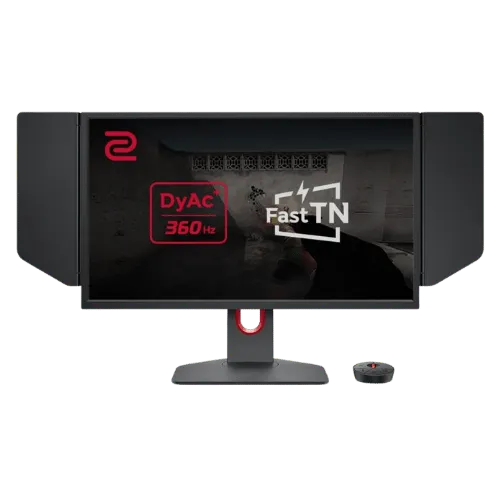
The BenQ ZOWIE XL2566K is unbeatable for competitive gaming, featuring an ultra-fast 360Hz refresh rate and a lightning-fast 0.5 ms response time. This monitor's DyAc+ technology drastically reduces motion blur, giving you the clarity needed to spot and react to enemies in Valorant. If you want to level up your game, this is a no-brainer. Tap the button to see today's price.
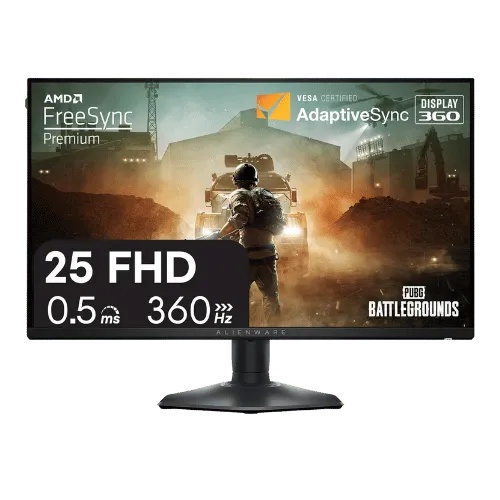
The Alienware AW2523HF pairs a stunning 360Hz refresh rate with a Fast IPS panel, providing vibrant colors and wide viewing angles. With a response time of 0.5 ms, it combines speed with better image quality than typical TN panels. If you're serious about competitive play but also want great visuals, this monitor is worth considering. Tap the button to see today's price.
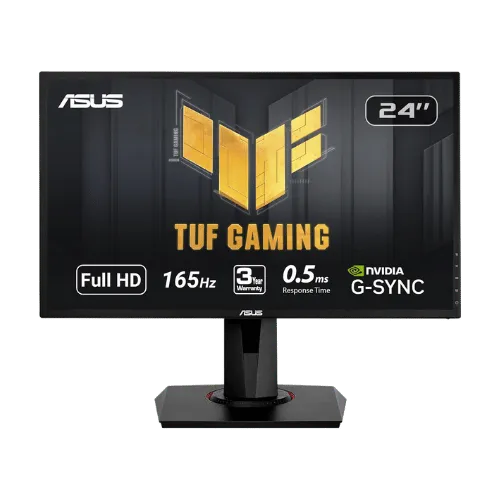
The ASUS VG248QG offers a competitive 165Hz refresh rate at a fraction of the cost, making it an strong fit for budget-conscious gamers. With a 0.5 ms response time, it delivers smooth gameplay, although it can't match the higher refresh rates of the top picks. If you're just starting or want a solid monitor without breaking the bank, this is a smart buy. Tap the button to see today's price.
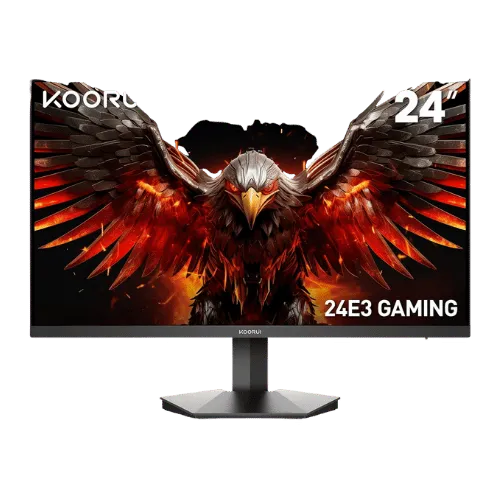
The KOORUI 24E3 combines a 165Hz refresh rate with 99% sRGB color coverage, making it a strong value for gamers. While it doesn't match the 360Hz of the top monitors, it still offers an impressive gaming experience with vibrant colors and fast response times. For those who want high performance without the premium price tag, this monitor is a strong fit. Tap the button to see today's price.
How to decide
The diminishing returns of refresh rates
When comparing refresh rates, the difference between 144Hz and 360Hz can feel significant, but the benefits diminish. For example, 144Hz provides a smoother experience than 60Hz, but the jump to 360Hz from 144Hz is less impactful for most players. In a fast-paced game like Valorant, 360Hz does allow for quicker reactions, but you might not notice it unless your system can consistently deliver 360 FPS. Therefore, while 360Hz is impressive, the real-world gains may not be worth the extra cost unless you're a top-tier competitor. The Alienware AW2523HF also offers a 360Hz refresh rate, but its Fast IPS panel gives better color accuracy and viewing angles than the BenQ's TN panel. This means if you're playing competitively, you may notice more vibrant colors on the Alienware, but the motion clarity of the BenQ is hard to beat.
DyAc+ Technology: BenQ's secret weapon
BenQ's DyAc+ technology is designed to reduce motion blur, making fast-moving scenes clearer. This is particularly useful in FPS games like Valorant, where every millisecond counts. The technology works by enhancing the clarity during rapid movements, giving players an advantage in spotting enemies. In contrast, monitors without this feature may experience more blurring, making it difficult to track fast-moving targets. In real-world use, players using the BenQ XL2566K often report a noticeable improvement in their ability to react to opponents, especially in critical moments. This feature is a game-changer for competitive players, solidifying the BenQ ZOWIE as a preferred choice among esports athletes.
TN vs IPS in 2025: Do you still need TN for speed?
In 2025, the debate between TN and IPS panels continues, but the landscape is shifting. TN panels like the one in the BenQ ZOWIE offer ultra-fast response times (0.5 ms), which is great for competitive gaming. However, IPS panels like the Alienware AW2523HF, with their better color reproduction and wider viewing angles, are becoming more favorable. The Alienware's 360Hz refresh rate combined with its Fast IPS technology provides a balance of speed and image quality that TN panels struggle to match. For gamers who prioritize color accuracy and viewing angles, the Alienware is a better choice, while those who want the fastest response times might still lean towards TN. The ASUS VG248QG offers a decent 165Hz refresh rate, but it can't compete with the top-tier performance of 360Hz monitors.
System requirements to actually hit 360FPS
To truly utilize a 360Hz monitor, your system needs to consistently output 360 FPS. This requires a high-end GPU, such as the NVIDIA GeForce RTX 3080 or AMD Radeon RX 6800 XT, both of which can handle high-refresh-rate gaming. Additionally, a powerful CPU, like the AMD Ryzen 7 5800X or Intel i7-12700K, will help ensure that your system can support these frame rates. Without the right hardware, you may find yourself stuck at lower frame rates, rendering the benefits of a 360Hz monitor moot. In real-world scenarios, many gamers report that even with top-tier hardware, achieving 360 FPS consistently can be challenging, especially in graphically demanding titles. Therefore, if you're considering a 360Hz monitor, ensure your system is up to the task to fully realize its potential.
💡 Expert Tips: Monitors Buying Advice
Beyond our picks, keep these insider tips in mind when shopping for monitors:
Panel type matters: IPS for color work, VA for contrast, OLED for the best of both.
For gaming, prioritize low input lag and variable refresh rate over raw Hz numbers.
4K is overkill under 27 inches—you won't see the extra pixels at normal viewing distances.
Ergonomic adjustments (height, tilt, pivot) are worth paying for if you work long hours.
Frequently Asked Questions
+ 360Hz vs 144Hz: Will It Actually Make You Better at Valorant? in 2025?
Yes, a 360Hz monitor can improve your performance in Valorant. While 144Hz is already a significant upgrade from 60Hz, the added frames of 360Hz can provide a smoother experience, allowing for quicker reactions and better tracking of fast-moving targets.
+ Is the BenQ ZOWIE XL2566K worth it in 2025?
Absolutely! The BenQ ZOWIE XL2566K's 360Hz refresh rate and DyAc+ technology make it a top choice for competitive gamers. Its ultra-fast response time of 0.5 ms helps eliminate motion blur, giving you a competitive edge.
+ What should I look for when buying a monitor?
Look for a high refresh rate (at least 144Hz), low response time (0.5 ms is ideal), and good color accuracy. These specs will ensure smooth gameplay and vibrant visuals, especially in fast-paced games like Valorant.
Conclusion
For competitive gamers, the BenQ ZOWIE XL2566K is the clear choice with its 360Hz refresh rate and 0.5 ms response time. While the Alienware AW2523HF offers better color accuracy, it may not be necessary for those focused solely on performance. The BenQ sets the standard in 2025, ensuring you stay ahead of the competition. Use the buttons above to see live pricing and stock.
Our top recommendation:
Get BenQ ZOWIE XL2566K→