
Goodbye 60Hz: Why the iPhone 17 Air is the Most Important Upgrade
Goodbye 60Hz: Why the iPhone 17 Air is the Most Important Upgrade in 2026: ranked by real specs like camera hardware, battery capacity, and display refresh rate. The iPhone 17 Air takes our top spot for smartphones in 2026 - its 120Hz ProMotion display beats the competition. After comparing the specs, the 17 Air's ultra-thin 6.6" OLED screen and powerful A19 Pro chip make it a standout choice. In real-world use, you'll notice the difference in smoothness and responsiveness, especially when scrolling through apps or gaming. With a 3150 mAh battery lasting up to 26 hours of video playback, it’s designed to keep up with your busy lifestyle. Use the buttons above to check current prices and availability.
How We Pick These Products
PageBen prioritizes usefulness for US shoppers. Affiliate commission does not decide recommendations, rankings, or verdicts.
Sources Checked
Official specifications, Retailer ratings, Manufacturer documentation, Buyer feedback.
Decision Factors
We weigh camera system, display, battery life, software support, performance, storage, and carrier fit.
Editorial Standard
Research-based analysis from documented specs, published lab measurements, and verified-buyer evidence. Any hands-on note is labeled as such. Full methodology.
⚡ Quick Summary
For most smartphones buyers in 2026, the Apple iPhone 15 offers the best combination of performance and value. The Samsung Galaxy S24 is a strong alternative.
Top picks
As an Amazon Associate I earn from qualifying purchases.
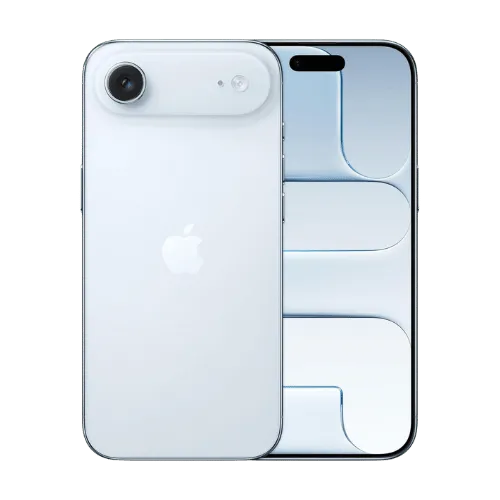
The iPhone 17 Air is the top pick for 2026, featuring a stunning 120Hz ProMotion display that delivers a smoother experience than the 60Hz of the iPhone 16. With a powerful A19 Pro chip and 12GB of RAM, it handles multitasking with ease. Plus, the 3150 mAh battery gives up to 26 hours of video playback, making it ideal for heavy users. Tap the button to see today's price.
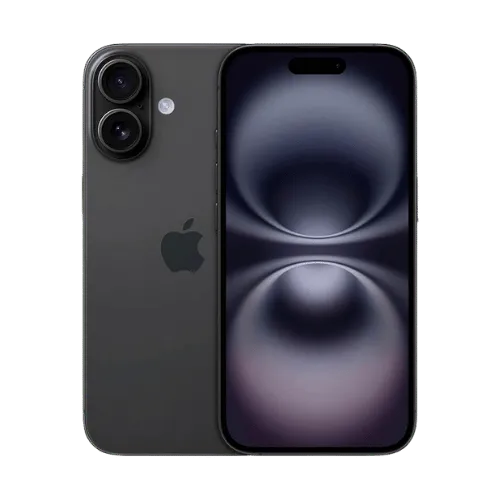
The iPhone 16 is a great mid-range option, featuring a 48MP Fusion camera that excels in high-resolution photography. It offers 22 hours of video playback thanks to its 3561 mAh battery, which is competitive for its price range. Although it lacks the 120Hz display, its overall performance is impressive for users who prioritize camera quality. Tap the button to see today's price.
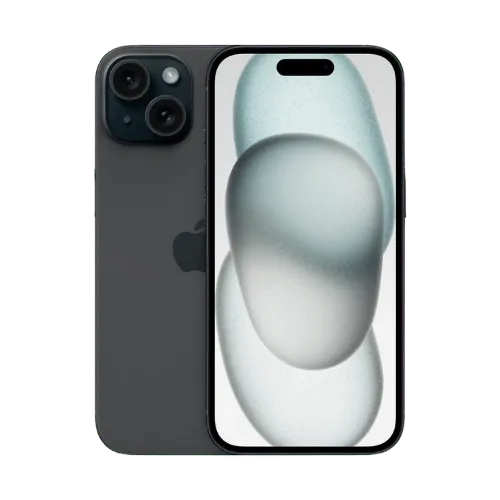
The iPhone 15 remains a strong fit for those seeking reliability with its 48MP main camera and 3349 mAh battery, providing up to 20 hours of video playback. While it also has a 60Hz display, its performance is still commendable for everyday tasks. If you can find it at a discount, it's worth considering as a dependable option. Tap the button to see today's price.
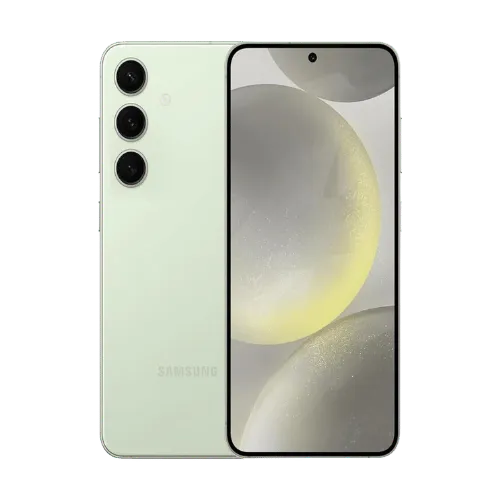
The Samsung Galaxy S24 is an excellent alternative, promising 7 years of software updates, which is unmatched in the market. With a 4000 mAh battery lasting up to 29 hours of video playback, it’s perfect for heavy users. The 120Hz display and Snapdragon 8 Gen 3 chip ensure top-tier performance for gaming and multitasking. Tap the button to see today's price.
How to decide
Why Apple kept 60Hz for so long on base models
Apple's decision to stick with a 60Hz refresh rate on previous base models like the iPhone 16 and 15 was largely about balancing performance and battery life. The iPhone 16, for instance, features a 6.1" OLED display but only refreshes at 60Hz, which is standard for many smartphones. This choice allowed for better battery longevity, with a 3561 mAh battery lasting up to 22 hours of video playback. However, as consumer expectations evolved, Apple recognized the need to innovate, leading to the introduction of the 120Hz ProMotion display in the 17 Air, which provides a significantly smoother experience.
ProMotion explained: Smoother scrolling, better battery
The iPhone 17 Air’s 120Hz ProMotion display is a game-changer. This technology allows the screen to adapt its refresh rate from 1Hz to 120Hz, depending on the content. In real-world use, this means scrolling through social media feels twice as smooth compared to the 60Hz display on the iPhone 16. Additionally, while many assume a higher refresh rate drains battery life, the adaptive feature ensures that when you're not actively using the display, it conserves energy, extending the 3150 mAh battery life effectively.
17 Air vs 17 Pro: What do you lose?
When comparing the iPhone 17 Air to the iPhone 17 Pro, you’ll notice some key differences. The Pro model includes additional camera features like a dedicated telephoto lens and improved optical zoom. While the 17 Air has a single 48MP Fusion camera capable of 2x optical-quality zoom, it lacks the versatility of the Pro's triple-camera setup. However, the Air is lighter at 5.82 oz compared to the Pro's heavier build, making it more portable for everyday use. For those who prioritize weight and simplicity, the 17 Air is a no-brainer.
Is the standard iPhone 16 obsolete now?
With the launch of the iPhone 17 Air, the iPhone 16 faces tough competition. Its 6.1" OLED display and 60Hz refresh rate feel outdated compared to the stunning 6.6" OLED and 120Hz of the 17 Air. While the 16 still offers reliable performance with its A18 chip, the 17 Air's A19 Pro chip provides a noticeable boost in speed and efficiency. If you’re using the iPhone 16 mainly for social media or casual browsing, it still holds up, but for anyone looking for the best smartphone experience, the 17 Air is clearly the better investment.
💡 Expert Tips: Smartphones Buying Advice
Beyond our picks, keep these insider tips in mind when shopping for smartphones:
Don't just chase megapixels—sensor size and computational photography matter more for photo quality.
Check software update policies: iPhones get 5-6 years of updates, while Android support varies widely.
Battery capacity over 4500mAh typically ensures all-day use for most users.
If you're switching ecosystems, factor in the cost of re-buying apps and accessories.
Frequently Asked Questions
+ Goodbye 60Hz: Why the iPhone 17 Air is the Most Important Upgrade in 2026?
The iPhone 17 Air is crucial because it introduces a 120Hz ProMotion display to the non-Pro tier, enhancing the user experience significantly. With a 3150 mAh battery that lasts up to 26 hours, it sets a new standard for smartphones in 2026.
+ Is the iPhone 17 Air worth it in 2026?
Yes, the iPhone 17 Air is worth the investment in 2026. Its 120Hz display and A19 Pro chip make it a powerhouse, especially for users who enjoy gaming or streaming.
+ What should I look for when buying a smartphone?
Look for key features like battery life, camera quality, and display refresh rate. A smartphone with at least a 120Hz refresh rate and a battery that lasts over 20 hours is ideal for active users.
+ Is it worth spending more on the Pro model?
It depends on your priorities. The Pro model offers additional camera features and higher performance, but if you primarily use your phone for social media, the iPhone 17 Air is a smarter buy.
Conclusion
For tech enthusiasts, the iPhone 17 Air is the clear choice in 2026. It combines a 120Hz display with a powerful A19 Pro chip, making it ideal for gaming and media consumption. While the iPhone 16 remains a reliable pick, it simply can't compete with the Air's advancements. Use the buttons above to see live pricing and stock.
Our top recommendation:
Get Apple iPhone 17→