
AI PCs: Which Laptops are Ready for the Future (2026)?
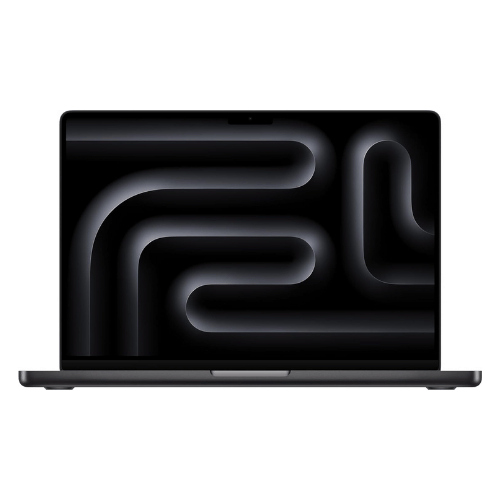
AI PCs: Which Laptops are Ready for the Future (2026)?: ranked by real specs like CPU/GPU class, RAM capacity, and display refresh rate. The Apple MacBook Pro 14-inch takes our top spot for laptops in 2026 - its stunning 120Hz Liquid Retina XDR display and powerful M3 Max chip make it a no-brainer for anyone seeking performance and quality. After comparing the specs, it’s clear this laptop crushes the competition with its peak brightness of 1,600 nits and up to 128GB of unified memory, making it perfect for demanding workflows. In real-world use, you'll enjoy up to 18 hours of video playback on a single charge, ensuring you can work or play all day without worrying about battery life. Use the buttons above to check current prices and availability.
How We Pick These Products
PageBen prioritizes usefulness for US shoppers. Affiliate commission does not decide recommendations, rankings, or verdicts.
Sources Checked
Official specifications, Retailer ratings, Manufacturer documentation, Buyer feedback.
Decision Factors
We weigh processor class, memory, display quality, battery life, ports, weight, and upgrade limits.
Editorial Standard
Research-based analysis from documented specs, published lab measurements, and verified-buyer evidence. Any hands-on note is labeled as such. Full methodology.
⚡ Quick Summary
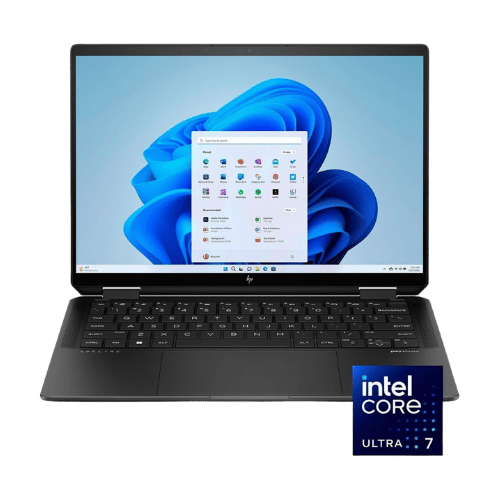
For most laptops buyers in 2026, the Apple MacBook Pro 14-inch offers the best combination of performance and value. The HP Spectre x360 14" 2-in-1 Core Ultra 7 155H is a strong alternative.
Top picks
As an Amazon Associate I earn from qualifying purchases.
The Apple MacBook Pro 14-inch stands out with its M3 Max chip, offering up to 128GB of unified memory and a 120Hz Liquid Retina XDR display. This combination allows for seamless multitasking and stunning visuals that are hard to beat. With a peak brightness of 1,600 nits and up to 18 hours of battery life, this laptop is built for professionals who demand the best. Tap the button to see today's price.
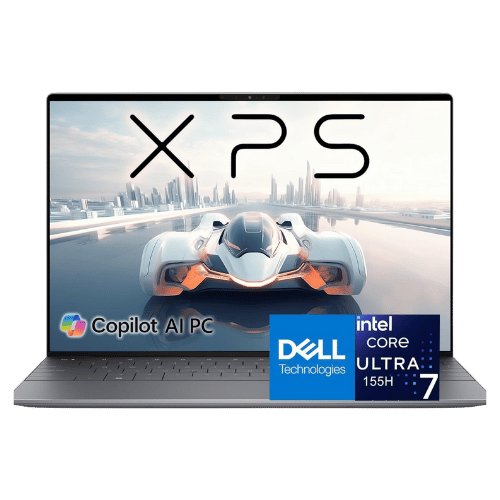
The Dell XPS 13 (9340) combines a sleek design with powerful specs, featuring the Intel Core Ultra 7 and an impressive 120Hz display. Weighing just 2.6 lbs, it's perfect for on-the-go users. Its Wi-Fi 7 capability ensures you're ready for the fastest wireless speeds available. Tap the button to see today's price.
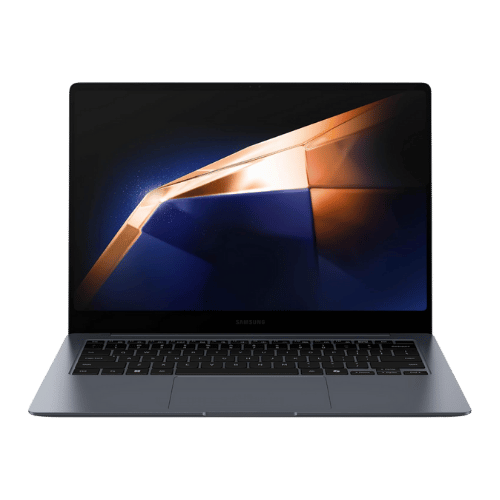
The Samsung Galaxy Book4 Pro features a gorgeous 3K Dynamic AMOLED 2X touchscreen, ideal for both work and entertainment. The Intel Core Ultra 7 ensures strong performance, while the lightweight design at 2.71 lbs makes it easy to carry. With 120% DCI-P3 color volume, images are vibrant and true to life. Tap the button to see today's price.
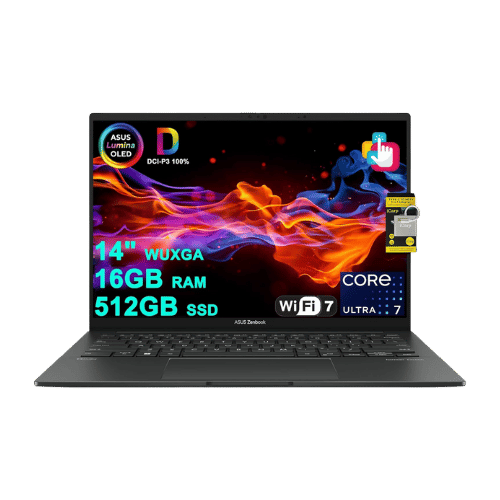
The ASUS Zenbook 14 OLED offers an impressive 75Wh battery, lasting throughout the day even under heavy use. Its 120Hz OLED display enhances your viewing experience, making everything look sharp and smooth. Weighing just 2.82 lbs, it's a lightweight powerhouse that's perfect for students or remote workers. Tap the button to see today's price.
The HP Spectre x360 14 is a versatile 2-in-1 convertible laptop with 32GB of RAM and a stunning 2.8K OLED display. It's perfect for those who need flexibility in their work, whether in laptop or tablet mode. The premium design and AI-enhanced webcam add to its appeal, making it a top pick for professionals. Tap the button to see today's price.
How to decide
Understanding NPU (Neural Processing Units)
In 2026, NPUs are becoming essential for enhancing AI performance in laptops. The Apple MacBook Pro features a 16-core Neural Engine, enabling seamless handling of AI tasks. Meanwhile, the Dell XPS 13 utilizes Intel's AI Boost, providing dedicated NPU capabilities but with less raw power than Apple’s offering. This difference can impact tasks like video editing or machine learning, where processing speed and efficiency matter significantly.
Apple Neural Engine vs Intel Core Ultra
When comparing the Apple Neural Engine in the MacBook Pro to the Intel Core Ultra 7 found in models like the Dell XPS 13, the performance difference is notable. The M3 Max configuration, with its 14-core GPU, outshines Intel's integrated graphics, especially in graphics-intensive tasks. The XPS 13's Intel Arc graphics, while decent, might not handle heavy gaming or 3D rendering as effectively as the MacBook's GPU, making it less suited for creative professionals.
Why RAM matters more in 2026 (16GB vs 32GB)
In 2026, having adequate RAM is crucial as applications become more resource-intensive. The HP Spectre x360 offers a hefty 32GB of RAM, which is ideal for multitasking and demanding applications, while the Dell XPS starts at 16GB. In real-world scenarios, the difference can be stark; 32GB allows for smoother performance when running multiple applications simultaneously, such as video editing software and web browsers. If you're serious about future-proofing, aim for at least 32GB.
Future-proofing your purchase for AI tools
As AI tools evolve, your laptop should be ready to handle the demands. The ASUS Zenbook 14 OLED with its 120Hz refresh rate and powerful Intel Core Ultra 5 ensures a smooth experience while using AI applications. Look for laptops that support the latest connectivity options, like Wi-Fi 7 in the Dell XPS 13, which allows for faster data transfer and better online performance. Investing in a laptop with strong NPU capabilities and ample RAM will set you up for success in the coming years.
💡 Expert Tips: Laptops Buying Advice
Beyond our picks, keep these insider tips in mind when shopping for laptops:
16GB RAM is the new minimum for future-proofing—8GB will feel limiting within 2-3 years.
Battery life claims are often optimistic—look for real-world tests, not manufacturer specs.
For most users, integrated graphics are sufficient—dedicated GPUs add weight and reduce battery.
Consider repairability and upgradeability if you plan to keep the laptop for 5+ years.
Frequently Asked Questions
+ What is the AI PCs: Which Laptops are Ready for the Future (2026)? in 2026?
The best laptops for 2026 are those equipped with powerful NPUs, ample RAM, and high refresh rate displays. The Apple MacBook Pro 14-inch leads the pack, offering features like a 120Hz display and up to 128GB of memory.
+ Is the Apple MacBook Pro 14-inch worth it in 2026?
Absolutely! With its M3 Max chip and 120Hz Liquid Retina XDR display, it delivers top-tier performance for creative tasks. You'll appreciate the up to 18 hours of battery life, making it a strong investment.
+ What should I look for when buying a laptop?
Focus on key specs like CPU/GPU performance, RAM capacity, and display quality. For 2026, aim for at least 16GB of RAM and a high refresh rate display for smoother performance.
+ How much RAM do I need for a laptop?
In 2026, 16GB is the minimum recommended for most users, but 32GB is ideal for heavy multitasking and demanding applications. This helps in ensuring smoother performance when running multiple applications.
+ Is it worth spending more on the Pro model?
Yes, if you need extra performance and features like higher RAM and better display tech. For example, the MacBook Pro offers up to 128GB of RAM, which is invaluable for professional workloads.
Conclusion
For power users, the Apple MacBook Pro 14-inch is hard to beat with its 120Hz display and 128GB RAM option. The Dell XPS 13 is a solid alternative if you prioritize portability and Wi-Fi 7. With top-notch specs, the MacBook sets the benchmark for laptops in 2026. Use the buttons above to see live pricing and stock.
Our top recommendation:
Get Apple MacBook Pro→