
AMD vs Intel: The 2026 Showdown
AMD vs Intel: The 2026 Showdown: ranked by real specs like core count, boost clocks, and power draw. With its notable 104MB total cache and gaming performance that crushes the competition, it stands out as the best processor for gamers and creators alike. After comparing the specs, the 7800X3D's 5.0 GHz boost clock makes it a no-brainer for those who want top-tier performance without breaking the bank. In real-world use, this processor delivers results that justify its price, especially with a TDP of just 120W, making it efficient without sacrificing power. For those considering a dual-platform setup, the Intel Core i7-14700K offers an impressive 20 cores and can boost up to 5.6 GHz, but it comes with a hefty 125W TDP. The choice between these two processors will depend on your specific needs, but the Ryzen 7 7800X3D's power efficiency and future-proofing, thanks to its AM5 platform, make it the standout option in 2026. Use the buttons above to check current prices and availability.
How We Pick These Products
PageBen prioritizes usefulness for US shoppers. Affiliate commission does not decide recommendations, rankings, or verdicts.
Sources Checked
Official specifications, Retailer ratings, Manufacturer documentation, Buyer feedback.
Decision Factors
We weigh core layout, platform support, gaming performance, productivity fit, thermals, and upgrade path.
Editorial Standard
Research-based analysis from documented specs, published lab measurements, and verified-buyer evidence. Any hands-on note is labeled as such. Full methodology.
⚡ Quick Summary
For most processors buyers in 2026, the AMD Ryzen 7 5700X offers the best combination of performance and value. The AMD Ryzen 7 7800X3D is a strong alternative.
Top picks
4 picksAs an Amazon Associate I earn from qualifying purchases.
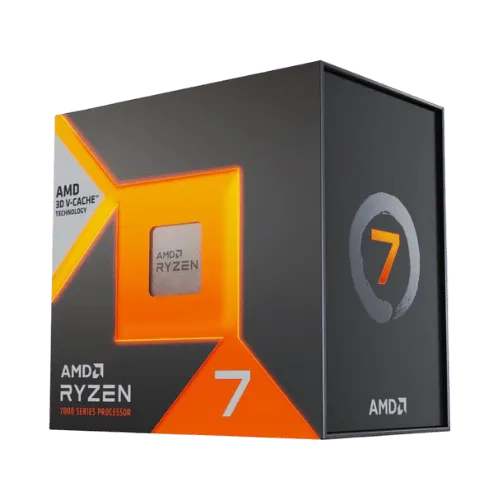
The AMD Ryzen 7 7800X3D takes the top spot for its exceptional gaming performance, thanks to its unique 3D V-Cache technology that delivers a staggering 104MB cache. With a boost clock of up to 5.0 GHz and a power-efficient 120W TDP, it offers notable value for gamers. This processor makes every game run smoother, giving you an edge in competitive scenarios. Tap the button to see today's price.
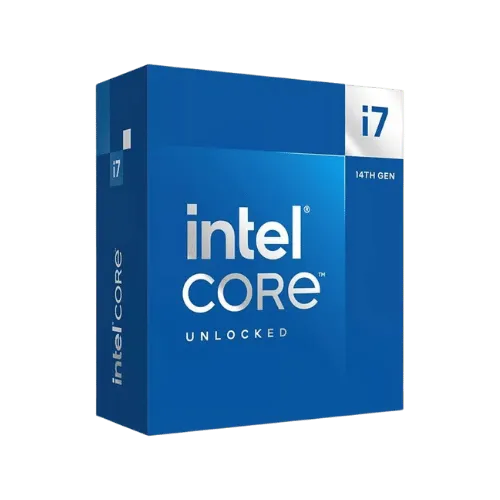
The Intel Core i7-14700K is ideal for users who need serious multitasking capabilities, featuring 20 cores and a max boost clock of 5.6 GHz. This makes it a powerhouse for productivity tasks and gaming alike. However, with a higher TDP of 125W, you'll need a solid cooling solution. Tap the button to see today's price.
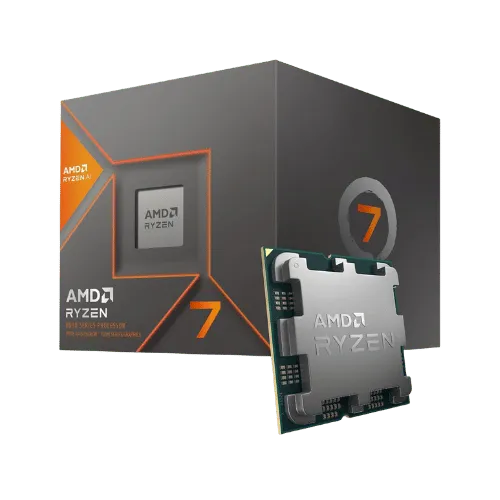
The AMD Ryzen 7 306.9 oz stands out with its integrated Radeon 780M graphics, making it perfect for users who need decent gaming without a separate GPU. With a boost clock of up to 5.1 GHz and a TDP of just 65W, it offers reliable performance and efficiency for casual gaming. Tap the button to see today's price.
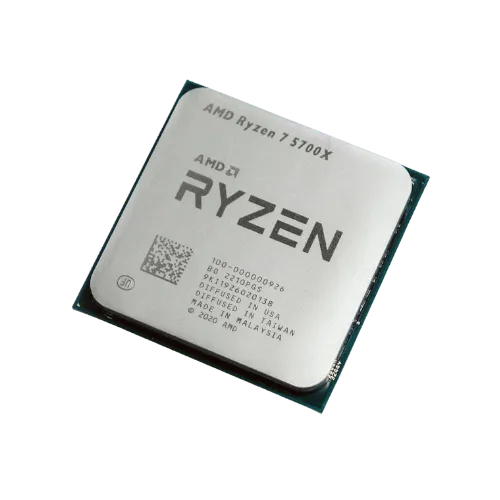
The AMD Ryzen 7 5700X offers 8 cores and 16 threads at an impressive value, making it a great drop-in upgrade for AM4 systems. With a boost clock of up to 4.6 GHz and a 65W TDP, it provides efficiency without sacrificing performance. It's perfect for users looking to extend the life of their existing builds. Tap the button to see today's price.
⚖️ Compare Our Top Picks
Can't decide between our recommendations? Check these head-to-head comparisons:
How to decide
Core Count and Performance
The AMD Ryzen 7 7800X3D has 8 cores and 16 threads, while the Intel Core i7-14700K boasts 20 cores (8 performance and 12 efficiency cores). This difference means the Intel chip can handle more simultaneous tasks, which is great for heavy multitasking. However, the Ryzen 7 7800X3D’s gaming performance is unmatched due to its 104MB cache, which significantly reduces latency in gaming scenarios. In practical terms, if you're focused on gaming, the Ryzen’s architecture is optimized to provide a smoother experience, especially in demanding titles.
Boost Clocks and Real-World Use
The Intel Core i7-14700K can boost up to 5.6 GHz, which is slightly higher than the Ryzen 7 7800X3D’s 5.0 GHz. This higher frequency can lead to better performance in single-threaded tasks. However, in real-world gaming scenarios, the Ryzen 7 7800X3D often outperforms the Intel chip due to its advanced 3D V-Cache technology. This results in higher frame rates in games, making it a top choice for gamers who want the best performance per dollar spent.
Power Consumption and Efficiency
The Ryzen 7 7800X3D operates at a TDP of just 120W, which is significantly lower than the Intel Core i7-14700K’s 125W. This means the Ryzen processor is not only more power-efficient but also produces less heat, making it easier to cool. In practical terms, this translates to lower electricity bills and a quieter system, especially when gaming or working under load. If you're building a system that needs to run cool and quiet, the Ryzen is the better choice.
💡 Expert Tips: Processors Buying Advice
Beyond our picks, keep these insider tips in mind when shopping for processors:
For gaming, AMD's X3D processors with 3D V-Cache currently lead performance benchmarks.
More cores help productivity but not gaming—prioritize clock speed for single-threaded games.
Factor in total platform cost: motherboard, RAM, and cooler add up quickly.
Power efficiency matters for your electricity bill and cooling requirements.
Frequently Asked Questions
+ What is the AMD vs Intel: The 2026 Showdown in 2026?
The AMD vs Intel: The 2026 Showdown focuses on comparing the latest processors from AMD and Intel, specifically highlighting their performance, efficiency, and value for money. In 2026, the AMD Ryzen 7 7800X3D stands out as the best processor for gaming due to its 104MB cache and efficient power usage.
+ Is the AMD Ryzen 7 7800X3D worth it in 2026?
Absolutely! The AMD Ryzen 7 7800X3D offers unparalleled gaming performance with a boost clock of 5.0 GHz and a 104MB cache, making it a smart investment for gamers in 2026. Its 120W TDP also means lower energy costs and less heat generation.
+ What should I look for when buying a processor?
When buying a processor, consider core count, boost clock speed, and power consumption. For instance, a higher core count, like the Intel i7-14700K's 20 cores, is great for multitasking, while boost clocks like the Ryzen 7 7800X3D's 5.0 GHz are crucial for gaming performance.
+ How much RAM do I need for gaming?
For gaming, 16GB of RAM is generally recommended, especially for modern titles. However, if you plan on multitasking or using memory-intensive applications, consider going for 32GB to future-proof your setup.
+ Is it worth spending more on the Intel Core i7-14700K?
It depends on your priorities. If you require high multitasking capabilities and can manage the higher power draw of 125W, the Intel Core i7-14700K's 20 cores can be beneficial. For gamers, the AMD Ryzen 7 7800X3D may provide better value.
Conclusion
In the end, the AMD Ryzen 7 7800X3D is the top choice for gamers looking for elite performance in 2026, thanks to its impressive 104MB cache and 120W TDP. The Intel Core i7-14700K is a strong contender for multitasking but falls short in gaming efficiency. Choose wisely based on your specific needs! Use the buttons above to see live pricing and stock.
Our top recommendation:
Get Intel Core i7-14700K→