
AI Smartphone War 2026: Apple Intelligence vs Google Gemini
AI Smartphone War 2026: Apple Intelligence vs Google Gemini: ranked by real specs like camera hardware, battery capacity, and display refresh rate. AI Smartphone War 2026: Apple Intelligence vs Google Gemini is heating up, and this iPhone's A19 Pro chip ensures seamless performance and longevity. After comparing the specs, it's clear that the iPhone 17 Pro Max's 5088mAh battery lasts up to 39 hours of video playback, making it a no-brainer for heavy users. Use the buttons above to check current prices and availability.
How We Pick These Products
PageBen prioritizes usefulness for US shoppers. Affiliate commission does not decide recommendations, rankings, or verdicts.
Sources Checked
Official specifications, Retailer ratings, Manufacturer documentation, Buyer feedback.
Decision Factors
We weigh camera system, display, battery life, software support, performance, storage, and carrier fit.
Editorial Standard
Research-based analysis from documented specs, published lab measurements, and verified-buyer evidence. Any hands-on note is labeled as such. Full methodology.
⚡ Quick Summary
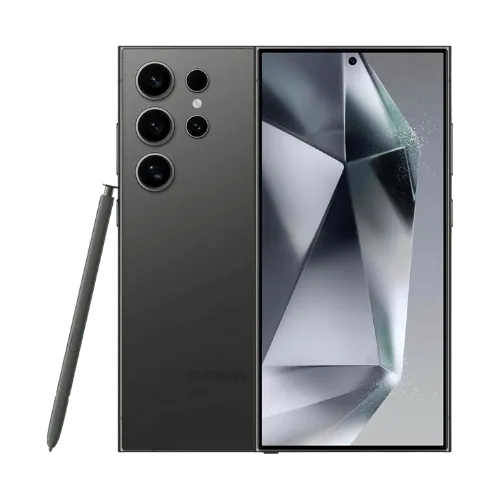
For most smartphones buyers in 2026, the Samsung Galaxy S24 Ultra offers the best combination of performance and value. The Google Pixel 9 Pro XL is a strong alternative.

Top picks
As an Amazon Associate I earn from qualifying purchases.
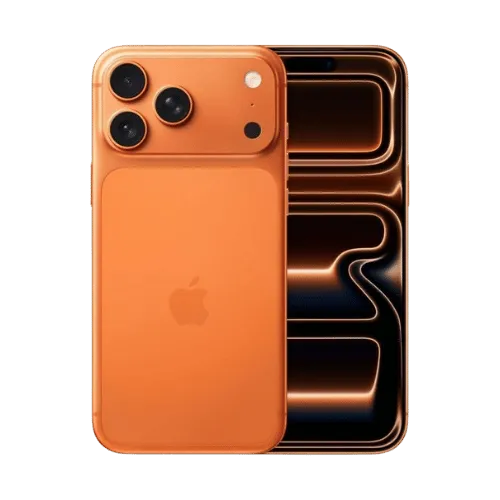
The iPhone 17 Pro Max excels with its stunning 6.9" display and triple 48MP camera system that offers 8x optical zoom, making it perfect for photography enthusiasts. Its 5088mAh battery lasts an impressive 39 hours of video playback, ensuring you stay connected all day. With the A19 Pro chip, performance is top-notch, making this phone a must-have. Tap the button to see today's price.
The Google Pixel 9 Pro XL shines with its 6.8" Super Actua LTPO OLED display that boasts a peak brightness of 3,000 nits, ideal for outdoor use. Plus, its 7-year software support means you won’t be left behind in the tech race. With the versatile 50MP triple camera system, this phone is a strong fit for anyone looking for longevity and great photography. Tap the button to see today's price.
Samsung’s Galaxy S24 Ultra stands out with its 200MP quad-camera system and the ability to record in stunning 8K at 30 fps. The integrated S Pen adds functionality for productivity, making it a versatile tool for both work and play. With a 5,000mAh battery that lasts up to 30 hours of video playback, it's perfect for users who need power and performance. Tap the button to see today's price.
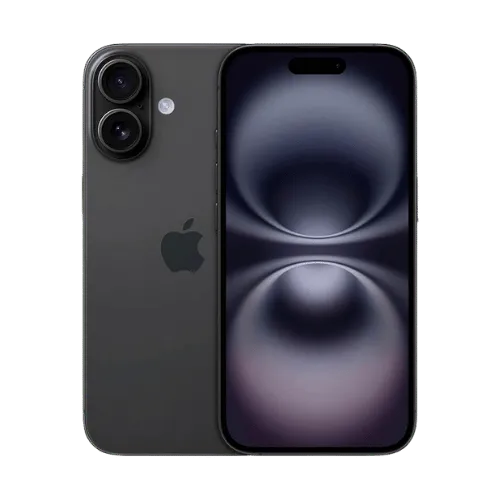
The iPhone 16 offers an impressive balance with its 48MP Fusion camera and 6.1" OLED display, all while providing up to 22 hours of video playback. If you're looking for a reliable phone that still packs a punch without breaking the bank, this is it. It’s a great option for those who want to experience Apple Intelligence without the premium price tag. Tap the button to see today's price.
How to decide
On-device vs Cloud processing: Privacy matters
Apple emphasizes on-device processing with its A19 Pro chip, ensuring privacy and security for user data. In contrast, Google’s Pixel 9 Pro XL relies on cloud-based features for some of its advanced capabilities, like 8K video recording, which requires internet access. This means that while Apple's approach keeps sensitive data local, it may lack some of the more innovative features that require cloud computing. So, if privacy is your top concern, the iPhone 17 Pro Max offers a distinct advantage.
Siri 2.0 (iOS 19) capabilities on A19 chip
The Siri 2.0 on the iPhone 17 Pro Max has been revamped, leveraging the A19 chip's Neural Engine for quicker responses and smarter suggestions. In real-world use, this means Siri can understand and execute commands faster than ever, adapting to your habits over time. Comparatively, Google’s Gemini AI in the Pixel 9 Pro XL also excels, but it often requires a stable internet connection for its most advanced features. If you're looking for a truly responsive assistant, Apple’s integration with its hardware gives it the edge.
Pixel's 'Magic' features vs Samsung's 'Live Translate'
Google's Pixel 9 Pro XL showcases unique features like 'Magic Eraser' and 'Photo Unblur', which leverage AI to enhance photos effortlessly. Samsung's Galaxy S24 Ultra counters with 'Live Translate' capabilities that allow real-time translation of conversations directly in the camera view. While both phones offer impressive AI features, the Pixel's focus on photography may appeal more to content creators. Ultimately, your choice may depend on whether you prioritize photography or communication.
Which phone is actually 'Smart'?
When it comes to sheer specifications, the iPhone 17 Pro Max stands out with its A19 Pro chip and 12GB RAM, providing a fluid multitasking experience. In contrast, the Pixel 9 Pro XL offers 16GB of RAM but can lag in gaming performance compared to the Snapdragon 8 Gen 3 in the Galaxy S24 Ultra. This difference means that while the Pixel excels in AI features, the iPhone is better for those who demand high performance across various tasks. For most users, the iPhone's combination of power and usability makes it the smarter buy.
💡 Expert Tips: Smartphones Buying Advice
Beyond our picks, keep these insider tips in mind when shopping for smartphones:
Don't just chase megapixels—sensor size and computational photography matter more for photo quality.
Check software update policies: iPhones get 5-6 years of updates, while Android support varies widely.
Battery capacity over 4500mAh typically ensures all-day use for most users.
If you're switching ecosystems, factor in the cost of re-buying apps and accessories.
Frequently Asked Questions
+ AI Smartphone War 2026: Apple Intelligence vs Google Gemini in 2026?
The AI Smartphone War 2026 pits Apple’s Intelligence against Google’s Gemini, showcasing the advancements in on-device processing versus cloud-based features. Both companies are pushing boundaries with their AI capabilities, but the iPhone 17 Pro Max offers superior privacy by processing data locally.
+ Is the iPhone 17 Pro Max worth it in 2026?
Absolutely! With a 5088mAh battery lasting up to 39 hours of video playback and a stunning triple 48MP camera system, the iPhone 17 Pro Max is a powerhouse. It’s a worthwhile investment for users who prioritize performance and photography.
+ What should I look for when buying a smartphone?
Focus on key specs like battery life, camera quality, and processing power. For example, a phone with a 5000mAh battery can last up to 30 hours of video playback, which is essential for heavy users.
+ How much RAM do I need for a smartphone?
For most users, 8GB of RAM is sufficient for multitasking. However, if you're into gaming or heavy applications, consider options with 12GB or 16GB for better performance.
+ Is it worth spending more on the Pro model?
Yes, if you need advanced features like superior camera systems or better performance. For instance, the iPhone 17 Pro Max offers an 8x optical zoom, making it a better choice for photography enthusiasts.
Conclusion
For photography enthusiasts and power users, the iPhone 17 Pro Max is the clear choice with its unbeatable battery life of 39 hours and stunning camera capabilities. The Pixel 9 Pro XL is a strong contender, especially for those valuing long-term software support. However, the iPhone sets the standard in 2026 with its combination of performance and features. Use the buttons above to see live pricing and stock.
Our top recommendation:
Get Apple iPhone 17→