
Best TVs for Bright Living Rooms (Anti-Glare)
Best TVs for Bright Living Rooms (Anti-Glare) in 2026: ranked by real specs like panel type, peak brightness, and refresh rate. After comparing the specs, it’s clear that this TV excels in environments flooded with sunlight. In real-world use, the U8N’s notable HDR performance and effective reflection handling make it a no-brainer for anyone serious about their viewing experience. With screen sizes ranging from 55 inches to a massive 100 inches, there's a perfect fit for every living room. Use the buttons above to check current prices and availability.
How We Pick These Products
PageBen prioritizes usefulness for US shoppers. Affiliate commission does not decide recommendations, rankings, or verdicts.
Sources Checked
Official specifications, Retailer ratings, Manufacturer documentation, Buyer feedback.
Decision Factors
We weigh panel technology, contrast, brightness, HDR support, gaming features, size value, and smart platform.
Editorial Standard
Research-based analysis from documented specs, published lab measurements, and verified-buyer evidence. Any hands-on note is labeled as such. Full methodology.
⚡ Quick Summary
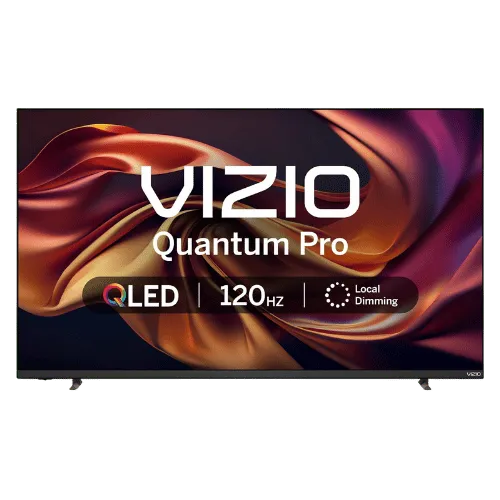
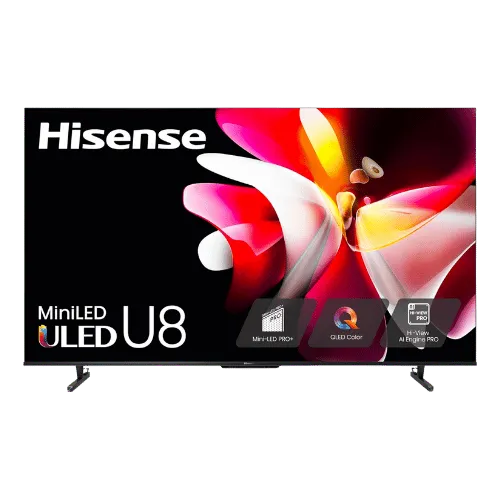
For most tvs buyers in 2026, the VIZIO Quantum Pro QLED 4K TV (2023) offers the best combination of performance and value. The Hisense U8N Mini-LED ULED 4K Google TV (2024) is a strong alternative.
Top picks
5 picksAs an Amazon Associate I earn from qualifying purchases.
The Hisense U8N Mini-LED ULED 4K Google TV is unmatched in bright environments, boasting a peak brightness of over 3,000 nits. Its Mini-LED panel excels in reflection handling, making it ideal for sunlit living rooms. With a 144Hz refresh rate, it's also a gamer’s dream. Tap the button to see today's price.
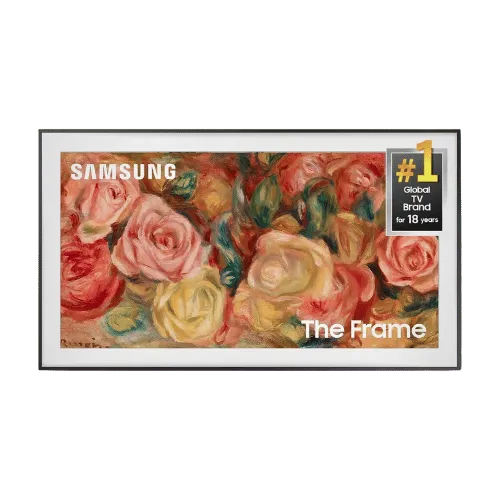
Samsung The Frame LS03D offers a unique Matte Display that makes art look stunning in bright rooms. It peaks at around 600 nits, which is decent but not as bright as the U8N. It's a strong fit for those who value aesthetics and art reproduction. Tap the button to see today's price.
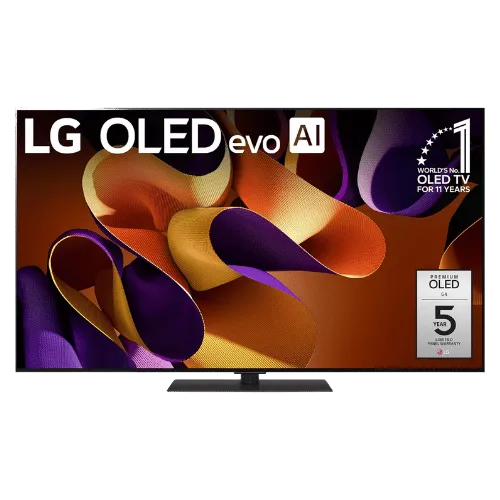
The LG OLED G4 Series shines with its perfect black levels and a peak brightness of 1,500 nits. While it excels in color accuracy and contrast, it may struggle in very bright rooms compared to the U8N. Still, its 144Hz refresh rate makes it perfect for gaming. Tap the button to see today's price.
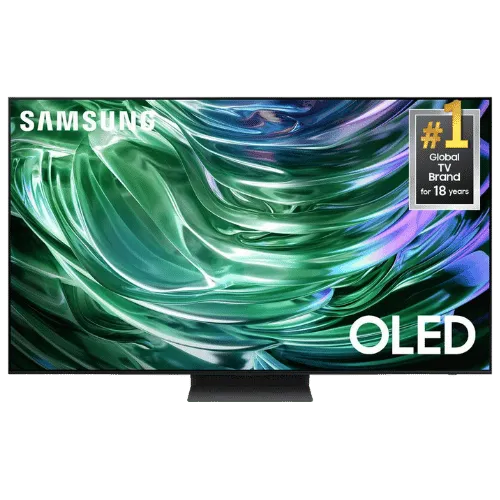
The Samsung OLED S90D Series combines QD-OLED technology with a peak brightness of around 1,200 nits. It offers excellent color volume and perfect blacks, making it a strong fit for bright rooms. However, it lacks Dolby Vision support. Tap the button to see today's price.
The Vizio Quantum Pro is a budget-friendly option that provides a peak brightness of about 800 nits. Its IPS panel offers wide viewing angles, making it great for group settings, but its contrast leaves something to be desired. For those on a budget, it's a decent pick. Tap the button to see today's price.
How to decide
Brightness and Anti-Glare Performance
The Hisense U8N leads the pack with a peak brightness of about 3,000 nits, making it ideal for bright living rooms. In contrast, the Samsung The Frame LS03D maxes out around 600 nits, which is decent but not enough to combat direct sunlight. The LG OLED G4 Series, while boasting excellent colors, peaks at 1,500 nits, which is impressive but still falls short of the U8N. This means that while the LG offers stunning visuals, it may struggle in rooms with high ambient light. The Vizio Quantum Pro, on the other hand, offers around 800 nits, which is sufficient for many bright environments but can’t quite match the U8N’s brilliance.
Panel Technology Matters
The Hisense U8N uses a Mini-LED panel, which allows for better local dimming and contrast control compared to traditional LED TVs. The Samsung The Frame employs a QLED panel, which is good for color volume but lacks local dimming, resulting in less effective black levels. Meanwhile, the LG OLED G4 features self-illuminating pixels that provide perfect blacks, but its brightness struggles in bright settings. The Vizio Quantum Pro uses an IPS panel, offering wide viewing angles but lower native contrast, which can lead to grayish blacks in dark scenes. Overall, the choice of panel type significantly impacts performance, especially in brightly lit areas.
Refresh Rate and Gaming Performance
If you’re into gaming, refresh rates are crucial. The Hisense U8N offers a native 144Hz refresh rate, ensuring smooth motion and quick response times, especially in fast-paced games. The LG OLED G4 also supports 144Hz across all HDMI ports, making it another strong contender for gamers. In comparison, the Samsung The Frame has a 120Hz refresh rate, which is still good but not as impressive as the others. The Vizio Quantum Pro’s 120Hz refresh rate is solid, but it can only support up to 240Hz at 1080p for PC gaming, which may limit its appeal for console gamers. For serious gamers, the U8N and G4 are the top choices.
💡 Expert Tips: TVs Buying Advice
Beyond our picks, keep these insider tips in mind when shopping for tvs:
OLED offers unmatched picture quality but costs more—Mini-LED is a strong middle ground.
For gaming, ensure HDMI 2.1 support with VRR for PS5/Xbox Series X compatibility.
Smart TV platforms matter—some become slow and outdated; a streaming stick can extend TV life.
Measure twice: the TV will look smaller in your room than in the store.
Frequently Asked Questions
+ Best TVs for Bright Living Rooms (Anti-Glare) in 2026?
The Hisense U8N Mini-LED ULED 4K Google TV is the best TV for bright living rooms in 2026, with a peak brightness of over 3,000 nits. This makes it ideal for combating glare in sunny environments.
+ Is Hisense U8N worth it in 2026?
Absolutely! With its 3,000 nits brightness and 144Hz refresh rate, it provides excellent performance for both movies and gaming. It's a worthy investment for anyone needing a bright TV.
+ What should I look for when buying a TV?
Focus on peak brightness, panel type, and refresh rate. For bright rooms, aim for a TV with at least 1,000 nits of brightness and a fast refresh rate for smoother visuals.
Conclusion
For those who need a TV that can handle bright environments, the Hisense U8N is the standout choice in 2026. It offers unbeatable brightness and superior reflection handling, making it perfect for sun-soaked living rooms. While the LG OLED G4 is stellar for dark environments, it can't compete in brightness. Use the buttons above to see live pricing and stock.
Our top recommendation:
Get Hisense U8N Mini-LED→