
Top Mini-LED TVs: OLED Rivals for Less
Top Mini-LED TVs: OLED Rivals for Less in 2025: ranked by real specs like panel type, peak brightness, and refresh rate. After comparing the specs, this model stands out with a 144Hz refresh rate, making it a powerhouse for gamers and movie lovers alike. In real-world use, the U8N’s notable HDR performance and local dimming technology deliver stunning visuals that rival more expensive OLEDs. Plus, with sizes ranging from 55" to a massive 100", there’s a perfect fit for any living room. Use the buttons above to check current prices and availability.
How We Pick These Products
PageBen prioritizes usefulness for US shoppers. Affiliate commission does not decide recommendations, rankings, or verdicts.
Sources Checked
Official specifications, Retailer ratings, Manufacturer documentation, Buyer feedback.
Decision Factors
We weigh panel technology, contrast, brightness, HDR support, gaming features, size value, and smart platform.
Editorial Standard
Research-based analysis from documented specs, published lab measurements, and verified-buyer evidence. Any hands-on note is labeled as such. Full methodology.
⚡ Quick Summary
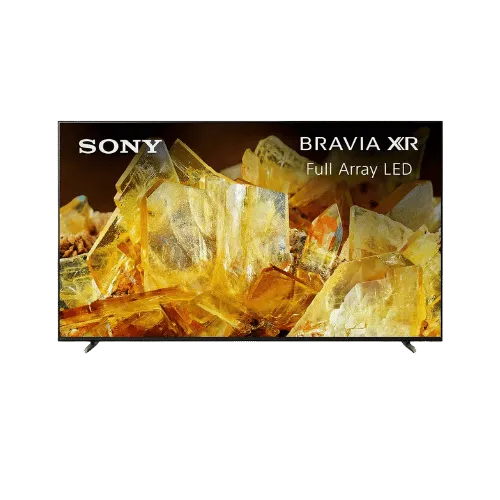
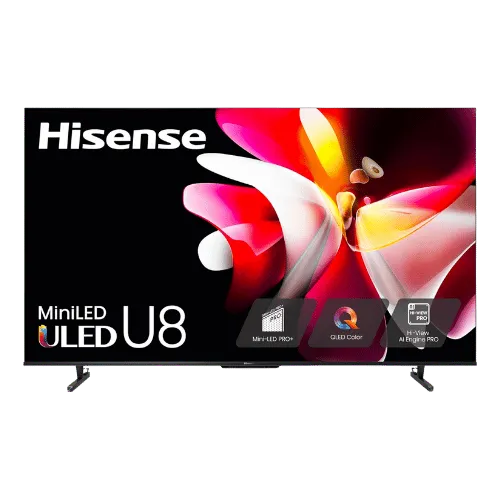
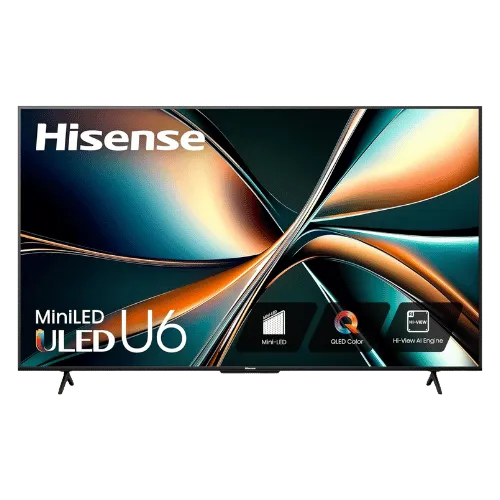
For most tvs buyers in 2025, the Sony BRAVIA XR X90L Full Array LED 4K TV (2023) offers the best combination of performance and value. The Hisense U8N Mini-LED ULED 4K Google TV (2024) is a strong alternative, while the Hisense U6N Mini-LED ULED 4K Google TV (2024) delivers excellent value on a tighter budget.
Top picks
3 picksAs an Amazon Associate I earn from qualifying purchases.
The Hisense U8N Mini-LED ULED 4K Google TV sets the standard in 2025 with a peak brightness of 3,000 nits, making it perfect for HDR content. Its 144Hz refresh rate and low input lag of just 6 ms at 120Hz make it a no-brainer for gamers. With sizes from 55" to 100", you can find the perfect fit for your space. Tap the button to see today's price.
The Hisense U6N Mini-LED ULED 4K Google TV is an notable value, delivering reliable performance with a peak brightness of 700 nits. It supports all major HDR formats and offers a commendable contrast ratio of 40,000:1, making it suitable for most viewing environments. While it lacks 4K@120Hz support, it still features a responsive Google TV interface. Tap the button to see today's price.
The Sony BRAVIA XR X90L excels in upscaling thanks to its Cognitive Processor XR, providing stunning picture quality across a range of content. With a peak brightness of 1,200 nits and a 120Hz refresh rate, it’s ideal for movies and sports. However, it has limited HDMI 2.1 ports, which may be a drawback for multi-console gamers. Tap the button to see today's price.
How to decide
Panel Types and Performance
When it comes to panel technology, the Hisense U8N uses a Mini-LED with a Quantum Dot VA panel for sizes 55", 65", 85", and 100", while the 75" model switches to an ADS Pro panel. The U6N, on the other hand, offers a more budget-friendly Mini-LED option with a VA panel on most sizes, but the 75" model uses an ADS panel, which has notably lower contrast. The Sony BRAVIA XR X90L features a Full Array Local Dimming VA panel, delivering excellent contrast at around 42,000:1, but it can’t match the U8N's peak brightness. This means the U8N excels in bright environments, making HDR content pop with its superior brightness.
Refresh Rate and Gaming Performance
Gaming enthusiasts will appreciate the U8N’s 144Hz refresh rate, which is a significant upgrade over the U6N’s locked 60Hz. This means smoother gameplay, especially in fast-paced titles, with input lag as low as 6 ms at 120Hz. The X90L, while also capable of 120Hz, has a higher input lag at around 18 ms, making it less ideal for competitive gaming. The U6N still supports VRR and ALLM, but the gaming experience won’t be as fluid as with the U8N. If you're looking for the ultimate gaming experience, the U8N is the clear choice.
Audio Quality and Smart Features
Audio performance is often overlooked in TVs, but the U8N's built-in 2.1.2 channel audio system delivers 50 watts of sound, which is impressive for a TV. The U6N, while decent with 20 watts of audio power, can’t match the immersive experience of the U8N. The X90L offers 30 watts with its Acoustic Multi-Audio system, providing good sound quality but still falling short of the U8N’s audio capabilities. All three models come with Google TV, but the U8N’s smart features shine through with future-proof connectivity options, including Wi-Fi 6E.
💡 Expert Tips: TVs Buying Advice
Beyond our picks, keep these insider tips in mind when shopping for tvs:
OLED offers unmatched picture quality but costs more—Mini-LED is a strong middle ground.
For gaming, ensure HDMI 2.1 support with VRR for PS5/Xbox Series X compatibility.
Smart TV platforms matter—some become slow and outdated; a streaming stick can extend TV life.
Measure twice: the TV will look smaller in your room than in the store.
Frequently Asked Questions
+ Top Mini-LED TVs: OLED Rivals for Less in 2025?
The best mini-LED TV for 2025 is the Hisense U8N, boasting a peak brightness of 3,000 nits and a 144Hz refresh rate. It delivers stunning HDR performance that rivals OLEDs at a lower price point.
+ Is Hisense U8N worth it in 2025?
Absolutely! With its exceptional brightness and low input lag, the U8N is a top contender for both gaming and movie watching in 2025. Its features justify the investment.
+ What should I look for when buying a TV?
Look for peak brightness, refresh rate, and panel type. For example, a higher brightness like 3,000 nits ensures better HDR performance, while a 144Hz refresh rate is ideal for gaming.
Conclusion
For anyone serious about picture quality, the Hisense U8N is the way to go. Its peak brightness of 3,000 nits and 144Hz refresh rate set it apart from competitors. If you're on a budget, the U6N offers great performance without breaking the bank. Use the buttons above to see live pricing and stock.
Our top recommendation:
Get Hisense U8N Mini-LED→