
Best OLED & Mini-LED TVs of 2026 (LG vs Samsung vs Hisense)
The Best OLED & Mini-LED TVs of 2026 (LG vs Samsung vs Hisense) are setting new standards in home entertainment. As the market evolves, discerning buyers can confidently choose from top contenders that offer superior picture quality, impressive brightness levels, and advanced gaming features. In 2026, the battle between OLED and Mini-LED technologies intensifies, with leading brands like LG, Samsung, and Hisense pushing the boundaries of what's possible in a television. Use the buttons above to check current prices and availability.
How We Pick These Products
PageBen prioritizes usefulness for US shoppers. Affiliate commission does not decide recommendations, rankings, or verdicts.
Sources Checked
Official specifications, Retailer ratings, Manufacturer documentation, Buyer feedback.
Decision Factors
We weigh panel technology, contrast, brightness, HDR support, gaming features, size value, and smart platform.
Editorial Standard
Research-based analysis from documented specs, published lab measurements, and verified-buyer evidence. Any hands-on note is labeled as such. Full methodology.
⚡ Quick Summary
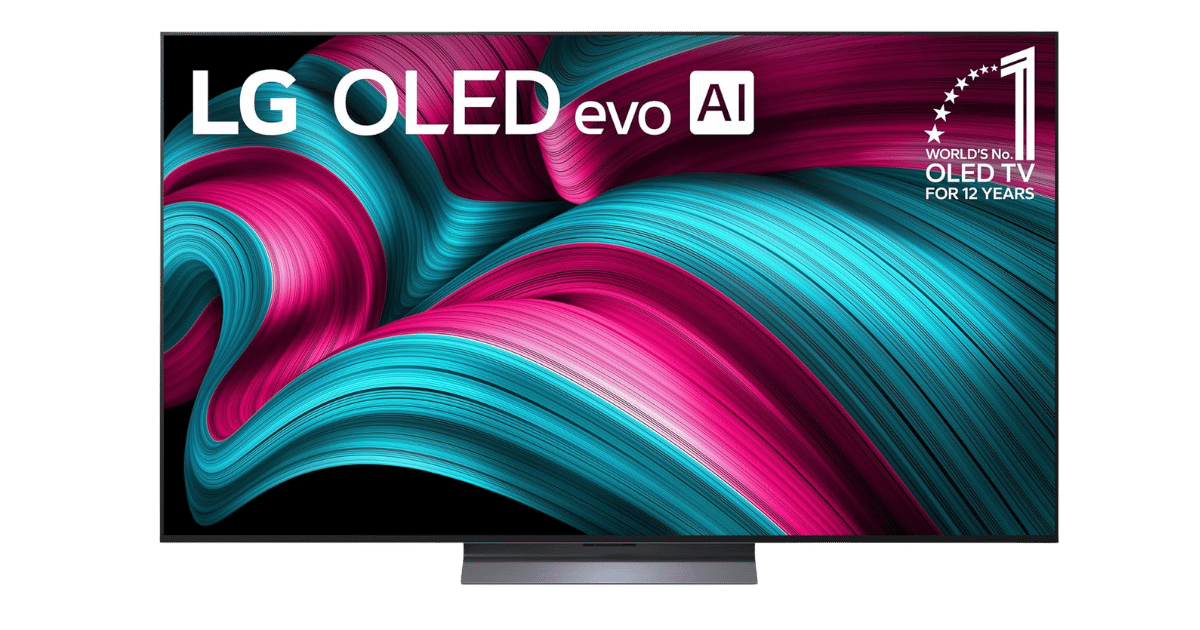
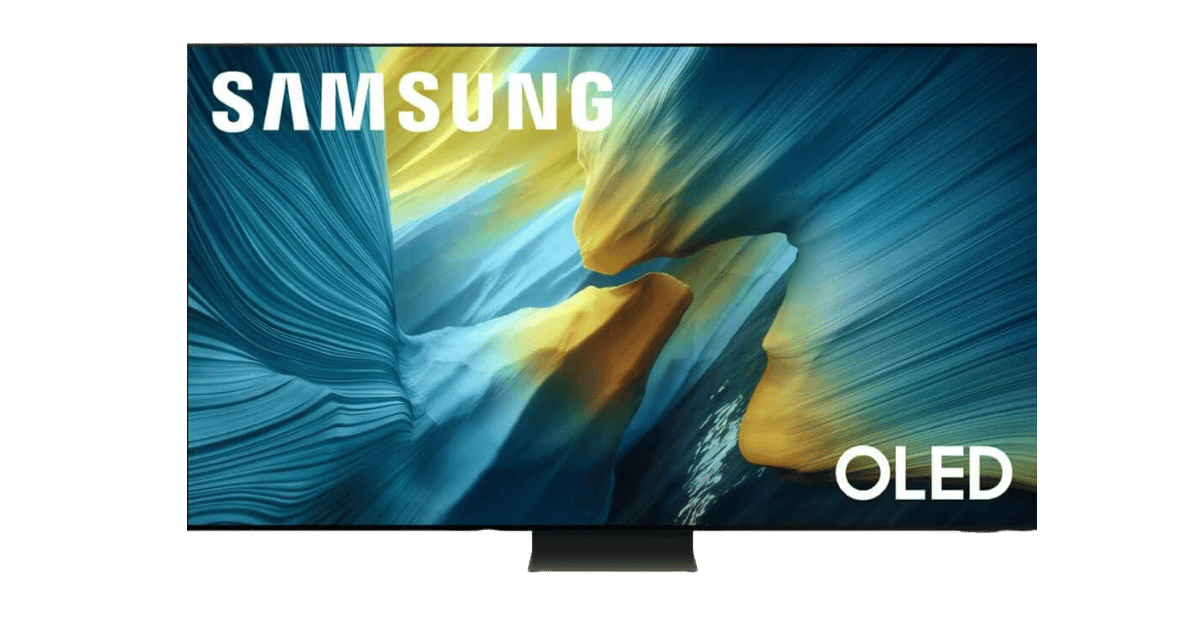
For most tvs buyers in 2026, the LG OLED evo C5 Series (2025) offers the best combination of performance and value. The Samsung S95F OLED (2025) is a strong alternative.
Top picks
As an Amazon Associate I earn from qualifying purchases.
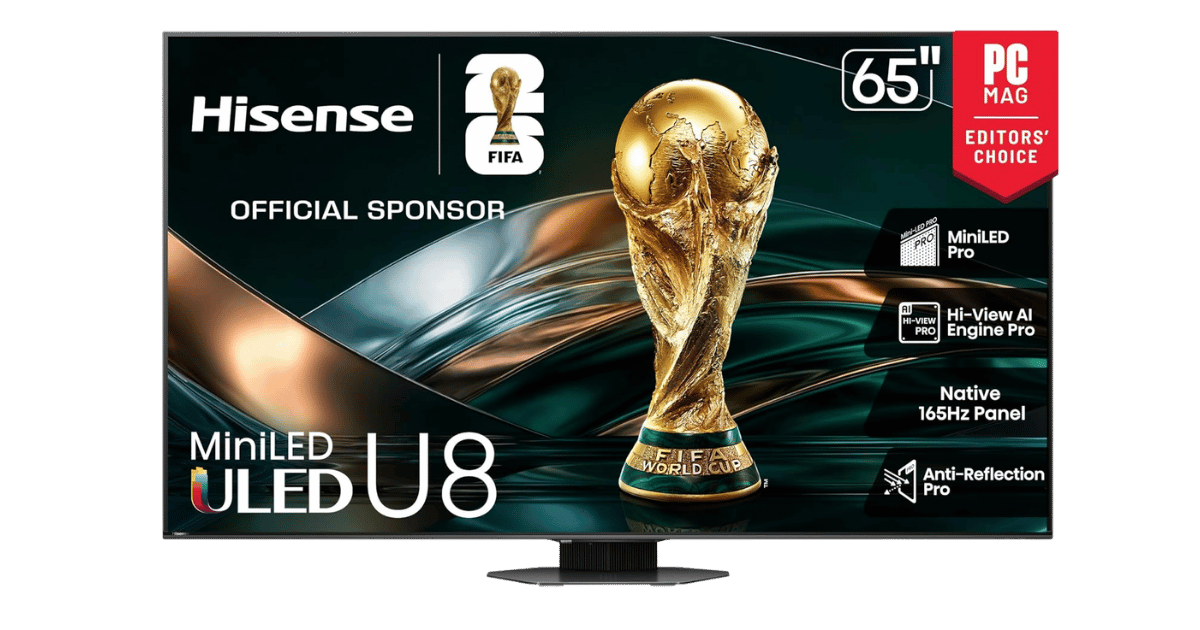
The Hisense U8QG Mini-LED is the standout choice for 2026, offering a peak brightness of up to 5,000 nits and a native refresh rate of 165Hz, making it an exceptional value for gamers and movie lovers alike. At approximately $1,000, it delivers near-flagship performance without breaking the bank. Tap the button to see today's price.
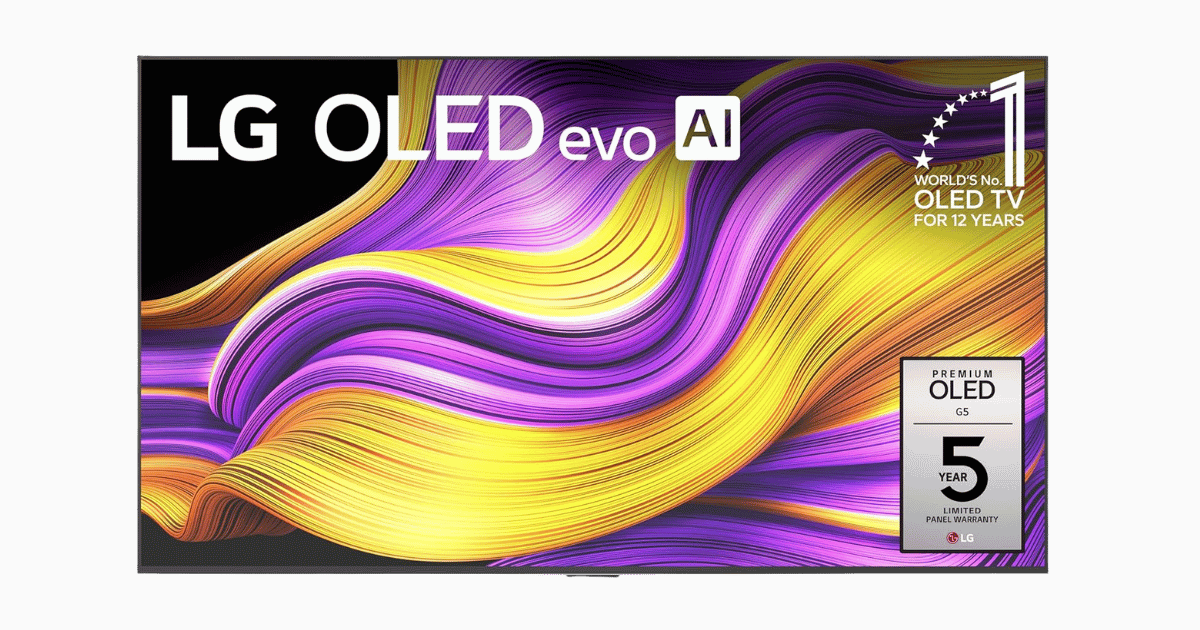
The LG OLED evo G5, priced around $2,800, is perfect for those who demand the best in dark environments, achieving ~2,400 nits of brightness and delivering stunning detail with perfect blacks. Its advanced gaming features, including 4K/165Hz VRR, make it a top choice for enthusiasts. Tap the button to see today's price.
The Samsung S95F OLED stands at approximately $2,200, delivering ~2,500 nits of peak brightness and low input lag of 13.2ms, making it unbeatable for gamers. Its vibrant HDR performance and anti-glare layer also cater to varied lighting conditions. Tap the button to see today's price.
With a price point around $1,400, the LG OLED evo C5 delivers stunning picture quality, near-perfect blacks, and a robust feature set for gamers, including four HDMI 2.1 ports. It offers a peak brightness of ~1,000 nits, making it a great all-rounder for various content. Tap the button to see today's price.
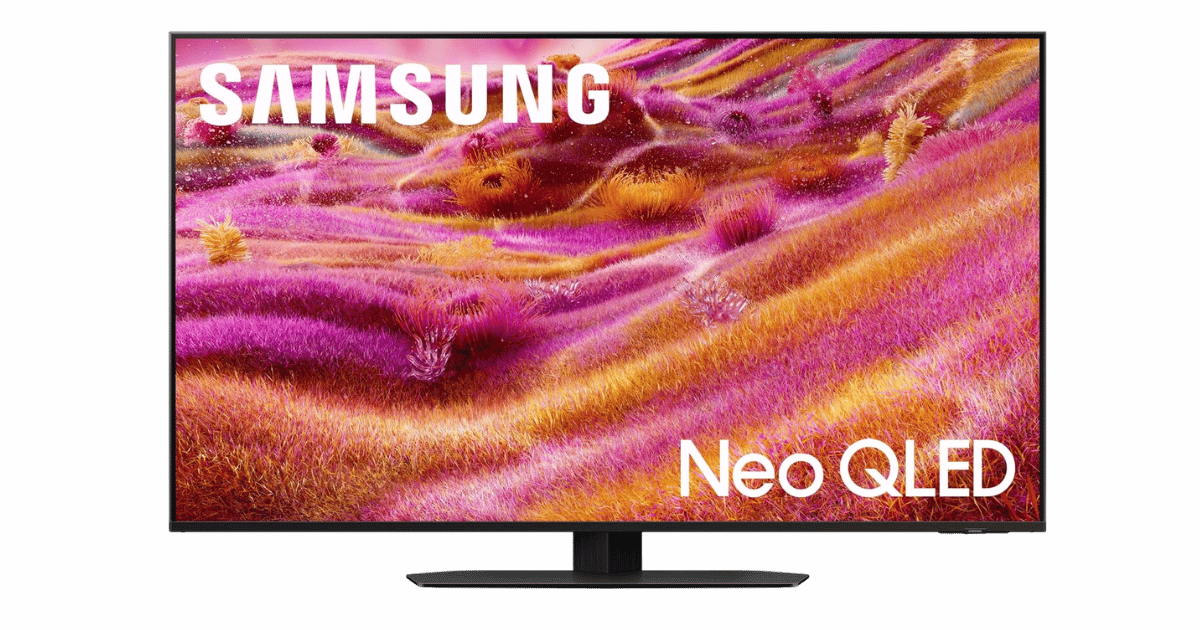
The Samsung QN90F Neo QLED, priced around $1,800, excels in bright environments with over 2,000 nits peak brightness and refined local dimming. Its solid gaming features make it a versatile choice for various viewing scenarios. Tap the button to see today's price.
How to decide
OLED vs Mini-LED: which panel tech wins in 2026
In 2026, OLED technology, represented by LG's OLED evo G5 and C5, continues to excel in delivering perfect blacks and infinite contrast, with the G5 reaching a peak brightness of ~2,400 nits. Conversely, Samsung's QD-OLED S95F offers a competitive ~2,500 nits, enhancing HDR performance with vibrant colors. Hisense's U8QG Mini-LED shines bright with an astonishing 5,000 nits, making it an strong pick for well-lit environments. While OLED panels provide superior viewing angles, Mini-LEDs are catching up with impressive local dimming capabilities.
Peak brightness and HDR performance compared
Peak brightness plays a crucial role in HDR performance, and in 2026, Samsung's S95F OLED leads with ~2,500 nits, ensuring stunning HDR highlights. LG's G5 OLED closely follows at ~2,400 nits, providing deep blacks and vibrant colors. Hisense's U8QG Mini-LED boasts a remarkable up to 5,000 nits, making it the brightest option for HDR content, although it may experience blooming in dark scenes. Samsung's QN90F Neo QLED, while slightly behind in brightness at 2,000 nits, offers refined local dimming that enhances contrast in bright rooms.
Gaming features: refresh rate, input lag, and VRR
Gaming enthusiasts will appreciate the robust features in 2026's top TVs. The LG OLED G5 supports a native refresh rate of 120Hz with VRR up to 165Hz, while the C5 offers up to 144Hz VRR, ensuring smooth gameplay. Samsung's S95F also matches this with a 120Hz refresh rate and impressively low input lag of 13.2ms. Hisense's U8QG stands out with a native 165Hz refresh rate and VRR up to 288Hz, catering to competitive gamers looking for the fastest response times.
Price-to-performance: where the real value is
When evaluating price-to-performance, Hisense's U8QG Mini-LED stands out at approximately $1,000, delivering exceptional brightness and gaming features that rival higher-priced models. LG's C5 is a close contender, priced around $1,400, offering near-perfect blacks and solid gaming capabilities. Samsung's S95F, priced near $2,200, justifies its cost with top-tier brightness and sound performance, while the G5, at roughly $2,800, appeals to enthusiasts willing to pay for the brightest OLED. Samsung's QN90F, also around $1,800, offers great value for bright rooms with its Mini-LED technology.
Best pick for bright rooms vs dark home theaters
For bright rooms, the Hisense U8QG is unbeatable with its staggering 5,000 nits peak brightness, ensuring vivid colors even in sunlight. The Samsung QN90F also excels, offering over 2,000 nits and refined local dimming for strong contrast in daylight. Conversely, for dark home theaters, the LG G5 with its ~2,400 nits and perfect blacks is ideal for cinematic experiences, closely followed by the S95F, which provides deep blacks and vibrant HDR highlights. The C5 also performs admirably in dark environments but lacks the peak brightness of its higher-end counterparts.
💡 Expert Tips: TVs Buying Advice
Beyond our picks, keep these insider tips in mind when shopping for tvs:
OLED offers unmatched picture quality but costs more—Mini-LED is a strong middle ground.
For gaming, ensure HDMI 2.1 support with VRR for PS5/Xbox Series X compatibility.
Smart TV platforms matter—some become slow and outdated; a streaming stick can extend TV life.
Measure twice: the TV will look smaller in your room than in the store.
Frequently Asked Questions
+ What is the best oled & mini-led tvs of 2026 (lg vs samsung vs hisense) in 2026?
The best OLED and Mini-LED TVs of 2026 include the Hisense U8QG Mini-LED for its outstanding brightness and value, and the LG OLED G5 for superior picture quality in dark environments. Samsung's S95F OLED also ranks high for its vibrant colors and low input lag, making it ideal for gamers.
+ How bright are the best OLED and Mini-LED TVs of 2026?
In 2026, the brightest Mini-LED TV is the Hisense U8QG, reaching up to 5,000 nits. The Samsung S95F OLED follows closely with ~2,500 nits, while the LG OLED G5 achieves ~2,400 nits, making them all strong picks for HDR content.
+ What refresh rates do these TVs support for gaming?
For gaming, the LG G5 supports a native refresh rate of 120Hz with VRR up to 165Hz, while the C5 offers up to 144Hz. Samsung's S95F also features a 120Hz refresh rate with low input lag, and the Hisense U8QG boasts a native refresh rate of 165Hz with VRR up to 288Hz.
+ Which TV is best for bright rooms?
The Hisense U8QG Mini-LED is the best option for bright rooms, with a peak brightness of up to 5,000 nits, ensuring vivid colors even in sunlight. The Samsung QN90F also performs well in bright environments with over 2,000 nits.
Conclusion
In 2026, the choice between OLED and Mini-LED TVs comes down to personal preference and viewing conditions. Whether you prioritize peak brightness, gaming features, or overall picture quality, there’s a top option available to suit your needs. With models like the Hisense U8QG and LG G5 leading the pack, you can find a TV that elevates your viewing experience. Use the buttons above to see live pricing and stock.
Our top recommendation:
Get LG OLED evo→