
Ready for Next-Gen: Best 144Hz TVs for Console Gaming
Ready for Next-Gen: Best 144Hz TVs for Console Gaming in 2026: ranked by real specs like panel type, peak brightness, and refresh rate. After comparing the specs, this TV offers a perfect black contrast ratio and support for all four HDMI 2.1 ports. In real-world use, the gaming experience is nothing short of spectacular, with a mere 0.1 ms response time that makes every frame feel fluid and responsive. If you're serious about console gaming, this is the TV to beat. Use the buttons above to check current prices and availability.
How We Pick These Products
PageBen prioritizes usefulness for US shoppers. Affiliate commission does not decide recommendations, rankings, or verdicts.
Sources Checked
Official specifications, Retailer ratings, Manufacturer documentation, Buyer feedback.
Decision Factors
We weigh panel technology, contrast, brightness, HDR support, gaming features, size value, and smart platform.
Editorial Standard
Research-based analysis from documented specs, published lab measurements, and verified-buyer evidence. Any hands-on note is labeled as such. Full methodology.
⚡ Quick Summary
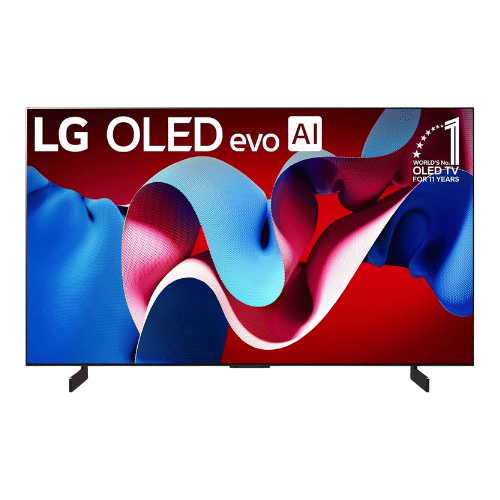
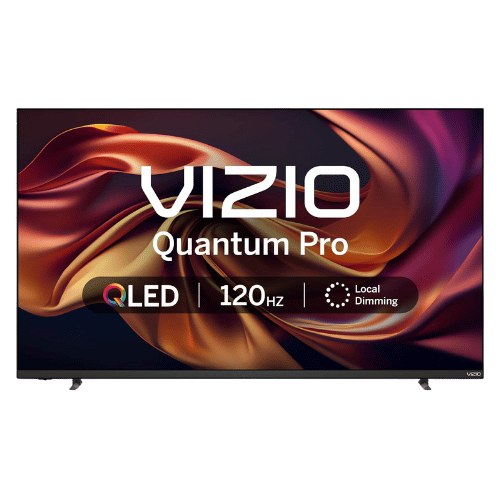
For most tvs buyers in 2026, the LG OLED evo C4 Series (2024) offers the best combination of performance and value. The VIZIO Quantum Pro QLED 4K TV (2023) is a strong alternative.
Top picks
5 picksAs an Amazon Associate I earn from qualifying purchases.
The LG OLED evo C4 Series is unbeatable with its 144Hz refresh rate and peak brightness of up to 1,000 nits. It supports all four HDMI 2.1 ports, ensuring that you're future-proofed for next-gen consoles. With a 0.1 ms response time, every frame feels instantaneous, making it ideal for fast-paced gaming. Tap the button to see today's price.
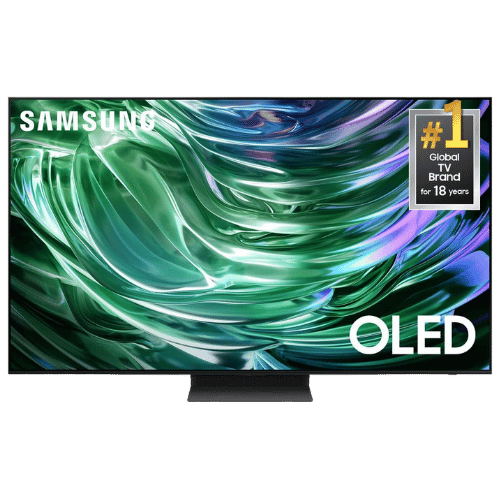
Samsung's S90D impresses with its QD-OLED technology, offering peak brightness around 1,200 nits and stunning color accuracy. The infinite contrast and vibrant colors make it an strong fit for immersive gaming. Additionally, its 144Hz support ensures smooth gameplay across all HDMI 2.1 ports. Tap the button to see today's price.
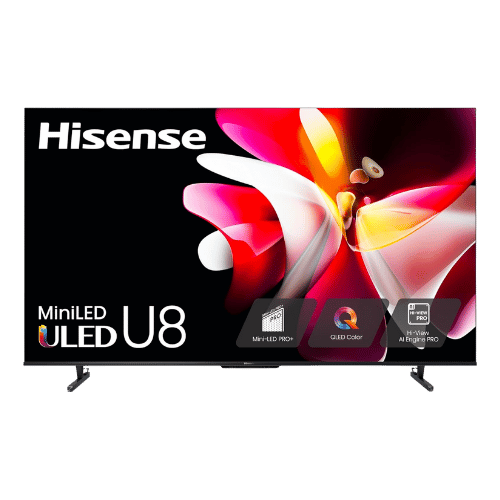
The Hisense U8N stands out with an notable peak brightness of over 3,000 nits, making it a top choice for HDR content. Its 144Hz refresh rate and low input lag make it suitable for gaming, though the viewing angles aren't as good as OLEDs. If you want a bright, vibrant picture, this is the TV for you. Tap the button to see today's price.
Vizio's Quantum Pro offers excellent brightness and wide viewing angles thanks to its IPS-type panel. While its peak brightness is around 1,000 nits, it excels in bright environments. However, the lower native contrast of 1,600:1 might not satisfy everyone. Still, it's a strong fit for family movie nights. Tap the button to see today's price.
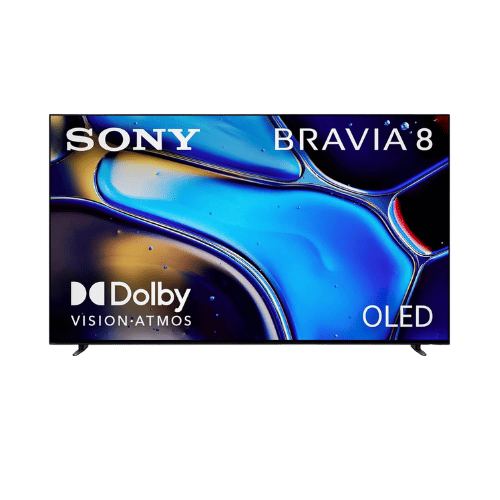
Sony's BRAVIA XR80 OLED offers impressive picture quality with its Cognitive Processor XR and perfect blacks. With ATSC 3.0 support, it's ready for next-gen broadcasts. However, it only has two HDMI 2.1 ports, which can be a limitation for multi-console users. If you value cinematic quality, this is a reliable pick. Tap the button to see today's price.
⚖️ Compare Our Top Picks
Can't decide between our recommendations? Check these head-to-head comparisons:
How to decide
Why Refresh Rate Matters for Gaming
When it comes to gaming, refresh rate is crucial, and the LG OLED C4 Series delivers a native 144Hz refresh rate, while the Samsung OLED S90D and Hisense U8N follow closely with the same. This means smoother gameplay and less motion blur, particularly in fast-paced titles. The Vizio Quantum Pro offers 120Hz, which is decent but may not provide the same level of fluidity for competitive gamers. With input lag as low as 0.1 ms on the C4, you'll appreciate how every movement translates instantly on screen, whereas the Hisense U8N has a slightly higher lag at 14 ms.
Peak Brightness and HDR Performance
Peak brightness is another key spec for gamers and movie lovers alike. The Hisense U8N shines brightly with a stunning 3,000 nits peak brightness, making HDR content pop like no other. In contrast, the Samsung OLED S90D reaches about 1,200 nits, which is impressive but still behind Hisense's brightness levels. The LG OLED C4, while slightly lower at 1,000 nits, excels in HDR performance with Dolby Vision support. This means that if you want bright highlights and deep shadows, the U8N is the go-to, but the C4 offers a more nuanced color experience in darker scenes.
Panel Types: OLED vs Mini-LED vs QLED
When comparing panel types, the LG and Samsung OLEDs provide infinite contrast with perfect blacks, while the Hisense U8N uses Mini-LED to achieve impressive brightness and contrast ratios. The Vizio Quantum Pro, utilizing an IPS-type panel, offers wide viewing angles but suffers from low native contrast at 1,600:1. This makes the OLEDs superior for dark room viewing, while the U8N's Mini-LED shines in bright environments. For gamers, the choice of panel type can significantly affect the visual experience, especially in darker game scenes.
💡 Expert Tips: TVs Buying Advice
Beyond our picks, keep these insider tips in mind when shopping for tvs:
OLED offers unmatched picture quality but costs more—Mini-LED is a strong middle ground.
For gaming, ensure HDMI 2.1 support with VRR for PS5/Xbox Series X compatibility.
Smart TV platforms matter—some become slow and outdated; a streaming stick can extend TV life.
Measure twice: the TV will look smaller in your room than in the store.
Frequently Asked Questions
+ Ready for Next-Gen: Best 144Hz TVs for Console Gaming in 2026?
The LG OLED evo C4 Series is the best choice for gaming in 2026, offering a 144Hz refresh rate and peak brightness of 1,000 nits. This combination ensures smooth gameplay and vibrant visuals that enhance your gaming experience.
+ Is LG OLED C4 worth it in 2026?
Absolutely! With its 144Hz refresh rate and 0.1 ms response time, the LG OLED C4 is perfect for gamers. It also supports all four HDMI 2.1 ports, making it a future-proof investment.
+ What should I look for when buying a TV?
Look for a high refresh rate, peak brightness, and low input lag for gaming. TVs like the LG OLED C4 and Hisense U8N excel in these areas, providing a great gaming experience.
Conclusion
For gamers seeking the ultimate performance, the LG OLED evo C4 Series is the standout choice in 2026. While the Samsung OLED S90D offers impressive brightness and color, the C4's 144Hz refresh rate and 0.1 ms response time give it a competitive edge. If you're serious about gaming, this TV is a must-have. Use the buttons above to see live pricing and stock.
Our top recommendation:
Get LG OLED evo→