
Camera Wars 2025: iPhone 16 Pro Max vs S24 Ultra vs Pixel 9 Pro XL
Camera Wars 2025: iPhone 16 Pro Max vs S24 Ultra vs Pixel 9 Pro XL: ranked by real specs like camera hardware, battery capacity, and display refresh rate. The iPhone 16 Pro Max takes our top spot for smartphones in 2025, thanks to its remarkable 48MP camera system and 4685 mAh battery that lasts up to 33 hours. After comparing the specs, it's clear that Apple's latest flagship crushes the competition in terms of camera versatility and video recording capabilities. In real-world use, you’ll appreciate the vibrant 6.9-inch ProMotion OLED display with an adaptive refresh rate of up to 120Hz, making every scroll and game smooth as butter. Use the buttons above to check current prices and availability.
How We Pick These Products
PageBen prioritizes usefulness for US shoppers. Affiliate commission does not decide recommendations, rankings, or verdicts.
Sources Checked
Official specifications, Retailer ratings, Manufacturer documentation, Buyer feedback.
Decision Factors
We weigh camera system, display, battery life, software support, performance, storage, and carrier fit.
Editorial Standard
Research-based analysis from documented specs, published lab measurements, and verified-buyer evidence. Any hands-on note is labeled as such. Full methodology.
⚡ Quick Summary
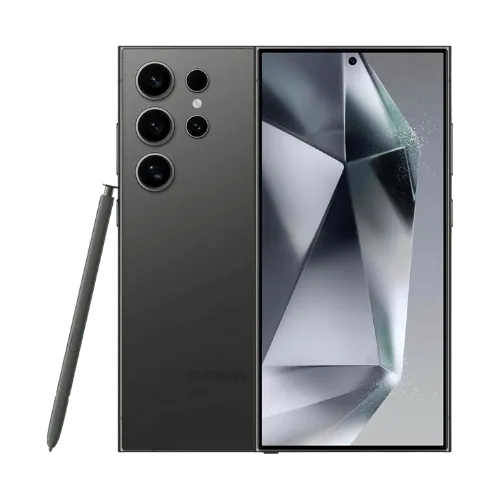
For most smartphones buyers in 2025, the Samsung Galaxy S24 Ultra offers the best combination of performance and value. The Google Pixel 9 Pro XL is a strong alternative.

Top picks
As an Amazon Associate I earn from qualifying purchases.
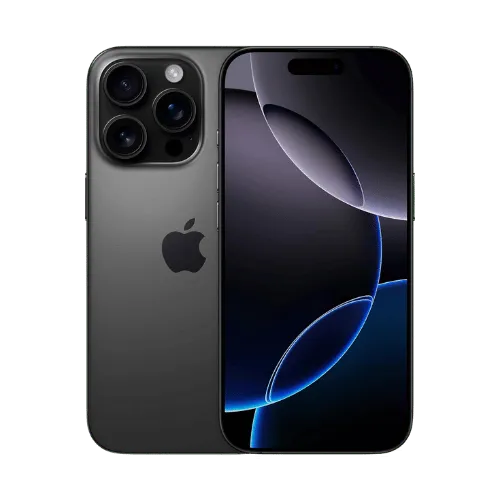
The iPhone 16 Pro Max stands out with its 48MP Fusion camera and ProRes video capabilities, allowing for stunning 4K recordings at 120 fps. Its impressive 4685 mAh battery lasts up to 33 hours, making it perfect for long shoots. Plus, the 6.9-inch Super Retina XDR display provides vibrant colors and sharp details. Tap the button to see today's price.
The Galaxy S24 Ultra features a jaw-dropping 200MP camera, providing notable detail and versatility, especially with its 10x optical zoom. With a 5000 mAh battery that lasts up to 30 hours, it’s built for heavy usage. The adaptive 1-120 Hz refresh rate display also enhances the viewing experience. Tap the button to see today's price.
The Pixel 9 Pro XL offers a remarkable 7 years of software support, alongside a versatile camera system that excels in low-light conditions. Its 5060 mAh battery is robust enough for heavy daily use, and the 6.8-inch display boasts a peak brightness of 3000 nits. Tap the button to see today's price.
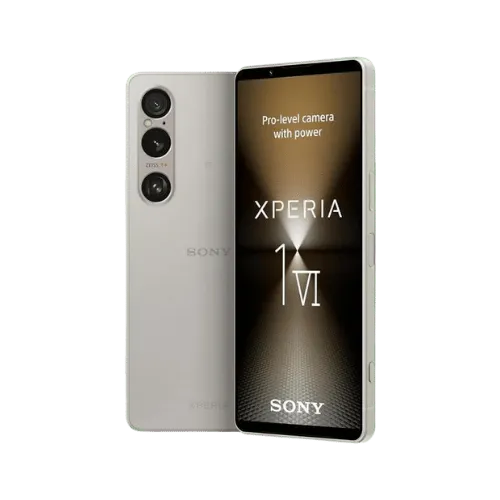
The Sony Xperia 1 VI features a unique 85-170mm continuous optical zoom, ideal for professional photographers who need flexibility. With a battery life that often lasts up to 2 days, it’s a reliable pick for extended use. However, its 30W charging speed is slower than competitors. Tap the button to see today's price.
How to decide
Zoom Test: Samsung's 10x vs Apple's 5x vs Google's Super Res
When it comes to zoom capabilities, the Samsung Galaxy S24 Ultra leads with an impressive 10x optical zoom and a digital zoom up to 100x, making it a powerhouse for long-distance shots. In contrast, the iPhone 16 Pro Max offers a 5x optical zoom, which is still quite capable but falls short against Samsung’s extensive range. The Google Pixel 9 Pro XL, while boasting a 5x optical zoom as well, relies on its Super Res Zoom for up to 30x digital zoom, which can be hit or miss in detail retention. In practical terms, if you frequently capture distant subjects, the Galaxy S24 Ultra is the clear choice here.
Low Light & Nightography: Who creates light from darkness?
In low-light conditions, the iPhone 16 Pro Max shines with its advanced sensor-shift optical image stabilization and 48MP Ultra Wide camera, which significantly enhances detail capture in dimly lit environments. The Pixel 9 Pro XL, with its 50MP camera and advanced AI processing, also performs admirably, producing stunning night shots with minimal noise. The Galaxy S24 Ultra, while equipped with a 200MP sensor, sometimes struggles to maintain clarity in low light, especially with its higher resolution. If nighttime photography is your priority, the iPhone 16 Pro Max or Pixel 9 Pro XL would be your best bets.
Video Stability: Can Android finally beat the iPhone?
Video stability is a crucial factor for content creators, and the iPhone 16 Pro Max continues to dominate with its ProRes video recording capabilities and Action mode, allowing for 4K video at up to 120 fps. The Galaxy S24 Ultra offers 8K video recording, but its stability features can lag behind Apple's renowned cinematic quality. The Pixel 9 Pro XL is catching up with its 8K capabilities as well, but the processing can introduce latency. For the smoothest video experience, especially when moving, the iPhone 16 Pro Max is unmatched.
AI Editing: Magic Editor (Pixel) vs Galaxy AI
AI editing features are becoming a key differentiator among smartphones. The Google Pixel 9 Pro XL's Magic Editor allows for quick adjustments and enhancements, leveraging its 16GB RAM for seamless performance. Samsung's Galaxy AI features are robust but can feel more like a gimmick compared to Pixel's intuitive design. The iPhone 16 Pro Max offers some AI enhancements, but they’re not as advanced as what you get with Google. If you’re looking for a phone that simplifies photo editing with powerful AI tools, the Pixel 9 Pro XL is your go-to.
💡 Expert Tips: Smartphones Buying Advice
Beyond our picks, keep these insider tips in mind when shopping for smartphones:
Don't just chase megapixels—sensor size and computational photography matter more for photo quality.
Check software update policies: iPhones get 5-6 years of updates, while Android support varies widely.
Battery capacity over 4500mAh typically ensures all-day use for most users.
If you're switching ecosystems, factor in the cost of re-buying apps and accessories.
Frequently Asked Questions
+ Camera Wars 2025: iPhone 16 Pro Max vs S24 Ultra vs Pixel 9 Pro XL in 2025?
In 2025, the iPhone 16 Pro Max is leading the pack with its superior camera capabilities and video recording features. Its 48MP camera and 4K video at 120 fps make it a top choice for content creators.
+ Is iPhone 16 Pro Max worth it in 2025?
Absolutely! The iPhone 16 Pro Max offers exceptional video recording at 4K 120 fps, a solid 4685 mAh battery, and an impressive camera system, making it a worthwhile investment.
+ What should I look for when buying a smartphone?
Look for key specs like camera quality (megapixels), battery capacity (mAh), and display features (refresh rate). These factors significantly impact your overall experience.
+ Is it worth spending more on the Pro model?
Yes, if you need advanced camera features and better video recording capabilities, the Pro model is often worth the extra cost. The iPhone 16 Pro Max's 48MP camera is a prime example.
Conclusion
For content creators and videographers, the iPhone 16 Pro Max is the top choice with its unmatched video recording capabilities and impressive battery life. The Galaxy S24 Ultra comes close with its high-resolution camera but lacks the same level of video performance. If long-term software support is your priority, the Pixel 9 Pro XL is a strong contender. Use the buttons above to see live pricing and stock.
Our top recommendation:
Get Apple iPhone 16→