
iPhone 17 Air Review: Is Thinner Actually Better in 2026?
iPhone 17 Air Review: Is Thinner Actually Better in 2026?: ranked by real specs like camera hardware, battery capacity, and display refresh rate. After comparing the specs, it's clear that the iPhone 17 Air, weighing just 5.82 oz and measuring only 0.22 in thick, redefines what a smartphone can be. In real-world use, the 3150 mAh battery offers up to 26 hours of video playback, making it a reliable companion for your daily activities. If you're looking for the best smartphone in 2026, the iPhone 17 Air is a no-brainer choice. Use the buttons above to check current prices and availability.
How We Pick These Products
PageBen prioritizes usefulness for US shoppers. Affiliate commission does not decide recommendations, rankings, or verdicts.
Sources Checked
Official specifications, Retailer ratings, Manufacturer documentation, Buyer feedback.
Decision Factors
We weigh camera system, display, battery life, software support, performance, storage, and carrier fit.
Editorial Standard
Research-based analysis from documented specs, published lab measurements, and verified-buyer evidence. Any hands-on note is labeled as such. Full methodology.
⚡ Quick Summary
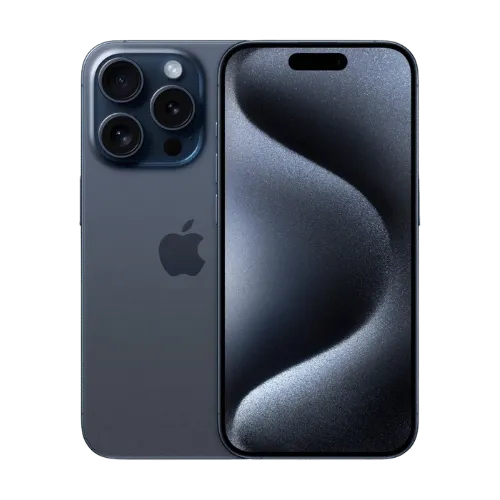
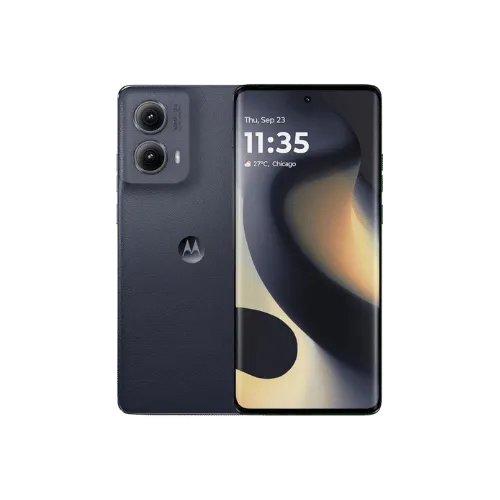
For most smartphones buyers in 2026, the Apple iPhone 15 Pro Max offers the best combination of performance and value. The Motorola edge (2024) is a strong alternative.
Top picks
As an Amazon Associate I earn from qualifying purchases.
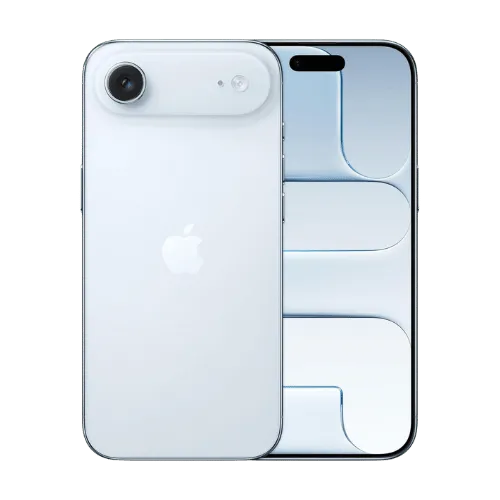
The iPhone 17 Air offers an ultra-thin design at just 0.22 in thick and a 120Hz ProMotion display, making it perfect for smooth scrolling and gaming. With a powerful 48MP camera and a weight of only 5.82 oz, it’s a strong fit for those who value portability without sacrificing performance. Tap the button to see today's price.
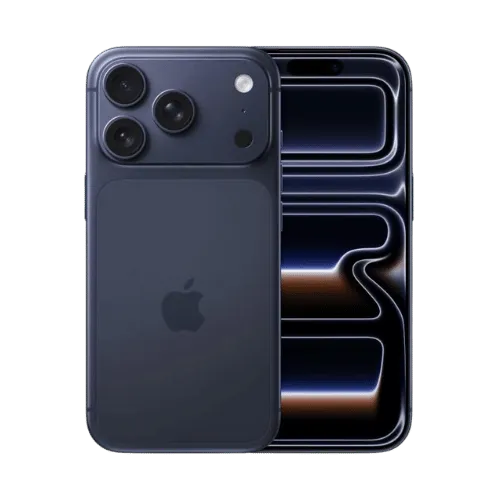
The iPhone 17 Pro features a triple 48MP camera system that excels in versatility, offering 8x optical zoom and superior low-light performance. Its 4252 mAh battery provides up to 33 hours of video playback, making it ideal for users who prioritize photography and video. Tap the button to see today's price.
The iPhone 15 Pro Max offers a unique 5x optical zoom and advanced video recording capabilities, making it a powerhouse for content creators. With a 4422 mAh battery lasting up to 29 hours on video playback, it balances power and performance effectively. Tap the button to see today's price.
The Motorola edge (2024) features a stunning 6.6-inch 144Hz pOLED display, making it an strong fit for gamers on a budget. With a 5000 mAh battery lasting up to 35 hours, it competes well in longevity and performance. Tap the button to see today's price.
How to decide
The Death of the 'Plus' model: Why the Air took over
Apple's decision to replace the 'Plus' model with the iPhone 17 Air reflects a shift towards thinner, lighter devices that prioritize portability. The iPhone 17 Air is 0.22 inches thick, significantly slimmer than the iPhone 17 Pro, which measures 0.32 inches. This change means users can enjoy a premium smartphone experience without the added bulk, making it easier to carry and use one-handed. The Air's design also incorporates a titanium frame, enhancing durability while keeping the weight down to just 5.82 oz, compared to the Pro's 7.27 oz.
Aluminum vs Titanium: Weight comparison with 17 Pro Max
The iPhone 17 Air features a Grade 5 Titanium alloy frame, which is lighter and more durable than the aluminum used in the iPhone 17 Pro Max. Weighing 5.82 oz, the Air is noticeably lighter than the Pro Max at 7.81 oz, making it easier to handle for long periods. This weight reduction doesn't compromise build quality; the titanium frame provides excellent strength while maintaining a sleek profile. For users who prioritize portability, this difference is crucial.
ProMotion for everyone: Why 120Hz on the Air matters
The introduction of a 120Hz ProMotion display on the iPhone 17 Air is a game changer, making smooth scrolling and gaming experiences accessible to non-Pro users. This refresh rate allows for twice the smoothness compared to standard 60Hz displays, which is particularly noticeable when scrolling through social media or playing fast-paced games. In real-world use, the 6.6-inch Super Retina XDR OLED display with a resolution of 2736 x 1260 pixels ensures vibrant colors and sharp details, enhancing the overall user experience.
Single Camera limitations: Is it enough for social media?
While the iPhone 17 Air boasts a powerful 48MP Fusion camera, it lacks the versatility of additional lenses found in the Pro models. This single-camera setup may limit creative options for photography enthusiasts, particularly for those who enjoy wide-angle or telephoto shots. However, the Air's camera can still produce stunning images with features like sensor-shift optical image stabilization and 4K video recording at up to 60 fps. For social media users focused on quality selfies and everyday shots, this camera is more than adequate.
💡 Expert Tips: Smartphones Buying Advice
Beyond our picks, keep these insider tips in mind when shopping for smartphones:
Don't just chase megapixels—sensor size and computational photography matter more for photo quality.
Check software update policies: iPhones get 5-6 years of updates, while Android support varies widely.
Battery capacity over 4500mAh typically ensures all-day use for most users.
If you're switching ecosystems, factor in the cost of re-buying apps and accessories.
Frequently Asked Questions
+ What is the iphone 17 air review: is thinner actually better in 2026?
Yes, the iPhone 17 Air is a standout device in 2026 thanks to its ultra-thin design at just 0.22 in thick and a 120Hz ProMotion display. Its lightweight body, weighing only 5.82 oz, makes it incredibly portable without sacrificing performance.
+ Is the iPhone 17 Air worth it in 2026?
Absolutely! With a 3150 mAh battery that lasts up to 26 hours of video playback and a stunning 48MP camera, it's an impressive investment for anyone looking for a high-quality smartphone.
+ What should I look for when buying a smartphone?
Consider key features like camera quality, battery life, and display technology. For example, the iPhone 17 Air's 120Hz display enhances smoothness, while its 3150 mAh battery offers ample usage time.
+ Is it worth spending more on the Pro model?
If you value photography and advanced features, the iPhone 17 Pro's triple-camera system and longer battery life make it worth the extra investment. It offers an 8x optical zoom compared to the Air's single 48MP camera.
Conclusion
For users who prioritize portability and performance, the iPhone 17 Air is the clear choice in 2026 with its 120Hz display and lightweight design. The iPhone 17 Pro is a better fit for those who need advanced camera features and longer battery life. Use the buttons above to see live pricing and stock.
Our top recommendation:
Get Apple iPhone 17→