
iPhone 17 Air vs 17 Pro: Is Thinner Actually Better?
iPhone 17 Air vs 17 Pro: Is Thinner Actually Better? in 2026: ranked by real specs like camera hardware, battery capacity, and display refresh rate. After comparing the specs, it's clear that the iPhone 17 Air offers exceptional value with its 6.6-inch OLED screen and single 48MP Fusion camera. In real-world use, the A19 Pro chip delivers plenty of power for everyday tasks, while its 3150mAh battery lasts up to 26 hours of video playback. Use the buttons above to check current prices and availability.
How We Pick These Products
PageBen prioritizes usefulness for US shoppers. Affiliate commission does not decide recommendations, rankings, or verdicts.
Sources Checked
Official specifications, Retailer ratings, Manufacturer documentation, Buyer feedback.
Decision Factors
We weigh camera system, display, battery life, software support, performance, storage, and carrier fit.
Editorial Standard
Research-based analysis from documented specs, published lab measurements, and verified-buyer evidence. Any hands-on note is labeled as such. Full methodology.
⚡ Quick Summary
For most smartphones buyers in 2026, the Apple iPhone 16 offers the best combination of performance and value. The Apple iPhone 17 Pro is a strong alternative.
Top picks
As an Amazon Associate I earn from qualifying purchases.
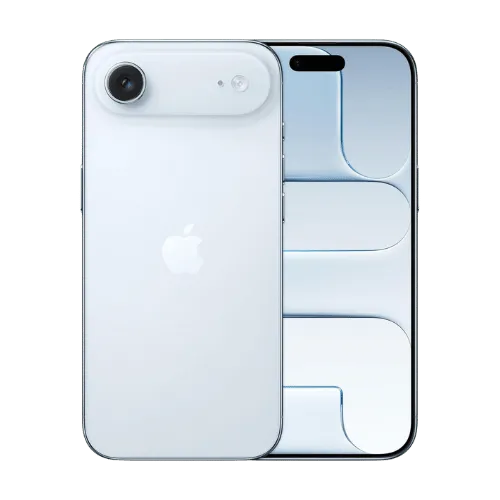
The iPhone 17 Air offers a stunning 6.6-inch OLED display with 120Hz ProMotion, making it a top pick for anyone who values smooth scrolling and a lightweight design. With its A19 Pro chip and 12GB RAM, it handles multitasking with ease. At just 5.82 oz, it’s perfect for those who want a phone that feels good in hand. Tap the button to see today's price.
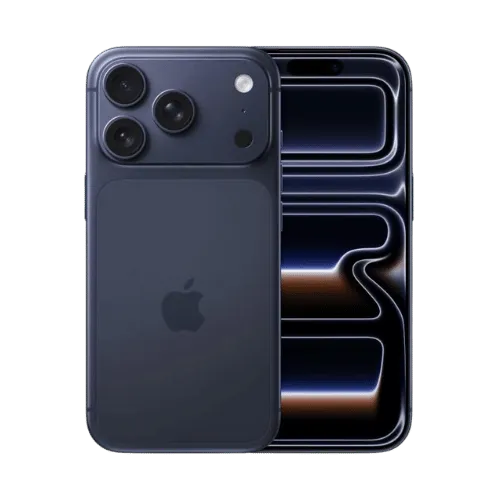
The iPhone 17 Pro shines with its triple 48MP camera system, allowing for stunning 4K video recording at up to 120 fps. With a larger 4252mAh battery, it provides up to 33 hours of video playback, making it ideal for creators on the go. If you're serious about photography and video, this is the phone to grab. Tap the button to see today's price.
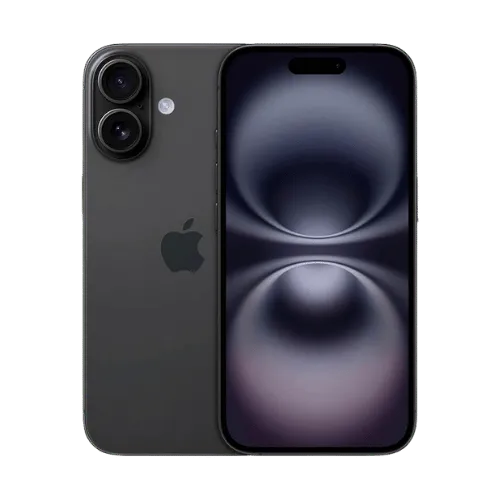
The iPhone 16 delivers excellent performance with its A18 chip and 48MP camera at a lower price point than the 17 series. With a 3561mAh battery, it offers up to 22 hours of video playback, which is decent for everyday use. It's a great option if you want an iPhone without breaking the bank. Tap the button to see today's price.
How to decide
The 'Air' concept: Replacing the Plus model
The iPhone 17 Air is the thinnest iPhone ever at just 0.22 inches thick, making it a sleek alternative to the Plus model. Unlike the Plus, which had a larger footprint, the Air fits comfortably in your hand with a weight of only 5.82 oz. However, this ultra-thin design comes with trade-offs, such as a battery capacity of 3150mAh, which is less than the 4252mAh found in the iPhone 17 Pro. If you're looking for a lightweight device that still packs a punch, the Air is a solid contender.
A19 Bionic performance: Do you need Pro power?
Both the iPhone 17 Air and Pro are powered by the A19 Pro chip, boasting a 6-core CPU and 12GB of RAM. In day-to-day tasks, the Air holds its own, but the Pro's enhanced cooling allows for better performance during heavy gaming or video editing. The Pro also features hardware-accelerated ray tracing, which is overkill unless you're into serious mobile gaming. So if you're a casual user, the Air's performance is more than sufficient.
ProMotion (120Hz) finally on non-Pro models
The iPhone 17 Air features a 120Hz ProMotion display, a first for non-Pro models. This means scrolling is twice as smooth compared to the 60Hz display on the iPhone 16. Whether you're browsing social media or playing games, the difference is noticeable. The Pro also has a 120Hz display, but if you're looking for that smooth experience without the extra camera features, the Air is the way to go.
Battery trade-offs for the ultra-thin design
While the iPhone 17 Air is a marvel of thinness, its 3150mAh battery can't compete with the Pro's 4252mAh. The Pro provides up to 33 hours of video playback, which is a significant advantage for heavy users. The Air, on the other hand, offers up to 26 hours, which is still impressive but may not be enough for power users. If battery life is your priority, the Pro is the smarter buy.
💡 Expert Tips: Smartphones Buying Advice
Beyond our picks, keep these insider tips in mind when shopping for smartphones:
Don't just chase megapixels—sensor size and computational photography matter more for photo quality.
Check software update policies: iPhones get 5-6 years of updates, while Android support varies widely.
Battery capacity over 4500mAh typically ensures all-day use for most users.
If you're switching ecosystems, factor in the cost of re-buying apps and accessories.
Frequently Asked Questions
+ iPhone 17 Air vs 17 Pro: Is Thinner Actually Better? in 2026?
The iPhone 17 Air is thinner and lighter, making it easier to carry, but it sacrifices some battery life and camera features compared to the 17 Pro. The Air's 3150mAh battery lasts up to 26 hours, while the Pro's 4252mAh lasts up to 33 hours.
+ Is iPhone 17 Air worth it in 2026?
Absolutely! The iPhone 17 Air combines a sleek design with a 120Hz display and powerful A19 Pro chip, making it a strong value for those who prioritize portability and display quality.
+ What should I look for when buying a smartphone?
Focus on battery life, camera capabilities, and display quality. For example, the iPhone 17 Pro offers a 4252mAh battery and a triple camera setup, while the Air provides a lighter option with a 120Hz display.
+ Is it worth spending more on the Pro model?
If you're into photography or video, the Pro's triple camera system and longer battery life make it worth the investment. The Pro also has better zoom capabilities with its 8x optical zoom compared to the Air's 2x.
Conclusion
For users who want a lightweight phone with a stunning display, the iPhone 17 Air is the clear choice. The Pro model is better for those needing advanced camera features and longer battery life. With the Air's 120Hz display and sleek design, it sets a new standard in 2026. Use the buttons above to see live pricing and stock.
Our top recommendation:
Get Apple iPhone 17→