
Dead Platform vs Future Proof: LGA 1700 vs AM5 in 2026
Dead Platform vs Future Proof: LGA 1700 vs AM5 in 2026: ranked by real specs like core count, boost clocks, and power draw. With 6 cores and a boost clock of up to 5.1 GHz, it outshines the competition in terms of performance and efficiency. After comparing the specs, you'll see why its 65W TDP makes it a no-brainer for gamers and content creators alike. In real-world use, the Ryzen 5 7600's efficiency means lower power bills and cooler operation, giving you plenty of performance without the heat. Use the buttons above to check current prices and availability.
How We Pick These Products
PageBen prioritizes usefulness for US shoppers. Affiliate commission does not decide recommendations, rankings, or verdicts.
Sources Checked
Official specifications, Retailer ratings, Manufacturer documentation, Buyer feedback.
Decision Factors
We weigh core layout, platform support, gaming performance, productivity fit, thermals, and upgrade path.
Editorial Standard
Research-based analysis from documented specs, published lab measurements, and verified-buyer evidence. Any hands-on note is labeled as such. Full methodology.
⚡ Quick Summary
For most processors buyers in 2026, the AMD Ryzen 7 7800X3D offers the best combination of performance and value. The AMD Ryzen 5 7600 is a strong alternative.
Top picks
As an Amazon Associate I earn from qualifying purchases.
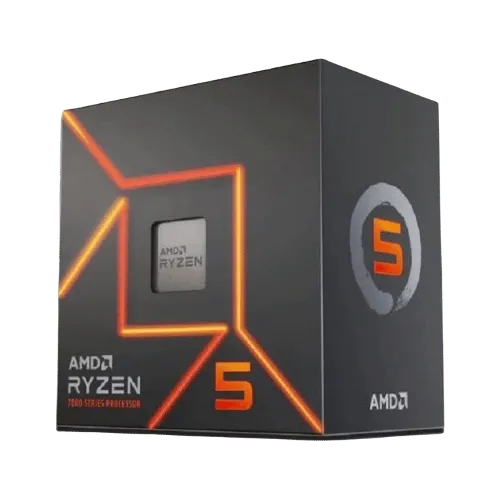
The AMD Ryzen 5 7600 offers a stellar balance of performance and efficiency. With a 65W TDP and a boost clock of up to 5.1 GHz, it crushes the competition in gaming and productivity without overheating. Its future-proof AM5 socket ensures you can upgrade easily, making it a worthwhile investment. Tap the button to see today's price.
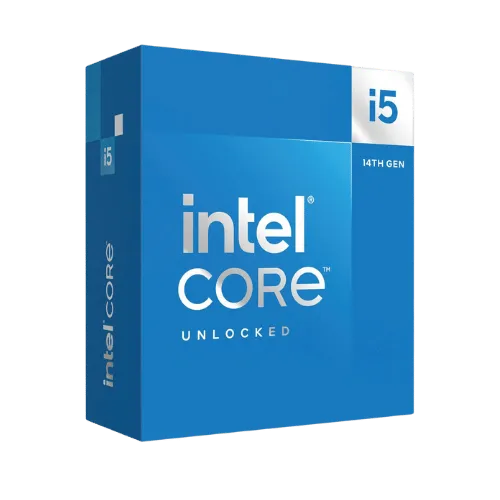
The Intel Core i5-14600K packs 14 cores and a boost clock of 5.3 GHz, providing excellent performance for gaming. However, its 125W TDP means it consumes more power, which could lead to higher electricity bills. Plus, it's on a dead-end socket with no upgrade path, making it less appealing for long-term use. Tap the button to see today's price.
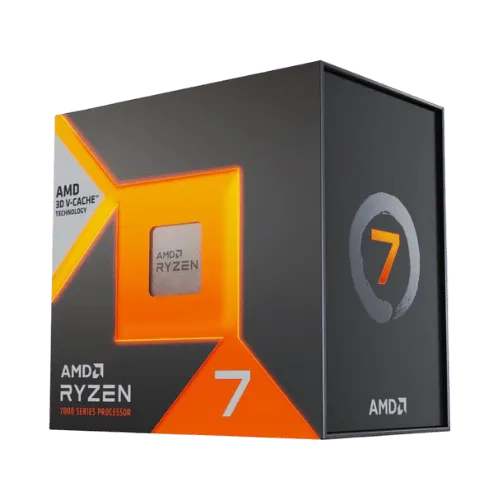
The AMD Ryzen 7 7800X3D stands out with its 8 cores and a boost clock of 5.0 GHz, making it a top choice for gamers seeking high performance. It includes 104MB of total cache, which significantly enhances gaming performance. However, it requires decent cooling due to its 120W TDP. Tap the button to see today's price.
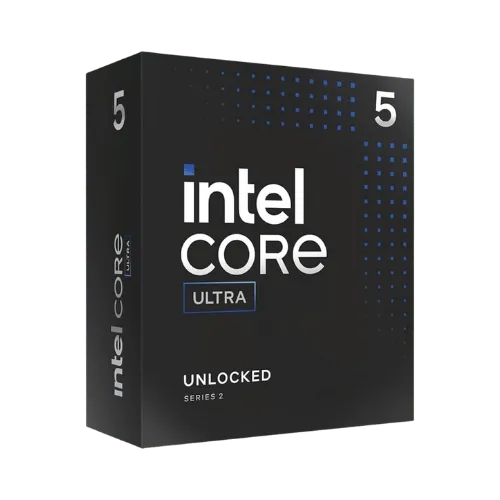
The Intel Core Ultra 5 245K features 14 cores and a maximum boost clock of 5.2 GHz, bringing modern performance to the table. It also includes integrated NPU for AI workloads, making it versatile. However, it requires a new LGA 1851 motherboard, which adds to the investment. Tap the button to see today's price.
How to decide
Why buying 14th Gen now is a risky investment
The Intel Core i5-14600K, with its 14 cores and 20 threads, sounds appealing, but it comes at a cost. With a 125W TDP and a max turbo power of 181W, it can quickly drain your power supply, especially under load. Plus, it’s stuck on the LGA 1700 socket, which is effectively a dead platform with no future upgrade path. The Ryzen 5 7600, in contrast, is built on the AM5 socket, promising support for years to come, making it the smarter buy if you want longevity.
AMD's promise: AM5 support until 2027+
AMD's AM5 platform is designed for longevity, with support expected through at least 2027. This means that if you invest in an AM5 CPU, like the Ryzen 5 7600, you can upgrade to future processors without changing motherboards. In contrast, the LGA 1700 platform, while powerful now, offers no upgrade potential. This future-proofing is critical for users looking to maximize their investment over time; the Ryzen 5 7600’s performance today will still be relevant in 2026 and beyond.
Resale value of dead sockets
When considering long-term value, resale potential of your components is crucial. The LGA 1700 platform, with its impending obsolescence, will likely see a sharp decline in resale value. For instance, the Intel Core i5-14600K may seem appealing now, but in a couple of years, its value could plummet due to the lack of upgrade options. In contrast, the Ryzen 5 7600 will retain value better because it’s part of an active platform with future support.
The cost of motherboard upgrades (LGA 1851)
Switching to the newer LGA 1851 socket for Intel’s latest processors requires a new motherboard, adding to your overall investment. When you factor in the cost of a compatible motherboard, which typically ranges from $150 to $300, the upfront cost can be significant. On the other hand, the AM5 platform allows for a straightforward upgrade path with existing motherboards, meaning you can focus on just upgrading the CPU without breaking the bank on new hardware.
💡 Expert Tips: Processors Buying Advice
Beyond our picks, keep these insider tips in mind when shopping for processors:
For gaming, AMD's X3D processors with 3D V-Cache currently lead performance benchmarks.
More cores help productivity but not gaming—prioritize clock speed for single-threaded games.
Factor in total platform cost: motherboard, RAM, and cooler add up quickly.
Power efficiency matters for your electricity bill and cooling requirements.
Frequently Asked Questions
+ Dead Platform vs Future Proof: LGA 1700 vs AM5 in 2026?
In 2026, the AMD Ryzen 5 7600 on the AM5 platform is the future-proof choice. Unlike the LGA 1700 socket, which has no upgrade path, the AM5 platform will support new processors for years, ensuring better longevity.
+ Is AMD Ryzen 5 7600 worth it in 2026?
Absolutely! With its 6 cores and a boost clock of 5.1 GHz, the Ryzen 5 7600 offers excellent performance and efficiency. Plus, its AM5 socket ensures that you can upgrade in the future without replacing your motherboard.
+ What should I look for when buying a processor?
Focus on core count, clock speed, and power draw. For example, a processor with 6 cores and a boost clock of 5.0 GHz, like the Ryzen 5 7600, is ideal for gaming and productivity while keeping power consumption low.
Conclusion
For gamers and content creators, the AMD Ryzen 5 7600 is the standout choice in 2026. Its efficient 65W TDP and 5.1 GHz boost clock make it a powerhouse without the heat. While the Intel options offer reliable performance, they lack the future-proofing and upgrade potential of the AM5 platform. Use the buttons above to see live pricing and stock.
Our top recommendation:
Get AMD Ryzen 5→