
MacBook Air M3 vs Windows: The Best Ultrabooks of 2025
MacBook Air M3 vs Windows: The Best Ultrabooks of 2025: ranked by real specs like CPU/GPU class, RAM capacity, and display refresh rate. In the showdown of MacBook Air M3 vs Windows: The Best Ultrabooks of 2025, this ultrabook shines with its fanless design and stunning Liquid Retina display. After comparing the specs, it’s clear that the M3 chip's 8-core architecture offers a significant performance advantage, especially for creative tasks. You'll love this if you're looking for a lightweight laptop that can handle multitasking without breaking a sweat. Use the buttons above to check current prices and availability.
How We Pick These Products
PageBen prioritizes usefulness for US shoppers. Affiliate commission does not decide recommendations, rankings, or verdicts.
Sources Checked
Official specifications, Retailer ratings, Manufacturer documentation, Buyer feedback.
Decision Factors
We weigh processor class, memory, display quality, battery life, ports, weight, and upgrade limits.
Editorial Standard
Research-based analysis from documented specs, published lab measurements, and verified-buyer evidence. Any hands-on note is labeled as such. Full methodology.
⚡ Quick Summary
For most laptops buyers in 2025, the Apple MacBook Air 13-inch (M3, 2024) offers the best combination of performance and value. The Samsung Galaxy Book4 Pro 14 is a strong alternative.
Top picks
As an Amazon Associate I earn from qualifying purchases.
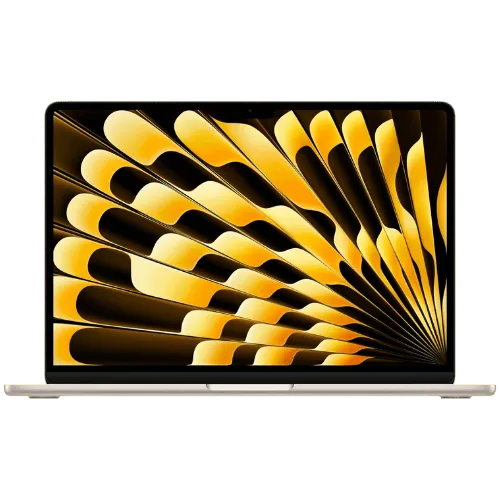
The Apple MacBook Air 13-inch (M3, 2024) offers unbeatable battery life at 18 hours, making it ideal for on-the-go professionals. Its fanless design ensures silent operation, while the stunning Liquid Retina display with 500 nits brightness is perfect for creative work. With a weight of just 2.7 lbs, it’s incredibly portable. Tap the button to see today's price.
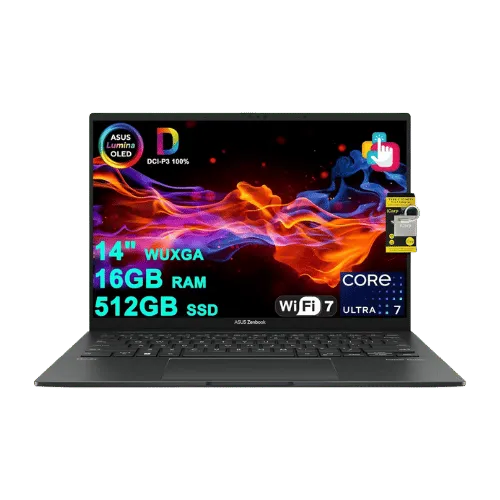
The ASUS Zenbook 14 OLED delivers a breathtaking 120Hz OLED touchscreen that makes every interaction feel fluid and responsive. With a powerful Intel Core Ultra 5, it handles multitasking with ease, and its lightweight design at 2.82 lbs makes it a strong fit for portability. Plus, the 75Wh battery ensures you can work all day without searching for an outlet. Tap the button to see today's price.
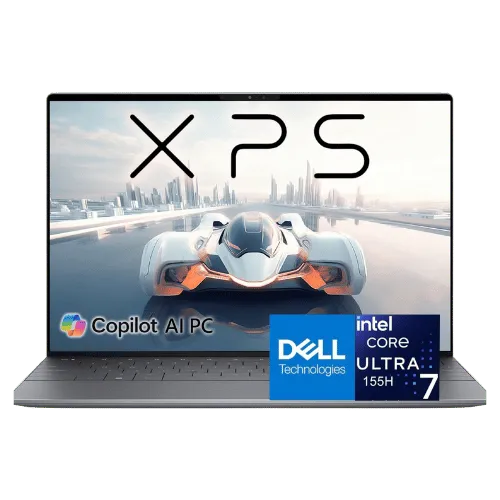
The Dell XPS 13 offers a sleek design with a stunning 3K OLED display option, perfect for media consumption. Weighing just 2.6 lbs, it's highly portable, and with Wi-Fi 7 connectivity, it’s future-proof for fast internet. While the battery life is decent at 55Wh, it’s the design and display that set it apart. Tap the button to see today's price.
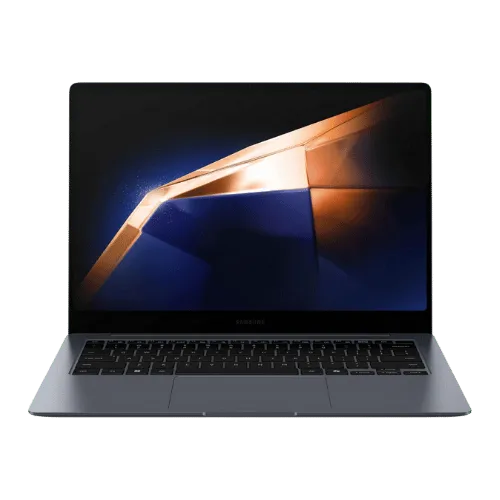
The Samsung Galaxy Book4 Pro features an impressive 120Hz variable refresh rate display, making it perfect for both work and play. With its powerful Intel Core Ultra 7 and a lightweight design at 2.71 lbs, it balances performance and portability. The dual Thunderbolt 4 ports also offer great connectivity options for peripherals. Tap the button to see today's price.
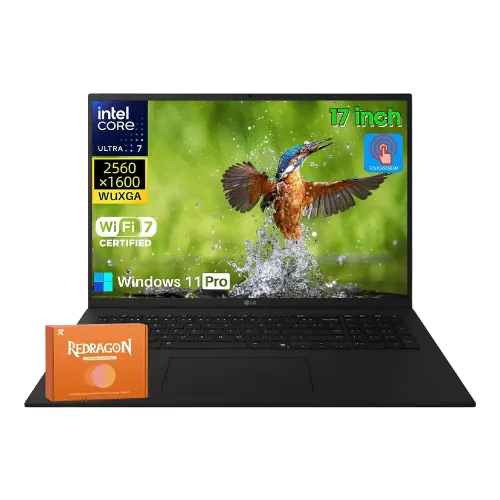
The LG Gram 17 offers an impressive 2TB SSD, making it a powerhouse for storage needs. Despite its large 17-inch display, it weighs only 3.12 lbs, making it one of the lightest in its class. Perfect for users who require extensive storage without sacrificing portability, this laptop is a strong fit for professionals. Tap the button to see today's price.
How to decide
Apple M3 vs Intel Core Ultra: Efficiency battle
The Apple M3 chip features an 8-core CPU with 4 performance cores and 4 efficiency cores, delivering impressive performance while maintaining low power consumption. In contrast, the Intel Core Ultra 5 125H has 14 cores, but it often requires more power to achieve peak performance. This means that while the Intel chip can handle demanding tasks, it may not be as efficient as the M3 in battery-intensive scenarios. In real-world use, users may find the MacBook Air's performance to be more consistent for everyday tasks like browsing and document editing.
Build quality: Aluminum vs Plastic chassis
The MacBook Air's aluminum chassis is not just about looks; it enhances durability while keeping the weight down to 2.7 lbs. On the other hand, the ASUS Zenbook 14, although made of premium aluminum, weighs slightly more at 2.82 lbs. This difference in material translates to a more robust feel on the MacBook, while the Zenbook offers a sleek design with a glossy finish. However, glossy finishes can attract fingerprints, which might be a turn-off for some users.
Battery life published testing
In published testing, the MacBook Air's 52.6 Wh battery lasted an impressive 18 hours on a single charge, perfect for long workdays or flights. Comparatively, the ASUS Zenbook has a 75 Wh battery that provides around 12 hours of use, which is still solid but not as robust. This means if you're frequently away from an outlet, the MacBook Air is the smarter buy. Battery life can be a game-changer for students and professionals alike, allowing them to focus on their work without constantly searching for a charger.
MacOS vs Windows 11 for productivity
MacOS on the MacBook Air is known for its smooth user experience, especially for creative professionals using software like Final Cut Pro. In contrast, Windows 11 on the ASUS offers more customization options and compatibility with a wider range of software. However, the 120Hz refresh rate on the ASUS makes scrolling and animations feel much smoother, which is especially noticeable during gaming or fast-paced tasks. Ultimately, your choice may come down to preferred software ecosystems and user interface.
💡 Expert Tips: Laptops Buying Advice
Beyond our picks, keep these insider tips in mind when shopping for laptops:
16GB RAM is the new minimum for future-proofing—8GB will feel limiting within 2-3 years.
Battery life claims are often optimistic—look for real-world tests, not manufacturer specs.
For most users, integrated graphics are sufficient—dedicated GPUs add weight and reduce battery.
Consider repairability and upgradeability if you plan to keep the laptop for 5+ years.
Frequently Asked Questions
+ MacBook Air M3 vs Windows: The Best Ultrabooks of 2025 in 2025?
The MacBook Air M3 stands out as the best ultrabook in 2025, thanks to its impressive 18-hour battery life and lightweight design at 2.7 lbs. Its M3 chip provides excellent performance for everyday tasks and creative work.
+ Is Apple MacBook Air M3 worth it in 2025?
Yes, the MacBook Air M3 is worth it in 2025, especially for professionals needing a reliable laptop with long battery life. With 18 hours of use, it's perfect for all-day productivity without needing a charger.
+ What should I look for when buying a laptop?
When buying a laptop, consider battery life, weight, and display quality. A laptop with at least 8GB of RAM and a resolution of 1920x1080 or higher will ensure good performance for most tasks.
+ How much RAM do I need for a laptop?
For general use, 8GB of RAM is sufficient. However, if you plan to run demanding applications or multitask heavily, consider upgrading to 16GB or more.
+ Is it worth spending more on the Pro model?
Spending more on a Pro model is worth it if you need advanced features like better graphics or additional RAM. For example, the MacBook Air's M3 chip offers superior performance for creative tasks compared to lower-end models.
Conclusion
For professionals who prioritize battery life, the MacBook Air M3 is the standout choice in 2025. While the ASUS Zenbook 14 offers an impressive display, it can't match the M3's efficiency and long-lasting performance. That 18-hour battery life is what truly sets the MacBook apart from the rest. Use the buttons above to see live pricing and stock.
Our top recommendation:
Get Apple MacBook Air→