
Mini-LED vs OLED: The Battle for Bright Living Rooms
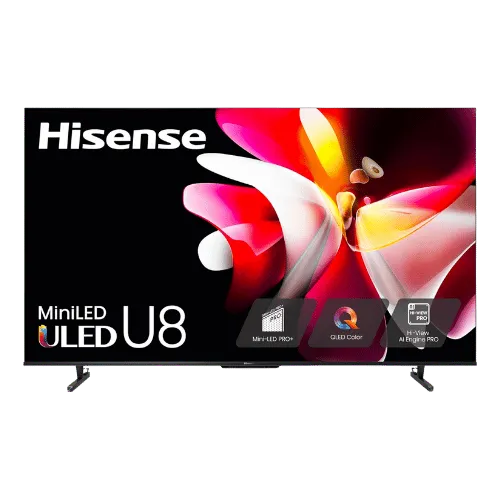
Mini-LED vs OLED: The Battle for Bright Living Rooms in 2026: ranked by real specs like panel type, peak brightness, and refresh rate. The Hisense U8N Mini-LED takes our top spot with an astonishing peak brightness of over 3,000 nits, making it the ideal choice for bright living rooms. After comparing the specs, this TV excels in HDR performance and reflection handling, ensuring you get stunning visuals even in well-lit environments. In real-world use, the 144Hz refresh rate gives gamers a smooth experience, while the built-in 2.1.2 audio system enhances your viewing pleasure. Use the buttons above to check current prices and availability.
How We Pick These Products
PageBen prioritizes usefulness for US shoppers. Affiliate commission does not decide recommendations, rankings, or verdicts.
Sources Checked
Official specifications, Retailer ratings, Manufacturer documentation, Buyer feedback.
Decision Factors
We weigh panel technology, contrast, brightness, HDR support, gaming features, size value, and smart platform.
Editorial Standard
Research-based analysis from documented specs, published lab measurements, and verified-buyer evidence. Any hands-on note is labeled as such. Full methodology.
⚡ Quick Summary
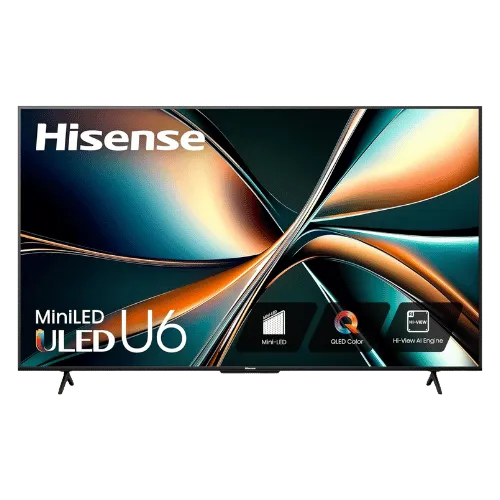
For most tvs buyers in 2026, the Hisense U8N Mini-LED ULED 4K Google TV (2024) offers the best combination of performance and value. The Hisense U6N Mini-LED ULED 4K Google TV (2024) is a strong alternative, while the Hisense U6N Mini-LED ULED 4K Google TV (2024) delivers excellent value on a tighter budget.
Top picks
As an Amazon Associate I earn from qualifying purchases.
The Hisense U8N Mini-LED is the best choice if you need a TV that excels in bright environments, boasting a peak brightness of over 3,000 nits. This means stunning HDR performance and vibrant colors even in well-lit rooms. With a 144Hz refresh rate, it's also perfect for gamers looking for a smooth experience. Tap the button to see today's price.
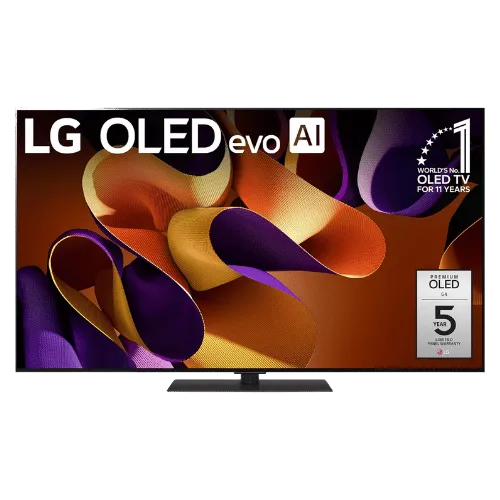
The LG OLED evo G4 is an impressive pick for those who prioritize picture quality with its infinite contrast and vibrant colors. The 144Hz refresh rate and AI processor make it ideal for gaming, delivering smooth visuals. However, consider its potential burn-in risk if you watch static content frequently. Tap the button to see today's price.
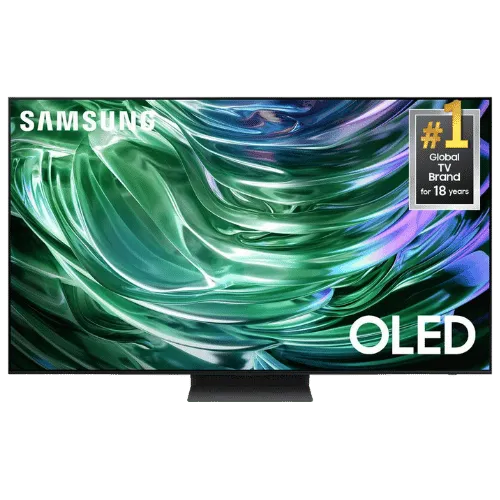
The Samsung OLED S90D combines QD-OLED technology for superior color accuracy and brightness, making it a strong fit for movie lovers. It offers a peak brightness of 1,200 nits, ensuring vibrant HDR content. However, it lacks Dolby Vision support, which may be a drawback for some. Tap the button to see today's price.
The Hisense U6N Mini-LED is the best budget option, offering respectable brightness of up to 700 nits and support for major HDR formats. While it lacks the high-end specs of its more expensive counterparts, it provides reliable performance for casual viewers. If you're looking for a good value TV, this one won't disappoint. Tap the button to see today's price.
How to decide
Peak brightness comparison: 2000 nits vs 1000 nits
When it comes to peak brightness, the Hisense U8N Mini-LED shines with a staggering 3,000 nits compared to the LG OLED evo G4's maximum of 1,500 nits. This difference means that the U8N can produce brighter highlights and better visibility in sunlit rooms. In practical terms, the higher brightness allows for more vibrant colors and stunning contrast, especially in HDR content. Meanwhile, the Samsung OLED S90D offers up to 1,200 nits, but it still falls short of the U8N's brilliance. So, if you're in a bright space, the U8N is the clear choice.
Reflection handling in sunlit rooms
In bright rooms, reflection handling is crucial, and here the Hisense U8N Mini-LED excels. Its VA panel minimizes reflections, allowing you to watch comfortably even with sunlight streaming in. The LG OLED evo G4, while having infinite contrast, can struggle with reflections due to its glassy surface. The Samsung OLED S90D performs decently but doesn't quite match the U8N's capabilities. For viewers in sunny areas, the U8N's design makes it the smarter buy.
Blooming control on Mini-LED
Blooming, or halo effects around bright objects, is a common issue with LED TVs. The Hisense U8N tackles this with over 2,000 local dimming zones, significantly reducing blooming. The LG OLED evo G4, with its self-illuminating pixels, shows no blooming at all, but it can't match the brightness of the U8N. The Samsung OLED S90D also avoids blooming but lacks the same brightness level. If you want to minimize blooming while enjoying high brightness, the U8N is hard to beat.
Lifespan and burn-in risks
Lifespan and burn-in are critical factors, especially for OLED panels. The LG OLED evo G4 boasts a 5-year panel warranty, recognizing concerns about burn-in, which can occur after prolonged static images. In contrast, the Hisense U8N Mini-LED doesn't face burn-in issues, making it a safer long-term investment. The Samsung OLED S90D, while also susceptible to burn-in, has a shorter warranty period. For peace of mind, the U8N is the way to go.
💡 Expert Tips: TVs Buying Advice
Beyond our picks, keep these insider tips in mind when shopping for tvs:
OLED offers unmatched picture quality but costs more—Mini-LED is a strong middle ground.
For gaming, ensure HDMI 2.1 support with VRR for PS5/Xbox Series X compatibility.
Smart TV platforms matter—some become slow and outdated; a streaming stick can extend TV life.
Measure twice: the TV will look smaller in your room than in the store.
Frequently Asked Questions
+ Mini-LED vs OLED: The Battle for Bright Living Rooms in 2026?
In 2026, the battle between Mini-LED and OLED is fierce, but the Hisense U8N Mini-LED takes the lead with its peak brightness of over 3,000 nits, making it ideal for bright living rooms.
+ Is the Hisense U8N Mini-LED worth it in 2026?
Absolutely! With a peak brightness of over 3,000 nits and a 144Hz refresh rate, it offers excellent performance for bright rooms and gaming. You'll enjoy stunning visuals without the worry of burn-in.
+ What should I look for when buying a TV?
Look for peak brightness, refresh rate, and panel type. A higher peak brightness, like the U8N's 3,000 nits, ensures vivid images in bright rooms, while a 144Hz refresh rate is essential for smooth gaming.
Conclusion
For families seeking the best viewing experience in bright rooms, the Hisense U8N Mini-LED is the top choice with its impressive 3,000 nits peak brightness. The LG OLED evo G4 is a strong contender if you prioritize deep blacks and gaming performance. However, the risk of burn-in with OLEDs is something to consider. Use the buttons above to see live pricing and stock.
Our top recommendation:
Get Hisense U8N Mini-LED→