
OLED Laptops: Is it the New Standard for 2026?
OLED Laptops: Is it the New Standard for 2026?: ranked by real specs like CPU/GPU class, RAM capacity, and display refresh rate. The ASUS Zenbook 14 OLED takes our top spot for laptops in 2026—its stunning 14-inch 3K display with a 120Hz refresh rate beats the competition. After comparing the specs, it’s clear that this laptop delivers exceptional performance with its Intel Core Ultra 5 processor and an impressive 75Wh battery that lasts up to 34 hours. In real-world use, you’ll appreciate the vibrant colors and deep contrasts that only an OLED screen can provide, making it perfect for creators and media consumption alike. Use the buttons above to check current prices and availability.
How We Pick These Products
PageBen prioritizes usefulness for US shoppers. Affiliate commission does not decide recommendations, rankings, or verdicts.
Sources Checked
Official specifications, Retailer ratings, Manufacturer documentation, Buyer feedback.
Decision Factors
We weigh processor class, memory, display quality, battery life, ports, weight, and upgrade limits.
Editorial Standard
Research-based analysis from documented specs, published lab measurements, and verified-buyer evidence. Any hands-on note is labeled as such. Full methodology.
⚡ Quick Summary
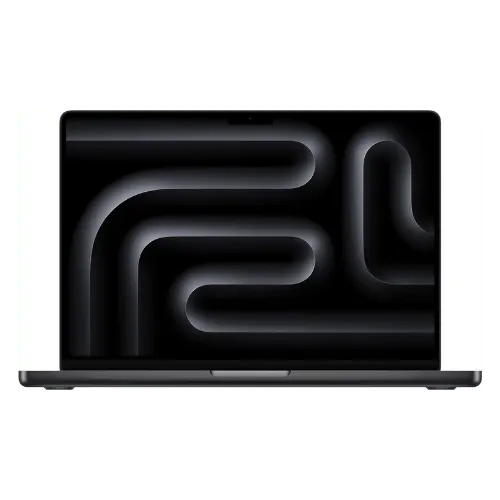
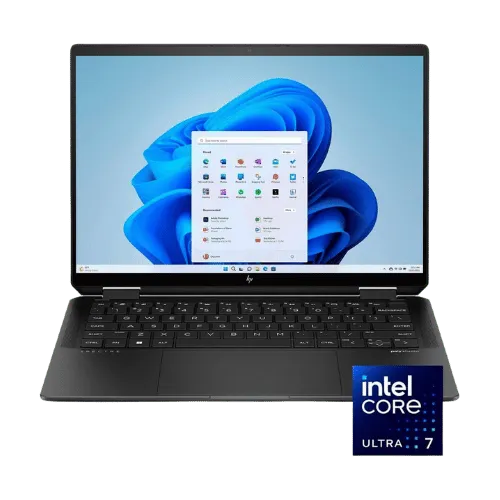
For most laptops buyers in 2026, the Apple MacBook Pro 14-inch offers the best combination of performance and value. The HP Spectre x360 14" 2-in-1 Core Ultra 7 155H is a strong alternative.
Top picks
As an Amazon Associate I earn from qualifying purchases.
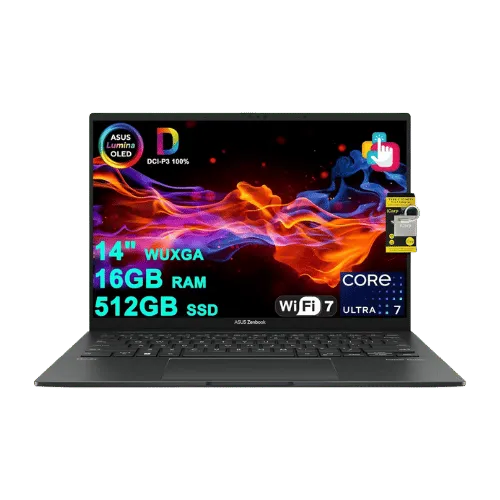
The ASUS Zenbook 14 OLED shines with a stunning 3K display and 120Hz refresh rate, providing exceptional visuals for creators. With its Intel Core Ultra 5 processor and 75Wh battery lasting up to 34 hours, it balances power and endurance. This laptop is a smart buy for anyone looking to elevate their media experience. Tap the button to see today's price.
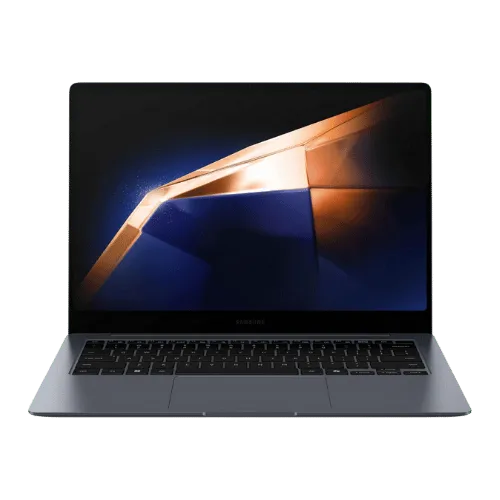
The Samsung Galaxy Book4 Pro features a vibrant 3K Dynamic AMOLED display and an Intel Core Ultra 7 processor, making it ideal for intensive tasks. Its lightweight design at just 2.71 lbs and dual Thunderbolt 4 ports offer great connectivity. While the 63Wh battery is less than the Zenbook, it still provides reliable performance for most users. Tap the button to see today's price.
With its 2-in-1 design and impressive 32GB RAM, the HP Spectre x360 is perfect for creative professionals. The 2.8K OLED display offers stunning visuals, while the 68Wh battery ensures you can work for hours without interruption. This laptop is a versatile option for those who need both power and flexibility. Tap the button to see today's price.
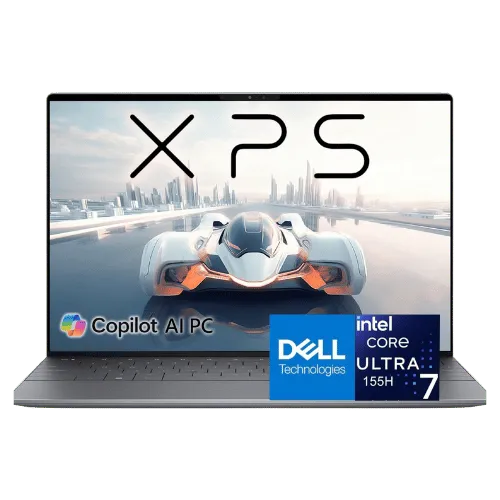
The Dell XPS 13 offers a compact design with options for a 120Hz IPS display or a 3K OLED. Weighing just 2.6 lbs, it’s perfect for on-the-go users. However, its 55Wh battery is less impressive compared to others. This laptop is great for those prioritizing portability without sacrificing too much performance. Tap the button to see today's price.
The Apple MacBook Pro 14 features a Liquid Retina XDR display with up to 1,600 nits peak brightness, perfect for graphic-intensive tasks. With an M3 Pro chip and up to 128GB RAM, it’s designed for heavy pro workflows. However, its starting price can be steep. This is the choice for users needing top-tier performance. Tap the button to see today's price.
How to decide
OLED vs IPS: The visual difference explained
When it comes to displays, OLED and IPS panels have distinct advantages. The ASUS Zenbook 14 OLED features a 14-inch OLED touchscreen with 100% DCI-P3 color gamut, providing vibrant colors and deep blacks. In contrast, IPS panels like the Dell XPS 13 offer a bright, 500-nit display but can’t match the contrast ratios of OLED. The HP Spectre x360 also sports an OLED display with similar specs, but its 2-in-1 design makes it more versatile for creative work. Ultimately, if color accuracy and depth are your priorities, OLED is the way to go.
Burn-in concerns: Are they solved?
Burn-in has been a common concern with OLED technology, but advancements have reduced these risks significantly. The ASUS Zenbook and Samsung Galaxy Book4 Pro both implement features to mitigate burn-in, such as pixel shifting and screen savers. However, users should still be cautious with static images. For everyday tasks and media consumption, the risk is minimal, and the visual quality of OLED screens far outweighs potential issues. So, if you’re worried about burn-in, know that these laptops are designed to handle it effectively.
Battery impact of high-res OLED screens
High-resolution OLED screens can consume more power, but the ASUS Zenbook 14 OLED counters this with a 75Wh battery that lasts up to 34 hours. In contrast, the Samsung Galaxy Book4 Pro has a smaller 63Wh battery, which still delivers decent performance but won't last as long under heavy use. The HP Spectre x360’s 68Wh battery is also competitive, but you'll notice a difference when pushing these displays to their limits. For users who rely on long battery life, the Zenbook is a no-brainer.
Best laptops for creators and media consumption
For creators, the HP Spectre x360 with its 2-in-1 design and 32GB RAM is excellent for multitasking. However, the ASUS Zenbook 14 OLED is a powerhouse with a 120Hz refresh rate, making it perfect for video editing and gaming. The Samsung Galaxy Book4 Pro offers strong performance but lacks the same level of RAM and storage options. If portability is key, the Dell XPS 13, while slightly less powerful, is compact and lightweight, making it a great option for on-the-go creators.
💡 Expert Tips: Laptops Buying Advice
Beyond our picks, keep these insider tips in mind when shopping for laptops:
16GB RAM is the new minimum for future-proofing—8GB will feel limiting within 2-3 years.
Battery life claims are often optimistic—look for real-world tests, not manufacturer specs.
For most users, integrated graphics are sufficient—dedicated GPUs add weight and reduce battery.
Consider repairability and upgradeability if you plan to keep the laptop for 5+ years.
Frequently Asked Questions
+ What is the oled laptops: is it the new standard for 2026? in 2026?
Yes, OLED laptops are becoming the standard for 2026, with stunning displays that offer superior color and contrast. The ASUS Zenbook 14 OLED exemplifies this trend with its 120Hz refresh rate and 3K resolution.
+ Is ASUS Zenbook 14 OLED worth it in 2026?
Absolutely! The ASUS Zenbook 14 OLED offers a 3K display and a 75Wh battery lasting up to 34 hours, making it an excellent investment for creators and media consumers.
+ What should I look for when buying a laptop?
Focus on the CPU, RAM, and display type. For 2026, look for at least 16GB RAM and an OLED display for the best visual experience.
+ How much RAM do I need for a laptop?
For general use, 8GB is sufficient, but for creative work or gaming, aim for 16GB or more. The HP Spectre x360 offers 32GB, perfect for multitasking.
+ Is it worth spending more on the Pro model?
If you need enhanced performance and features like higher RAM and better displays, then yes. The Apple MacBook Pro 14 offers significant upgrades for professionals.
Conclusion
For creators and media consumers, the ASUS Zenbook 14 OLED is the top choice in 2026. Its 120Hz refresh rate and exceptional battery life set it apart from competitors. The Samsung Galaxy Book4 Pro is a solid alternative if you prioritize portability but won't match the Zenbook's display quality. Use the buttons above to see live pricing and stock.
Our top recommendation:
Get ASUS Zenbook 14→