
The Great OLED Battle 2025: LG C4 vs Samsung S90D vs Sony Bravia 8
The Great OLED Battle 2025: LG C4 vs Samsung S90D vs Sony Bravia 8: ranked by real specs like panel type, peak brightness, and refresh rate. After comparing the specs, it’s clear that the C4’s peak brightness of up to 1,000 nits on larger models makes it a standout for HDR content. In real-world use, this translates to breathtaking visuals, especially in bright rooms. With features like four HDMI 2.1 ports, it’s ready for the latest gaming consoles and high-end PCs. Use the buttons above to check current prices and availability.
How We Pick These Products
PageBen prioritizes usefulness for US shoppers. Affiliate commission does not decide recommendations, rankings, or verdicts.
Sources Checked
Official specifications, Retailer ratings, Manufacturer documentation, Buyer feedback.
Decision Factors
We weigh panel technology, contrast, brightness, HDR support, gaming features, size value, and smart platform.
Editorial Standard
Research-based analysis from documented specs, published lab measurements, and verified-buyer evidence. Any hands-on note is labeled as such. Full methodology.
⚡ Quick Summary
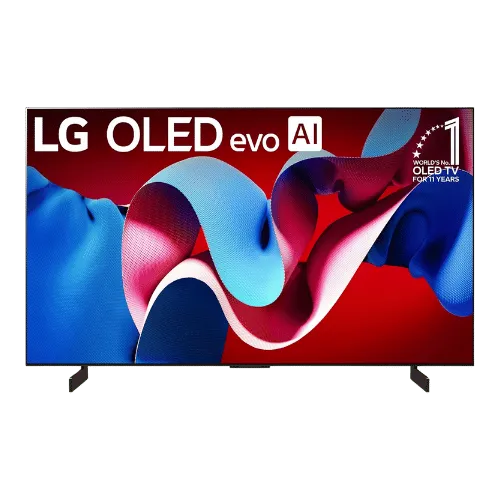
For most tvs buyers in 2025, the LG OLED evo C4 Series (2024) offers the best combination of performance and value. The Samsung OLED S90D Series (2024) is a strong alternative.
Top picks
As an Amazon Associate I earn from qualifying purchases.
The LG OLED evo C4 Series excels with its 144Hz refresh rate and four HDMI 2.1 ports, making it the best choice for gamers. With peak brightness reaching up to 1,000 nits on larger models, it delivers stunning HDR performance. Plus, the α9 Gen7 processor enhances upscaling and overall image quality. Tap the button to see today's price.
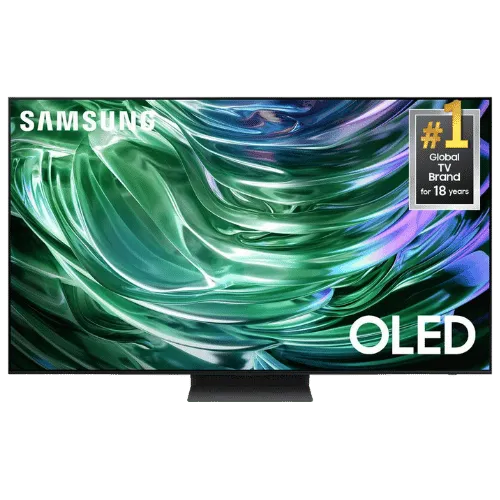
Samsung's S90D stands out with its QD-OLED technology, achieving peak brightness of around 1,200 nits, ideal for bright environments. Its full 144Hz support on all HDMI 2.1 ports makes it a top pick for serious gamers. However, the lack of Dolby Vision support is a downside for movie lovers. Tap the button to see today's price.
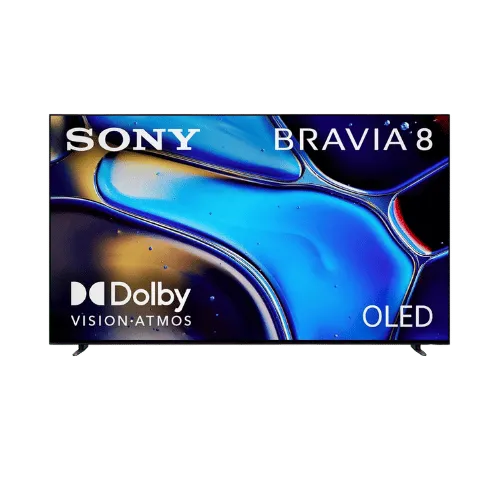
The Sony Bravia 8 delivers top-notch cinematic quality thanks to its Dolby Vision support and superior motion processing with the Cognitive Processor XR. With a peak brightness of about 800 nits, it’s not the brightest, but its perfect blacks make it perfect for dark room viewing. The limited HDMI 2.1 ports may be a drawback for gamers. Tap the button to see today's price.
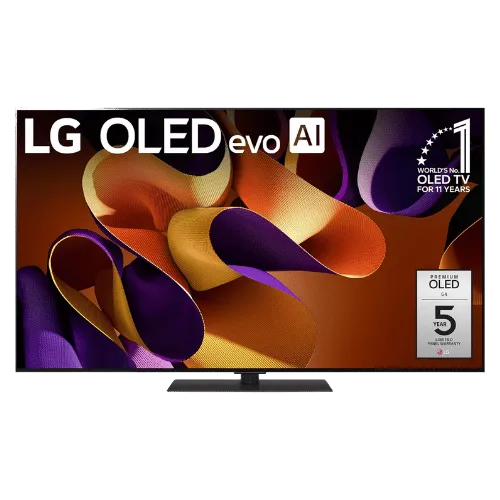
The LG OLED evo G4 Series features MLA technology, providing peak brightness of approximately 1,500 nits, perfect for wall-mounted setups. With the α11 AI Processor, it enhances picture quality significantly. However, its lack of ATSC 3.0 tuner limits NextGen TV access. Tap the button to see today's price.
How to decide
Brightness wars: QD-OLED (Samsung) vs WOLED (LG/Sony)
Samsung's S90D shines with a peak brightness of approximately 1,200 nits on its QD-OLED models, giving it a significant edge in bright environments. In contrast, both LG's C4 and Sony's Bravia 8 top out around 800-1,000 nits, making them less impressive under direct sunlight. This brightness difference means that the S90D can display more vivid colors and detail in HDR content, especially in scenes with bright highlights. If you watch in a well-lit room, the S90D's QD-OLED technology could be the game-changer you need.
Dolby Vision importance: Why Samsung still refuses it
Samsung opts for HDR10+ over Dolby Vision, which means you might miss out on some of the most dynamic HDR content available. The LG C4 and Sony Bravia 8 both support Dolby Vision, allowing for greater flexibility and quality in HDR playback. In practical terms, this can mean a richer viewing experience, especially for movies that are mastered in Dolby Vision. If you're a cinephile, the absence of Dolby Vision on the S90D could be a dealbreaker, especially considering that many streaming services prioritize it.
Motion processing: Sony's XR Processor advantage
Sony’s Cognitive Processor XR in the Bravia 8 offers superior motion processing, which is especially noticeable in fast-paced action scenes. With an input lag of approximately 5 ms at 4K 120Hz, it’s ideal for gamers who crave responsiveness. While LG and Samsung also have low input lags of about 5 ms, Sony’s processor enhances overall clarity and reduces motion blur in dynamic content. This makes the Bravia 8 an impressive choice for sports fans and gamers alike.
Gaming features: 144Hz support comparison
For gamers, the LG C4 and Samsung S90D offer full 144Hz support across all HDMI 2.1 ports, making them perfect for high-refresh-rate gaming. The Sony Bravia 8, however, is limited to just two HDMI 2.1 ports, which may not suffice for all gaming setups. With features like VRR (Variable Refresh Rate) and ALLM (Auto Low Latency Mode), both the C4 and S90D ensure a smooth gaming experience. If you’re serious about gaming on the latest consoles, these features are a must-have.
💡 Expert Tips: TVs Buying Advice
Beyond our picks, keep these insider tips in mind when shopping for tvs:
OLED offers unmatched picture quality but costs more—Mini-LED is a strong middle ground.
For gaming, ensure HDMI 2.1 support with VRR for PS5/Xbox Series X compatibility.
Smart TV platforms matter—some become slow and outdated; a streaming stick can extend TV life.
Measure twice: the TV will look smaller in your room than in the store.
Frequently Asked Questions
+ The Great OLED Battle 2025: LG C4 vs Samsung S90D vs Sony Bravia 8 in 2025?
In 2025, the LG C4 stands out for its 144Hz refresh rate and multiple HDMI 2.1 ports, making it ideal for gamers. Samsung's S90D excels in brightness with up to 1,200 nits, while the Sony Bravia 8 offers superior motion processing and Dolby Vision support.
+ Is LG OLED C4 worth it in 2025?
Absolutely! The LG OLED C4 offers a 144Hz refresh rate and peak brightness of up to 1,000 nits, making it a great investment for gamers and movie watchers alike. Its four HDMI 2.1 ports ensure compatibility with the latest devices.
+ What should I look for when buying a TV?
Focus on key specs like refresh rate, peak brightness, and HDMI port availability. For instance, a 144Hz refresh rate is crucial for smooth gaming, while 1,000 nits brightness enhances HDR viewing.
+ Is it worth spending more on the Sony Bravia 8?
If you prioritize cinematic quality, the Sony Bravia 8 is worth the investment. With Dolby Vision support and excellent motion processing, it provides a superior viewing experience, especially in dark environments.
Conclusion
For gamers and general viewers alike, the LG C4 is the clear choice in 2025. It offers a perfect blend of features, with a peak brightness of 1,000 nits and 144Hz support for gaming. The competition may catch up, but for now, the C4 sets the standard. Use the buttons above to see live pricing and stock.
Our top recommendation:
Get LG OLED evo→