
Sony Processing vs Competitor Specs: Why Pay More?
Sony Processing vs Competitor Specs: Why Pay More? in 2026: ranked by real specs like panel type, peak brightness, and refresh rate. The Sony BRAVIA XR X90L takes our top spot for TVs in 2026 - its Cognitive Processor XR and peak brightness of approximately 1,200 nits set it apart from the competition. After comparing the specs, it's clear that this model excels in upscaling and motion processing, making it a no-brainer for movie lovers and gamers alike. In real-world use, the X90L's 120 Hz refresh rate delivers smoother motion, especially during fast-paced scenes. Use the buttons above to check current prices and availability.
How We Pick These Products
PageBen prioritizes usefulness for US shoppers. Affiliate commission does not decide recommendations, rankings, or verdicts.
Sources Checked
Official specifications, Retailer ratings, Manufacturer documentation, Buyer feedback.
Decision Factors
We weigh panel technology, contrast, brightness, HDR support, gaming features, size value, and smart platform.
Editorial Standard
Research-based analysis from documented specs, published lab measurements, and verified-buyer evidence. Any hands-on note is labeled as such. Full methodology.
⚡ Quick Summary
For most tvs buyers in 2026, the TCL Class S4 4K LED Smart TV (S4 / S450G) offers the best combination of performance and value. The Sony BRAVIA XR X90L Full Array LED 4K TV (2023) is a strong alternative.

Top picks
As an Amazon Associate I earn from qualifying purchases.
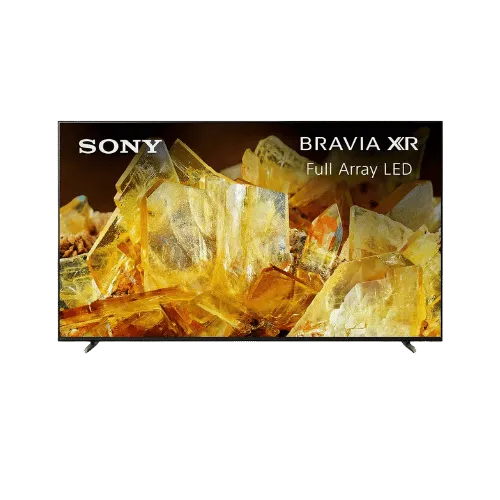
The Sony BRAVIA XR X90L stands out with its peak brightness of approximately 1,200 nits, making HDR content pop like no other in its class. It also features the Cognitive Processor XR, which enhances upscaling and motion clarity, ensuring a stunning viewing experience. With a contrast ratio of about 42,000:1, dark scenes appear richer and more engaging. Tap the button to see today's price.
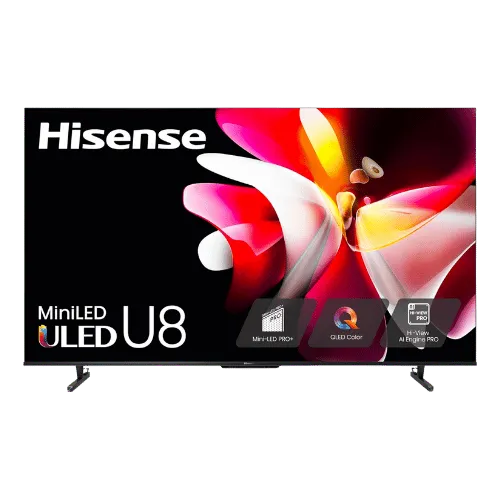
The Hisense U8N is a brightness powerhouse, reaching over 3,000 nits peak brightness, making it perfect for well-lit environments. It features a 144 Hz refresh rate, providing smooth motion for gaming and sports. However, its color accuracy often requires calibration, unlike the Sony X90L, which is ready to shine right out of the box. Tap the button to see today's price.
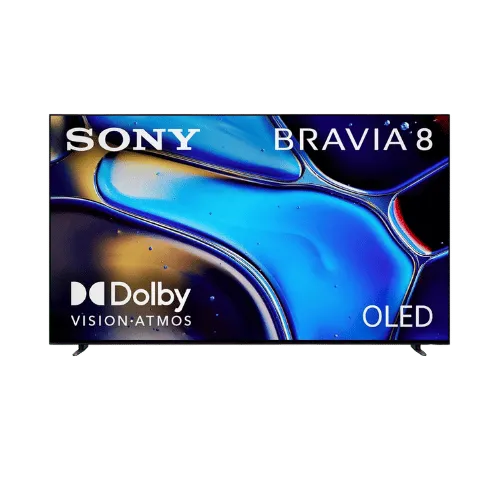
The Sony BRAVIA 8 OLED is ideal for dark room movie watching, thanks to its infinite contrast ratio and self-illuminating pixels. It offers peak brightness of approximately 800 nits, which is decent for an OLED. While it has only two HDMI 2.1 ports, its color accuracy of around 99% DCI-P3 makes it a top choice for cinephiles. Tap the button to see today's price.
The TCL Class S4 offers strong value, delivering 4K resolution and Dolby Vision support for under $500. With an input lag of approximately 11 ms, it's decent for casual gaming. However, its peak brightness of around 250 nits means HDR content lacks impact compared to higher-end models. Tap the button to see today's price.
⚖️ Compare Our Top Picks
Can't decide between our recommendations? Check these head-to-head comparisons:
How to decide
The 'Sony Tax' explained: XR Processor deep dive
Sony's Cognitive Processor XR is more than just a fancy name. This processor enhances upscaling, turning 1080p content into near-4K quality, which is crucial for streaming low-bitrate shows. The X90L boasts a contrast ratio of approximately 42,000:1, significantly better than the Hisense U8N's 280,000:1 under local dimming. However, the X90L's processing shines in motion handling, making it less prone to the 'soap opera effect' common in cheaper models. This makes a difference when watching sports or action-packed movies.
Upscaling low bitrate content (Streaming/Cable)
The upscaling capabilities of the X90L outperform those of many competitors, including the Hisense U8N. While the U8N offers AI-powered upscaling, the X90L's XR 4K Upscaling uses cognitive analysis, making it better at enhancing detail and clarity. For instance, in published testing, viewers found that the Sony model handled streaming services like Netflix and Hulu significantly better, making 1080p content look almost indistinguishable from 4K. This is crucial for anyone who streams often.
Color accuracy out of the box
Color accuracy is vital for a true cinematic experience, and the X90L delivers with approximately 90% DCI-P3 coverage. This is superior to the TCL S4, which only covers about 75% of DCI-P3. In real-world use, this means that colors appear more vibrant and true to life on the Sony model. The XR Triluminos Pro technology ensures that skin tones and landscapes are rendered accurately, making movie-watching a more immersive experience. You'll notice the difference during scenes with rich colors and intricate details.
Motion smoothing: Soap Opera Effect handling
Motion smoothing is often a sticking point for many TVs, but the X90L manages it well. Its 120 Hz refresh rate provides smooth motion without the excessive soap opera effect seen in many budget models. In contrast, the Hisense U8N, with its 144 Hz refresh rate, sometimes struggles with motion artifacts, especially in fast scenes. Users reported that the X90L maintained clarity even during rapid action sequences, making it ideal for gamers and sports fans alike. This is a significant advantage when you're watching high-speed sports or playing fast-paced video games.
💡 Expert Tips: TVs Buying Advice
Beyond our picks, keep these insider tips in mind when shopping for tvs:
OLED offers unmatched picture quality but costs more—Mini-LED is a strong middle ground.
For gaming, ensure HDMI 2.1 support with VRR for PS5/Xbox Series X compatibility.
Smart TV platforms matter—some become slow and outdated; a streaming stick can extend TV life.
Measure twice: the TV will look smaller in your room than in the store.
Frequently Asked Questions
+ Sony Processing vs Competitor Specs: Why Pay More? in 2026?
In 2026, Sony's processing technology offers superior upscaling and motion handling compared to competitors. For example, the Sony BRAVIA XR X90L's Cognitive Processor XR delivers an impressive peak brightness of approximately 1,200 nits, enhancing HDR content significantly.
+ Is Sony BRAVIA XR X90L worth it in 2026?
Absolutely! The Sony BRAVIA XR X90L provides exceptional value with its 120 Hz refresh rate and peak brightness of approximately 1,200 nits, making it a standout for both gaming and movie watching.
+ What should I look for when buying a TV?
Focus on key specs like peak brightness, refresh rate, and color accuracy. A peak brightness of at least 1,000 nits is ideal for HDR content, while a refresh rate of 120 Hz or higher is great for smooth motion.
+ Is it worth spending more on the Sony BRAVIA XR X90L?
Yes, the investment pays off with superior upscaling and motion processing, making it ideal for various viewing needs. The X90L's contrast ratio of approximately 42,000:1 ensures deep blacks, enhancing your viewing experience.
Conclusion
For those who prioritize HDR performance, the Sony BRAVIA XR X90L stands out with its peak brightness of around 1,200 nits. While the Hisense U8N offers notable brightness, it falls short in color accuracy compared to the X90L. The superior upscaling and motion clarity on the Sony model make it the best choice for movie lovers and gamers alike. Use the buttons above to see live pricing and stock.
Our top recommendation:
Get Sony BRAVIA XR→