
Ultrawide vs Dual Monitors: Which Setup Wins in 2025?
Ultrawide vs Dual Monitors: Which Setup Wins in 2025?: ranked by real specs like panel type, refresh rate, and resolution. The Alienware AW3423DWF takes our top spot for monitors in 2025 - its stunning QD-OLED panel with a 165Hz refresh rate crushes the competition. After comparing the specs, it offers an impressive 0.1ms response time and delivers vibrant colors that make gaming and content creation a joy. In real-world use, the 3440 x 1440 resolution provides breathtaking detail, ensuring you won't miss any action. Use the buttons above to check current prices and availability.
How We Pick These Products
PageBen prioritizes usefulness for US shoppers. Affiliate commission does not decide recommendations, rankings, or verdicts.
Sources Checked
Official specifications, Retailer ratings, Manufacturer documentation, Buyer feedback.
Decision Factors
We weigh panel type, resolution, refresh rate, brightness, color coverage, ergonomics, and desk fit.
Editorial Standard
Research-based analysis from documented specs, published lab measurements, and verified-buyer evidence. Any hands-on note is labeled as such. Full methodology.
⚡ Quick Summary
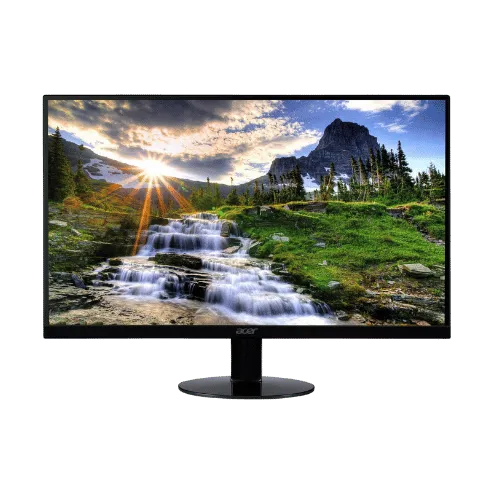
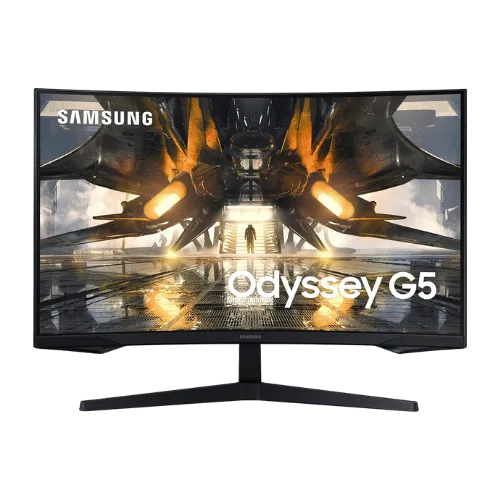
For most monitors buyers in 2025, the Acer SB220Q bi 21.5" FHD IPS Monitor offers the best combination of performance and value. The SAMSUNG Odyssey G55A 32" Curved WQHD Gaming Monitor is a strong alternative.
Top picks
As an Amazon Associate I earn from qualifying purchases.
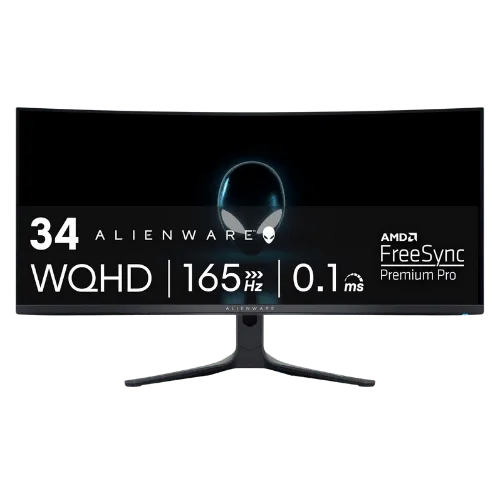
The Alienware AW3423DWF is unmatched in 2025, offering a stunning QD-OLED panel that delivers perfect blacks and vibrant colors. With a rapid 165Hz refresh rate and a jaw-dropping 0.1ms response time, it ensures fluid motion and clarity in fast-paced gaming. Plus, the 3440 x 1440 resolution provides a breathtaking visual experience. Tap the button to see today's price.
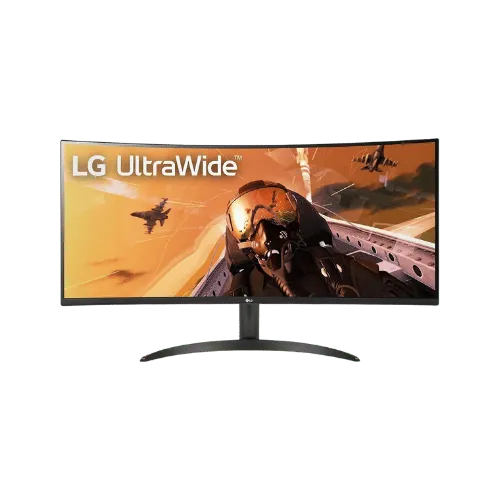
The LG 34WP60C-B offers an notable balance of performance and price, with a 160Hz refresh rate that keeps gameplay smooth and responsive. Its 3440 x 1440 WQHD resolution provides 33% more screen space than traditional monitors, making it a no-brainer for productivity and gaming. If you're looking for value, this is the pick for you. Tap the button to see today's price.
The Samsung Odyssey G55A excels with its aggressive 1000R curvature, enhancing immersion during gameplay. Coupled with a 165Hz refresh rate and a WQHD resolution of 2560 x 1440, it offers sharp visuals and smooth performance. While it may not have the same color depth as the ultrawide options, it’s a strong fit for gamers focused on competitive play. Tap the button to see today's price.
The Acer SB220Q is an ultra-thin 21.5-inch FHD monitor with a 75Hz refresh rate, making it ideal for casual use and basic gaming. At under $150, it's an notable deal for those needing a secondary display or a compact primary monitor. While it lacks some features of pricier models, it delivers reliable performance for everyday tasks. Tap the button to see today's price.
How to decide
The center bezel problem with dual screens
When using dual monitors, the center bezel can be a significant distraction. Most dual setups feature a bezel width of around 0.5 inches, which can split your focus during intense tasks or gaming. In contrast, ultrawide monitors like the LG 34WP60C-B eliminate this issue entirely, providing a seamless 34-inch display. This uninterrupted view enhances productivity and immersion, making it ideal for gamers and multitaskers alike.
Gaming immersion: 21:9 vs 16:9
Gaming on a 21:9 ultrawide monitor, like the Alienware AW3423DWF, creates a more immersive experience compared to a traditional 16:9 dual monitor setup. With a field of view that expands your peripheral vision, ultrawides deliver a competitive edge in fast-paced games. The Samsung Odyssey G55A, with its 165Hz refresh rate, also provides smooth gameplay, but it lacks the expansive view of ultrawides. If you crave an immersive experience, the 21:9 aspect ratio is a game-changer.
Window management: Mac vs Windows
Managing windows on a dual monitor setup can be cumbersome, especially for Mac users who might find the experience less fluid. In contrast, ultrawide monitors simplify multitasking with a single expansive screen. The LG 34WP60C-B offers 3440 x 1440 resolution, allowing you to easily arrange multiple windows side-by-side without overlap. Windows users benefit from native support for ultrawides, making it easier to maximize screen real estate and improve workflow.
Curvature importance (1500R vs 1000R)
Curvature plays a vital role in monitor immersion and comfort. The Samsung Odyssey G55A features a 1000R curvature, designed to mimic the natural curvature of the human eye, enhancing your viewing experience. In contrast, the LG 34WP60C-B has a gentler 1800R curve, which is less immersive but can still reduce eye strain during long hours. Depending on your preference, a steeper curve might be worth it for gaming, while a wider curve is better for productivity.
💡 Expert Tips: Monitors Buying Advice
Beyond our picks, keep these insider tips in mind when shopping for monitors:
Panel type matters: IPS for color work, VA for contrast, OLED for the best of both.
For gaming, prioritize low input lag and variable refresh rate over raw Hz numbers.
4K is overkill under 27 inches—you won't see the extra pixels at normal viewing distances.
Ergonomic adjustments (height, tilt, pivot) are worth paying for if you work long hours.
Frequently Asked Questions
+ What is the ultrawide vs dual monitors: which setup wins in 2025?
In 2025, the ultrawide setup, particularly the Alienware AW3423DWF, stands out with its QD-OLED panel and 165Hz refresh rate, offering superior immersion and performance compared to dual monitors.
+ Is the Alienware AW3423DWF worth it in 2025?
Absolutely! With a 0.1ms response time and stunning color accuracy, it’s perfect for both gaming and content creation, making it a worthwhile investment for serious users.
+ What should I look for when buying a monitor?
Focus on key specs like refresh rate (look for 165Hz or higher), resolution (at least 1440p), and panel type (QD-OLED or IPS for better color). These factors significantly impact your visual experience.
+ How much refresh rate do I need for gaming?
For smooth gaming, aim for at least 144Hz. Monitors like the Samsung Odyssey G55A provide 165Hz, ensuring fluid motion and responsiveness during fast-paced gameplay.
+ Is it worth spending more on an ultrawide monitor?
Yes, especially if you value immersion and productivity. Ultrawides like the LG 34WP60C-B offer 33% more screen space than standard monitors, enhancing multitasking and gaming experiences.
Conclusion
For gamers and content creators alike, the Alienware AW3423DWF is the standout choice in 2025, thanks to its notable 0.1ms response time and vibrant QD-OLED display. The LG 34WP60C-B is a solid alternative if you're budget-conscious but still want an ultrawide experience. Ultimately, investing in an ultrawide monitor pays off in both productivity and enjoyment. Use the buttons above to see live pricing and stock.
Our top recommendation:
Get LG 34WP60C-B 34"→