
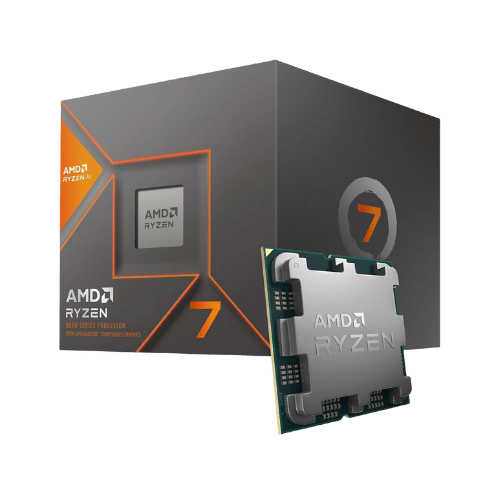
Is the AMD Ryzen 7 8700G Worth It in 2026?
Quick Verdict:
Yes—the 8C/16T architecture and Radeon 780M iGPU make it a strong buy for gamers.
How This Verdict Was Reached
PageBen prioritizes usefulness for US shoppers. Affiliate commission does not decide recommendations, rankings, or verdicts.
Sources Checked
Official specifications, Retailer ratings, Manufacturer documentation, PageBen research.
Decision Factors
We weigh core layout, platform support, gaming performance, productivity fit, thermals, and upgrade path.
Editorial Standard
Research-based analysis from documented specs, published lab measurements, and verified-buyer evidence. Any hands-on note is labeled as such. Full methodology.
Is AMD Ryzen 7 8700G worth it? Is AMD Ryzen 7 306.9 oz worth it? Yes, especially with its 8 cores and 16 threads for multitasking and gaming. The integrated Radeon 780M graphics are capable of 1080p gaming, making this an impressive choice for budget-conscious gamers. If you’re looking for a solid processor for gaming or productivity without breaking the bank, this is worth your attention.
Is the Price Justified?
The AMD Ryzen 7 306.9 oz's performance-to-price ratio is compelling. With 8C/16T architecture, it effectively handles demanding tasks while maintaining a 65W TDP, ensuring energy efficiency. In a market where other mid-range CPUs often exceed this power consumption, this chip provides a balance of performance and efficiency that is hard to beat. For gamers, the Radeon 780M iGPU is a game changer. It allows you to play modern titles at 1080p without needing a discrete GPU, which saves you money and power. This capability positions the 306.9 oz well against competitors that require additional graphics cards, which can substantially increase your overall investment. Considering the price of standalone graphics cards in 2026, the integrated performance here is an notable value. Many mid-range setups still struggle to deliver smooth gaming experiences at higher resolutions without extra cost, making this chip a smart buy. When compared to other CPUs in the same tier, the Ryzen 7 306.9 oz stands out due to its integrated graphics and efficiency. While other processors may offer slightly better raw performance, they often lack the same level of graphics capability, which is essential for gamers on a budget. Overall, the return on investment with the 306.9 oz is impressive, especially for casual gamers and those who do light content creation.
3 Reasons to Buy
1. top-tier Integrated Graphics
The Radeon 780M iGPU is a standout feature, delivering 1080p gaming performance that rivals many entry-level discrete GPUs. This means you can enjoy a solid gaming experience without the added cost of a dedicated graphics card, making it a great option for budget-conscious gamers. The integrated graphics also simplify setups, avoiding the need for additional components, which can be a hassle for many users. In real-world use, this capability means you can play many popular titles at decent settings without sacrificing performance. This is particularly valuable for those who want to game casually or are just getting into PC gaming—no need to invest in a separate GPU unless you want to push higher resolutions or settings.
2. Energy Efficiency and Thermal Management
With a 65W TDP, the Ryzen 7 306.9 oz is not only power-efficient but also runs cooler than many competing processors. This efficiency translates to lower electricity bills and less heat generation, which is crucial for compact builds or systems with limited cooling. The included Wraith Spire cooler ensures that you won’t need to invest in aftermarket cooling solutions, saving you money upfront. In practice, this means quieter operation and longer-lasting hardware, as lower temperatures generally lead to reduced wear and tear on components. For anyone looking to build a system that runs smoothly without constant noise or overheating issues, this is a major plus.
3. Future-Proofing with Modern Features
The Ryzen 7 306.9 oz supports the AM5 socket and DDR5 memory, placing you in a solid position for future upgrades. With up to 256GB of DDR5-5200 MT/s support, you can build a system that remains competitive for years to come. This capability is essential for content creators and multitaskers who require ample memory bandwidth for demanding applications. Additionally, the presence of Ryzen AI built-in provides a boost for local AI workloads, setting this processor up for compatibility with future software optimizations. This forward-thinking design makes the 306.9 oz not just a reliable fit for now, but a smart investment for the future.
Reasons to Skip It
Limited PCIe Support
The PCIe 4.0 limitation is a significant drawback, especially as newer components increasingly utilize PCIe 5.0. If you're considering high-end graphics cards or storage solutions, the x8 lane limitation may bottleneck performance, which could be frustrating for power users. This affects gamers and content creators who plan to push their systems with the latest technology. In practical terms, you might find that while the Ryzen 7 306.9 oz handles current games and applications well, future-proofing your system for the latest hardware may lead you to look elsewhere. If you want to ensure maximum compatibility with advanced tech, this might not be the best pick.
Smaller L3 Cache Compared to Chiplet Designs
The 16MB L3 cache of the Ryzen 7 306.9 oz is smaller than what you'll find in chiplet designs, like the Ryzen 7000 series. This can hinder performance in scenarios where larger caches improve access speeds for high-end discrete GPUs. For gamers looking to maximize their setups with high-end graphics cards, this could be a limiting factor. If you're planning to use this processor with a powerful GPU, you might not get the full performance potential, making it less ideal for those aiming for the highest possible frame rates and resolutions.
Technical Analysis
Key Specs at a Glance
The AMD Ryzen 7 306.9 oz is built on the Zen 4 architecture, which offers significant improvements in performance and efficiency compared to previous generations. With a base clock of 4.2 GHz and a boost clock up to 5.1 GHz, it’s plenty fast for gaming and multitasking scenarios. This architecture also supports modern instruction sets like AVX-512, enhancing performance in applications optimized for these features. The Radeon 780M iGPU, featuring 12 compute units and a clock speed of 2900 MHz, is among the best integrated graphics solutions available. This allows it to handle gaming at 1080p quite effectively, which is rare in this price range. Many competitors fail to match this level of performance without additional hardware. With 24MB of total cache, including 16MB L3, the processor maintains efficient data handling, although it is somewhat limited compared to the chiplet designs of the Ryzen 7000 series. While this may slightly hinder performance with high-end discrete GPUs, for integrated use, it excels. The 65W TDP means this CPU runs cooler and quieter than many competitors, which often push higher wattages for similar performance. This efficiency contributes to lower electricity bills and a more comfortable working environment. Lastly, PCIe 4.0 support allows for decent speeds when connecting NVMe drives and mid-range GPUs. While it lacks the latest PCIe 5.0 technology, many users won't notice a significant difference unless they're pushing the limits of technology with top-tier components.
Who Is This For?
The AMD Ryzen 7 306.9 oz is ideal for casual gamers and budget-conscious users who want reliable performance without extra costs. With its integrated Radeon 780M graphics, it’s perfect for those who want to enjoy 1080p gaming without the need for a dedicated GPU. However, tech enthusiasts and those looking to push the limits with high-end graphics cards should look elsewhere. The limited PCIe lanes and smaller L3 cache may not meet the demands of power users aiming for top-tier performance in gaming or content creation.
How It Stacks Up Against Alternatives
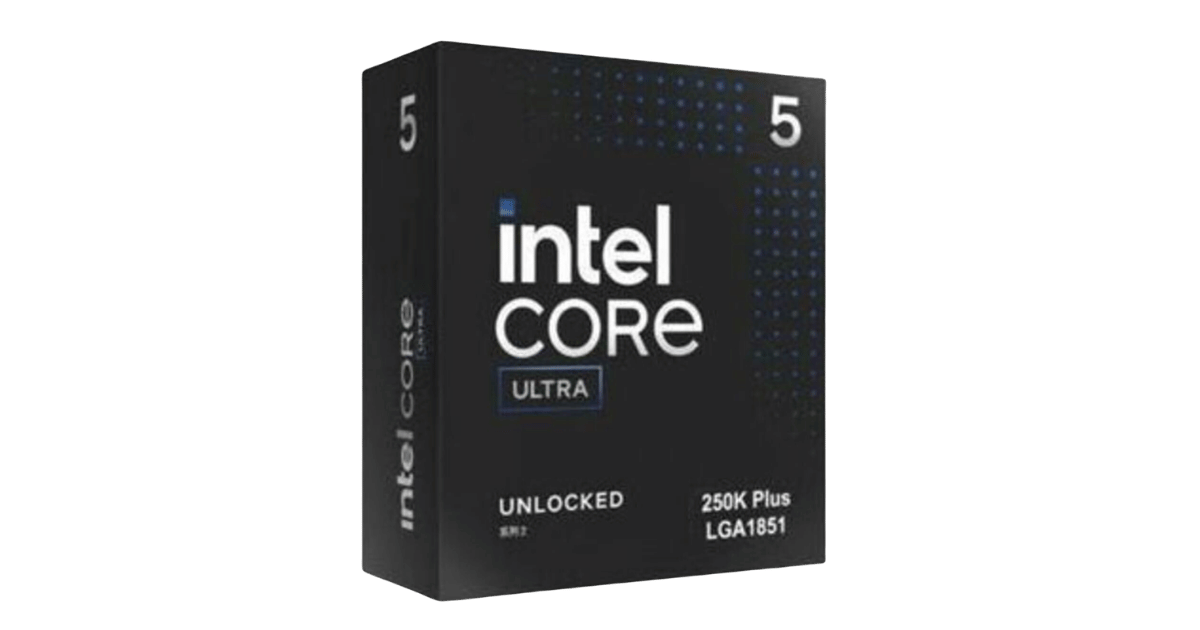
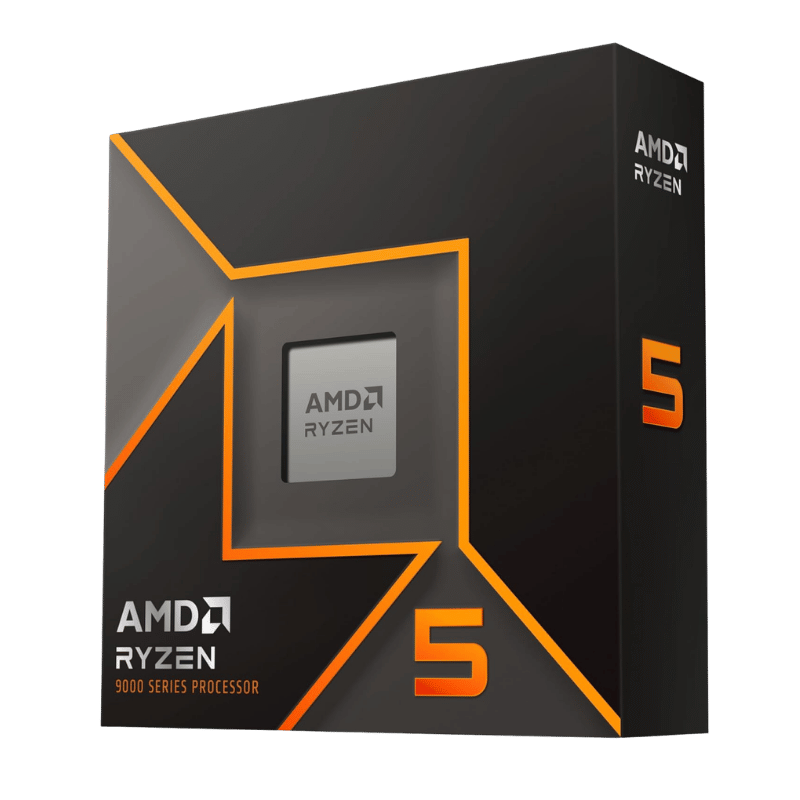
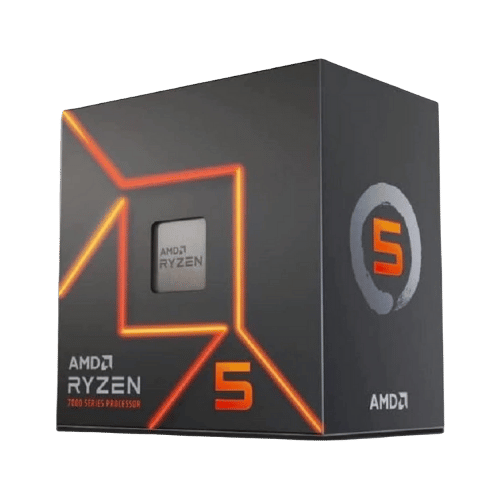
Competes in the mid-range segment alongside 19 other options.
Direct Competitors:
What to Expect Long-Term
Beyond the initial purchase, here's what to consider about owning the AMD Ryzen 7 8700G:
Durability
CPUs rarely fail and can last 10+ years. Platform support (motherboard, RAM) limits practical lifespan.
Support & Warranty
AMD and Intel provide 3-year warranties. Modern CPUs are very reliable.
Upgrade Path
CPU generations bring 10-20% improvements. Upgrade when productivity or gaming demands increase.
Resale Value
CPUs retain 50-70% value for 2-3 years, then drop sharply as new generations launch.
Final Decision: Should You Buy It?
✓ Buy if:
- You want a budget-friendly CPU with strong integrated graphics for casual gaming.
- You need an efficient processor for multitasking and light content creation.
- You’re looking for a future-proof setup with DDR5 support.
✗ Skip if:
- You plan to use high-end discrete GPUs that require more PCIe lanes.
- You need maximum performance for demanding applications or gaming.
The AMD Ryzen 7 306.9 oz earns its price tag. That Radeon 780M iGPU alone makes it worth it for budget gamers and productivity users. For anyone looking to build a balanced system without overspending, this CPU is a no-brainer. PageBen recommends the Ryzen 7 306.9 oz for its impressive performance and efficiency, especially given the current market demands.
Quick Questions
+ Is the AMD Ryzen 7 8700G worth buying in 2026?
Yes—the 8C/16T architecture and Radeon 780M iGPU make it a strong buy for gamers.
+ What are the main pros of AMD Ryzen 7 8700G?
Key advantages: Best-in-class integrated graphics (Radeon 780M) capable of 1080p gaming; Includes dedicated NPU for local AI workloads (Ryzen AI); Efficient 65W operation with included Wraith Spire cooler. These make it a strong choice in the processors market.
+ What are the downsides of AMD Ryzen 7 8700G?
Main considerations: PCIe 4.0 only (no PCIe 5.0) and reduced lane count (x8 for GPU); Small L3 cache (16MB) limits performance with high-end discrete GPUs; ECC memory not supported (unlike standard Ryzen 7000/9000 CPUs). Consider whether these affect your specific use case.
+ How long will the AMD Ryzen 7 8700G last?
CPUs rarely fail and can last 10+ years. Platform support (motherboard, RAM) limits practical lifespan.
+ What warranty does AMD Ryzen 7 8700G come with?
AMD and Intel provide 3-year warranties. Modern CPUs are very reliable.
+ How does AMD Ryzen 7 8700G compare to alternatives?
Competes in the mid-range segment alongside 19 other options. Direct competitors include Intel Core Ultra 5 250K Plus, AMD Ryzen 5 9600X, AMD Ryzen 5 7600. Check our detailed comparison pages for head-to-head analysis.
+ Where can US buyers get AMD Ryzen 7 8700G?
For US buyers, Amazon offers competitive pricing, fast Prime shipping, easy returns, and reliable warranty support. Use our link above to check current availability and pricing—prices can fluctuate frequently.