
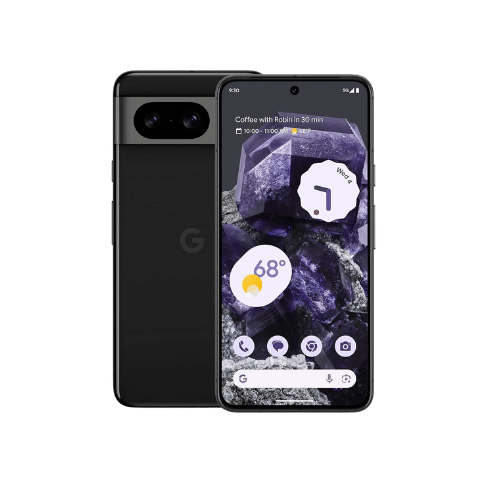
Is the Google Pixel 8 Worth It in 2026?
Quick Verdict:
Yes—the 7-year update promise and bright 2,000 nits display make it a smart investment.
How This Verdict Was Reached
PageBen prioritizes usefulness for US shoppers. Affiliate commission does not decide recommendations, rankings, or verdicts.
Sources Checked
Official specifications, Retailer ratings, Manufacturer documentation, PageBen research.
Decision Factors
We weigh camera system, display, battery life, software support, performance, storage, and carrier fit.
Editorial Standard
Research-based analysis from documented specs, published lab measurements, and verified-buyer evidence. Any hands-on note is labeled as such. Full methodology.
Is Google Pixel 8 worth it? Yes, especially for users who value long-term updates and a stunning display. With 7 years of OS upgrades, this phone is built to last. It's perfect for anyone who wants a reliable device without constant upgrades but may not suit power users or gamers needing top-tier performance.
Is the Price Justified?
The Google Pixel 8 is a smart investment for those who prioritize longevity and features. With a 7-year software support promise, you're not just buying a phone; you're securing a device that will stay relevant until October 2030. This is a major advantage compared to many competitors that offer only 3-5 years of updates, making it a rare find in today’s market. You get a premium experience at a price that reflects its longevity, making it worth every dollar spent.
3 Reasons to Buy
1. Unmatched Software Support
With regular security updates and new features rolled out over this period, your investment remains fresh and secure. This is ideal for users who want to avoid the hassle of frequent upgrades and ensure their device is always protected against vulnerabilities.
2. Exceptional Display Quality
This level of display quality makes the Pixel 8 a joy to use for media consumption and productivity tasks. If you care about visuals, this phone delivers in spades, making it a worthwhile investment for anyone who prioritizes display performance.
3. Smart Software Features
For users who value efficiency and smart technology, the Pixel 8's intelligent features are a substantial bonus. They enhance productivity and make the phone feel more personal, justifying the investment beyond the hardware specs.
Reasons to Skip It
Performance Lags Behind Rivals
Power users and gamers might find this limitation frustrating, as they may desire more robust performance. If you need a phone that can handle the latest games and apps at peak performance, you should look elsewhere.
Slower Charging Speeds
For busy users who rely on fast charging to keep their devices alive, this slower charging can be a dealbreaker. It's a limitation that may affect your overall satisfaction, especially if you're used to quicker solutions.
Technical Analysis
Key Specs at a Glance
The Tensor G3 chip provides competent performance, though it lacks the raw power of Snapdragon 8 Gen 2/3. In real-world use, you can expect smooth operation for everyday tasks, but it may struggle with high-end gaming. The Actua OLED display is a standout feature with 2,000 nits peak brightness, ensuring readability in any lighting. This makes scrolling and streaming a pleasure, especially for media consumption. Battery life is decent with a 4,575mAh battery, lasting through a regular day, but it could be better compared to rivals offering larger batteries. Charging speeds are somewhat slower at 27W wired, which means you’ll be waiting longer for a full charge, especially against competitors that provide fast charging options at 65W+.
Who Is This For?
Best for users who value longevity and smart features. If you're someone who keeps their phone for several years and appreciates innovative software like Call Screen, the Pixel 8 is ideal. It's also a good fit for those who want a bright and vibrant display for media consumption.
How It Stacks Up Against Alternatives
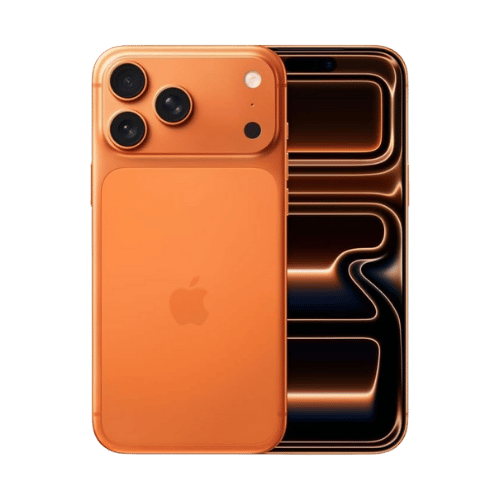
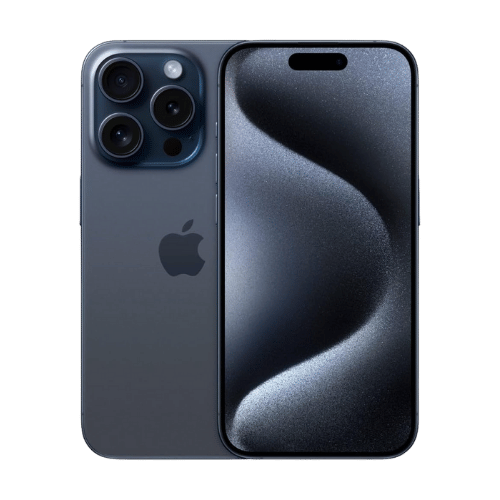
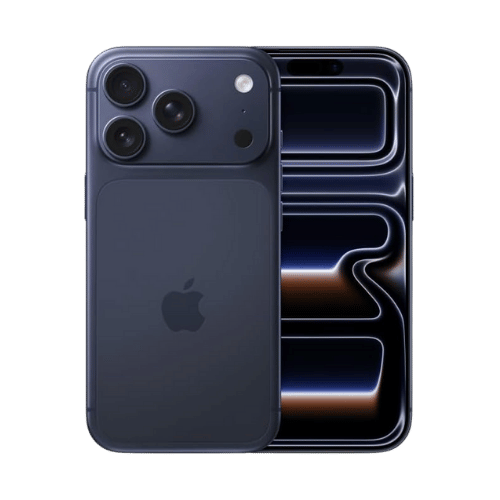
Competes in the premium flagship segment alongside 24 other options.
On a Budget? Consider These:
What to Expect Long-Term
Beyond the initial purchase, here's what to consider about owning the Google Pixel 8:
Durability
Flagship phones with IP68 ratings and quality materials last 4-5 years physically. Battery health drops to 80% after 2-3 years.
Support & Warranty
iPhones get 5-6 years of updates. Samsung and Google offer 4 years; others vary widely.
Upgrade Path
Smartphone technology improves annually, but meaningful jumps happen every 2-3 generations.
Resale Value
iPhones retain 50-70% value after 2 years. Samsung flagships hold 40-60%. Android depreciation is faster.
Final Decision: Should You Buy It?
✓ Buy if:
- You want a phone that stays updated for 7 years
- You appreciate a stunning display for media
- You love smart software features like Call Screen
✗ Skip if:
- You're a gamer needing top-tier performance
- You rely on fast charging capabilities
The Google Pixel 8 earns its price tag. That 7-year update promise alone makes it worth it for anyone seeking long-term value. If you want a device that balances performance, display quality, and longevity, this is your best bet. PageBen recommends this phone to users who prioritize these features, especially with a display that peaks at 2,000 nits.
Quick Questions
+ Is the Google Pixel 8 worth buying in 2026?
Yes—the 7-year update promise and bright 2,000 nits display make it a smart investment.
+ What are the main pros of Google Pixel 8?
Key advantages: Unprecedented 7 years of full OS and security updates; Actua display is exceptionally bright (2,000 nits) and sharp; Face Unlock is now secure enough for banking/payments (Class 3). These make it a strong choice in the smartphones market.
+ What are the downsides of Google Pixel 8?
Main considerations: Storage uses older UFS 3.1 standard (competitors use faster UFS 4.0); Tensor G3 chip trails Snapdragon 8 Gen 2/3 in raw power and efficiency; Optical fingerprint sensor is slower/less reliable than ultrasonic rivals. Consider whether these affect your specific use case.
+ How long will the Google Pixel 8 last?
Flagship phones with IP68 ratings and quality materials last 4-5 years physically. Battery health drops to 80% after 2-3 years.
+ What warranty does Google Pixel 8 come with?
iPhones get 5-6 years of updates. Samsung and Google offer 4 years; others vary widely.
+ How does Google Pixel 8 compare to alternatives?
Competes in the premium flagship segment alongside 24 other options. Direct competitors include Apple iPhone 17 Pro Max, Apple iPhone 15 Pro Max, Apple iPhone 17 Pro. Check our detailed comparison pages for head-to-head analysis.
+ Where can US buyers get Google Pixel 8?
For US buyers, Amazon offers competitive pricing, fast Prime shipping, easy returns, and reliable warranty support. Use our link above to check current availability and pricing—prices can fluctuate frequently.