
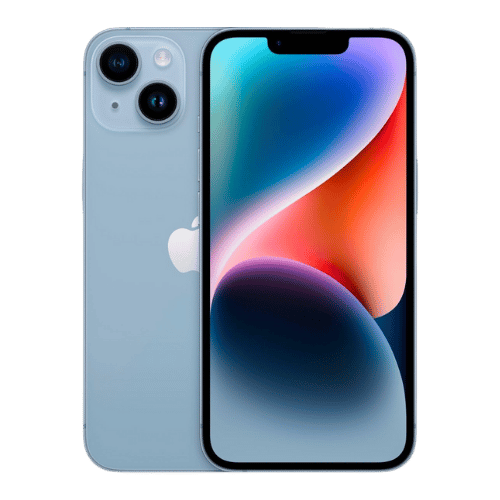
Is the Apple iPhone 14 Worth It in 2026?
Quick Verdict:
Yes—the A15 Bionic chip and excellent build quality justify the investment.
How This Verdict Was Reached
PageBen prioritizes usefulness for US shoppers. Affiliate commission does not decide recommendations, rankings, or verdicts.
Sources Checked
Official specifications, Retailer ratings, Manufacturer documentation, PageBen research.
Decision Factors
We weigh camera system, display, battery life, software support, performance, storage, and carrier fit.
Editorial Standard
Research-based analysis from documented specs, published lab measurements, and verified-buyer evidence. Any hands-on note is labeled as such. Full methodology.
Is Apple iPhone 14 worth it? Yes, especially for users looking for a reliable smartphone with reliable performance. The A15 Bionic chip ensures longevity and efficiency for years to come. This phone is ideal for those wanting a mid-range device that integrates seamlessly into the iPhone ecosystem without breaking the bank.
Is the Price Justified?
The iPhone 14's price-to-performance ratio is compelling in 2026, especially given that it still features the powerful A15 Bionic chip, which competes well against newer models. For users expecting at least 5 years of software support, this phone offers a smart investment, ensuring you're not left behind in terms of updates. The starting storage of 128GB also means you're getting enough capacity for apps, photos, and videos without extra cost for upgrades.
3 Reasons to Buy
1. Reliable Performance with A15 Bionic
Moreover, the 5-core GPU enhances graphical performance for gaming and video playback. This means you'll enjoy a seamless experience while watching movies or playing the latest games, making it a worthwhile investment for entertainment enthusiasts.
2. Premium Build Quality
Additionally, the lightweight 6.07 oz design makes it comfortable to hold and use throughout the day. This combination of durability and comfort means you’re not just buying a phone; you're investing in a device that fits seamlessly into your life.
3. Great Camera System
The 12MP TrueDepth front camera also supports autofocus, ensuring your selfies and video calls are sharp and clear. This focus on quality makes the iPhone 14 a compelling option for anyone interested in mobile photography.
Reasons to Skip It
Older Charging Port and Connectivity
Additionally, it's not compatible with the newer Qi2 wireless charging standard, restricting your charging options. For those who prioritize the latest technology and convenience, this could be a dealbreaker.
Limited Display Features
Moreover, the absence of the Dynamic Island feature means you miss out on some of the more modern design elements seen in newer models. If advanced display technology is a priority for you, it might be best to look elsewhere.
Technical Analysis
Key Specs at a Glance
The A15 Bionic chip remains a strong performer, offering efficient processing power that handles multitasking and gaming without a hitch. Compared to competing devices in 2026, its 6-core CPU and 16-core Neural Engine provide a performance edge in tasks like photography and AI applications. The 6.1-inch Super Retina XDR OLED display offers stunning visuals, although it lacks the 120Hz refresh rate found in newer models, making it less smooth for scrolling compared to competitors.
Who Is This For?
Best for users who want a reliable phone with long-term software support and reliable performance. The A15 Bionic chip ensures it will handle daily tasks effectively for years. Not ideal for tech enthusiasts who prioritize the latest features like high refresh rates or new charging standards, as the iPhone 14 may feel outdated in those respects.
How It Stacks Up Against Alternatives
Leads the mid-range segment with the highest rating among 16 competing products.
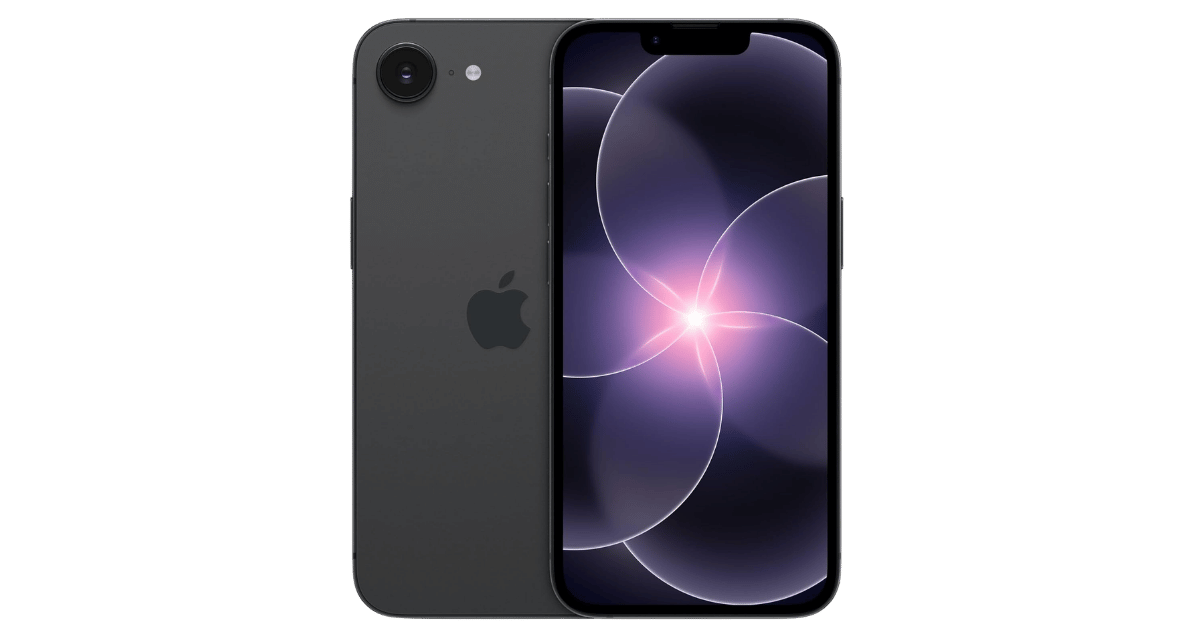
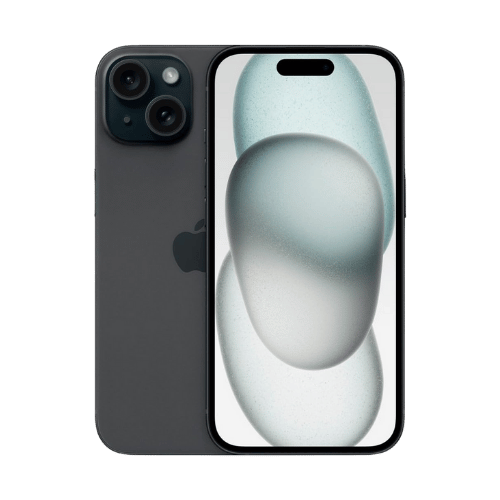
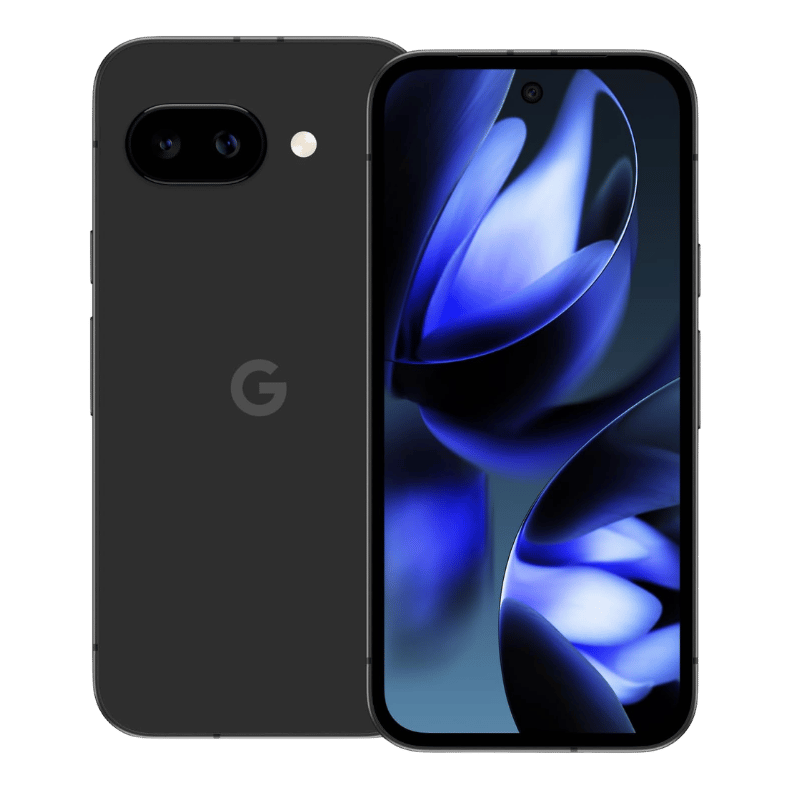
Direct Competitors:
What to Expect Long-Term
Beyond the initial purchase, here's what to consider about owning the Apple iPhone 14:
Durability
Mid-range phones last 2-4 years before performance lags. Budget options may feel slow after 2 years.
Support & Warranty
iPhones get 5-6 years of updates. Samsung and Google offer 4 years; others vary widely.
Upgrade Path
Smartphone technology improves annually, but meaningful jumps happen every 2-3 generations.
Resale Value
Mid-range and budget phones have minimal resale value—treat as consumables.
Final Decision: Should You Buy It?
✓ Buy if:
- You're looking for a reliable mid-range smartphone that integrates well with the Apple ecosystem.
- You value long-term software support and performance without needing the latest features.
- You want a durable phone that can withstand the rigors of everyday use.
✗ Skip if:
- You prioritize having the latest charging technology, like USB-C.
- You prefer a phone with a higher refresh rate for smoother scrolling and gaming.
The Apple iPhone 14 earns its price tag. That A15 Bionic chip alone makes it worth it for users seeking reliability and a solid feature set. If you're ready to invest in a phone that will serve you well for years, the iPhone 14 is a smart choice. PageBen recommends this device for anyone who needs a dependable smartphone without the bells and whistles of the latest models.
Quick Questions
+ Is the Apple iPhone 14 worth buying in 2026?
Yes—the A15 Bionic chip and excellent build quality justify the investment.
+ What are the main pros of Apple iPhone 14?
Key advantages: Affordable entry point into the modern mainline iPhone ecosystem; Reliable A15 Bionic chip with 5-core GPU still performs well; Lightweight and compact 6.1-inch design. These make it a strong choice in the smartphones market.
+ What are the downsides of Apple iPhone 14?
Main considerations: Uses the older Lightning port instead of USB-C; Display limited to 60 Hz (no ProMotion); No optical zoom for telephoto (only digital). Consider whether these affect your specific use case.
+ How long will the Apple iPhone 14 last?
Mid-range phones last 2-4 years before performance lags. Budget options may feel slow after 2 years.
+ What warranty does Apple iPhone 14 come with?
iPhones get 5-6 years of updates. Samsung and Google offer 4 years; others vary widely.
+ How does Apple iPhone 14 compare to alternatives?
Leads the mid-range segment with the highest rating among 16 competing products. Direct competitors include Apple iPhone 17e, Apple iPhone 15, Google Pixel 9a. Check our detailed comparison pages for head-to-head analysis.
+ Where can US buyers get Apple iPhone 14?
For US buyers, Amazon offers competitive pricing, fast Prime shipping, easy returns, and reliable warranty support. Use our link above to check current availability and pricing—prices can fluctuate frequently.