
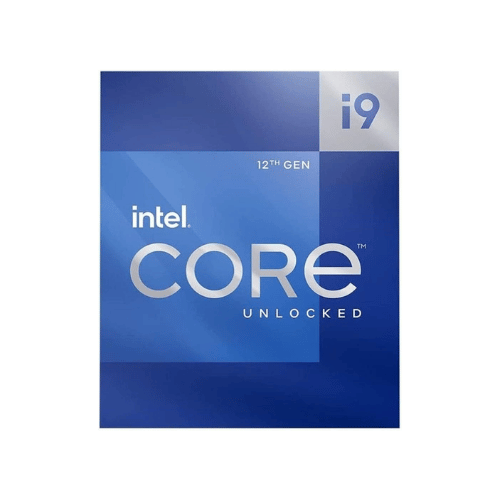
Is the Intel Core i9-12900K Worth It in 2026?
Quick Verdict:
It depends—worth it for top-tier performance, overkill for casual users.
How This Verdict Was Reached
PageBen prioritizes usefulness for US shoppers. Affiliate commission does not decide recommendations, rankings, or verdicts.
Sources Checked
Official specifications, Retailer ratings, Manufacturer documentation, PageBen research.
Decision Factors
We weigh core layout, platform support, gaming performance, productivity fit, thermals, and upgrade path.
Editorial Standard
Research-based analysis from documented specs, published lab measurements, and verified-buyer evidence. Any hands-on note is labeled as such. Full methodology.
Is Intel Core i9-12900K worth it? It depends on your use case. With 16 cores and a max clock speed of 5.2 GHz, it’s ideal for demanding tasks like gaming and content creation. This processor shines for professionals but may be overkill for everyday use. Gamers, streamers, and content creators will benefit from its elite multi-core performance. Casual users or those on a budget should skip this one, as they won't utilize its full capabilities. PageBen's take: If you're pushing the limits with heavy workloads, the i9-12900K justifies its investment. Otherwise, you might find better value in a less powerful chip.
Is the Price Justified?
Looking at the price-to-performance ratio, the Intel Core i9-12900K offers impressive specs for demanding users. Its 24 threads allow for efficient multitasking, making it suitable for heavy workloads. However, with the 2026 market evolving, there are other options that may provide better value for everyday tasks. The ability to support both DDR4 and DDR5 memory is a plus, allowing flexibility in building systems. But if you’re not planning to leverage high-performance components, the extra investment might not be justified. Compared to competitors, the i9-12900K holds its ground in terms of performance but struggles with its 241W turbo power consumption—a significant factor for energy-conscious buyers. Ultimately, you'll need to decide if the elite performance and features are worth the investment. For heavy users, the performance is worth it; for casual users, it’s simply not.
3 Reasons to Buy
1. Elite Multi-Core Performance
The Intel Core i9-12900K boasts 16 cores and 24 threads, making it a powerhouse for multitasking and heavy workloads. If you're into video editing, 3D rendering, or other resource-intensive tasks, this processor will significantly cut down render times and improve overall efficiency. You'll notice the difference in productivity, especially during peak usage times. In gaming, its max clock speed of 5.2 GHz ensures an optimal experience, providing high frame rates even in demanding scenarios. This chip delivers the performance you need for the latest titles while maintaining smooth gameplay during streaming or recording sessions.
2. Versatile Memory Support
The i9-12900K supports both DDR4 and DDR5 memory, providing flexibility for different budget levels. If you’re building a new rig, this means you can initially opt for DDR4 to save costs and later upgrade to DDR5 for better performance. This adaptability makes the processor a smart investment for the future. With a max memory bandwidth of 76.8 GB/s, it ensures that data transfer is fast and efficient, which is crucial for applications that rely heavily on memory speed. This advantage sets it apart from older generation processors, making it a viable choice for high-performance builds.
3. Unlocked for Overclocking
The unlocked feature of the i9-12900K allows enthusiasts to overclock, pushing performance beyond stock settings. This means if you're willing to invest in quality cooling solutions, you can extract even more power from this chip. Overclocking opens up possibilities for gamers and content creators looking to maximize their system’s capabilities. However, this potential comes with responsibility. You'll need to ensure your cooling solution can handle the 241W turbo power to avoid thermal throttling. If you’re up for the challenge, the rewards can be substantial.
Reasons to Skip It
High Power Consumption
One of the biggest downsides of the i9-12900K is its 241W turbo power, which means it consumes a lot of energy. This high consumption can lead to increased electricity bills and demands for a robust cooling system. If you’re concerned about energy efficiency or have a tight budget, this might be a deal-breaker. For everyday users or casual gamers, the extra power and cooling requirements aren’t worth the performance gain. Cheaper alternatives can provide sufficient power without the need for extensive cooling solutions, making them a more sensible choice.
Thermal Management Challenges
The i9-12900K runs hotter than many competitors, especially under load. With a maximum temperature threshold of 100°C (212°F), you'll need to invest in high-quality cooling systems, like liquid cooling, to ensure stability and performance. If you aren't prepared to manage these thermal demands, you could face performance issues or even hardware damage. This limitation primarily affects gamers and content creators who push their systems hard. If you fall into this group and aren’t ready to invest in proper cooling solutions, it's better to look for alternatives that offer a balance of performance and thermal efficiency.
Technical Analysis
Key Specs at a Glance
The i9-12900K features 12th Gen Alder Lake architecture, which combines 8 Performance (P) cores and 8 Efficient (E) cores. This design enables it to handle demanding tasks effectively while providing power efficiency in lighter workloads. With a maximum turbo frequency of 5.2 GHz, the i9-12900K excels in gaming, delivering high frame rates. However, this performance comes at the cost of higher heat output, requiring robust cooling solutions. The integrated Intel UHD Graphics 770 is a practical feature for quick troubleshooting or basic graphical tasks, but serious gamers will still want a dedicated GPU. In terms of memory support, the processor handles DDR5-4800 MT/s and DDR4-3200 MT/s, which allows for future-proofing your build. This flexibility is beneficial, but be aware that you need a compatible motherboard. Finally, the i9-12900K is unlocked for overclocking, which appeals to enthusiasts wanting to push performance boundaries. Just remember, achieving that potential requires careful thermal management due to its high power consumption.
Who Is This For?
The Intel Core i9-12900K is best suited for power users and professionals who need top-notch performance for tasks like video editing, 3D rendering, or high-end gaming. With 24 threads and support for both DDR4 and DDR5, it offers versatility and future-proofing for demanding applications. Casual gamers or everyday users should look elsewhere, as they likely won't utilize its advanced capabilities. The high power consumption and cooling requirements make it less ideal for those not pushing their systems to the limit.
How It Stacks Up Against Alternatives
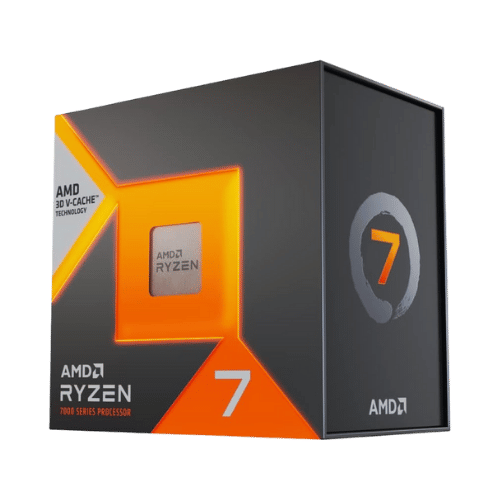
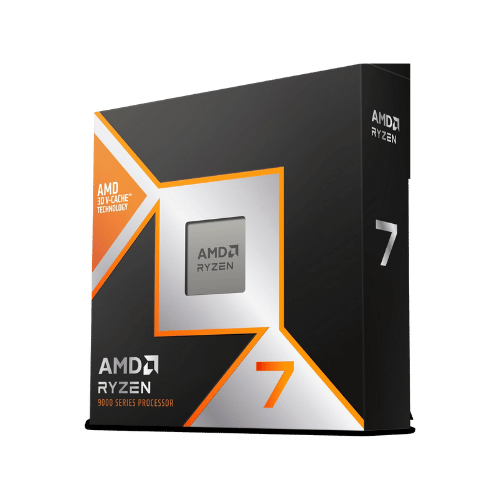
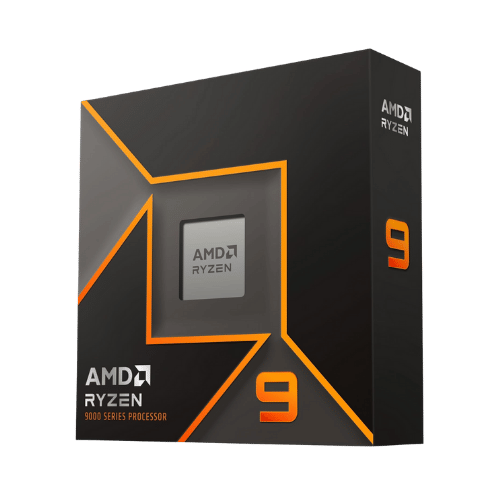
Competes in the premium flagship segment alongside 7 other options.
Direct Competitors:
On a Budget? Consider These:
What to Expect Long-Term
Beyond the initial purchase, here's what to consider about owning the Intel Core i9-12900K:
Durability
CPUs rarely fail and can last 10+ years. Platform support (motherboard, RAM) limits practical lifespan.
Support & Warranty
AMD and Intel provide 3-year warranties. Modern CPUs are very reliable.
Upgrade Path
CPU generations bring 10-20% improvements. Upgrade when productivity or gaming demands increase.
Resale Value
CPUs retain 50-70% value for 2-3 years, then drop sharply as new generations launch.
Final Decision: Should You Buy It?
✓ Buy if:
- You need elite performance for video editing or 3D rendering.
- You're a gamer who plays the latest titles and streams simultaneously.
- You want a processor that supports both DDR4 and DDR5 for future upgrades.
✗ Skip if:
- You're an everyday user who primarily browses the internet or streams videos.
- You’re concerned about power consumption and thermal management.
The Intel Core i9-12900K earns its price tag. That 16-core architecture and 5.2 GHz boost make it worth it for professional users who need top performance. For casual users, however, it’s overkill and not worth the investment. PageBen recommends considering your use case carefully before making a decision, especially given its 241W power draw.
Quick Questions
+ Is the Intel Core i9-12900K worth buying in 2026?
It depends—worth it for top-tier performance, overkill for casual users.
+ What are the main pros of Intel Core i9-12900K?
Key advantages: Elite multi-core performance for rendering, editing, and streaming; Supports both cost-effective DDR4 and high-performance DDR5 motherboards; High clock speeds (up to 5.2 GHz) ensure top-tier gaming performance. These make it suitable for specific users in the processors market.
+ What are the downsides of Intel Core i9-12900K?
Main considerations: Very high power consumption (241W) requires premium cooling solutions; Runs hotter than competitors under full load; LGA1700 platform reaches end-of-life after 14th Gen. Consider whether these affect your specific use case.
+ How long will the Intel Core i9-12900K last?
CPUs rarely fail and can last 10+ years. Platform support (motherboard, RAM) limits practical lifespan.
+ What warranty does Intel Core i9-12900K come with?
AMD and Intel provide 3-year warranties. Modern CPUs are very reliable.
+ How does Intel Core i9-12900K compare to alternatives?
Competes in the premium flagship segment alongside 7 other options. Direct competitors include AMD Ryzen 7 7800X3D, AMD Ryzen 7 9800X3D, AMD Ryzen 9 9950X. Check our detailed comparison pages for head-to-head analysis.
+ Where can US buyers get Intel Core i9-12900K?
For US buyers, Amazon offers competitive pricing, fast Prime shipping, easy returns, and reliable warranty support. Use our link above to check current availability and pricing—prices can fluctuate frequently.