
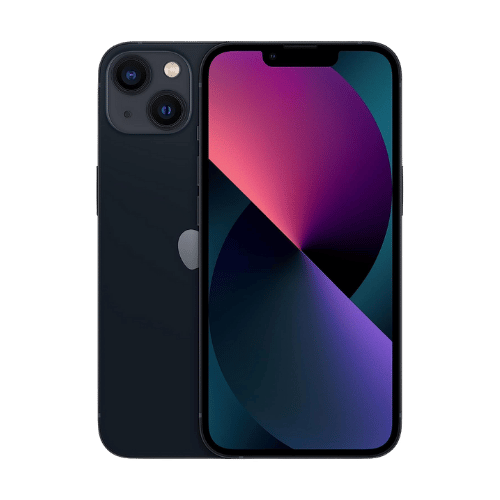
Is the Apple iPhone 13 Worth It in 2026?
Quick Verdict:
It depends—worth it if you need reliable performance and future software support, overkill otherwise.
How This Verdict Was Reached
PageBen prioritizes usefulness for US shoppers. Affiliate commission does not decide recommendations, rankings, or verdicts.
Sources Checked
Official specifications, Retailer ratings, Manufacturer documentation, PageBen research.
Decision Factors
We weigh camera system, display, battery life, software support, performance, storage, and carrier fit.
Editorial Standard
Research-based analysis from documented specs, published lab measurements, and verified-buyer evidence. Any hands-on note is labeled as such. Full methodology.
Is Apple iPhone 13 worth it? Yes, but with caveats. Its A15 Bionic chip and long software support make it appealing, but it's not the best fit for everyone. This phone is great for casual users, but power users might find it lacking. If you're on a budget and want an iPhone, it's a decent option, but you might want to keep looking if you need the latest features.
Is the Price Justified?
The iPhone 13 offers a strong price-to-performance ratio, especially for users who want a reliable smartphone without breaking the bank. With its 4.8/5 rating from 818 reviews, it's clear many users find value in it. Its A15 Bionic chip guarantees that you'll have plenty of power for everyday tasks for years to come, especially considering Apple's typical 6+ years of OS updates. However, compared to newer models, its pricing might not justify the lack of advanced features.
3 Reasons to Buy
1. Durable Build Quality
Its build quality is superior to many budget competitors, which often skimp on durability. If you value longevity and reliability in a phone, the iPhone 13 delivers this in spades.
2. Powerful A15 Bionic Chip
This chip also ensures efficient battery performance, meaning you won’t need to charge it constantly, making it suitable for users who rely on their phones throughout the day.
3. Excellent Camera Capabilities
While it lacks a telephoto lens, the quality of the main and ultrawide cameras still provides plenty of versatility for everyday photography. If you're looking to capture life's moments without the complexity of higher-end models, this phone meets those needs.
Reasons to Skip It
Limited Display Features
If you prioritize display smoothness and responsiveness, you might want to skip the iPhone 13 in favor of options with higher refresh rates. It's not a dealbreaker for many, but it can be noticeable.
Slower Charging and Limited Zoom
Additionally, the absence of a telephoto lens limits your photography capabilities. If you're into photography and want more versatility, you may want to explore other options.
Technical Analysis
Key Specs at a Glance
In terms of processor performance, the A15 Bionic remains highly capable, making multitasking and gaming feel smooth. Competitors in 2026 may offer more advanced chipsets, but the iPhone 13 still crushes average tasks. The 6.1-inch Super Retina XDR OLED display provides vibrant colors and deep blacks, but its 60Hz refresh rate may feel sluggish compared to the 120Hz displays found in some newer Android devices. Battery life remains commendable with a 3,240mAh battery, providing enough juice for a full day of moderate use, but you might find faster charging speeds in newer models. The lack of a telephoto lens and limited Cinematic mode video recording may disappoint content creators seeking flexibility.
Who Is This For?
The iPhone 13 is best for casual users who want a reliable smartphone without all the latest bells and whistles. With its A15 Bionic chip and great camera performance, it's perfect for everyday tasks and social media enthusiasts who want good quality without the complexity of higher-end models. However, it’s not ideal for power users or gamers who need the latest features and performance.
How It Stacks Up Against Alternatives
Leads the budget segment with the highest rating among 11 competing products.
Direct Competitors:
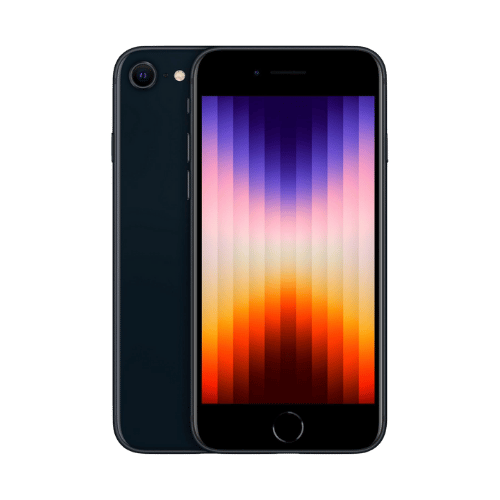
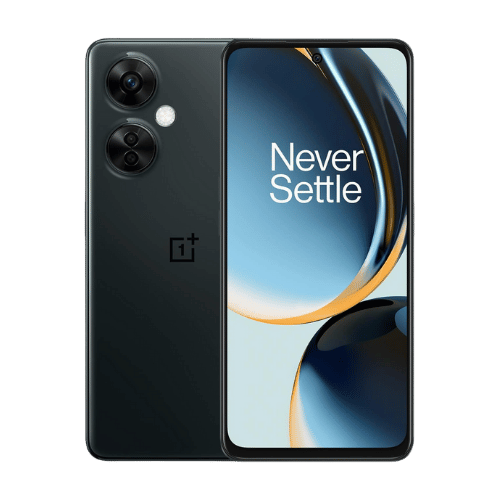
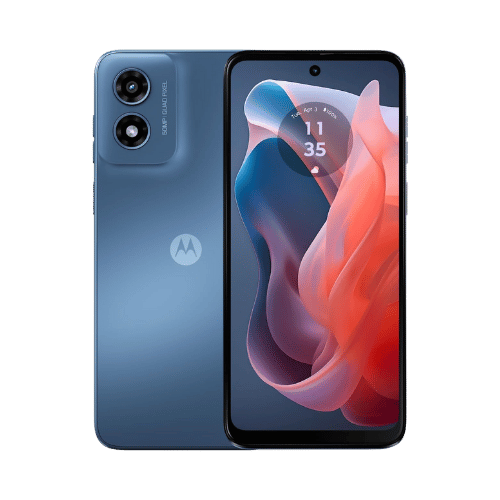
Worth the Upgrade? Premium Alternatives:
What to Expect Long-Term
Beyond the initial purchase, here's what to consider about owning the Apple iPhone 13:
Durability
Mid-range phones last 2-4 years before performance lags. Budget options may feel slow after 2 years.
Support & Warranty
iPhones get 5-6 years of updates. Samsung and Google offer 4 years; others vary widely.
Upgrade Path
Smartphone technology improves annually, but meaningful jumps happen every 2-3 generations.
Resale Value
Mid-range and budget phones have minimal resale value—treat as consumables.
Final Decision: Should You Buy It?
✓ Buy if:
- You want a solid smartphone that performs well for everyday tasks.
- You need a reliable phone with long-term software support for the next several years.
- You value durability and build quality for outdoor or active use.
✗ Skip if:
- You desire the latest display technology for gaming or media consumption.
- You require advanced camera features, like a telephoto lens.
The Apple iPhone 13 earns its price tag. That A15 Bionic chip alone makes it worth it for casual users who want reliability and durability. If you're looking for advanced features or faster charging, you'll want to look elsewhere. PageBen recommends considering your needs carefully, especially with newer models available. If you value a 3,240mAh battery that lasts all day, this phone might be your best bet.
Quick Questions
+ Is the Apple iPhone 13 worth buying in 2026?
It depends—worth it if you need reliable performance and future software support, overkill otherwise.
+ What are the main pros of Apple iPhone 13?
Key advantages: Excellent build quality with Ceramic Shield and IP68 rating; Strong battery life for its size (beat many Android competitors at launch); A15 Bionic chip remains highly capable for everyday tasks and gaming. These make it suitable for specific users in the smartphones market.
+ What are the downsides of Apple iPhone 13?
Main considerations: Stuck on 60Hz refresh rate (Competitors offer 120Hz); Uses proprietary Lightning port instead of universal USB-C; Charging speed is relatively slow (Max ~20-23W). Consider whether these affect your specific use case.
+ How long will the Apple iPhone 13 last?
Mid-range phones last 2-4 years before performance lags. Budget options may feel slow after 2 years.
+ What warranty does Apple iPhone 13 come with?
iPhones get 5-6 years of updates. Samsung and Google offer 4 years; others vary widely.
+ How does Apple iPhone 13 compare to alternatives?
Leads the budget segment with the highest rating among 11 competing products. Direct competitors include Apple iPhone SE (3rd Gen), OnePlus Nord N30 5G, Motorola Moto G Play (2024). Check our detailed comparison pages for head-to-head analysis.
+ Where can US buyers get Apple iPhone 13?
For US buyers, Amazon offers competitive pricing, fast Prime shipping, easy returns, and reliable warranty support. Use our link above to check current availability and pricing—prices can fluctuate frequently.