
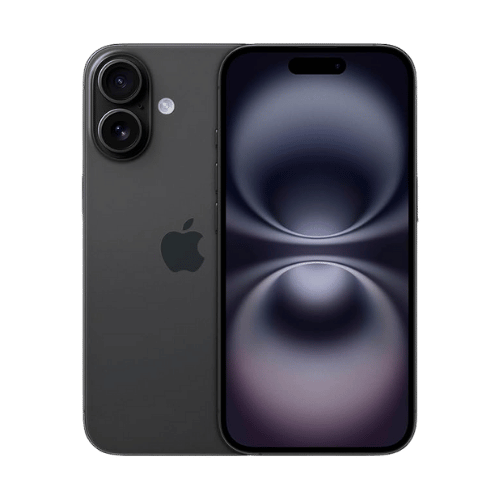
Is the Apple iPhone 16 Worth It in 2026?
Quick Verdict:
Yes—the 48MP camera and A18 chip make it a standout in 2026.
How This Verdict Was Reached
PageBen prioritizes usefulness for US shoppers. Affiliate commission does not decide recommendations, rankings, or verdicts.
Sources Checked
Official specifications, Retailer ratings, Manufacturer documentation, PageBen research.
Decision Factors
We weigh camera system, display, battery life, software support, performance, storage, and carrier fit.
Editorial Standard
Research-based analysis from documented specs, published lab measurements, and verified-buyer evidence. Any hands-on note is labeled as such. Full methodology.
Is Apple iPhone 16 worth it? Yes, mainly due to its 48MP Fusion camera and A18 chip that ensure top-notch performance. This smartphone is ideal for anyone seeking a powerful device with a strong camera. However, if you're after advanced display technology or a dedicated telephoto lens, you might want to reconsider your options. PageBen's take is clear—this phone provides strong value for its performance and features.
Is the Price Justified?
The Apple iPhone 16 offers a compelling price-to-performance ratio, especially with 5+ years of guaranteed software support. This means you’re not just buying a phone; you’re investing in a device that will stay relevant for years. In a market where many competitors offer similar specs, the longevity and quality of Apple's ecosystem make the investment worthwhile. Furthermore, the 8GB RAM paired with the A18 chip provides plenty of power for multitasking and demanding applications, ensuring you get your money's worth. Comparatively, rivals might not offer the same level of support, making the iPhone 16 a smarter buy if you plan to keep your phone long-term.
3 Reasons to Buy
1. Exceptional Camera Quality
Moreover, the ability to take 4K Dolby Vision videos at various frame rates ensures you're equipped for high-quality content creation. Whether you're shooting a quick video for Instagram or capturing family moments, the iPhone 16's camera delivers impressive results that can compete with professional gear.
2. Impressive Performance
This level of power is particularly appealing for gamers and power users who demand top performance. The 16-core Neural Engine also enhances machine learning capabilities, making features like photo processing and voice recognition faster and more efficient.
3. Long-Term Software Support
This extended support means you’ll have access to the latest features and security updates, making your device feel new long after others have become outdated. For users who value longevity and security, this is a critical advantage that makes the iPhone 16 worth the price.
Reasons to Skip It
Limited Display Features
While the 6.1-inch OLED display is vibrant and bright, peaking at 2000 nits outdoor brightness, the absence of ProMotion technology means you won't get that buttery-smooth experience. If display quality is a top priority for you, it might be worth looking at alternatives.
No Dedicated Telephoto Lens
Additionally, the omission of a physical SIM tray in US models means you’re limited to eSIM only, which might not appeal to those who prefer traditional SIM cards for flexibility when traveling. This could hinder potential buyers who frequently switch carriers or travel internationally.
Technical Analysis
Key Specs at a Glance
The A18 chip is a powerhouse with a 6-core CPU and a 16-core Neural Engine, ensuring that the iPhone 16 crushes daily tasks and gaming alike. This performance is bolstered by 8GB RAM, allowing for smooth multitasking even with resource-heavy applications. The camera system is a standout, particularly the 48MP Fusion camera, which provides optical-quality 2x zoom and impressive macro capabilities. This means every photo you take can capture stunning detail, making it ideal for photographers and content creators. Battery life is solid, with a 3561 mAh battery delivering up to 22 hours of video playback, so you won't be hunting for a charger halfway through the day. However, while the 60 Hz refresh rate is adequate, it lags behind competitors offering 120 Hz displays, which can affect fluidity in scrolling and gaming. Additionally, the USB-C port only supports USB 2.0 speeds, limiting data transfer rates compared to rivals with faster connections.
Who Is This For?
The Apple iPhone 16 is perfect for content creators and tech enthusiasts who value top-tier camera quality and performance. With a 48MP camera and A18 chip, it’s built for those who want the best in mobile photography and multitasking capabilities. On the flip side, it’s not ideal for gamers or anyone who prioritizes display refresh rates and telephoto capabilities, as it lacks a 120 Hz refresh rate and a dedicated telephoto lens.
How It Stacks Up Against Alternatives
Leads the high-end segment with the highest rating among 10 competing products.
Direct Competitors:
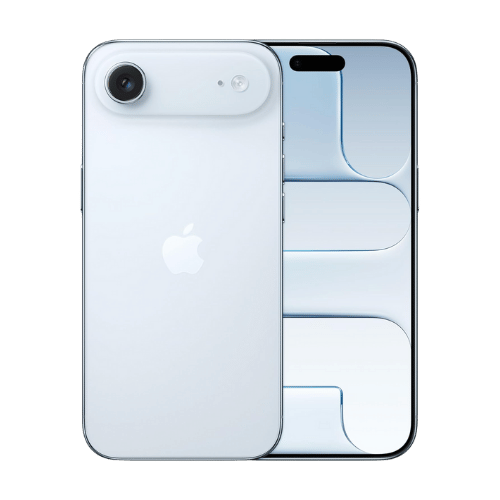
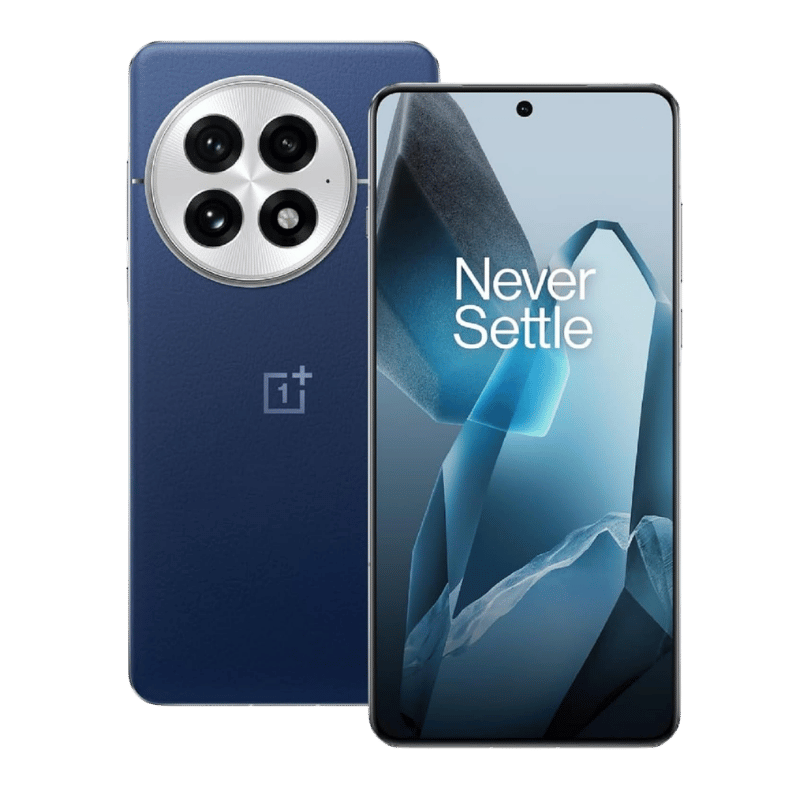
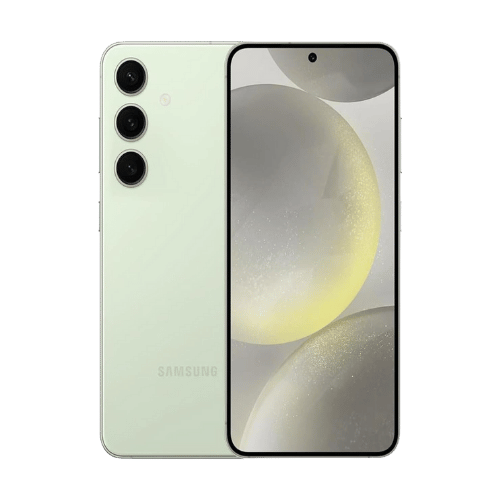
On a Budget? Consider These:
What to Expect Long-Term
Beyond the initial purchase, here's what to consider about owning the Apple iPhone 16:
Durability
Flagship phones with IP68 ratings and quality materials last 4-5 years physically. Battery health drops to 80% after 2-3 years.
Support & Warranty
iPhones get 5-6 years of updates. Samsung and Google offer 4 years; others vary widely.
Upgrade Path
Smartphone technology improves annually, but meaningful jumps happen every 2-3 generations.
Resale Value
Mid-range and budget phones have minimal resale value—treat as consumables.
Final Decision: Should You Buy It?
✓ Buy if:
- You want a smartphone with a powerful camera for photography and videography.
- You're looking for a device that will receive long-term software updates.
- You need a phone that can handle multitasking and demanding applications effortlessly.
✗ Skip if:
- You prioritize display quality and want a high-refresh rate for gaming.
- You need a dedicated telephoto lens for advanced photography.
The Apple iPhone 16 earns its price tag. That 48MP camera alone makes it worth it for photographers and content creators. PageBen recommends it for anyone valuing performance and longevity, with the added benefit of 5+ years of software support ensuring you're future-proofed for years to come.
Quick Questions
+ Is the Apple iPhone 16 worth buying in 2026?
Yes—the 48MP camera and A18 chip make it a standout in 2026.
+ What are the main pros of Apple iPhone 16?
Key advantages: A18 chip with 8GB RAM specifically optimized for Apple Intelligence; 48MP Fusion camera enables optical-quality 2x telephoto crop; Added Macro photography support to the non-Pro lineup. These make it a strong choice in the smartphones market.
+ What are the downsides of Apple iPhone 16?
Main considerations: Display limited to 60 Hz (no ProMotion 120 Hz); USB-C port limited to USB 2.0 data transfer speeds (480 Mb/s); No dedicated telephoto lens (zoom beyond 2x is digital). Consider whether these affect your specific use case.
+ How long will the Apple iPhone 16 last?
Flagship phones with IP68 ratings and quality materials last 4-5 years physically. Battery health drops to 80% after 2-3 years.
+ What warranty does Apple iPhone 16 come with?
iPhones get 5-6 years of updates. Samsung and Google offer 4 years; others vary widely.
+ How does Apple iPhone 16 compare to alternatives?
Leads the high-end segment with the highest rating among 10 competing products. Direct competitors include Apple iPhone 17 Air, OnePlus 13, Samsung Galaxy S24. Check our detailed comparison pages for head-to-head analysis.
+ Where can US buyers get Apple iPhone 16?
For US buyers, Amazon offers competitive pricing, fast Prime shipping, easy returns, and reliable warranty support. Use our link above to check current availability and pricing—prices can fluctuate frequently.