
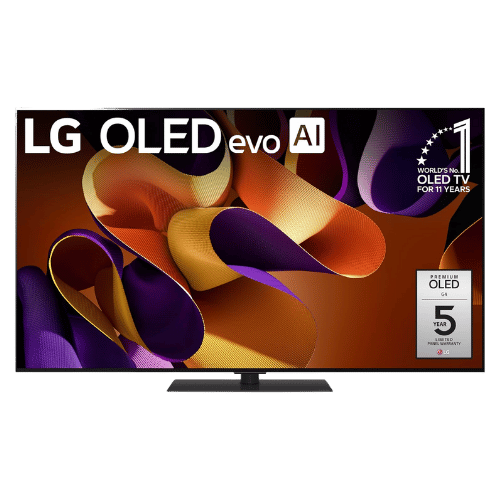
Is the LG OLED evo G4 Series (Gallery Edition, 2024) Worth It in 2026?
Quick Verdict:
Yes—the 144Hz refresh rate and impressive brightness make it a top-tier investment for gamers and cinephiles.
How This Verdict Was Reached
PageBen prioritizes usefulness for US shoppers. Affiliate commission does not decide recommendations, rankings, or verdicts.
Sources Checked
Official specifications, Retailer ratings, Manufacturer documentation, PageBen research.
Decision Factors
We weigh panel technology, contrast, brightness, HDR support, gaming features, size value, and smart platform.
Editorial Standard
Research-based analysis from documented specs, published lab measurements, and verified-buyer evidence. Any hands-on note is labeled as such. Full methodology.
Is LG OLED evo G4 Series (Gallery Edition, 2024) worth it? Yes, because its 144Hz refresh rate and class-leading brightness make it a standout choice for both gaming and movie watching. It's perfect for those who want an immersive viewing experience. If you're looking for a premium TV that delivers exceptional performance and longevity, this model is for you.
Is the Price Justified?
The price of the LG OLED evo G4 Series is justified when you consider its 5-year panel warranty, which is rare in the TV market. You're not just buying a TV; you're making a long-term investment with confidence. Additionally, at 1,500 nits peak brightness, this model delivers stunning HDR content that’s hard to beat in the current market. Compared to other flagship models, you’re getting superior brightness and color accuracy at a competitive price point. For gamers, the 144Hz refresh rate across all four HDMI 2.1 ports enhances the experience, making it a smart buy if you're looking for a gaming monitor and a TV in one. The AI Super Upscaling 4K technology provided by the α11 AI Processor ensures that even lower-resolution content looks great, adding to your value per dollar spent. That’s a significant edge over competitors that don’t offer such advanced upscaling. While some models might offer HDR10+ support, the exclusive Dolby Vision on this TV means you’ll enjoy the best HDR experience available. This sets it apart in the market and justifies the investment for those who prioritize watching movies or shows in the highest quality possible. The combination of features and performance makes this TV a no-brainer for enthusiasts. When you factor in all these elements, the LG OLED evo G4 Series stands tall against alternatives. If you want a TV that offers infinite contrast and a 99% DCI-P3 color gamut, you’re getting your money’s worth. In 2026, this model remains a strong contender, ensuring that you won’t be disappointed with your choice.
3 Reasons to Buy
1. Unmatched Brightness and Color
One of the most compelling reasons to invest in the LG OLED evo G4 Series is its class-leading brightness thanks to MLA technology. With peak brightness levels of approximately 1,500 nits, this TV is designed for stunning HDR performance, making your movie nights feel cinematic. You'll notice the difference when watching HDR content, as colors pop more vibrantly, enhancing your viewing experience. Moreover, the 99% DCI-P3 color gamut means that the TV delivers a wide range of colors, ensuring that everything you watch is true to life. This is a huge draw for content creators and movie buffs who can appreciate the nuanced color details. If you value stunning visuals, this feature alone makes it worth the investment.
2. Gaming Powerhouse
The 144Hz refresh rate is a significant advantage, particularly for gamers. This spec ensures that fast-moving action remains smooth and responsive, crucial for competitive gaming scenarios. Coupled with 4 HDMI 2.1 ports, the G4 is ready for the latest gaming consoles, making it a smart choice for anyone looking to enhance their gaming setup. Additionally, the input lag of approximately 5 ms at 120Hz means that you'll have a competitive edge in fast-paced games. This level of responsiveness is hard to find in other TVs at this price point, solidifying the G4's status as a gaming powerhouse.
3. Long-Term Investment
The 5-year limited panel warranty is a standout feature that adds significant value. In an industry where warranties often last only one or two years, LG's 5-year coverage provides peace of mind, ensuring you won’t face unexpected costs in the near future. This warranty speaks volumes about the quality and durability of the product, making it a smart long-term investment. Additionally, the AI Super Upscaling 4K capability means you'll be able to enjoy all your content, old and new, with improved clarity. This ensures that as your viewing habits evolve, your TV will keep up, making it a worthwhile purchase for years to come.
Reasons to Skip It
No ATSC 3.0 Tuner
One notable limitation is the absence of an ATSC 3.0 tuner, which means you won't have access to NextGen TV broadcasts. This could be a dealbreaker for cord-cutters or those looking to future-proof their setup for over-the-air content. If you plan to rely heavily on antenna broadcasts, this TV may not be the right fit for you. This absence limits your access to the latest broadcasting technologies, potentially affecting your viewing experience as content continues to evolve. If staying ahead of the curve with broadcast technology is important to you, consider this shortcoming carefully.
Stand Not Included
Another drawback is that the stand is typically not included, as the TV is designed primarily for wall mounting. This means added costs if you prefer not to mount it, which can be frustrating for buyers who expect a complete package. If you're not planning to mount it, you'll need to factor in additional expenses for a compatible stand. This could deter those who want a straightforward setup without extra purchases. If you're looking for convenience and a plug-and-play experience, this aspect might lead you to consider other options.
Technical Analysis
Key Specs at a Glance
Let’s break down the technical specs that matter. First up is the α11 AI Processor, which boosts image quality significantly through AI upscaling. This means your older content gets a refreshed look, crucial for any home cinema enthusiast wanting to enjoy legacy movies in improved quality. The processor's capabilities make it a standout feature, especially for those who consume a lot of varied content. Next, the 144Hz refresh rate is a game-changer for gamers. It minimizes motion blur and enhances the responsiveness of fast-paced content. This makes it ideal for both competitive gaming and watching action-packed movies, providing a smoother experience compared to TVs with lower refresh rates. The inclusion of 4 HDMI 2.1 ports ensures that you're future-proofed for the latest gaming consoles and high-bandwidth devices. This is essential for anyone wanting to maximize their setup without worrying about compatibility issues down the line. It’s a feature that truly enhances the overall value of this TV. The peak brightness of approximately 1,500 nits on the smaller models with MLA technology ensures vivid HDR performance. This is especially important for viewing in well-lit rooms where other TVs may struggle. You'll appreciate the depth and richness of colors that this brightness level brings, making your viewing experience more enjoyable. In terms of audio, the 60W Dolby Atmos support creates an immersive sound experience. While it’s not a full surround system, it enhances the audio quality significantly, making it easier to get lost in your favorite films or games. The sound complements the stunning visuals, creating a well-rounded multimedia experience.
Who Is This For?
This TV is best for gamers and cinephiles who demand high performance and stunning visuals. With features like 144Hz refresh rate and 1,500 nits peak brightness, it delivers an immersive experience for those who want the best in home entertainment. On the other hand, it's not ideal for casual viewers or those content with basic features. If you're more focused on general TV watching and don’t require top-tier specs, you might want to explore more budget-friendly options that meet your needs without breaking the bank.
How It Stacks Up Against Alternatives
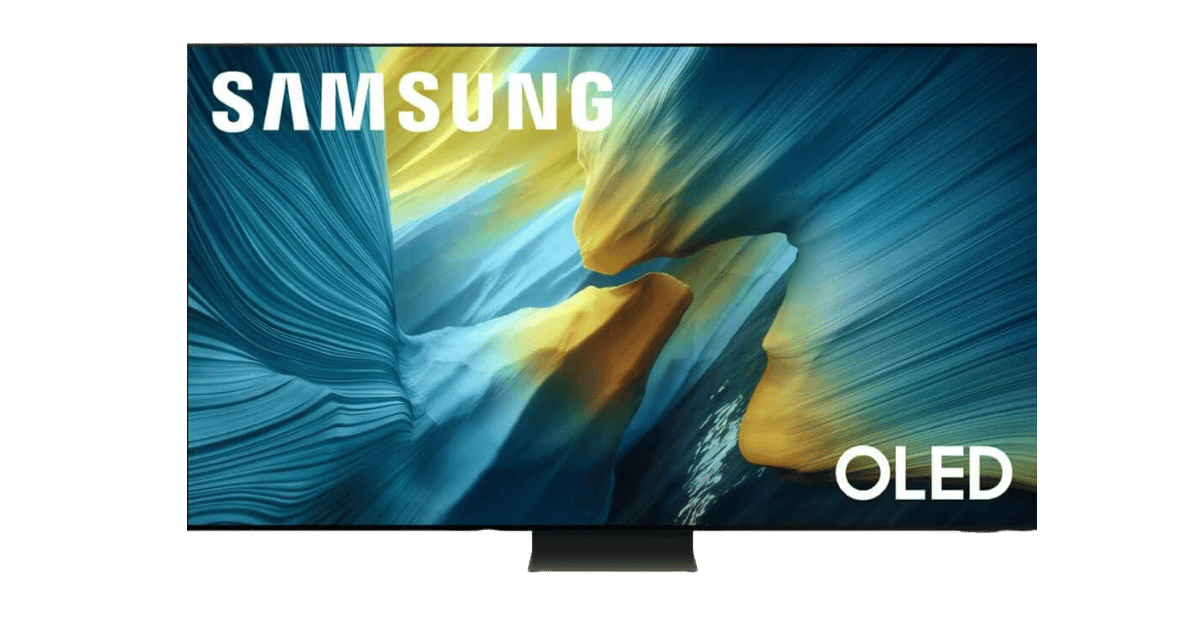
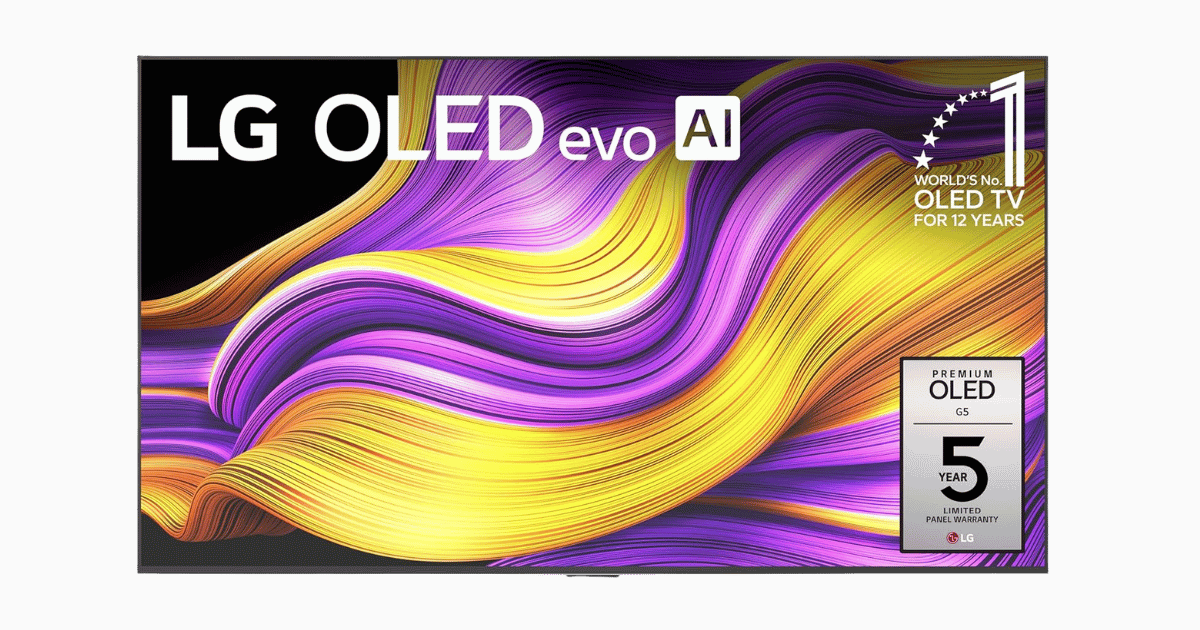
Competes in the premium flagship segment alongside 2 other options.
Direct Competitors:
On a Budget? Consider These:
What to Expect Long-Term
Beyond the initial purchase, here's what to consider about owning the LG OLED evo G4 Series (Gallery Edition, 2024):
Durability
LED/OLED panels typically last 7-10+ years. Smart features may feel outdated after 4-5 years.
Support & Warranty
Most brands offer 1 year warranty. Extended warranties worth considering for OLED burn-in coverage.
Upgrade Path
TV technology changes slowly. HDMI standards and smart platforms are main upgrade drivers.
Resale Value
TVs have minimal resale value due to size and shipping costs. Plan for long-term ownership.
Final Decision: Should You Buy It?
✓ Buy if:
- You want a TV that excels in both gaming and movie watching with stunning visuals.
- You need a long-term investment backed by a solid warranty.
- You prioritize peak brightness and color accuracy for an immersive viewing experience.
✗ Skip if:
- You rely on NextGen TV and need an ATSC 3.0 tuner.
- You prefer a straightforward setup with included stands.
The LG OLED evo G4 Series (Gallery Edition, 2024) earns its price tag. That 144Hz refresh rate and impressive brightness alone make it worth it for gamers and movie lovers alike. If you want a high-performance TV that will elevate your entertainment experience, this is the one to grab. PageBen recommends this TV for those who demand the best. At 1,500 nits peak brightness, it’s a clear standout in 2026, ensuring you won’t regret your investment.
Quick Questions
+ Is the LG OLED evo G4 Series (Gallery Edition, 2024) worth buying in 2026?
Yes—the 144Hz refresh rate and impressive brightness make it a top-tier investment for gamers and cinephiles.
+ What are the main pros of LG OLED evo G4 Series (Gallery Edition, 2024)?
Key advantages: Class-leading brightness with MLA technology (55"-83" models); New α11 AI Processor delivers significant upscaling and processing improvements; Full 144Hz support on all four HDMI 2.1 ports for elite PC gaming. These make it a strong choice in the tvs market.
+ What are the downsides of LG OLED evo G4 Series (Gallery Edition, 2024)?
Main considerations: No ATSC 3.0 tuner (a downgrade from the G3, limiting NextGen TV access); Stand is typically not included in the box (designed for wall mounting); 97-inch model lacks the brightness-boosting MLA tech of smaller sizes. Consider whether these affect your specific use case.
+ How long will the LG OLED evo G4 Series (Gallery Edition, 2024) last?
LED/OLED panels typically last 7-10+ years. Smart features may feel outdated after 4-5 years.
+ What warranty does LG OLED evo G4 Series (Gallery Edition, 2024) come with?
Most brands offer 1 year warranty. Extended warranties worth considering for OLED burn-in coverage.
+ How does LG OLED evo G4 Series (Gallery Edition, 2024) compare to alternatives?
Competes in the premium flagship segment alongside 2 other options. Direct competitors include Samsung S95F OLED (2025), LG OLED evo G5 Series (2025). Check our detailed comparison pages for head-to-head analysis.
+ Where can US buyers get LG OLED evo G4 Series (Gallery Edition, 2024)?
For US buyers, Amazon offers competitive pricing, fast Prime shipping, easy returns, and reliable warranty support. Use our link above to check current availability and pricing—prices can fluctuate frequently.