
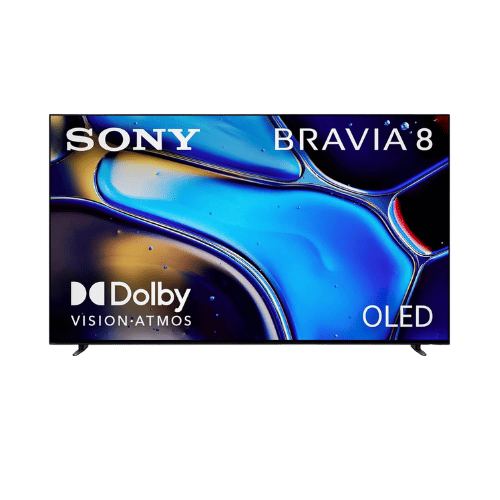
Is the Sony BRAVIA 8 OLED (XR80, 2024) Worth It in 2026?
Quick Verdict:
No—limited HDMI 2.1 ports and price make it tough to justify.
How This Verdict Was Reached
PageBen prioritizes usefulness for US shoppers. Affiliate commission does not decide recommendations, rankings, or verdicts.
Sources Checked
Official specifications, Retailer ratings, Manufacturer documentation, PageBen research.
Decision Factors
We weigh panel technology, contrast, brightness, HDR support, gaming features, size value, and smart platform.
Editorial Standard
Research-based analysis from documented specs, published lab measurements, and verified-buyer evidence. Any hands-on note is labeled as such. Full methodology.
Is Sony BRAVIA 8 OLED (XR80, 2024) worth it? No, it falls short on HDMI ports and value for money. With only two HDMI 2.1 ports, it limits connectivity for next-gen gaming. This model suits cinephiles who prioritize picture quality over gaming features.
Is the Price Justified?
Value for money is critical for US buyers, and the BRAVIA 8 OLED struggles here. At a premium price, you get 4K resolution and infinite contrast, but it’s not the best deal. Competing models like the LG C4 offer better price-to-performance ratios with similar specs. The 750-800 nits peak brightness is decent, yet it doesn’t match the competition's brighter displays. For gamers, the two HDMI 2.1 ports mean you're likely choosing between your console and soundbar, which is a major limitation.
3 Reasons to Buy
1. Superior Image Processing
You’ll appreciate the infinite contrast that comes with OLED technology. Perfect blacks and stunning color accuracy ensure that dark scenes come alive, bringing depth to your favorite movies. For cinephiles, this is a game-changer, making late-night screenings visually stunning.
2. NextGen TV Ready
This model supports Dolby Vision and HDR10, which enhances your streaming experience. If you subscribe to services offering HDR content, you'll enjoy a richer, more immersive view. The HDR capability is crucial for maximizing your investment in a premium OLED TV.
3. Unique Sound Experience
With 50W audio power, the sound quality stands out compared to traditional TV speakers. This means you won't need a soundbar for everyday viewing, making it a great all-in-one option for casual viewers who prioritize space and simplicity.
Reasons to Skip It
Limited HDMI Connectivity
In comparison, many competitors offer more HDMI 2.1 ports, allowing for better connectivity. This bottleneck can hinder your overall experience, especially if you plan on using the TV for gaming or a comprehensive home theater setup.
Comparative Brightness Issues
The Auto Brightness Limiter (ABL) can also dim full-screen bright scenes, which may frustrate viewers during high-contrast moments. If you’re looking for a TV that excels in all lighting conditions, this model may not meet your expectations.
Technical Analysis
Key Specs at a Glance
The Cognitive Processor XR does enhance image processing and upscaling, making it ideal for movie buffs. However, the lack of local dimming means you won’t see the same vibrant highlights as competitors. With a refresh rate of 120 Hz, it’s smooth for sports and fast-action films, but the input lag of around 13 ms at 4K 60Hz isn’t competitive for serious gamers. The Acoustic Surface Audio+ provides immersive sound by vibrating the screen, but it may not satisfy audiophiles looking for superior audio quality. Additionally, the ATSC 3.0 tuner sets it apart for future-proofing against competitors lacking this feature.
Who Is This For?
This TV is best for cinephiles who prioritize picture quality and immersive sound. The Cognitive Processor XR and Acoustic Surface Audio+ make it ideal for movie lovers wanting a theater-like experience at home. However, it may not suit gamers due to the limited HDMI 2.1 ports, which could hinder their setup. If you have multiple devices or game frequently, you’ll likely find better options elsewhere.
How It Stacks Up Against Alternatives
Competes in the high-end segment alongside 10 other options.
Direct Competitors:
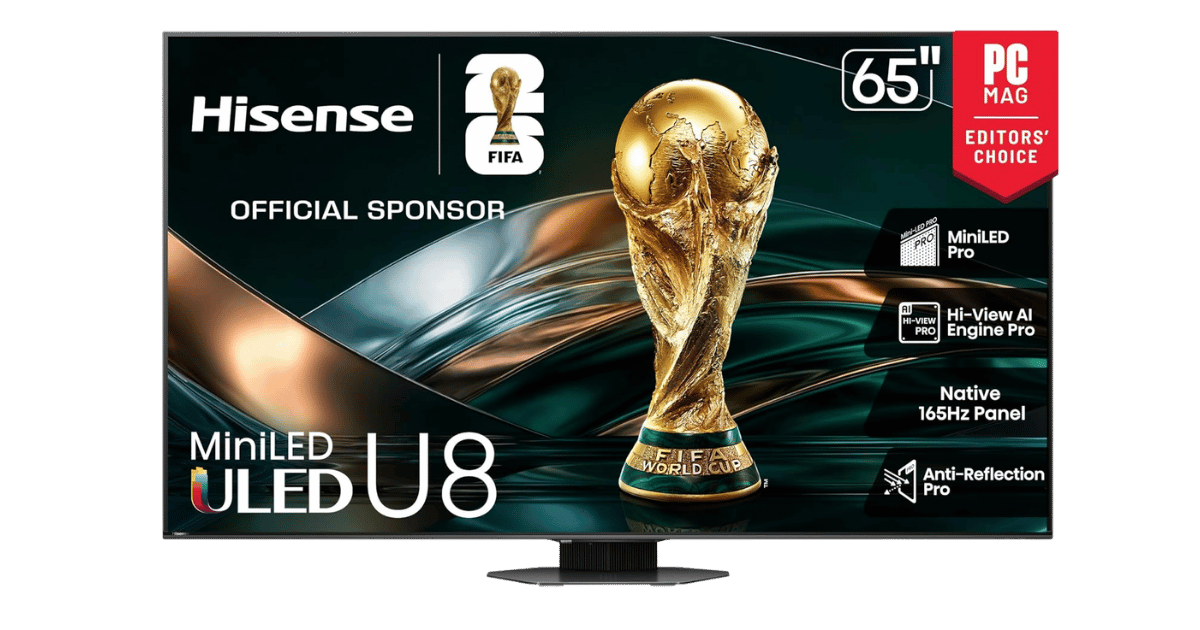
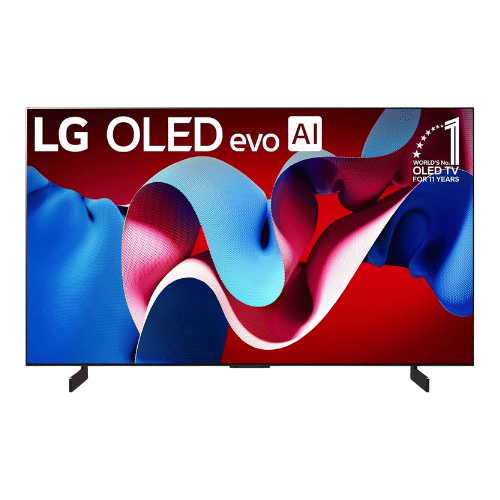
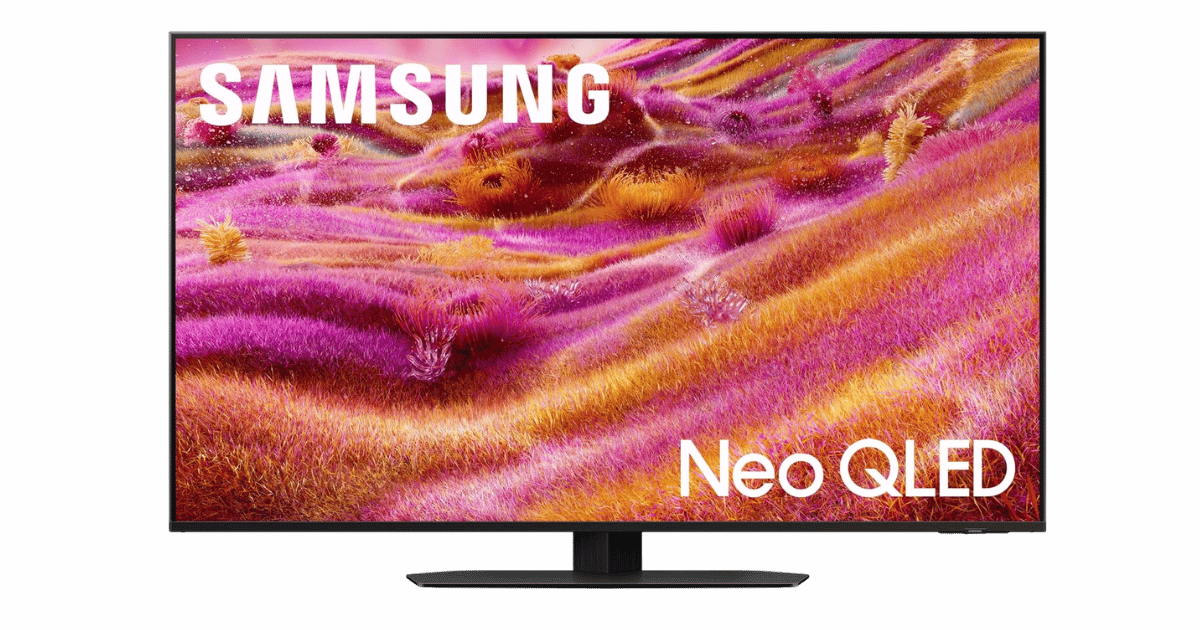
On a Budget? Consider These:
What to Expect Long-Term
Beyond the initial purchase, here's what to consider about owning the Sony BRAVIA 8 OLED (XR80, 2024):
Durability
LED/OLED panels typically last 7-10+ years. Smart features may feel outdated after 4-5 years.
Support & Warranty
Most brands offer 1 year warranty. Extended warranties worth considering for OLED burn-in coverage.
Upgrade Path
TV technology changes slowly. HDMI standards and smart platforms are main upgrade drivers.
Resale Value
TVs have minimal resale value due to size and shipping costs. Plan for long-term ownership.
Final Decision: Should You Buy It?
✓ Buy if:
- You're a movie enthusiast who values picture quality and sound immersion.
- You want a future-proof TV with an ATSC 3.0 tuner for NextGen TV.
- You prefer a unique audio experience without the need for external speakers.
✗ Skip if:
- You need multiple HDMI 2.1 ports for gaming and other devices.
- You frequently watch TV in bright rooms and need higher brightness performance.
You give up HDMI connectivity for superior image processing. Worth the trade if you’re a movie lover focused on stunning visuals. PageBen suggests considering the BRAVIA 8 OLED if you're primarily watching films and appreciate picture quality, but look elsewhere if you're a gamer or need multiple connections. With a peak brightness of 750-800 nits, it's decent but falls short against competitors. If you're after a versatile TV that excels in all areas, this may not be the right choice.
Quick Questions
+ Is the Sony BRAVIA 8 OLED (XR80, 2024) worth buying in 2026?
No—limited HDMI 2.1 ports and price make it tough to justify.
+ What are the main pros of Sony BRAVIA 8 OLED (XR80, 2024)?
Key advantages: Cognitive Processor XR delivers industry-leading image processing and upscaling; Acoustic Surface Audio+ creates sound that comes directly from the screen; Includes ATSC 3.0 tuner for NextGen TV (unlike 2024 LG OLEDs which dropped it). These make it less competitive in the tvs market.
+ What are the downsides of Sony BRAVIA 8 OLED (XR80, 2024)?
Main considerations: Only two HDMI 2.1 ports, with one shared as the eARC port (major bottleneck); Not as bright as QD-OLED (A95L) or MLA-OLED (G4) competitors; Price-to-performance ratio is often lower than rival LG C4 or Samsung S90D. These issues make it hard to recommend.
+ How long will the Sony BRAVIA 8 OLED (XR80, 2024) last?
LED/OLED panels typically last 7-10+ years. Smart features may feel outdated after 4-5 years.
+ What warranty does Sony BRAVIA 8 OLED (XR80, 2024) come with?
Most brands offer 1 year warranty. Extended warranties worth considering for OLED burn-in coverage.
+ How does Sony BRAVIA 8 OLED (XR80, 2024) compare to alternatives?
Competes in the high-end segment alongside 10 other options. Direct competitors include Hisense U8QG Mini-LED (2025), LG OLED evo C4 Series (2024), Samsung QN90F Neo QLED (2025). Check our detailed comparison pages for head-to-head analysis.
+ Where can US buyers get Sony BRAVIA 8 OLED (XR80, 2024)?
For US buyers, Amazon offers competitive pricing, fast Prime shipping, easy returns, and reliable warranty support. Use our link above to check current availability and pricing—prices can fluctuate frequently.