
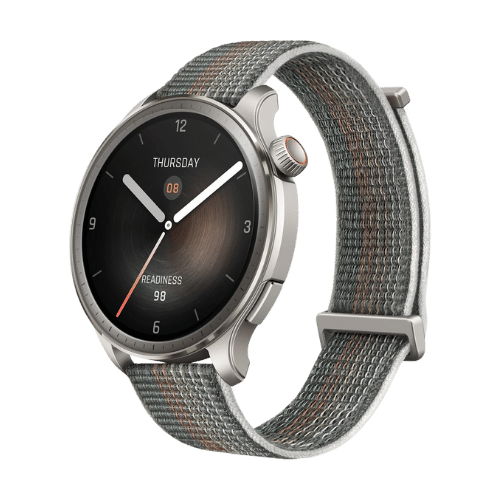
Is the Amazfit Balance Worth It in 2026?
Quick Verdict:
Yes—the 475 mAh battery lasting up to 14 days makes it a strong contender in 2026.
How This Verdict Was Reached
PageBen prioritizes usefulness for US shoppers. Affiliate commission does not decide recommendations, rankings, or verdicts.
Sources Checked
Official specifications, Retailer ratings, Manufacturer documentation, PageBen research.
Decision Factors
We weigh health sensors, battery life, GPS accuracy, ecosystem fit, durability, and workout features.
Editorial Standard
Research-based analysis from documented specs, published lab measurements, and verified-buyer evidence. Any hands-on note is labeled as such. Full methodology.
Is Amazfit Balance worth it? Yes, this smartwatch combines advanced health tracking with impressive battery life, making it a smart investment. Its 475 mAh battery lasts up to 14 days, setting it apart from competitors. This is ideal for fitness enthusiasts who want robust health insights without frequent charging, but casual users may find it excessive.
Is the Price Justified?
The Amazfit Balance offers a competitive price-to-performance ratio, especially for those focused on wellness. At mid-range pricing, you get features like BIA body composition analysis and dual-band GPS, which are typically found in higher-end models. This smartwatch’s ability to manage up to 14 days on a single charge is a game-changer for anyone tired of daily charging routines, providing strong value per dollar spent. When compared to alternatives like the Fitbit Sense 2, which requires more frequent charging and lacks some advanced features, the Amazfit Balance holds its ground firmly. For users prioritizing health metrics, the 156 sports modes available make it a versatile tool for various fitness endeavors, further enhancing its value proposition.
3 Reasons to Buy
1. Lightweight and Comfortable Design
Its 46mm size is also ideal for larger wrists, ensuring a snug fit without compromising on comfort. If you’re someone who values both style and usability in a smartwatch, this design will meet your expectations.
2. Advanced Health Tracking Features
Moreover, the Readiness score and 24/7 heart rate monitoring provide actionable insights into your health, enabling better training decisions. This combination of features at a mid-range price is hard to find in other smartwatches.
3. Long Battery Life
Even with the Always-On Display active, you can expect around 5 days, which is still impressive. This makes the Amazfit Balance a practical choice for anyone who values convenience and reliability.
Reasons to Skip It
Limited Payment and App Ecosystem
Additionally, the app ecosystem is not as robust as those found on WearOS or watchOS devices, potentially restricting functionality for those who want a more extensive range of applications. This might deter tech-savvy users looking for customizable features.
No LTE Connectivity
If you're someone who values independence from your phone for calls and messages during workouts, this limitation may steer you toward competitors offering that feature.
Technical Analysis
Key Specs at a Glance
The lightweight design at just 1.23 oz ensures that you can wear it comfortably all day, unlike bulkier alternatives that can feel cumbersome during workouts. The 1.5-inch AMOLED display with a resolution of 480 x 480 (323 ppi) provides vibrant visuals, making notifications and health data easy to read, even in sunlight. The dual-band GPS allows for precise tracking across different environments, which is essential for outdoor activities, outperforming many competitors in accuracy. Additionally, the BioTracker 5.0 PPG biometric sensor offers 24/7 heart rate and SpO2 monitoring, giving you detailed insights into your health and fitness levels. Battery life is another standout feature; in Power Saving GPS mode, it can last up to 52 hours, which is ideal for long-distance runners or hikers. Lastly, while the Zepp OS 4 is user-friendly, it's limited in third-party app support compared to options like WearOS, which could be a dealbreaker for users seeking extensive functionality.
Who Is This For?
This smartwatch is best for fitness enthusiasts who need advanced health tracking features like body composition analysis and dual-band GPS. If you prioritize wellness and battery life, the Amazfit Balance is a smart investment. However, it may not be ideal for casual users who want simple notifications and less complex features, as the smartwatch's capabilities could feel overkill for them.
How It Stacks Up Against Alternatives
Ranks in the top tier of mid-range options, placing #5 out of 14 products we track.
Direct Competitors:
What to Expect Long-Term
Beyond the initial purchase, here's what to consider about owning the Amazfit Balance:
Durability
Budget wearables may feel slow after 2 years. Fitness trackers have longer effective lifespans.
Support & Warranty
Apple Watch gets 5+ years of updates. Wear OS and Samsung vary. Garmin provides long-term support.
Upgrade Path
Health sensors improve yearly. Consider upgrading when new sensors match your wellness goals.
Resale Value
Budget smartwatches have minimal resale value. Use until replacement needed.
Final Decision: Should You Buy It?
✓ Buy if:
- You want extensive health tracking features like body composition analysis.
- You need a long-lasting battery for your workouts.
- You're looking for a lightweight smartwatch that won't weigh you down.
✗ Skip if:
- You rely heavily on mobile payments and a robust app ecosystem.
- You prefer having LTE connectivity for phone-free use.
The Amazfit Balance earns its price tag. That 14-day battery life alone makes it worth it for fitness enthusiasts. If you value comprehensive health features and lightweight design, this is a smart investment.
Quick Questions
+ Is the Amazfit Balance worth buying in 2026?
Yes—the 475 mAh battery lasting up to 14 days makes it a strong contender in 2026.
+ What are the main pros of Amazfit Balance?
Key advantages: Extremely lightweight design (1.23 oz) for its 46mm size; Advanced wellness toolkit including Readiness score and Body Composition analysis; Highly accurate dual-band circularly-polarized GPS system. These make it a strong choice in the smartwatches market.
+ What are the downsides of Amazfit Balance?
Main considerations: Zepp Pay ecosystem is limited compared to Apple or Google Pay; Significant battery impact when Always-On Display is enabled (drops to 5 days); No LTE/Cellular connectivity option available. Consider whether these affect your specific use case.
+ How long will the Amazfit Balance last?
Budget wearables may feel slow after 2 years. Fitness trackers have longer effective lifespans.
+ What warranty does Amazfit Balance come with?
Apple Watch gets 5+ years of updates. Wear OS and Samsung vary. Garmin provides long-term support.
+ How does Amazfit Balance compare to alternatives?
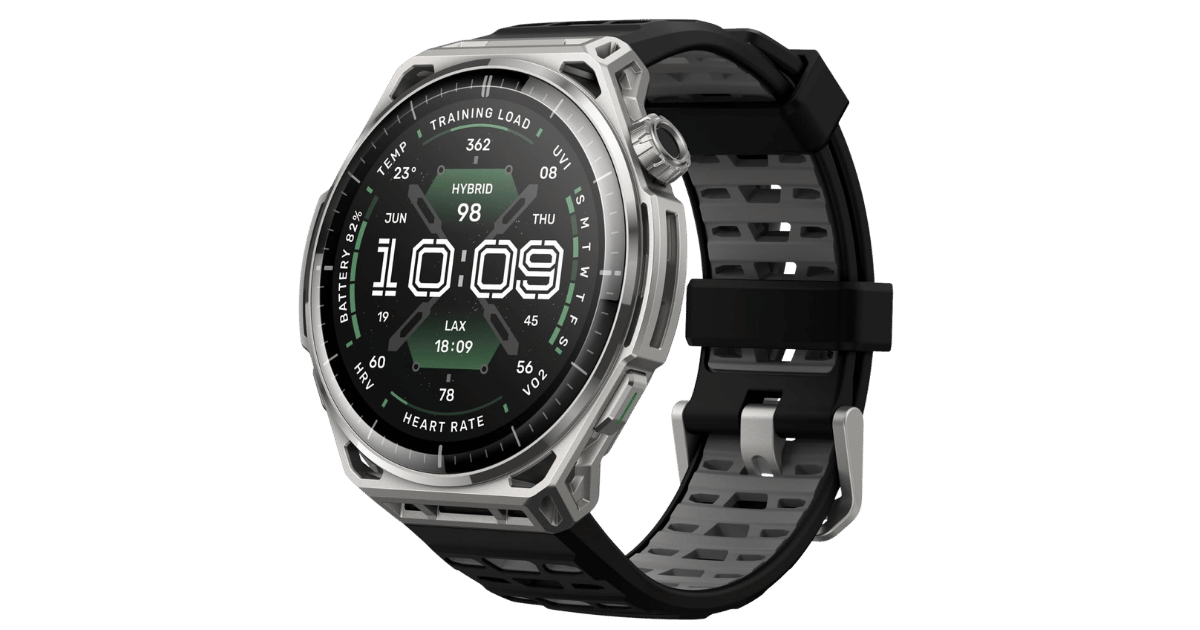
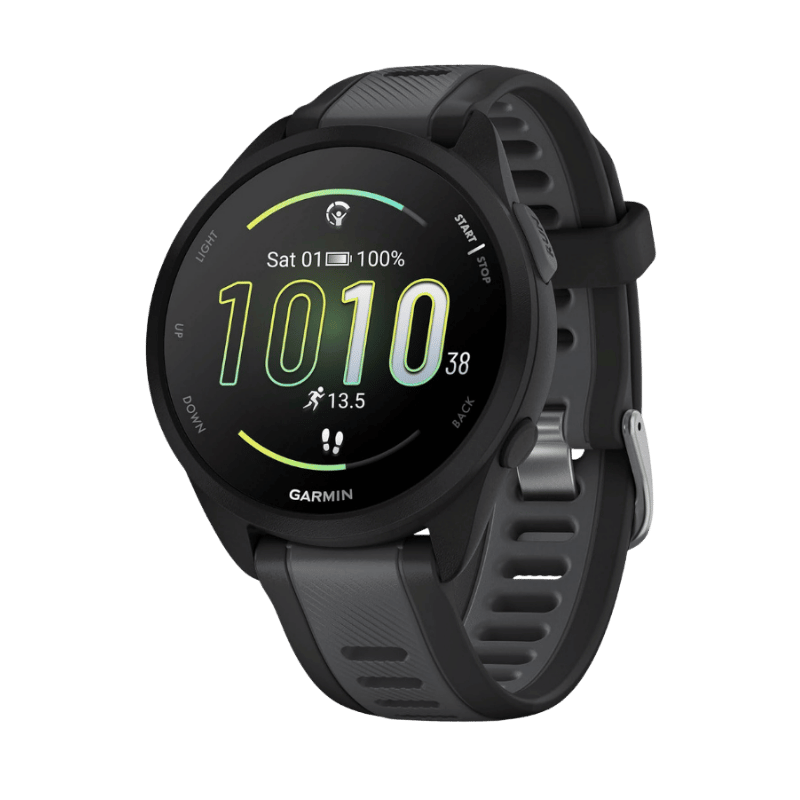
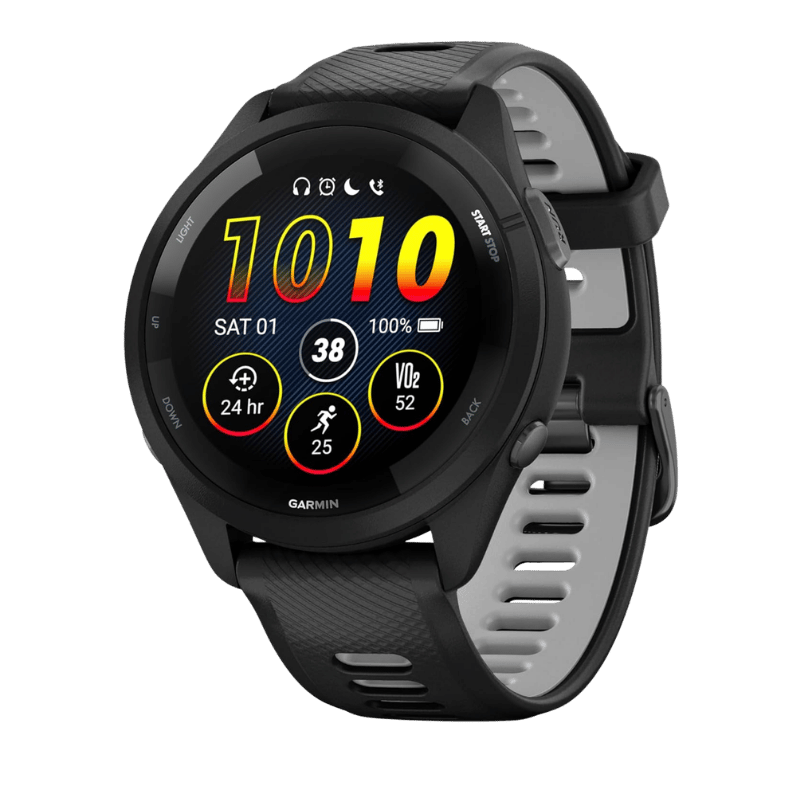
Ranks in the top tier of mid-range options, placing #5 out of 14 products we track. Direct competitors include Amazfit Balance 3, Garmin Forerunner 165, Garmin Forerunner 265. Check our detailed comparison pages for head-to-head analysis.
+ Where can US buyers get Amazfit Balance?
For US buyers, Amazon offers competitive pricing, fast Prime shipping, easy returns, and reliable warranty support. Use our link above to check current availability and pricing—prices can fluctuate frequently.