
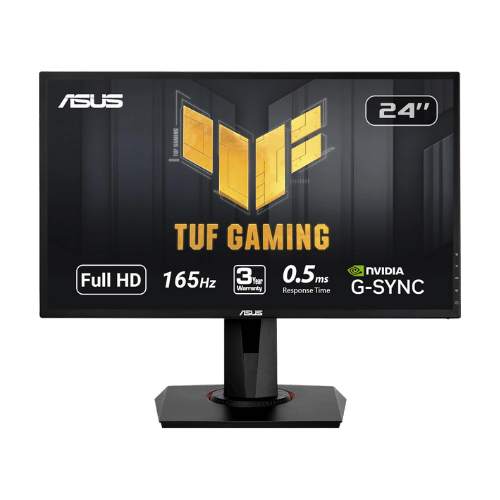
Is the ASUS VG248QG 24" G-SYNC Gaming Monitor Worth It in 2026?
Quick Verdict:
It depends—worth it if you prioritize speed and G-SYNC compatibility, overkill otherwise.
How This Verdict Was Reached
PageBen prioritizes usefulness for US shoppers. Affiliate commission does not decide recommendations, rankings, or verdicts.
Sources Checked
Official specifications, Retailer ratings, Manufacturer documentation, PageBen research.
Decision Factors
We weigh panel type, resolution, refresh rate, brightness, color coverage, ergonomics, and desk fit.
Editorial Standard
Research-based analysis from documented specs, published lab measurements, and verified-buyer evidence. Any hands-on note is labeled as such. Full methodology.
Is ASUS VG248QG 24" G-SYNC Gaming Monitor worth it? It depends on your gaming needs. With a 165Hz refresh rate, it excels in fast-paced gaming but falls short in color accuracy. Casual gamers or those who enjoy single-player titles should look elsewhere for better visuals.
Is the Price Justified?
The ASUS VG248QG offers strong performance for its price, particularly for competitive gamers. At a refresh rate of 165Hz, it delivers smooth gameplay, especially in FPS games, making it a strong fit for serious gamers focusing on performance. However, its TN panel means you'll sacrifice color accuracy, which can be a dealbreaker for creative users or casual gamers who value visuals over speed. In comparison to IPS monitors available in 2026, the VG248QG may feel outdated, especially since IPS panels now provide better color reproduction and viewing angles at competitive prices. If you're primarily focused on competitive gaming, this monitor is a decent investment, but for general use or content creation, it may not be worth your money. Overall, the price is justified for those prioritizing speed, but not for users needing accurate colors.
3 Reasons to Buy
1. Outstanding Speed for Competitive Gaming
If you're serious about gaming, this monitor’s specs provide a significant edge over standard 60Hz monitors. The G-SYNC compatibility also ensures that you can enjoy a tear-free experience, which is crucial for high-stakes competitive gaming.
2. Ergonomic Design
Ergonomics are often overlooked, but they can make a big difference in a user’s experience. With this level of adjustability, you can optimize your setup for both gaming and work, making it a versatile addition to your desk.
3. Legacy Connectivity Options
This backward compatibility also extends its lifespan, allowing you to keep using it even when you decide to upgrade your gaming rig in the future. It’s a practical feature that adds to its overall value.
Reasons to Skip It
Subpar Color Accuracy
Gamers who play visually rich titles or content creators will find this monitor lacking. The 72% NTSC color gamut does not provide the depth of color needed for an immersive experience, making it a poor choice for anyone needing accurate visuals.
Limited Viewing Angles
If you plan to use this monitor for multiplayer gaming or sharing your screen, the limited angles could impact your enjoyment. This makes it less ideal for a communal gaming setup where everyone needs a clear view.
Technical Analysis
Key Specs at a Glance
The refresh rate of 165Hz is a highlight, providing fluid motion and responsiveness that enhances the gaming experience. You'll notice the difference, especially in fast-paced titles where every millisecond counts. The 0.5ms response time further boosts clarity, virtually eliminating motion blur. However, the TN panel limits color accuracy and viewing angles, making it less suitable for media consumption or creative work. Compared to modern IPS alternatives, this monitor's color performance is lacking, with only 72% NTSC coverage, which can lead to washed-out images. NVIDIA G-SYNC compatibility is a strong selling point, ensuring tear-free gaming for NVIDIA GPU users, but if your setup uses HDMI primarily, you'll miss out on the 165Hz refresh rate, as HDMI is capped at lower rates. Lastly, while the ergonomics are commendable with height, tilt, swivel, and pivot adjustments, the overall build feels bulky with thicker bezels compared to newer models.
Who Is This For?
The ASUS VG248QG is best for competitive gamers who prioritize speed and responsiveness. The 165Hz refresh rate and 0.5ms response time are ideal for those who play fast-paced games like FPS or racing titles. However, casual gamers or creative professionals who need accurate color reproduction should skip this monitor in favor of more modern alternatives with better visual fidelity.
How It Stacks Up Against Alternatives
Leads the mid-range segment with the highest rating among 8 competing products.
Direct Competitors:
What to Expect Long-Term
Beyond the initial purchase, here's what to consider about owning the ASUS VG248QG 24" G-SYNC Gaming Monitor:
Durability
Monitor panels last 7-10+ years. Backlight dimming is gradual and rarely an issue.
Support & Warranty
Most monitors have 3-year warranties. Dead pixel policies vary by manufacturer.
Upgrade Path
Monitor technology evolves slowly. 4K, high refresh rates, and HDR are current standards.
Resale Value
Monitors retain 30-50% value after 2-3 years. Gaming monitors with high refresh rates hold value better.
Final Decision: Should You Buy It?
✓ Buy if:
- You want a high refresh rate for competitive gaming.
- You're using an older graphics card with DVI-D support.
- You need a fully adjustable monitor for comfort during long sessions.
✗ Skip if:
- You prioritize color accuracy and viewing angles for media consumption.
- You mainly play visually rich games or do creative work.
The ASUS VG248QG 24" G-SYNC Gaming Monitor earns its price tag. That 165Hz refresh rate alone makes it worth it for competitive gamers. PageBen recommends this monitor if speed is your top priority, but for those needing vibrant visuals, look elsewhere.
Quick Questions
+ Is the ASUS VG248QG 24" G-SYNC Gaming Monitor worth buying in 2026?
It depends—worth it if you prioritize speed and G-SYNC compatibility, overkill otherwise.
+ What are the main pros of ASUS VG248QG 24" G-SYNC Gaming Monitor?
Key advantages: Ultra-fast 0.5ms (GtG) response time virtually eliminates motion blur and ghosting; 165Hz refresh rate offers competitive fluidity for FPS titles (via DisplayPort); Officially certified as 'G-SYNC Compatible' for tear-free gaming on NVIDIA GPUs. These make it suitable for specific users in the monitors market.
+ What are the downsides of ASUS VG248QG 24" G-SYNC Gaming Monitor?
Main considerations: TN panel viewing angles (170°/160°) cause color shifting when viewed off-center; Color accuracy is inferior to modern IPS panels (washed out blacks/colors); Thicker bezels compared to modern 'frameless' designs. Consider whether these affect your specific use case.
+ How long will the ASUS VG248QG 24" G-SYNC Gaming Monitor last?
Monitor panels last 7-10+ years. Backlight dimming is gradual and rarely an issue.
+ What warranty does ASUS VG248QG 24" G-SYNC Gaming Monitor come with?
Most monitors have 3-year warranties. Dead pixel policies vary by manufacturer.
+ How does ASUS VG248QG 24" G-SYNC Gaming Monitor compare to alternatives?
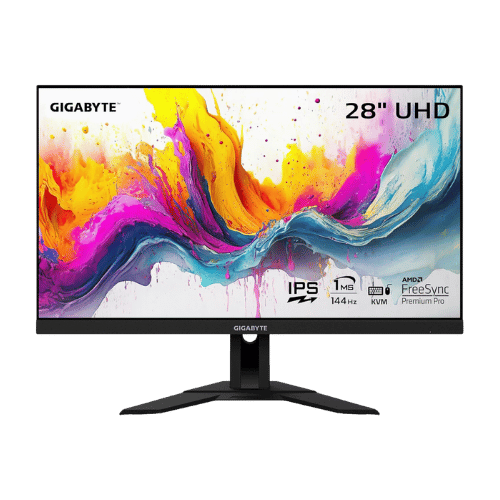
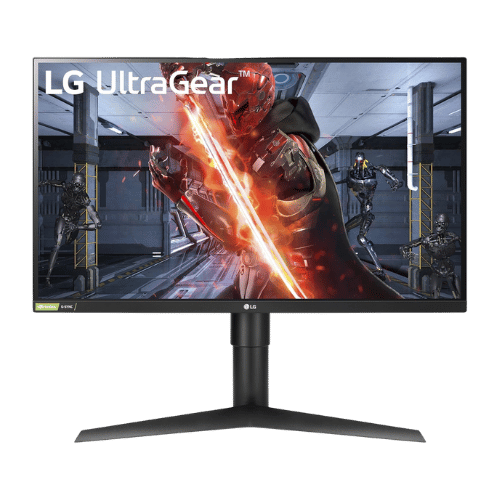
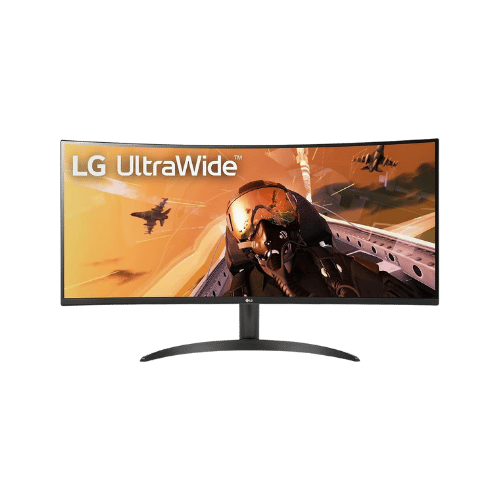
Leads the mid-range segment with the highest rating among 8 competing products. Direct competitors include GIGABYTE M28U 28" 4K 144Hz KVM Gaming Monitor, LG 27GL83A-B 27" UltraGear QHD IPS Monitor, LG 34WP60C-B 34" Ultrawide Curved WQHD 160Hz Monitor. Check our detailed comparison pages for head-to-head analysis.
+ Where can US buyers get ASUS VG248QG 24" G-SYNC Gaming Monitor?
For US buyers, Amazon offers competitive pricing, fast Prime shipping, easy returns, and reliable warranty support. Use our link above to check current availability and pricing—prices can fluctuate frequently.